Neurological Sleep Disorders in Older Adults: When Daytime Sleepiness Needs Evaluation

Daytime sleepiness in older adults is not always a normal part of aging. Neurological conditions, sleep disorders, medications, and medical illnesses can all contribute to poor sleep and fatigue.
Key Takeaways
- Daytime sleepiness in older adults is not always a normal part of aging.
- Neurological conditions, sleep disorders, medications, and medical illnesses can all contribute to poor sleep and fatigue.
- Evaluation may include a sleep history, neurological exam, medication review, and sleep testing when needed.
- Treatment depends on the cause and may include lifestyle changes, medication adjustments, breathing support for sleep apnea, or care for an underlying neurological condition.
- Prompt medical attention is especially important if sleepiness is linked with falls, confusion, breathing pauses, or sudden sleep episodes.
Neurological sleep disorders in older adults can affect alertness, memory, mood, and safety during the day. When sleepiness becomes persistent, new, or disruptive, a medical evaluation can help identify treatable causes and guide appropriate care.
Overview
Sleep changes are common with aging, but significant daytime sleepiness should not be dismissed as simply getting older. Older adults may sleep more lightly, wake earlier, or have more fragmented sleep, yet they should still be able to stay reasonably alert through the day. When sleepiness interferes with conversation, meals, reading, social activities, driving, or balance, a closer look is important.
Neurological sleep disorders in older adults include problems in which the brain and nervous system affect normal sleep-wake rhythms, breathing during sleep, movement during sleep, or alertness during the day. These disorders may exist on their own or appear alongside conditions such as Parkinson’s disease, dementia, stroke, neuropathy, or other illnesses. In some people, excessive daytime sleepiness is the main concern; in others, a bed partner may first notice unusual movements, dream enactment, loud snoring, or breathing pauses.
Because sleep influences memory, mood, attention, blood pressure, and mobility, untreated sleep disorders can have broad effects on quality of life. In older adults, they may also increase the risk of falls, medication side effects, confusion, and reduced independence. The encouraging news is that many causes of daytime sleepiness can be identified and improved with proper evaluation.
Symptoms and warning signs
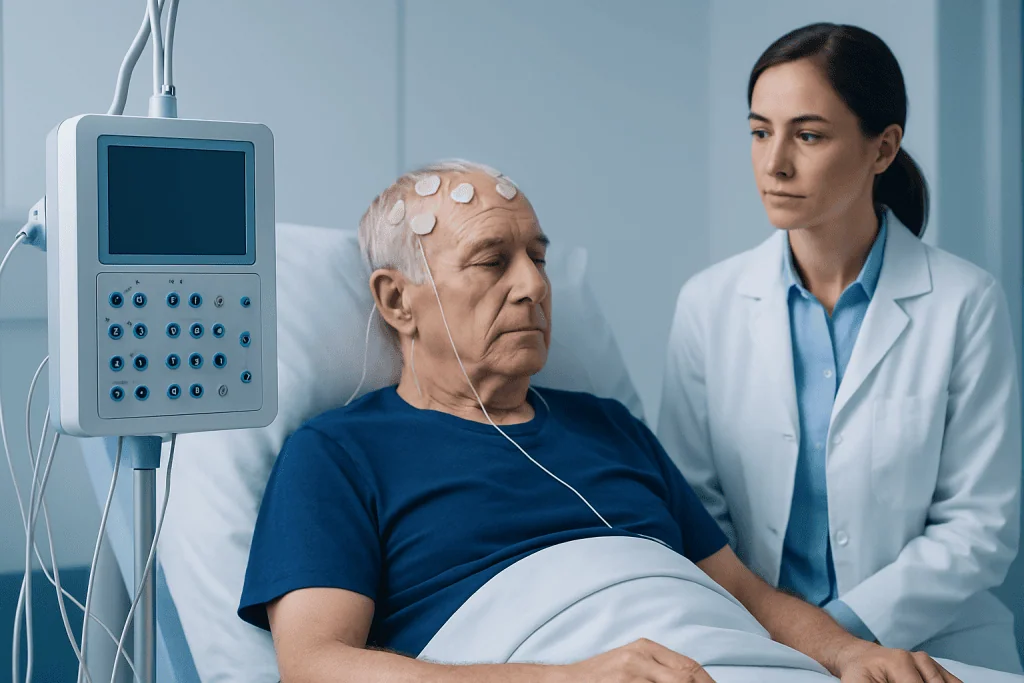
The most obvious symptom is excessive daytime sleepiness, meaning an unusual tendency to doze off or feel difficult-to-control drowsiness during waking hours. Some people describe feeling unrefreshed after a full night’s sleep, needing frequent naps, or losing concentration during quiet activities such as watching television or reading. Others may become irritable, slower in thinking, or less interested in social and physical activities.
Nighttime symptoms can provide important clues. These may include loud snoring, witnessed pauses in breathing, choking or gasping during sleep, frequent awakenings, restless legs, repeated limb movements, vivid dreams, acting out dreams, sleepwalking, or confusion after waking. Some older adults also have a disrupted body clock, causing very early evening sleepiness and waking long before dawn.
Symptoms that deserve timely medical attention include sudden sleep attacks, morning headaches, memory decline that seems worse after poor sleep, nighttime injuries, new falls, or daytime drowsiness while driving. Family members and caregivers often notice changes before the person does, so their observations can be very helpful during assessment.
- Persistent sleepiness despite adequate time in bed
- Loud snoring or breathing pauses during sleep
- Dream enactment, kicking, shouting, or falling from bed
- Restless or uncomfortable legs at night
- Decline in attention, memory, mood, or balance
Causes and risk factors

There is no single cause of daytime sleepiness in later life. A common reason is poor-quality sleep from conditions such as obstructive sleep apnea, in which breathing repeatedly narrows or stops during sleep. This leads to brief arousals that the person may not remember, leaving sleep fragmented and unrefreshing. Sleep apnea becomes more common with age and may coexist with heart disease, obesity, stroke, or memory problems.
Neurological disorders can directly affect sleep. Parkinsonian conditions, Parkinson's disease, dementia, prior stroke, neuropathy, and some seizure disorders may alter sleep architecture, circadian rhythms, or nighttime movement. REM sleep behavior disorder, in which people physically act out dreams, is especially important because it can be associated with certain neurodegenerative conditions. Restless legs syndrome and periodic limb movement disorder may also disturb sleep and cause daytime fatigue.
Medications are another major factor. Sedatives, some pain medicines, antihistamines, certain antidepressants, anti-anxiety medicines, and some drugs used for bladder symptoms or blood pressure can increase drowsiness or disrupt normal sleep. Alcohol, untreated depression or anxiety, chronic pain, heart failure, lung disease, urinary frequency, and thyroid disorders can all contribute as well. Often, sleepiness results from several overlapping causes rather than one isolated problem.
How doctors evaluate daytime sleepiness
Evaluation begins with a detailed history. A doctor will usually ask about bedtime habits, snoring, awakenings, leg sensations, dream enactment, napping, medications, caffeine and alcohol use, and how sleepiness affects daytime function. A bed partner or caregiver can often provide valuable information, especially if breathing pauses, confusion, or nighttime behaviors are occurring.
A physical and neurological examination helps look for signs that point to a specific cause. The doctor may assess memory, attention, strength, movement, gait, and balance, and may also look at the airway, heart, lungs, and blood pressure. In many cases, reviewing all prescription medicines, over-the-counter products, and supplements is just as important as the examination itself.
Testing is selected according to the symptoms. Sleep studies may be recommended to evaluate sleep apnea, abnormal movements, or unusual behaviors during sleep. Depending on the situation, a doctor might suggest a sleep study called polysomnography, blood tests for anemia or thyroid problems, or imaging if a new neurological issue is suspected. If seizures, syncope, or another brain-related cause is possible, additional neurological assessment may be needed.
Treatment options
Treatment depends on the underlying cause, and many people improve when the main problem is addressed. If a medication is contributing to drowsiness, a doctor may adjust the timing, dose, or choice of drug. If poor sleep habits are a factor, regular sleep and wake times, limiting long daytime naps, reducing alcohol, and improving light exposure during the day may help restore a healthier sleep pattern.
When obstructive sleep apnea is diagnosed, targeted treatment can improve both nighttime breathing and daytime alertness. This may include weight management when appropriate, positional strategies, oral devices in selected cases, or sleep apnea treatment such as positive airway pressure. Treating sleep apnea may also support heart health, concentration, and overall function in older adults.
Other disorders require condition-specific care. Restless legs syndrome may improve when iron deficiency is corrected or other triggers are addressed. REM sleep behavior disorder may call for safety measures and specialist guidance. If sleep problems are linked with a neurological disease, treatment may include a broader plan that addresses movement symptoms, cognition, mood, or circulation, such as care related to stroke treatment when relevant. In more complex cases, multidisciplinary evaluation can be useful; near the end of the care pathway, older adults and families may seek centers such as Acibadem International, where multidisciplinary specialists in JCI-accredited hospitals diagnose and treat neurological and sleep-related conditions for international patients.
Prevention and self-care
Not every sleep disorder can be prevented, but healthy sleep practices can reduce symptoms and support better daytime energy. A consistent routine is one of the most helpful steps. Going to bed and waking up at similar times, getting regular daytime activity, and spending time in natural daylight can strengthen the body’s sleep-wake rhythm. Bedrooms should be quiet, dark, comfortable, and used mainly for sleep.
Older adults may also benefit from reviewing common sleep disruptors. These include late caffeine, alcohol close to bedtime, heavy evening meals, and long or late naps. Managing pain, constipation, nighttime urination, and nasal congestion can also improve sleep continuity. Family members can help by noticing snoring, unusual movements, or confusion at night and reporting these observations to a clinician.
Self-care should never replace professional evaluation if symptoms are persistent or worsening. Daytime sleepiness can reflect a treatable medical issue rather than a lifestyle problem alone. A careful review is especially worthwhile when sleepiness appears alongside cognitive changes, dementia symptoms, depression, tremor, or new balance difficulties.
When to see a doctor
Medical advice is appropriate when daytime sleepiness lasts more than a few weeks, becomes more frequent, or interferes with daily life. A doctor should also evaluate sleepiness that appears suddenly, follows a medication change, or is accompanied by confusion, headaches, memory decline, or mood changes. For older adults, even mild sleepiness can matter if it contributes to falls or limits independence.
Urgent evaluation is important if there are episodes of stopping breathing during sleep, choking at night, sudden weakness, fainting, possible seizures, or severe changes in behavior. Dream enactment with injury risk, repeated falling out of bed, and drowsiness while driving or during meals should also not be ignored. These symptoms may signal a sleep disorder, a neurological condition, or another medical problem that deserves timely assessment.
Families and caregivers play an important role because many nighttime symptoms are not remembered by the person affected. Bringing a symptom diary, medication list, and observations about sleep patterns to the appointment can make the evaluation more efficient and accurate. Early attention often leads to simpler treatment and better day-to-day function.
Frequently asked questions
Is daytime sleepiness a normal part of aging?
Milder changes in sleep timing and sleep depth are common with age, but significant daytime sleepiness is not something that should automatically be considered normal. If an older adult regularly dozes off, feels unrefreshed, or struggles to stay alert, a medical review is worthwhile.
What neurological conditions can affect sleep in older adults?
Several neurological conditions can disturb sleep, including Parkinson's disease, dementia, prior stroke, neuropathy, and some seizure disorders. These conditions may alter sleep quality, breathing, movement during sleep, or the body's internal clock.
How is a sleep disorder diagnosed in an older adult?
Diagnosis usually starts with a detailed sleep and medical history, a medication review, and a physical and neurological examination. If needed, a doctor may request a sleep study, blood tests, or other neurological tests depending on the symptoms.
Can medications cause excessive daytime sleepiness?
Yes. Sedatives, some pain medicines, antihistamines, anti-anxiety drugs, and several other medications can contribute to drowsiness or poor sleep quality. Older adults are often more sensitive to these effects, so medication review is a key part of evaluation.
What is the connection between sleep apnea and daytime fatigue?
Sleep apnea repeatedly interrupts breathing during sleep, causing brief awakenings that fragment rest even if the person does not remember them. As a result, sleep may feel unrefreshing and lead to daytime sleepiness, concentration problems, and morning headaches.
When should a family member encourage an older adult to seek care?
Families should encourage evaluation when they notice loud snoring, breathing pauses, dream enactment, sudden sleep episodes, repeated falls, or changes in memory and alertness. Caregivers often observe nighttime symptoms that the person affected does not recall.
References
- National Institute on Aging
- American Academy of Sleep Medicine
- National Institute of Neurological Disorders and Stroke
- American Academy of Neurology
- Centers for Disease Control and Prevention
This article is for general information only and is not a substitute for professional medical advice. Please consult a qualified doctor about your individual situation.
Explore treatments in Turkey — costs, top hospitals & a free quote
JCI-accredited · board-certified surgeons · reply within 24h
Add us as a Preferred Source to see more of our trusted health content across Google Search, AI Overviews and Discover.
Check your numbers in seconds
BMI, calories, due date, blood pressure and 30+ more clinical calculators — free, instant, doctor-reviewed ranges.