Occipital Lobe Function: How the Brain Processes Vision
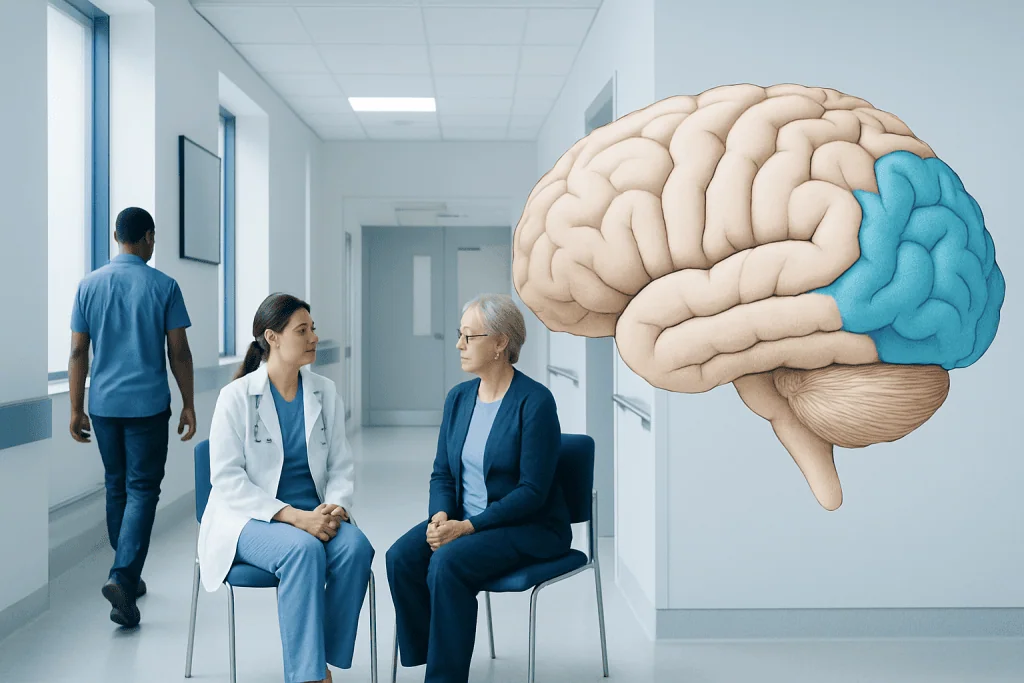
The occipital lobe is located at the back of the brain and plays a central role in vision. It helps interpret visual signals such as color, motion, edges, patterns, and written symbols.
Key Takeaways
- The occipital lobe is located at the back of the brain and plays a central role in vision.
- It helps interpret visual signals such as color, motion, edges, patterns, and written symbols.
- Problems affecting the occipital lobe can lead to vision changes even when the eyes themselves are healthy.
- Stroke, head injury, tumors, seizures, and infections can affect occipital lobe function.
- Diagnosis often involves a neurological exam, eye assessment, and brain imaging such as MRI or CT.
- Treatment depends on the cause and may include medication, rehabilitation, surgery, or urgent emergency care.
The occipital lobe is the part of the brain mainly responsible for processing visual information. It helps turn light signals from the eyes into meaningful images, including color, shape, movement, and patterns.
Overview of the Occipital Lobe
The occipital lobe is one of the four main lobes of the cerebral cortex. It sits at the back of the head and is best known as the brain’s main visual processing area. Although the eyes collect light and send signals forward through the optic nerves, it is the occipital lobe that helps the brain make sense of what is seen.
Occipital lobe function includes receiving and organizing visual input from both eyes. This visual information travels through pathways in the brain and reaches the occipital cortex, where basic features such as contrast, lines, edges, and movement begin to be interpreted. From there, the information is shared with other brain regions that help recognize faces, objects, locations, and words.
In simple terms, healthy vision depends on both the eyes and the brain working together. A person may have normal eye structures but still experience visual problems if the occipital lobe is affected. This is why doctors sometimes evaluate the brain as well as the eyes when unexplained vision changes occur.
How the Occipital Lobe Processes Vision
Visual processing begins when light enters the eyes and is converted into nerve signals by the retina. These signals travel through the optic nerves, pass through visual relay pathways, and reach the primary visual cortex in the occipital lobe. The primary visual cortex helps map what is seen, including the position of objects in the visual field.
After this first stage, neighboring visual areas perform more specialized tasks. Some areas help interpret color, while others help identify movement, shape, depth, and orientation. This cooperation allows a person to recognize a familiar face, judge the speed of a moving car, or read letters on a page. Visual understanding is therefore not a single action, but a coordinated process involving many connected brain circuits.
The occipital lobe also works closely with the parietal and temporal lobes. Visual information moving toward the parietal lobe helps with spatial awareness and guiding actions, while pathways toward the temporal lobe support recognition of people and objects. Because of these connections, damage to the occipital region can affect more than basic eyesight alone.
- Primary visual cortex: receives the first detailed visual signals
- Secondary visual areas: analyze color, motion, depth, and patterns
- Connected pathways: support reading, recognition, and visual-spatial awareness
Signs and Symptoms of Occipital Lobe Problems

Symptoms related to the occipital lobe often involve changes in vision, but they may not feel the same as common eye problems. A person may notice blind spots, difficulty seeing one side of the visual field, trouble identifying objects, distorted shapes, or problems judging movement. Some people describe flashing lights, visual hallucinations, or unusual colors and patterns, especially if seizures are involved.
Depending on the exact area affected, symptoms can vary widely. Injury to one side of the occipital lobe may cause vision loss in the opposite side of the visual field. Other problems may include difficulty reading, trouble recognizing familiar faces, or feeling disoriented in visually busy environments. These symptoms can be sudden or gradual, depending on the cause.
Not every visual symptom is caused by the occipital lobe, and not every occipital lobe problem causes complete vision loss. Because the visual system is complex, doctors often consider both eye disorders and neurological causes. Conditions such as stroke or brain tumor may affect the occipital region and lead to noticeable visual changes.
Causes and Risk Factors
Several medical conditions can affect occipital lobe function. One important cause is reduced blood flow to the brain, as may happen during a stroke. Head trauma can also injure the occipital region, especially after a fall, traffic accident, or sports injury. Infections, inflammation, and lack of oxygen can damage sensitive brain tissue as well.
Growths within or near the occipital lobe, including tumors, may disrupt visual pathways. Seizure disorders can briefly alter the way visual signals are processed, leading to flashing lights or visual distortions. Less commonly, certain neurodegenerative conditions or congenital brain abnormalities may contribute to long-term changes in visual perception.
Risk factors depend on the underlying cause. For example, vascular risk factors such as high blood pressure, diabetes, high cholesterol, and smoking increase the risk of stroke. Falls and contact sports may raise the chance of head injury. A personal history of seizures, cancer, or serious infections can also shape a person’s risk profile. Understanding the cause is important because treatment is directed at the underlying problem rather than the symptom alone.
How Doctors Diagnose Occipital Lobe Conditions
Diagnosis usually starts with a careful discussion of symptoms and a neurological examination. The doctor may ask when the symptoms began, whether they were sudden or gradual, and whether they involve one side of vision, flashing lights, headaches, confusion, or weakness. A detailed history helps distinguish possible brain-related causes from eye conditions.
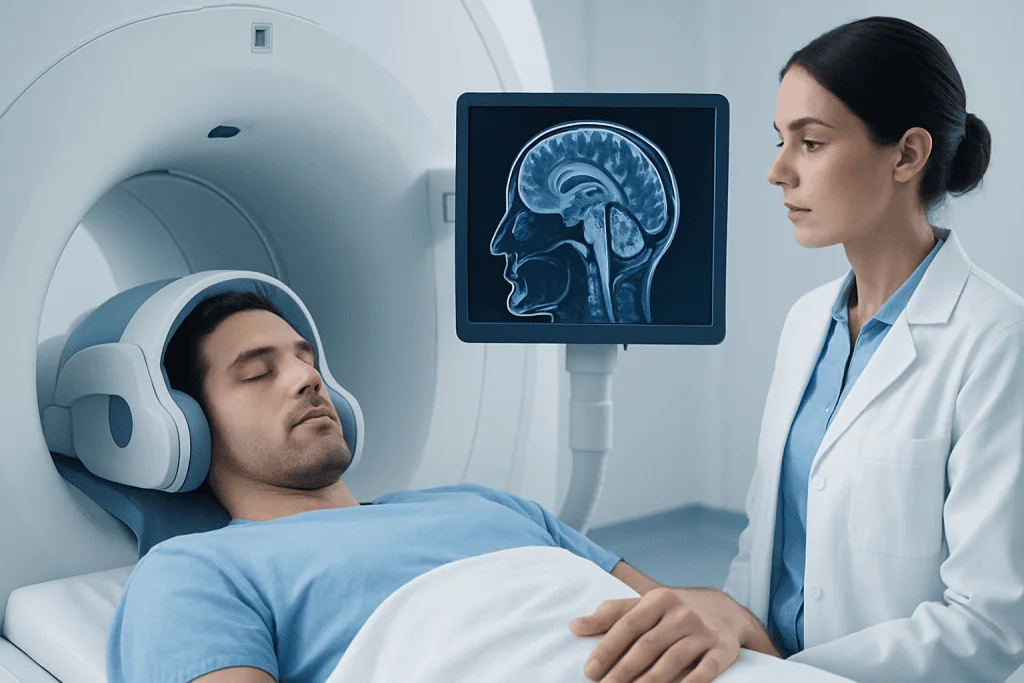
Testing often includes an eye examination and visual field assessment to check for blind areas or reduced peripheral vision. If a brain problem is suspected, imaging studies such as CT or MRI are commonly used to look for bleeding, stroke, tumors, inflammation, or structural changes. In some cases, an EEG may be recommended if seizure activity is a concern.
Additional blood tests or specialist consultations may be needed depending on the suspected cause. Neurologists, neuro-ophthalmologists, neurosurgeons, and rehabilitation experts may all play a role. Accurate diagnosis is especially important because some causes, such as stroke or acute bleeding, require urgent treatment.
Treatment Options and Recovery
Treatment for occipital lobe dysfunction depends entirely on what is causing it. If symptoms are due to stroke, emergency evaluation is essential and treatment focuses on restoring or protecting brain blood flow as quickly as possible. If seizures are responsible, anti-seizure treatment may help control episodes and reduce recurring visual symptoms. Infections or inflammation may require targeted medicines.
When a structural problem is found, treatment may involve procedures or surgery. For example, a suspicious mass may be assessed through brain tumor surgery if specialists determine that an operation is appropriate. If pressure on the brain or bleeding is present, urgent neurosurgical care may be necessary. Rehabilitation can also be an important part of recovery, especially after stroke or traumatic brain injury.
Recovery varies from person to person. Some visual changes improve over time as swelling decreases or the brain adapts, while others may persist and require long-term coping strategies. Visual rehabilitation, occupational therapy, and practical adjustments at home can help improve independence and safety. Near the end of the care pathway, multidisciplinary teams such as those at Acibadem International’s JCI-accredited hospitals may support diagnosis and treatment planning for international patients with complex neurological and visual symptoms.
Prevention, Self-care, and When to Seek Medical Help
Not all occipital lobe problems can be prevented, but many underlying causes can be addressed. Protecting overall brain and vascular health is important. This includes managing blood pressure, blood sugar, and cholesterol, avoiding smoking, wearing seat belts and helmets when appropriate, and following medical advice for seizure disorders or other chronic conditions.
Self-care after an occipital lobe injury or illness often focuses on safety and adaptation. Good lighting, reduced clutter, large-print reading materials, and avoiding driving until medically cleared may help. People with visual field loss may benefit from training exercises, rehabilitation programs, and support from family members. If symptoms are linked to a known neurological condition, regular follow-up is important.
Immediate medical attention is needed for sudden vision loss, new blind spots, confusion, weakness, severe headache, head trauma, or first-time seizure symptoms. These can signal emergencies such as stroke treatment needs or brain bleeding. Prompt assessment can make a major difference in outcome, so new or worsening visual symptoms should never be ignored.
Frequently asked questions
What does the occipital lobe do?
The occipital lobe mainly processes visual information. It helps the brain interpret signals from the eyes so a person can recognize color, shape, motion, patterns, and written symbols.
Can occipital lobe problems affect vision even if the eyes are healthy?
Yes. A person can have healthy eyes but still develop visual symptoms if the brain’s visual processing areas are affected. This is because seeing depends on both the eyes collecting information and the brain correctly interpreting it.
What are common symptoms of occipital lobe damage?
Symptoms can include blind spots, loss of vision on one side, trouble recognizing objects, visual distortions, flashing lights, or difficulty reading. The exact symptoms depend on which part of the occipital lobe is involved and what caused the problem.
What causes occipital lobe damage?
Possible causes include stroke, head injury, seizures, tumors, infections, inflammation, and reduced oxygen supply to the brain. Some conditions appear suddenly, while others develop gradually over time.
How is an occipital lobe problem diagnosed?
Doctors usually combine a medical history, neurological exam, and visual assessment. Brain imaging such as CT or MRI is often used to identify the cause and guide treatment.
Can the occipital lobe recover after injury?
Some people improve significantly, especially when the underlying cause is treated quickly. Recovery depends on the extent of the damage, the cause, and whether rehabilitation is started when needed.
References
- National Institute of Neurological Disorders and Stroke
- National Eye Institute
- American Stroke Association
- Mayo Clinic
- Cleveland Clinic
This article is for general information only and is not a substitute for professional medical advice. Please consult a qualified doctor about your individual situation.
Explore treatments in Turkey — costs, top hospitals & a free quote
JCI-accredited · board-certified surgeons · reply within 24h
Add us as a Preferred Source to see more of our trusted health content across Google Search, AI Overviews and Discover.

More from the Health Library



Related Specialists

Dr. Halise Akgüneş
Emergency Service
Dr. Emel Eskitaşçıoğlu
Anesthesiology
Assoc. Prof. Dr. Emine Karabük
Gynecology & Obstetrics
Prof. Dr. V. Melih Kara
General Surgery