How Chemotherapy Is Given: Infusions, Cycles, Ports, and What to Expect
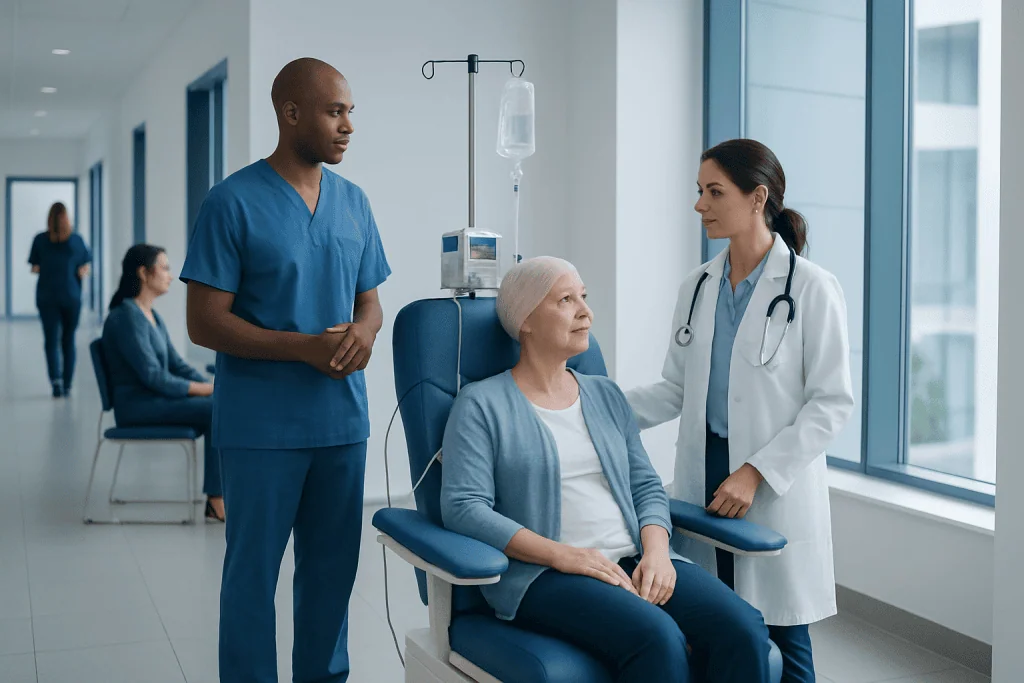
Chemotherapy is commonly given by IV infusion, but it may also be taken by mouth, injected, or delivered in other ways depending on the cancer and treatment plan. Treatment is usually organized into cycles, with rest periods between sessions to allow the body to recover.
Key Takeaways
- Chemotherapy is commonly given by IV infusion, but it may also be taken by mouth, injected, or delivered in other ways depending on the cancer and treatment plan.
- Treatment is usually organized into cycles, with rest periods between sessions to allow the body to recover.
- A port is a small device placed under the skin that can make repeated blood draws and IV treatments easier and more comfortable.
- Side effects vary widely and are monitored closely; supportive medicines and care can often help.
- Patients should contact their care team promptly for fever, breathing problems, severe vomiting, dehydration, or other concerning symptoms.
Chemotherapy can be given in several ways, most often through an intravenous infusion in repeating treatment cycles. Understanding how chemotherapy is delivered, why ports may be used, and what typically happens before, during, and after treatment can help patients feel more prepared.
Overview: how chemotherapy is given
Chemotherapy is a cancer treatment that uses medicines to destroy cancer cells, slow their growth, or reduce the chance of cancer returning. It may be used alone or together with other treatments such as surgery, radiation therapy, immunotherapy, or targeted therapy. The exact plan depends on the type of cancer, its stage, the goals of treatment, and the patient’s overall health.
Many people think of chemotherapy as a drip in an infusion center, and this is a common method. However, chemotherapy can also be given as tablets or capsules, an injection under the skin or into a muscle, or directly into a specific part of the body in selected situations. For some people, treatment is given with medical oncology care as part of a broader cancer plan.
Chemotherapy is usually not given continuously every day. Instead, it is organized into cycles. A cycle means a treatment period followed by a rest period. This schedule helps the medicines work while giving healthy cells time to recover. Knowing the basic structure of treatment often helps patients feel more informed and less uncertain before starting.
Common ways chemotherapy is delivered
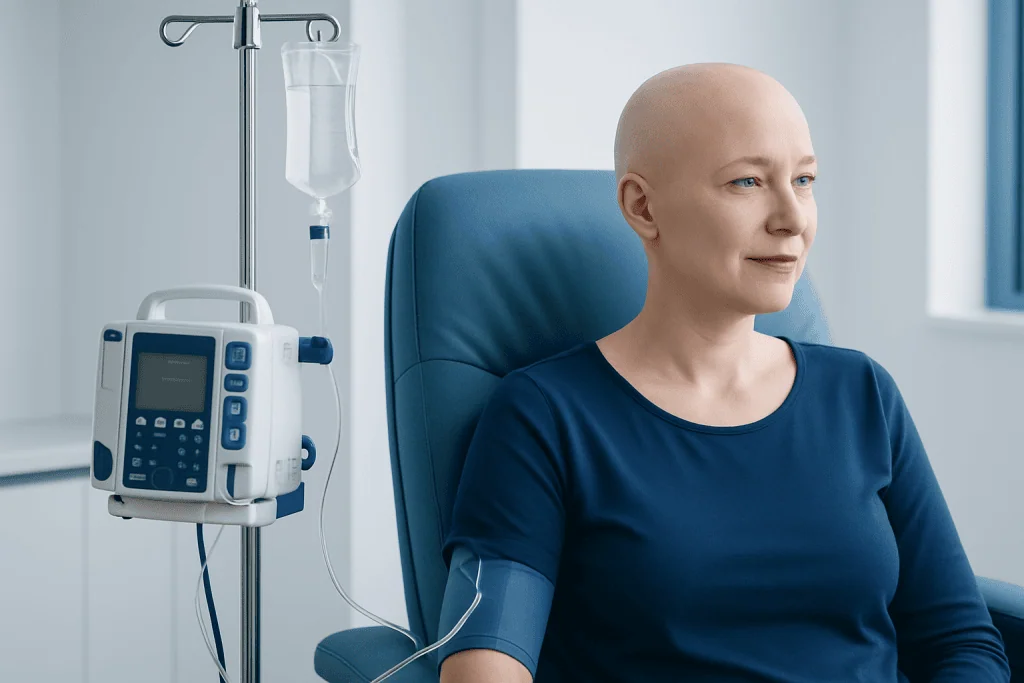
Intravenous, or IV, chemotherapy is one of the most common forms of chemotherapy administration. The medicine is delivered directly into a vein through a small cannula in the hand or arm, a longer-term central line, or an implanted port. Some infusions take less than an hour, while others may last several hours, depending on the medicines used.
Oral chemotherapy is taken by mouth as tablets, capsules, or liquid medicine. Even though it is taken at home, it is still a strong cancer treatment and needs careful timing, storage, and follow-up. Patients should take it exactly as prescribed and report any missed doses or side effects to their cancer team.
Other routes are used in specific cases. Chemotherapy may be given as an injection under the skin, into a muscle, into the spinal fluid, or directly into an organ or body cavity. In some situations, it is part of care for cancer that needs a more targeted delivery approach. The oncology team explains why a certain route is chosen and what the patient can expect from it.
- IV infusion through a vein
- Oral chemotherapy taken at home
- Injection under the skin or into a muscle
- Delivery through a central line or implanted port
- Specialized delivery into a specific body area when needed
What treatment cycles mean
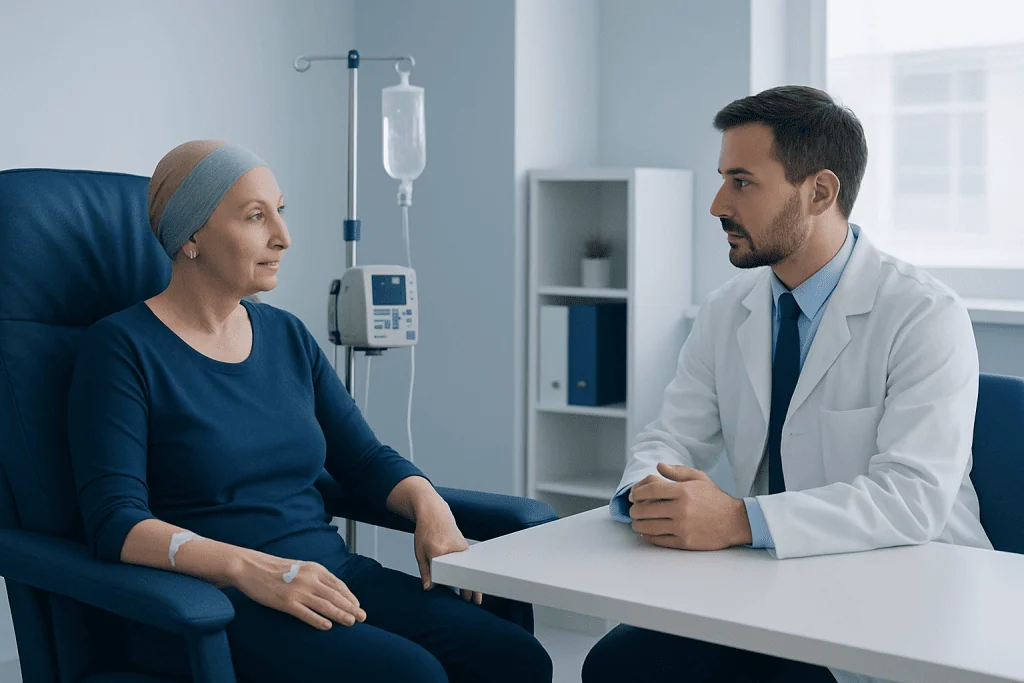
Chemotherapy is usually given in cycles because cancer medicines affect both cancer cells and some healthy fast-growing cells. Rest days or rest weeks between treatments allow the body time to recover, especially the bone marrow, digestive tract, and hair follicles. A cycle might be one treatment day every few weeks, several treatment days in a row followed by a break, or another schedule designed for the specific cancer type.
The number of cycles varies. Some people receive chemotherapy before surgery to shrink a tumor, after surgery to lower recurrence risk, or for advanced cancer to control disease and symptoms. Blood tests, physical exams, and sometimes scans are used during treatment to check how the body is tolerating chemotherapy and how well it is working.
Sometimes a cycle is delayed or the dose is adjusted. This does not always mean treatment is failing. Common reasons include low blood counts, infection, side effects, or the need for extra recovery time. The care team aims to keep treatment effective while also protecting the patient’s safety and well-being.
Ports, central lines, and why they may be used
A port, sometimes called a port-a-cath, is a small device placed under the skin, usually in the chest. It connects to a thin tube that enters a large vein. A nurse can access the port with a special needle for blood tests, IV fluids, and chemotherapy. Ports are often recommended when treatment will be repeated over many weeks or months, or when the medicines could irritate smaller veins.
Other types of central venous access devices include PICC lines and tunneled central lines. The best option depends on the treatment plan, vein quality, expected duration of therapy, and personal needs. These devices can make treatment more comfortable by reducing repeated needle sticks in the arms and helping deliver medicines more reliably.
Ports and central lines require proper care to reduce infection or blockage risk. Patients are usually taught how the device will be cleaned, flushed, and monitored. They should tell their team about redness, swelling, pain, fever, leakage, or difficulty flushing the line. If a person is also receiving chemotherapy over a longer period, a port can be a practical part of that care plan.
What to expect before, during, and after an infusion
Before each session, the oncology team usually reviews symptoms, checks temperature and blood pressure, and orders blood tests. These tests help confirm that blood counts, liver function, kidney function, and other measures are at safe levels for treatment. Some patients receive medicines beforehand to help prevent nausea or allergic reactions.
During the infusion, the patient sits or lies comfortably while the medicine is given through the IV line or port. Nurses monitor for side effects such as flushing, rash, chills, shortness of breath, pain at the infusion site, or dizziness. Many people bring water, a snack if allowed, a book, music, or a companion for support during longer appointments.
After treatment, some patients feel well enough to go about their usual day, while others feel tired, queasy, or emotionally drained. Common short-term side effects may include fatigue, nausea, appetite changes, constipation, diarrhea, mouth sores, or changes in taste. Not everyone loses their hair, and side effects depend greatly on the specific medicines used. The team explains what is common, what medicines may help, and which symptoms should prompt an urgent call.
In some centers, chemotherapy is coordinated with other services such as cancer screening follow-up, imaging, surgery planning, or supportive care. Clear communication with the treatment team can make each visit more manageable and help concerns be addressed early.
Possible side effects and how they are managed
Side effects happen because chemotherapy can affect some healthy cells as well as cancer cells. However, the experience is highly individual. Some people have mild side effects, while others need more active support. The oncology team plans treatment with both effectiveness and tolerability in mind and can often adjust care to improve comfort and safety.
Common side effects include fatigue, nausea, vomiting, mouth sores, diarrhea, constipation, reduced appetite, hair thinning or hair loss, numbness or tingling in the hands and feet, and low blood counts. Low white blood cells can increase infection risk, low red blood cells may cause tiredness or shortness of breath, and low platelets can increase bruising or bleeding. Some medicines may also affect the heart, kidneys, nerves, or fertility, so monitoring is important.
Supportive care may include anti-nausea medicines, pain relief, mouth care guidance, hydration, nutrition support, and medicines that help blood counts recover in selected cases. Patients should not hesitate to report symptoms early. Problems are often easier to manage when the team knows about them promptly rather than after they become severe.
- Take medicines exactly as instructed
- Drink enough fluids unless told otherwise
- Eat small, regular meals if appetite is low
- Rest, but include gentle activity if possible
- Keep a symptom diary between cycles
Self-care during chemotherapy
Daily self-care can make treatment easier to tolerate. Gentle activity, balanced nutrition, hydration, and regular sleep can support recovery between cycles. Good hand hygiene and avoiding close contact with people who are sick may help lower infection risk, especially when blood counts are low.
It is also important to protect emotional well-being. Many patients feel anxious before treatment starts or between scans and blood tests. Support from family, friends, counselors, support groups, or psycho-oncology services can be helpful. Practical planning, such as arranging transport, meal preparation, and help at home, can reduce stress during treatment.
Patients should check with their oncology team before taking vitamins, supplements, herbal products, or over-the-counter medicines, because some may interfere with treatment. It is also wise to ask about work, exercise, travel, dental care, vaccines, and sexual health. Near the end of treatment planning, some patients may seek care through centers such as Acibadem International, where multidisciplinary specialists in JCI-accredited hospitals diagnose and treat cancer for international patients.
When to contact the doctor urgently
Most side effects can be managed, but some symptoms need urgent medical advice. Patients should contact their oncology team promptly for fever, shaking chills, difficulty breathing, chest pain, severe weakness, confusion, uncontrolled vomiting, signs of dehydration, heavy bleeding, or severe diarrhea. A fever during chemotherapy can be especially important because it may be a sign of infection when white blood cell counts are low.
Urgent review is also important for redness, pain, swelling, or leakage around a port or IV site; a rash or swelling during infusion; very little urine; severe constipation; or sudden numbness or weakness. If the care team has given emergency contact instructions, those should be followed carefully, including after-hours guidance.
Patients should not wait until the next appointment if they feel something is seriously wrong. Early assessment can reduce complications and help treatment stay on track. If symptoms are severe or rapidly worsening, emergency medical care may be needed.
Frequently asked questions
How long does a chemotherapy infusion take?
The length of a chemotherapy infusion depends on the medicines being used and whether pre-treatment medicines are needed. Some infusions take less than an hour, while others may last several hours. The oncology team can explain the expected timing before each cycle begins.
Does everyone need a port for chemotherapy?
No. Some people can receive chemotherapy through a temporary IV in the arm, especially if treatment is short or the medicines are less irritating to veins. A port may be recommended when treatment is long-term, frequent, or more difficult to give through smaller veins.
What is the difference between a cycle and a session?
A session is a single treatment visit, such as one infusion appointment. A cycle includes that treatment period plus the planned recovery time before the next round begins. Cycles help balance treatment effectiveness with time for the body to recover.
Can chemotherapy be taken at home?
Yes, some chemotherapy medicines are taken by mouth at home. Even so, oral chemotherapy is still a strong cancer treatment and must be taken exactly as prescribed. Regular blood tests and follow-up visits are usually still needed.
Will chemotherapy always cause hair loss?
No, not all chemotherapy medicines cause hair loss, and some cause only thinning. The risk depends on the specific drugs, dose, and schedule. The oncology team can explain whether hair changes are likely with a particular treatment plan.
What should a patient bring to a chemotherapy appointment?
Many patients find it helpful to bring water, a light snack if permitted, a list of medicines, and something to read or listen to. Comfortable clothing is also useful, especially if a port or IV access is needed. It can help to bring a notebook for questions and side effects between visits.
References
- National Cancer Institute
- American Cancer Society
- Centers for Disease Control and Prevention
- European Society for Medical Oncology
- National Health Service
This article is for general information only and is not a substitute for professional medical advice. Please consult a qualified doctor about your individual situation.
Chemotherapy in Turkey — costs, top hospitals & a free quote
JCI-accredited · board-certified surgeons · reply within 24h
Add us as a Preferred Source to see more of our trusted health content across Google Search, AI Overviews and Discover.

Medical Oncology Department
Medical treatment of cancer with chemotherapy, immunotherapy and targeted therapies under a multidisciplinary tumor board.
60 specialists in this unit