Screening Colonoscopy: Who Needs It, When to Start, and How to Prepare
Screening colonoscopy can prevent colorectal cancer by finding and removing precancerous polyps. Most average-risk adults are advised to begin colorectal cancer screening at age 45.
Key Takeaways
- Screening colonoscopy can prevent colorectal cancer by finding and removing precancerous polyps.
- Most average-risk adults are advised to begin colorectal cancer screening at age 45.
- People with a family history, certain bowel diseases, or inherited syndromes may need earlier or more frequent colonoscopy.
- Good bowel preparation is essential because a clean colon helps the doctor see and remove polyps safely.
- A doctor can recommend the best screening schedule based on age, personal history, symptoms, and risk factors.
Screening colonoscopy is a preventive test that looks for polyps and early signs of colorectal cancer before symptoms appear. Knowing when to start, who needs earlier screening, and how to prepare can make the process smoother and more effective.
Overview
Screening colonoscopy is a test used to examine the inside of the large intestine, including the colon and rectum. It is performed with a thin, flexible tube that has a light and camera on the end. The main goal is prevention: doctors can find small growths called polyps and often remove them before they turn into cancer.
Unlike a colonoscopy done to investigate symptoms, a screening colonoscopy is performed in people who may feel completely well. This is important because colorectal cancer and polyps can develop silently for years. Detecting changes early can lead to simpler treatment and better outcomes.
Colonoscopy is considered one of the most effective forms of colorectal cancer screening because it can both detect and treat certain findings during the same procedure. If a polyp is seen, it can often be removed immediately and sent for laboratory testing.
Who Needs a Screening Colonoscopy and When to Start
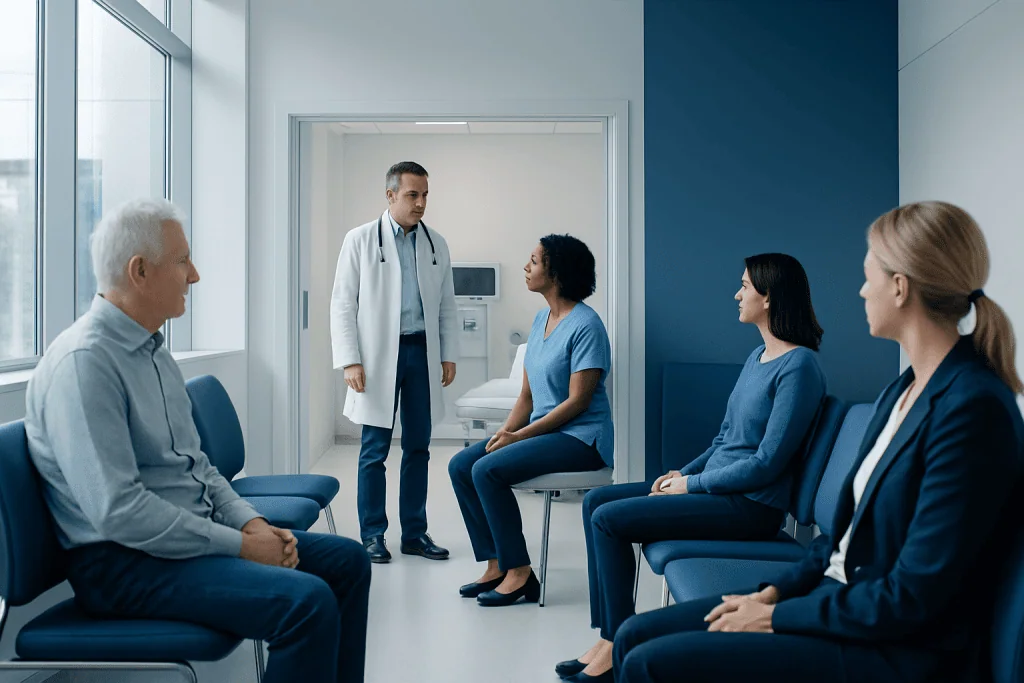
For adults at average risk, colorectal cancer screening generally begins at age 45. Average risk usually means there is no personal history of colorectal cancer or colon polyps, no inflammatory bowel disease, no strong family history, and no known inherited cancer syndrome. A doctor may recommend colonoscopy as the first option or discuss other approved screening tests.
Some people need screening earlier than age 45 or need it more often. This includes those with a first-degree relative, such as a parent, sibling, or child, who had colorectal cancer or advanced polyps, especially at a younger age. People with a personal history of polyps, prior colorectal cancer, or long-standing inflammatory bowel disease may also need closer follow-up.
Certain inherited conditions raise risk significantly and require special screening plans. These include familial adenomatous polyposis and Lynch syndrome. In these cases, screening may start much earlier and involve regular specialist care. Anyone unsure about their family history should discuss it with a doctor, because even a few details can change the recommended schedule.
Older adults may still benefit from screening, but the decision becomes more individualized with age. Overall health, previous screening results, and life expectancy all matter. A healthcare professional can help weigh the benefits and risks for each person.
Why Screening Matters
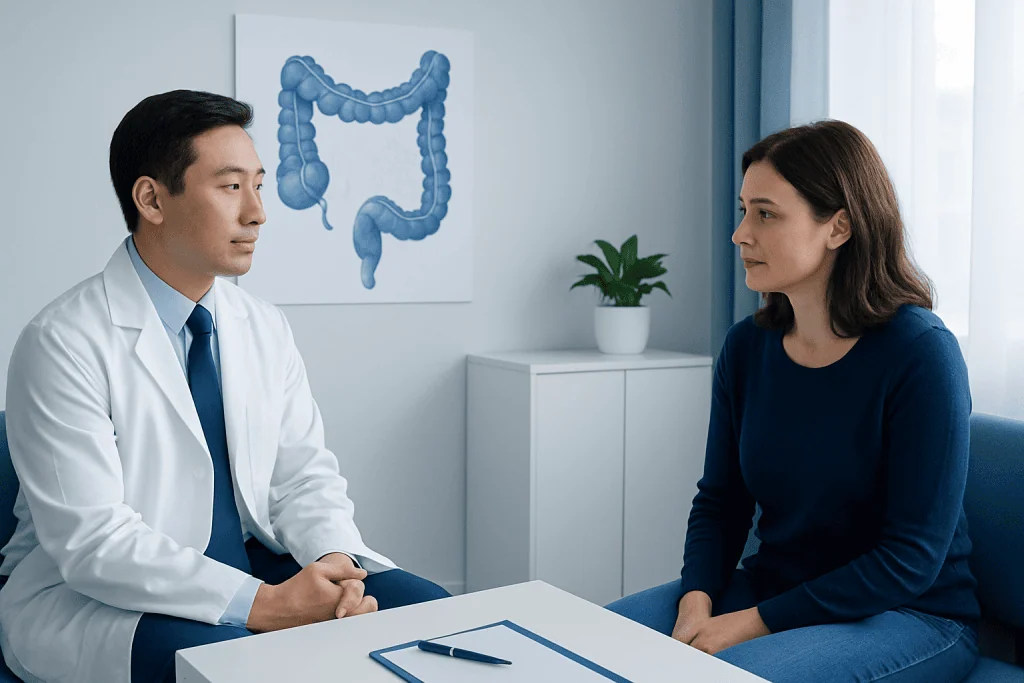
Screening matters because colorectal cancer often starts as a polyp. Not all polyps become cancer, but some types can slowly change over time. Colonoscopy gives doctors the chance to interrupt that process by removing polyps before they cause harm.
Another reason screening is valuable is that early colorectal cancer may not cause any symptoms. Waiting for warning signs such as bleeding, pain, or weight loss can mean the disease is more advanced by the time it is discovered. Preventive testing aims to find problems earlier, when treatment is often more straightforward.
Colonoscopy can also help explain abnormal findings from other tests, such as a positive stool-based screening test, unexplained iron-deficiency anemia, or visible blood in the stool. In some cases, it is used to evaluate conditions such as colon polyps or bowel symptoms that need a closer look.
- It can detect polyps, inflammation, bleeding sources, and cancer.
- It allows tissue samples, called biopsies, to be taken when needed.
- It can often remove polyps during the same procedure.
How to Prepare for a Colonoscopy
Preparation is one of the most important parts of screening colonoscopy. The colon needs to be as clean as possible so the doctor can see the lining clearly. If the bowel is not well prepared, small polyps can be missed and the test may need to be repeated sooner than expected.
Preparation usually starts a few days before the procedure with changes to diet and medications. Many people are advised to avoid foods with small seeds, nuts, or high fiber for a short time beforehand. The day before the colonoscopy, the diet is often limited to clear liquids, such as water, broth, plain tea, and certain juices without pulp. Specific instructions vary, so the healthcare team’s guidance should always be followed closely.
A bowel-cleansing solution is then taken to empty the colon. This is commonly done in split doses, with part taken the evening before and part on the day of the procedure. People who take blood thinners, diabetes medicines, or iron supplements should ask in advance how to manage them safely.
Because sedation is commonly used, patients usually need someone to accompany them home afterward. Wearing comfortable clothing and arranging a light schedule for the rest of the day can make recovery easier. If preparation instructions are unclear, it is best to ask questions before the appointment rather than guessing.
What Happens During the Procedure
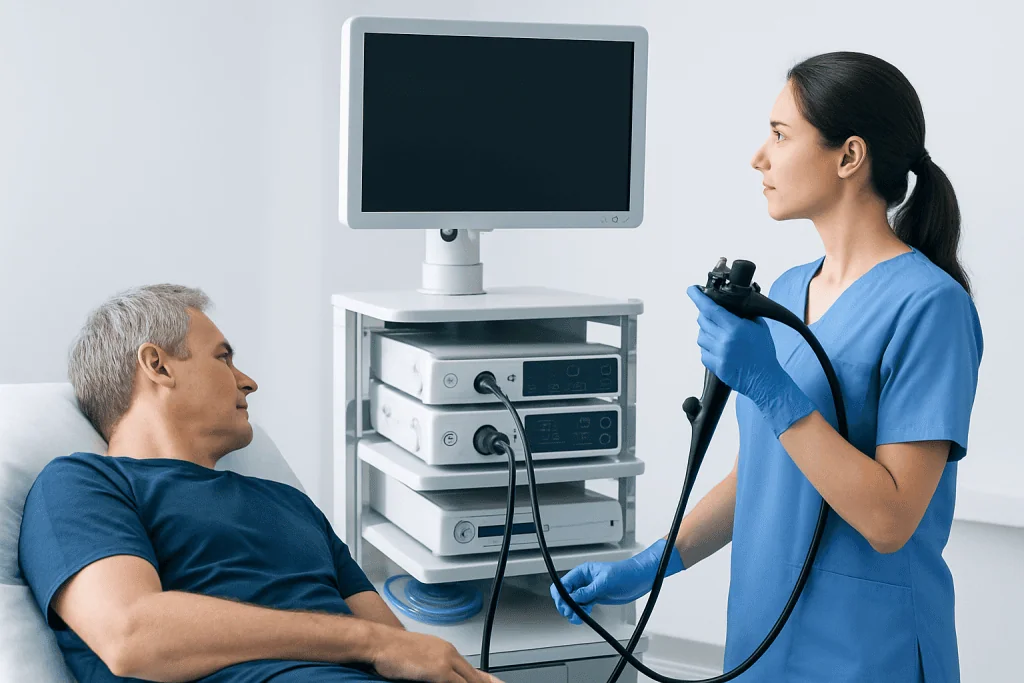
On the day of the colonoscopy, the patient changes into a gown and an intravenous line may be placed for fluids and sedation. The care team reviews medical history, allergies, and current medicines. After sedation is given, most people feel sleepy and comfortable, and many remember little or nothing about the procedure.
During the exam, the doctor gently guides the colonoscope through the rectum and colon. Air or carbon dioxide is used to expand the bowel slightly so the lining can be seen clearly. If a polyp is found, it can often be removed using special tools passed through the scope. Small tissue samples may also be taken if an area looks inflamed or unusual.
The procedure itself often takes less than an hour, although total visit time is longer because of check-in and recovery. Afterward, temporary bloating, gas, or mild cramping can happen as the air leaves the bowel. Serious complications are uncommon, but they can include bleeding, a reaction to sedation, or a tear in the colon wall. The medical team explains these risks before the test.
Results, Follow-Up, and Treatment Options
If the colonoscopy is normal and the person is at average risk, the next screening colonoscopy is often recommended in 10 years. If polyps are found, the follow-up interval depends on how many there were, their size, and what the laboratory report shows. Some people need repeat colonoscopy sooner because certain polyps carry a higher future risk.
If biopsies are taken, final results may take several days. When a large polyp or suspicious lesion is found, the doctor may recommend additional evaluation or treatment. Depending on the finding, management can range from surveillance to advanced endoscopic removal or surgery. In selected situations, doctors may discuss colonoscopy for ongoing surveillance, endoscopy-based evaluation, or colon cancer surgery if cancer is confirmed.
People who have symptoms such as rectal bleeding, a persistent change in bowel habits, unexplained anemia, or ongoing abdominal pain should not rely only on routine screening timelines. They may need a diagnostic evaluation sooner. This is also true for people with conditions like ulcerative colitis, which can affect long-term screening plans.
Prevention, Self-Care, and When to See a Doctor
Although screening is important, everyday habits also support colon health. A balanced diet rich in fruits, vegetables, legumes, and whole grains may help, along with regular physical activity, maintaining a healthy weight, avoiding tobacco, and limiting alcohol. These steps do not replace screening, but they can contribute to overall digestive and general health.
It is wise to see a doctor promptly if there is blood in the stool, black stools, ongoing constipation or diarrhea, unexplained weight loss, fatigue related to anemia, or abdominal pain that does not go away. These symptoms do not always mean cancer, but they deserve medical evaluation. A doctor can decide whether colonoscopy or another test is appropriate.
People with a family history of colorectal cancer or polyps should bring as much detail as possible to their appointment, including the relative’s age at diagnosis if known. This can help determine whether screening should begin earlier or happen more often. Near the end of the care pathway, patients seeking international care may also wish to know that Acibadem International’s multidisciplinary specialists and JCI-accredited hospitals diagnose and treat colorectal conditions for international patients.
For many people, the most helpful step is simply getting started with the conversation. Asking when screening should begin, what test is best, and how to prepare can make the process feel more manageable and less intimidating.
Frequently asked questions
Is screening colonoscopy only for people with symptoms?
No. Screening colonoscopy is designed for people who may feel well and have no symptoms at all. Its purpose is to find polyps or early cancer before problems develop.
At what age should most people start screening colonoscopy?
Most adults at average risk are advised to start colorectal cancer screening at age 45. However, some people may need earlier screening based on family history, medical conditions, or previous findings.
How often is a screening colonoscopy needed?
For many average-risk adults with a normal result, colonoscopy is repeated every 10 years. If polyps are found or a person has a higher risk, the interval may be shorter.
Is colonoscopy preparation really necessary?
Yes. Good bowel preparation is essential because it allows the doctor to see the colon lining clearly and detect small polyps. Incomplete preparation can reduce accuracy and may require the test to be repeated sooner.
Is a screening colonoscopy painful?
Most people receive sedation, so they are comfortable during the procedure and often remember very little. Some mild bloating or cramping can happen afterward, but it usually settles quickly.
What if polyps are found during the colonoscopy?
Many polyps can be removed during the same procedure. They are then sent to a laboratory to determine the type and whether any closer follow-up is needed.
Can a person choose another colorectal cancer screening test instead?
In some cases, yes. There are several approved colorectal cancer screening options, and a doctor can explain which is most suitable based on personal risk, preference, and access. If a non-colonoscopy screening test is abnormal, colonoscopy is usually needed to investigate further.
References
- World Health Organization
- American Cancer Society
- U.S. Preventive Services Task Force
- National Cancer Institute
- American Society for Gastrointestinal Endoscopy
This article is for general information only and is not a substitute for professional medical advice. Please consult a qualified doctor about your individual situation.
Persistent digestive symptoms? Get evaluated in Turkey
JCI-accredited · board-certified surgeons · reply within 24h
Add us as a Preferred Source to see more of our trusted health content across Google Search, AI Overviews and Discover.

More from the Health Library
Related Specialists

Dr. Doğaç Çağlar Gürbüz
Cardiology
Dr. Ertuğrul Tekçe
Radiation Oncology
Atilla Murat Ünver
Physical Medicine & Rehabilitation
Assoc. Prof. Dr. Tunay Erden
Orthopedic Surgery & Traumatology