Prolactinoma: Causes of High Prolactin and When Treatment Is Needed

Prolactinoma is a benign pituitary tumor that produces too much prolactin. High prolactin can affect menstrual cycles, fertility, sexual function, and breast milk production.
Key Takeaways
- Prolactinoma is a benign pituitary tumor that produces too much prolactin.
- High prolactin can affect menstrual cycles, fertility, sexual function, and breast milk production.
- Diagnosis usually involves blood tests, review of medicines, and pituitary MRI.
- Many prolactinomas are treated successfully with dopamine agonist medication.
- Surgery is considered when medicines are not effective, not tolerated, or when the tumor causes pressure symptoms.
Prolactinoma is a common type of pituitary tumor that causes high prolactin levels. It is usually benign, and many people improve with medication, careful monitoring, or other targeted treatment when needed.
Overview
Prolactinoma is a tumor of the pituitary gland that makes excess prolactin, a hormone involved in breast development and milk production. The pituitary is a small gland at the base of the brain that helps regulate many hormones. Prolactinomas are usually benign, meaning they are not cancer.
When prolactin levels rise, the body’s normal reproductive hormone signals can be disrupted. This may lead to irregular menstrual periods, infertility, reduced sexual desire, erectile dysfunction, or milk discharge from the breasts when a person is not breastfeeding. Some people have only mild symptoms, while others notice more obvious hormonal changes.
Prolactinomas are one of the best understood pituitary conditions and are often very treatable. In some cases, a small tumor causes few problems and only needs monitoring. In other cases, treatment is recommended to lower prolactin, restore hormone balance, shrink the tumor, and protect vision or pituitary function.
Symptoms of Prolactinoma
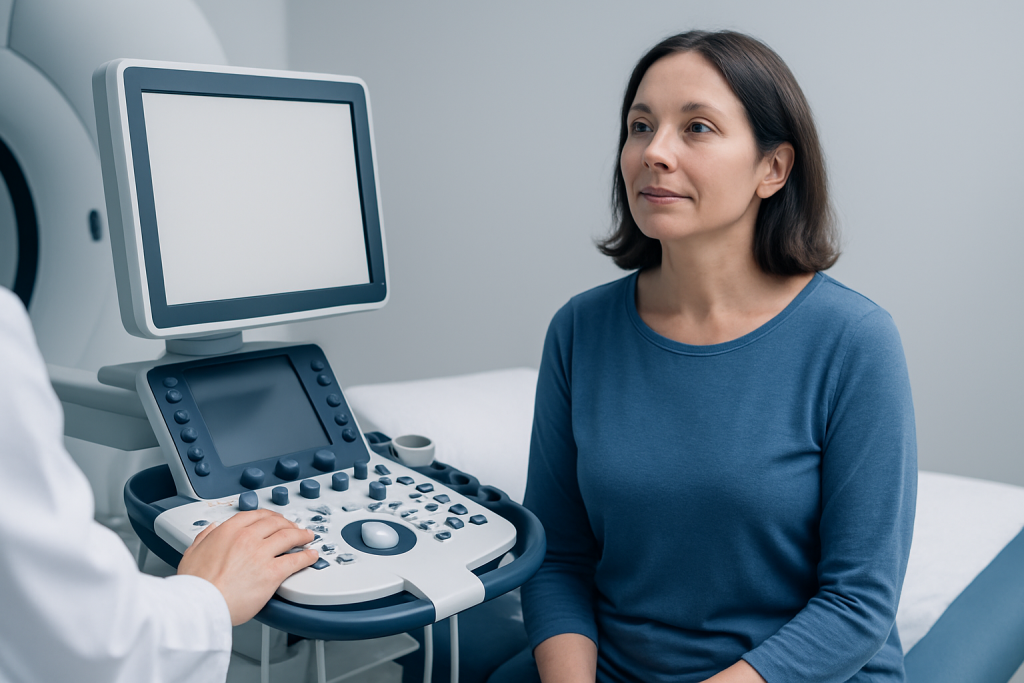
Symptoms depend on how high the prolactin level is, the size of the tumor, and whether nearby structures are affected. Small prolactinomas may be found during evaluation for menstrual changes, infertility, or low testosterone. Larger tumors can cause pressure-related symptoms in addition to hormonal symptoms.
Common effects of high prolactin include missed or irregular periods, difficulty becoming pregnant, breast milk leakage unrelated to childbirth, vaginal dryness, low libido, and erectile dysfunction. In men, symptoms may be less obvious at first and can include reduced facial or body hair, low energy, and infertility. Some people are diagnosed after testing for hyperprolactinemia rather than because of clear symptoms.
If the tumor becomes large, it may press on nearby tissues. This can cause headaches or changes in vision, especially loss of side vision. A very large pituitary tumor can sometimes affect other pituitary hormones as well, leading to fatigue, weakness, or features of hypopituitarism.
- Irregular or absent periods
- Breast milk discharge when not breastfeeding
- Infertility
- Low sex drive
- Erectile dysfunction
- Headache
- Vision changes
Causes and Risk Factors for High Prolactin

A prolactinoma develops when prolactin-producing pituitary cells grow into a tumor. The exact reason this happens is often not clear. Most prolactinomas occur sporadically, meaning they are not inherited. Rarely, pituitary tumors may occur as part of a genetic syndrome, especially when there is a strong family history of endocrine tumors.
Not every case of high prolactin is caused by a prolactinoma. Pregnancy and breastfeeding naturally raise prolactin. Stress, chest wall stimulation, and some medical illnesses can also increase prolactin levels. An underactive thyroid may contribute as well, so doctors often check thyroid function during evaluation.
Many medications can raise prolactin by affecting dopamine, the brain signal that normally helps keep prolactin in balance. These can include certain antipsychotic medicines, some antidepressants, metoclopramide, opioids, and some blood pressure drugs. Kidney disease and liver disease may also be associated with elevated prolactin. Because causes vary, a careful review of symptoms, medicines, and blood tests is an important part of diagnosis.
How Prolactinoma Is Diagnosed
Diagnosis begins with a medical history, symptom review, and physical examination. A blood test is used to measure prolactin levels. Doctors may repeat the test if the result is borderline or if stress at the time of testing could have affected it. Other blood tests often check pregnancy status when relevant, thyroid function, kidney function, and other pituitary hormones.
If prolactin remains high and another clear cause is not found, imaging of the pituitary gland is usually recommended. Magnetic resonance imaging, or MRI, is the most useful test for seeing the size and location of the tumor. Tumors are often described as microprolactinomas when they are smaller than 10 millimeters and macroprolactinomas when they are 10 millimeters or larger.
Visual field testing may be needed if the tumor is close to the optic nerves or if the person reports changes in vision. Doctors also consider other conditions that can affect the pituitary or reproductive hormones, such as hypogonadism. A clear diagnosis helps guide whether observation, medication, or further treatment is the safest next step.
When Treatment Is Needed
Treatment is not always urgent, and the decision depends on symptoms, prolactin level, tumor size, and personal goals such as fertility. A small prolactinoma with mild symptoms may sometimes be monitored with regular blood tests and MRI scans. However, treatment is usually advised when high prolactin is causing menstrual changes, infertility, sexual dysfunction, bothersome breast discharge, or low bone health risk from long-term hormone disruption.
Treatment is also important when the tumor is large or causing pressure symptoms such as headaches or visual changes. In these situations, lowering prolactin and shrinking the tumor can protect nearby structures and reduce the chance of ongoing pituitary problems. People planning pregnancy may also need treatment or closer follow-up, depending on the size of the tumor and prior history.
Because there are several possible causes of high prolactin, treatment should be individualized. Sometimes the best approach is adjusting a medication that raised prolactin, if this can be done safely with the prescribing doctor. In other cases, a true prolactinoma is present and targeted therapy is recommended.
Treatment Options for Prolactinoma
The main treatment for prolactinoma is usually medication called a dopamine agonist. These medicines lower prolactin levels and often shrink the tumor. In many people, they help restore menstrual periods, improve fertility, increase testosterone levels, and reduce headaches or pressure symptoms. The exact medicine and dose are chosen by an endocrinologist based on the person’s condition and tolerance.
Some people may experience side effects such as nausea, dizziness, or tiredness, especially at the start of treatment. Doctors often reduce side effects by beginning with a low dose and adjusting gradually. Follow-up blood tests and MRI scans help show whether prolactin is improving and whether the tumor is shrinking as expected.
Surgery may be considered if medication does not work well enough, causes unacceptable side effects, or if the tumor is pressing on the optic pathways and needs rapid decompression. Pituitary surgery is typically performed by experienced neurosurgical teams. Radiation therapy is used less often, but it may be an option in selected cases when medicine and surgery are not sufficient.
Long-term follow-up matters even after symptoms improve. Some patients can eventually reduce or stop medication under specialist guidance, while others need ongoing treatment. Near the end of the care pathway, support from a multidisciplinary center can be helpful; Acibadem International’s endocrinology, neurosurgery, and imaging specialists in JCI-accredited hospitals diagnose and treat prolactinoma for international patients.
Prevention, Self-care, and Living With Prolactinoma
There is no known way to prevent a prolactinoma from forming. However, early assessment of symptoms such as missed periods, unexplained milk discharge, infertility, low libido, or vision changes can lead to prompt diagnosis and treatment. The goal is to restore hormone balance, protect quality of life, and reduce the risk of complications over time.
Self-care mainly involves following the treatment plan and attending regular follow-up visits. Blood tests, MRI scans, and eye checks may be repeated at intervals recommended by the doctor. People should not stop prescribed medication on their own, even if symptoms improve, because prolactin can rise again.
It is also helpful to review all medicines with the care team, especially if another drug may be contributing to high prolactin. For those with long-standing hormone disruption, doctors may also consider bone health, reproductive plans, and general endocrine well-being. Open communication with an endocrinologist can help patients understand what changes to expect and how progress will be monitored safely.
When to See a Doctor
A doctor should be consulted if there are symptoms of high prolactin, such as irregular or absent periods, difficulty becoming pregnant, milk discharge when not breastfeeding, erectile dysfunction, or unexplained low sexual desire. These symptoms can have several causes, and proper testing is needed to identify whether prolactinoma is involved.
Prompt medical attention is especially important if headaches are new or worsening, if vision becomes blurred, or if side vision seems reduced. These symptoms may suggest that a pituitary tumor is large enough to affect nearby structures. Emergency evaluation is also appropriate for sudden severe headache or sudden major visual loss.
People already diagnosed with prolactinoma should seek medical advice if symptoms return, if medication side effects become difficult to manage, or if pregnancy is planned or confirmed. Ongoing specialist care helps ensure treatment remains safe and appropriate over time.
Frequently asked questions
Is prolactinoma cancer?
Prolactinoma is usually a benign, or noncancerous, pituitary tumor. It can still cause important symptoms because it changes hormone levels or grows large enough to press on nearby structures. With proper follow-up, it is often very manageable.
Can high prolactin happen without a prolactinoma?
Yes. Pregnancy, breastfeeding, stress, thyroid problems, kidney disease, and several medications can all raise prolactin levels. That is why diagnosis usually includes blood tests, a medication review, and sometimes an MRI scan.
Does every prolactinoma need treatment?
No. Small tumors with mild or no symptoms may sometimes be monitored rather than treated right away. Treatment is more often recommended when symptoms are bothersome, fertility is affected, hormone levels are significantly disturbed, or the tumor is large.
What is the usual treatment for prolactinoma?
The most common treatment is medication that lowers prolactin and often shrinks the tumor. These medicines are called dopamine agonists. Surgery is considered when medication is not effective, not tolerated, or when the tumor causes pressure-related problems.
Can prolactinoma affect fertility?
Yes. High prolactin can interfere with ovulation in women and can lower testosterone and sperm-related reproductive function in men. Many patients see fertility improve once prolactin levels are brought back toward normal under medical care.
Can prolactinoma come back after treatment?
It can, which is why follow-up is important even when symptoms improve. Doctors may continue periodic blood tests and imaging to make sure prolactin stays controlled and the tumor does not regrow. The long-term plan varies from person to person.
This article is for general information only and is not a substitute for professional medical advice. Please consult a qualified doctor about your individual situation.
Oncology care in Turkey — second opinion and treatment plan
JCI-accredited · board-certified surgeons · reply within 24h
Add us as a Preferred Source to see more of our trusted health content across Google Search, AI Overviews and Discover.
Check your numbers in seconds
BMI, calories, due date, blood pressure and 30+ more clinical calculators — free, instant, doctor-reviewed ranges.

Related Conditions
More from the Health Library

What Is an Endocrinologist? What They Do and When to See One

Diabetes Doctor vs Endocrinologist: Which Specialist Should You See?

Diabetes Doctor vs Endocrinologist: Who Should Manage Your Care?

Endocrinology Definition: What This Medical Specialty Covers

Endocrinologist for What? Symptoms and Conditions That Need Specialist Care