

What Is an Endocrinologist? What They Do and When to See One

An endocrinologist manages disorders related to hormones, metabolism, and endocrine glands. Common reasons to see one include diabetes, thyroid problems, osteoporosis, menstrual changes, and unexplained weight or energy changes.
Key Takeaways
- An endocrinologist manages disorders related to hormones, metabolism, and endocrine glands.
- Common reasons to see one include diabetes, thyroid problems, osteoporosis, menstrual changes, and unexplained weight or energy changes.
- Diagnosis often involves blood tests, urine tests, imaging, and a review of symptoms and medical history.
- Treatment may include lifestyle changes, medications, hormone replacement, monitoring, or referral for procedures when needed.
- Early specialist assessment can help prevent complications and improve long-term health.
An endocrinologist is a doctor who specializes in hormones and the glands that make them. They diagnose and treat conditions such as diabetes, thyroid disease, osteoporosis, and disorders of the adrenal, pituitary, and reproductive glands.
Overview: What Is an Endocrinologist?
An endocrinologist is a medical doctor who specializes in the endocrine system. This is the body’s network of glands and organs that make hormones, the chemical messengers that help control growth, energy use, blood sugar, metabolism, mood, reproduction, sleep, and many other functions. When hormone levels are too high, too low, or not responding properly, a wide range of symptoms can appear.
Endocrinologists diagnose and treat conditions involving glands such as the thyroid, pancreas, adrenal glands, pituitary gland, parathyroid glands, ovaries, and testes. Many people know endocrinologists for their role in diabetes care, but their work goes far beyond blood sugar. They also care for people with thyroid disease, bone and calcium disorders, menopause-related hormone concerns, fertility-related hormonal problems, and growth or puberty disorders.
Because hormones affect nearly every part of the body, symptoms can sometimes be broad or difficult to connect to a single cause. An endocrinologist helps identify whether a hormone imbalance is contributing to symptoms and builds a treatment plan that fits the person’s needs. They often work closely with primary care doctors, gynecologists, urologists, surgeons, radiologists, and nutrition professionals.
What Does an Endocrinologist Treat?
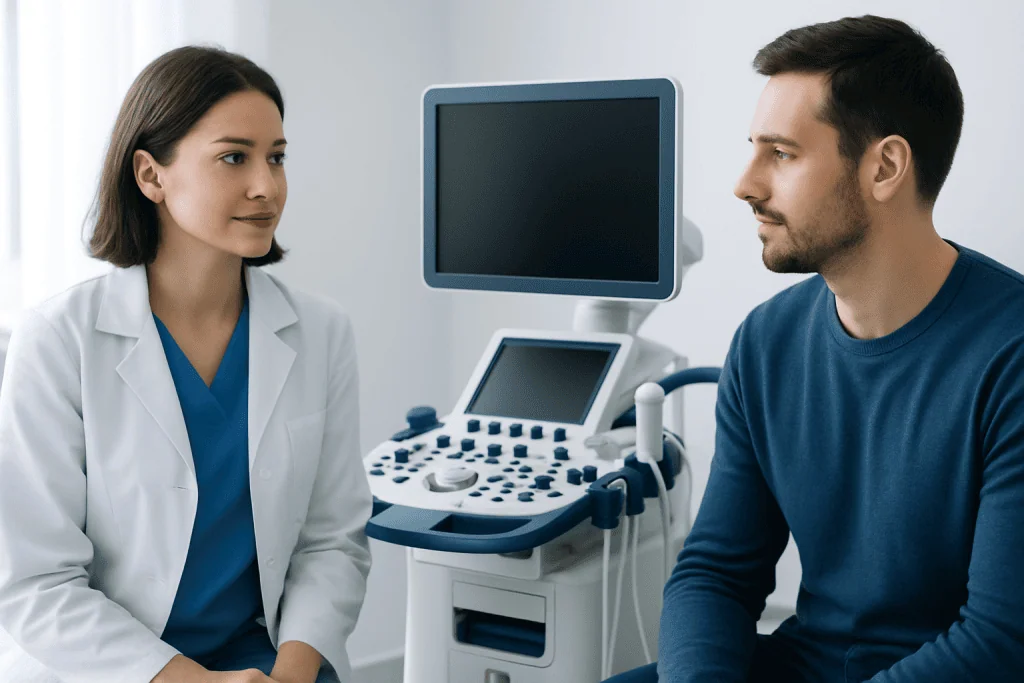
Endocrinologists care for a wide range of hormone-related conditions. One of the most common is diabetes, including type 1 diabetes, type 2 diabetes, gestational diabetes, and prediabetes. They also manage problems related to insulin production or the body’s response to insulin, such as insulin resistance. Their goal is not only to improve symptoms, but also to reduce the risk of complications affecting the heart, kidneys, eyes, and nerves.
Another major area is thyroid disease. This includes an underactive thyroid, an overactive thyroid, enlarged thyroid gland, thyroid nodules, and inflammatory thyroid conditions such as subacute thyroiditis. People may also be referred for evaluation of a neck lump, abnormal thyroid blood test, or ultrasound finding such as thyroid nodules.
Endocrinologists also treat conditions affecting calcium and bone health, including osteoporosis, parathyroid disorders, and vitamin D-related problems. In addition, they evaluate pituitary and adrenal disorders, low testosterone, menstrual irregularities, polycystic ovary syndrome, infertility linked to hormones, delayed or early puberty, and some causes of unexplained weight change, fatigue, sweating, or blood pressure changes.
Signs and Symptoms That May Suggest a Hormone Problem

Hormone-related symptoms can vary widely depending on which gland is affected. Common signs include unusual fatigue, unexplained weight gain or weight loss, increased thirst or urination, heat or cold intolerance, hair thinning, dry skin, constipation, diarrhea, tremor, palpitations, or changes in appetite. Some symptoms develop slowly, which can make them easy to overlook at first.
Hormonal disorders may also affect mood, sleep, concentration, and sexual health. For example, people may notice low libido, erectile dysfunction, menstrual changes, fertility problems, acne, excessive hair growth, or mood swings. Children and teenagers may be referred if there are concerns about growth, puberty timing, or blood sugar problems.
Bone pain, frequent fractures, muscle weakness, or kidney stones can sometimes point to calcium, vitamin D, or parathyroid issues. A visible swelling in the neck may suggest a thyroid enlargement or goiter. Symptoms do not always mean a serious condition, but persistent or unexplained changes are worth discussing with a doctor.
- Persistent fatigue or weakness
- Unexplained changes in weight
- Irregular menstrual periods or fertility concerns
- High or hard-to-control blood sugar
- New neck swelling or trouble swallowing
- Repeated fractures or low bone density
When to See an Endocrinologist
Many people first see an endocrinologist after a referral from a primary care doctor. This often happens when blood tests are abnormal, symptoms are not improving, or a condition needs specialist monitoring. For example, a person with diabetes may be referred if blood sugar remains difficult to control, insulin treatment is needed, or there are concerns about complications.
A referral may also be helpful for thyroid abnormalities, osteoporosis, repeated low vitamin D, adrenal or pituitary concerns, or reproductive hormone issues. People trying to conceive may be referred if hormone imbalance is affecting ovulation, sperm production, or menstrual regularity. An endocrinologist can also help when symptoms suggest a hormone issue even if the diagnosis is still unclear.
It is especially important to seek medical advice if symptoms are persistent, worsening, or affecting daily life. Urgent care may be needed for very high or very low blood sugar, severe dehydration, sudden confusion, severe weakness, chest symptoms, or rapidly worsening symptoms. In most cases, however, endocrine disorders can be evaluated in a calm and structured way through outpatient visits and testing.
How an Endocrinologist Diagnoses Endocrine Disorders
Diagnosis starts with a detailed conversation about symptoms, general health, family history, medications, menstrual or reproductive history, and lifestyle factors. Because hormones interact with many body systems, even details that seem unrelated can be useful. The physical examination may include checking weight, blood pressure, skin, hair, neck, reflexes, and signs of hormone excess or deficiency.
Blood tests are central to endocrine diagnosis. Depending on the problem, these may measure glucose, HbA1c, thyroid hormones, thyroid-stimulating hormone, cortisol, prolactin, sex hormones, calcium, parathyroid hormone, vitamin D, or other markers. Some conditions also require urine tests or stimulation and suppression tests, which assess how glands respond under controlled conditions.
Imaging may be used when needed. A thyroid ultrasound can help evaluate nodules or goiter. Bone density scans are used for osteoporosis risk. CT, MRI, or nuclear medicine studies may be ordered for the pituitary, adrenal glands, thyroid, or parathyroid glands. If a structural problem is found, the endocrinologist may coordinate further care, which can include procedures such as thyroid biopsy or referrals for thyroid surgery when appropriate.
Treatment Options and Ongoing Care
Treatment depends on the diagnosis, severity of symptoms, age, overall health, and personal goals. Some endocrine disorders are managed with lifestyle changes, such as nutrition, exercise, weight management, sleep improvement, and stress reduction. These changes can be especially important in conditions involving blood sugar, metabolism, and bone health.
Medications are often part of care. An endocrinologist may prescribe insulin or other glucose-lowering medicines, thyroid hormone replacement, medicines that reduce excess hormone production, calcium or vitamin D supplements, or treatments for bone strength. In some cases, hormone replacement may be used for conditions affecting the pituitary, adrenal glands, ovaries, or testes. Regular follow-up is important because hormone levels and treatment needs can change over time.
Some conditions need procedures or surgery. For example, thyroid nodules or large goiters may need biopsy, monitoring, or surgery depending on their features. Pituitary or adrenal disorders may involve specialized imaging or surgical treatment in selected cases, including pituitary tumor surgery when a tumor is causing hormone imbalance or pressure symptoms. Endocrinologists help guide these decisions and coordinate multidisciplinary care.
Prevention, Self-Care, and What to Expect at an Appointment
Not all endocrine disorders can be prevented, but healthy habits can support hormonal and metabolic health. A balanced diet, regular physical activity, good sleep, avoiding smoking, and keeping up with routine medical checkups can all help. Monitoring blood sugar, blood pressure, cholesterol, and bone health may allow early changes to be identified before complications develop.
For people already diagnosed with an endocrine condition, self-care is an important part of treatment. This may include taking medicine exactly as prescribed, checking blood sugar if advised, attending follow-up appointments, and having recommended blood tests or scans. Keeping a record of symptoms, cycles, home readings, and medication effects can make specialist visits more productive.
At a first appointment, patients are often asked to bring previous blood test results, imaging reports, a medication list, and family history information. Questions about symptoms, diet, sleep, and reproductive health are common. Near the end of the care journey, some people may seek treatment abroad; Acibadem International’s multidisciplinary specialists and JCI-accredited hospitals diagnose and treat endocrine conditions for international patients in a coordinated setting.
Frequently asked questions
Is an endocrinologist the same as a diabetes doctor?
An endocrinologist often treats diabetes, but the specialty includes many other hormone-related conditions as well. These include thyroid disease, osteoporosis, adrenal disorders, pituitary problems, and reproductive hormone issues.
Do I need a referral to see an endocrinologist?
This depends on the healthcare system and insurance plan. Many people are referred by a primary care doctor, but in some settings it is possible to book directly with a specialist.
What tests might an endocrinologist order?
Common tests include blood tests for glucose, thyroid hormones, calcium, vitamin D, cortisol, or sex hormones. Some people may also need urine tests, ultrasound, bone density scans, CT, or MRI depending on the suspected condition.
Can an endocrinologist help with weight gain or fatigue?
Yes, if these symptoms may be linked to a hormone or metabolic problem. While weight gain and fatigue can have many causes, an endocrinologist can assess whether issues such as thyroid disease, diabetes, or adrenal disorders are contributing.
When should someone with thyroid problems see an endocrinologist?
A thyroid specialist review may be helpful if blood tests are abnormal, symptoms are ongoing, a nodule is found, or treatment is not working as expected. Referral is also common when the diagnosis is uncertain or more specialized testing is needed.
What is the difference between an endocrinologist and a primary care doctor?
A primary care doctor manages general health and many common conditions, including some straightforward hormone problems. An endocrinologist is a specialist with advanced training in diagnosing and treating more complex or persistent endocrine disorders.
References
- American Association of Clinical Endocrinology
- Endocrine Society
- National Institute of Diabetes and Digestive and Kidney Diseases
- National Institutes of Health
- World Health Organization
This article is for general information only and is not a substitute for professional medical advice. Please consult a qualified doctor about your individual situation.
Medical weight-loss options in Turkey — costs & eligibility
JCI-accredited · board-certified surgeons · reply within 24h
Add us as a Preferred Source to see more of our trusted health content across Google Search, AI Overviews and Discover.
Check your numbers in seconds
BMI, calories, due date, blood pressure and 30+ more clinical calculators — free, instant, doctor-reviewed ranges.

Related Conditions
More from the Health Library



Related Specialists

Prof. Dr. Neslihan Kurtulmuş
Endocrinology
Prof. Dr. İnan Anaforoğlu
Endocrinology
Assoc. Prof. Dr. Ayşenur Özderya
Endocrinology
Assoc. Prof. Dr. Müjdat Kara
Endocrinology