Dementia Doctor: Who Diagnoses Memory and Behavior Changes in Older Adults?

Several specialists can diagnose dementia, including neurologists, geriatricians, psychiatrists, and primary care doctors. Evaluation usually includes a medical history, cognitive testing, physical and neurological exams, blood tests, and brain imaging when needed.
Key Takeaways
- Several specialists can diagnose dementia, including neurologists, geriatricians, psychiatrists, and primary care doctors.
- Evaluation usually includes a medical history, cognitive testing, physical and neurological exams, blood tests, and brain imaging when needed.
- Not all memory loss is dementia; depression, medication effects, sleep problems, and vitamin deficiencies can cause similar symptoms.
- Early assessment can help identify treatable causes and support better planning, safety, and symptom management.
- Families should seek medical advice if memory problems begin to affect daily life, judgment, communication, or behavior.
A dementia doctor is not always one single type of physician. Memory and behavior changes in older adults are often assessed by a neurologist, geriatrician, psychiatrist, or a multidisciplinary memory clinic, depending on the person’s symptoms and health needs.
Overview: What Is a Dementia Doctor?
The term dementia doctor usually refers to a physician who evaluates memory loss, thinking problems, personality changes, or changes in daily functioning in an older adult. In practice, this may be a primary care doctor, neurologist, geriatrician, psychiatrist, or another specialist with experience in cognitive disorders. Some people are assessed in a dedicated memory clinic where several professionals work together.
Dementia itself is not a single disease. It is a general term for a decline in memory, reasoning, language, judgment, or behavior that interferes with everyday life. Alzheimer’s disease is one cause, but there are others, including vascular dementia, Lewy body dementia, and frontotemporal dementia. Because the causes differ, choosing the right specialist often depends on the pattern of symptoms and the person’s age, medical history, and overall health.
Many families first notice repeating questions, getting lost, misplaced items, trouble managing medicines or finances, or a change in mood and social behavior. These signs can be upsetting, but they do not automatically mean dementia. A careful medical evaluation is important because some causes of memory problems are reversible or treatable.
Which Specialists Diagnose Dementia?
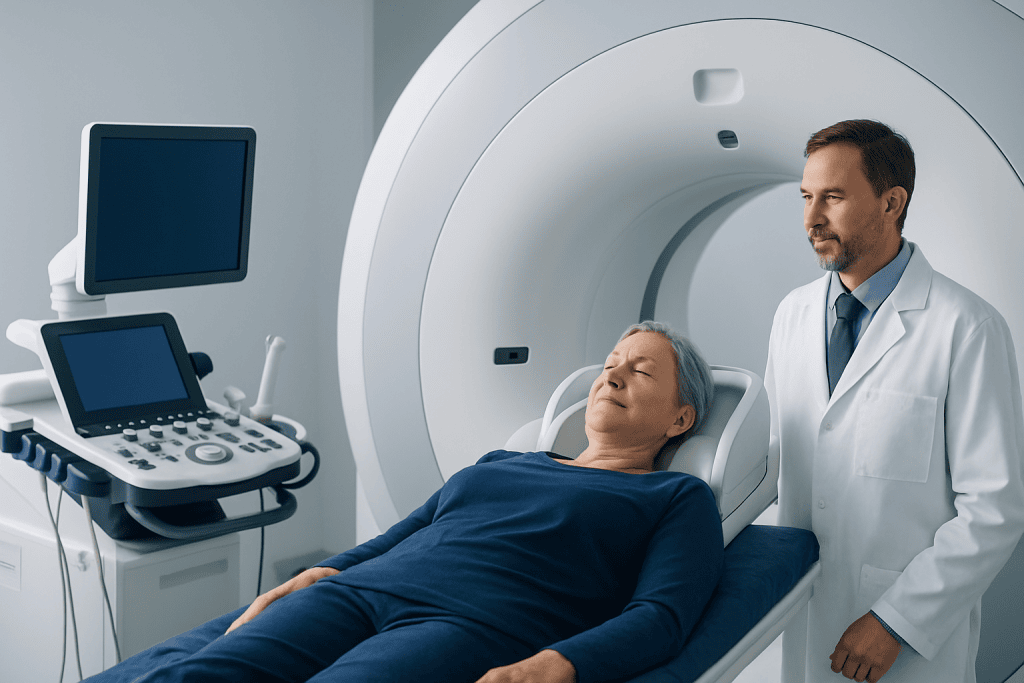
Several types of doctors may diagnose dementia. A primary care physician is often the first point of contact. They can begin the evaluation, review medications, screen for common medical causes, and refer to a specialist if needed. For many older adults, this first step is valuable because memory changes often happen alongside other health conditions.
A neurologist specializes in disorders of the brain and nervous system and commonly evaluates progressive memory loss, confusion, language difficulties, balance problems, tremor, or other neurological symptoms. A geriatrician focuses on the health needs of older adults and may be especially helpful when memory concerns are combined with frailty, multiple medications, falls, or complex chronic illnesses.
A psychiatrist, especially a geriatric psychiatrist, may be involved when behavior, mood, sleep, hallucinations, agitation, or depression are prominent. In some cases, a neuropsychologist performs detailed thinking and memory tests to clarify the pattern of cognitive strengths and weaknesses. Together, these specialists help determine whether symptoms are due to Alzheimer’s disease, another form of dementia, mild cognitive impairment, or a non-dementia condition.
- Primary care doctor: first assessment and referral
- Neurologist: brain-related and progressive cognitive symptoms
- Geriatrician: older adults with complex medical needs
- Psychiatrist: behavior, mood, sleep, or psychosis symptoms
- Neuropsychologist: detailed cognitive testing
Symptoms That Should Prompt an Evaluation

Occasional forgetfulness can happen with normal aging, stress, poor sleep, or distraction. However, evaluation is recommended when memory or behavior changes become frequent, noticeable to others, or begin to affect daily activities. Examples include repeating the same story many times, missing appointments despite reminders, getting confused in familiar places, or struggling with routine tasks such as cooking or paying bills.
Other warning signs include difficulty finding words, trouble following conversations, poor judgment, changes in personality, social withdrawal, suspicion, agitation, or unusual apathy. Some people also develop problems with balance, visual-spatial skills, sleep behavior, or movement. These patterns can provide clues about the underlying cause.
Symptoms may also come from other conditions that need medical attention. Depression, anxiety, thyroid disease, vitamin B12 deficiency, hearing loss, infections, medication side effects, alcohol misuse, and sleep disorders can all affect memory and concentration. This is one reason a professional assessment should not be delayed when changes are persistent or progressive.
How Doctors Diagnose Dementia
Dementia diagnosis begins with a detailed medical history. The doctor asks when symptoms started, whether they are getting worse, what daily activities are affected, and whether there are changes in mood, sleep, behavior, movement, or communication. Because the person with memory problems may not notice all changes, input from a family member or caregiver is often very helpful.
The examination usually includes a physical exam, a neurological exam, and brief cognitive screening tests that assess memory, attention, language, and problem-solving. If needed, more detailed testing may be arranged with a neuropsychologist. Blood tests are often used to look for thyroid problems, vitamin deficiencies, infection, or other medical issues that can mimic or worsen cognitive decline.
Brain imaging may be recommended to identify strokes, bleeding, tumors, pressure buildup, or patterns of brain changes linked to neurodegenerative disease. Depending on the situation, doctors may request MRI scanning or CT imaging as part of the workup. In selected cases, doctors also assess hearing, vision, sleep, mental health, or functional abilities to build a complete picture before confirming a diagnosis.
What Conditions Can Mimic Dementia?
One important role of a dementia doctor is to distinguish dementia from other causes of confusion or memory loss. Some conditions develop gradually and look similar to dementia, while others appear suddenly and may need urgent treatment. Delirium, for example, is a rapid change in attention and awareness often triggered by infection, dehydration, medication effects, or hospitalization.
Depression in older adults can sometimes cause slowed thinking, poor concentration, and forgetfulness. This is sometimes called pseudodementia, although the term is used less often today. Sleep apnea, severe stress, untreated pain, hearing impairment, and loneliness can also reduce attention and memory performance. In addition, certain medications, especially sedating or anticholinergic drugs, may worsen confusion.
Because of these overlaps, diagnosis should not rely on memory complaints alone. A careful review of medical history, medicines, mental health, and symptom timeline is essential. In some patients, more than one condition is present at the same time, such as dementia together with depression or stroke-related changes.
Treatment Options and Ongoing Care
Treatment depends on the cause. If symptoms are related to a reversible problem such as vitamin deficiency, thyroid disease, medication side effects, or depression, treating that condition may improve thinking and functioning. If a person is diagnosed with a neurodegenerative dementia, treatment focuses on symptom management, preserving independence, safety, and quality of life.
Doctors may recommend medications for some types of dementia, although these do not cure the disease. Non-drug approaches are equally important. These may include structured routines, memory aids, physical activity, hearing support, good sleep habits, treatment of anxiety or depression, and caregiver education. Occupational, speech, and physical therapy can also help depending on the person’s challenges.
Behavior changes such as agitation, wandering, or sleep disruption are best evaluated individually because triggers are often treatable. A calm environment, pain control, hydration, and regular routines can make a meaningful difference. In more complex cases, multidisciplinary care may involve specialists in neurology and supportive services for patients and families. Near the end of the diagnostic journey, some international patients choose centers such as Acibadem International, where multidisciplinary specialists in JCI-accredited hospitals evaluate and treat cognitive disorders.
Preparing for the Appointment
Families can help the appointment go more smoothly by bringing practical information. It is useful to write down the symptoms that have been noticed, when they began, whether they are worsening, and examples of how they affect daily life. A list of all medications, including over-the-counter drugs and supplements, should also be provided because some medicines can affect memory or alertness.
If possible, a trusted relative or caregiver should attend the visit. They may be able to describe changes that the patient does not recognize, such as getting lost, repeated conversations, or unsafe choices at home. Medical records from previous doctors, recent blood work, or imaging reports can also help reduce delays.
Questions to ask may include what conditions are being considered, what tests are needed, whether driving or living alone is safe, and what support services are available. Families should also ask what changes to expect over time and how to plan for medication management, finances, and future decision-making.
When to See a Doctor Urgently
A routine appointment is appropriate for gradual memory changes that are mild but persistent. However, urgent medical attention is needed if confusion appears suddenly or is accompanied by fever, weakness, facial drooping, severe headache, chest pain, shortness of breath, new falls, or reduced consciousness. These symptoms may suggest stroke, infection, delirium, or another acute illness rather than a chronic dementia process.
Medical advice should also be sought promptly if behavior changes create safety concerns. Examples include leaving the stove on, wandering outside, becoming unable to take essential medicines, or showing severe paranoia or aggression. Families often wait because they hope symptoms will improve on their own, but early assessment can prevent harm and identify treatable problems.
Even when a diagnosis of dementia is confirmed, regular follow-up matters. Symptoms and support needs can change over time, and treatment plans often need adjustment. Ongoing review helps address nutrition, sleep, mood, mobility, home safety, caregiver strain, and planning for future care.
Frequently asked questions
What kind of doctor should an older adult see for memory loss?
Many people start with a primary care doctor, who can do an initial evaluation and refer to a specialist if needed. Depending on the symptoms, the specialist may be a neurologist, geriatrician, psychiatrist, or a team in a memory clinic.
Can a primary care doctor diagnose dementia?
Yes, a primary care doctor can often begin the diagnostic process and may diagnose dementia in some cases. They also help rule out common medical causes of memory problems and decide when specialist testing is needed.
Is every memory problem in older adults a sign of dementia?
No. Memory problems can also be caused by depression, poor sleep, medication side effects, hearing loss, vitamin deficiencies, thyroid disease, and other medical conditions. That is why a professional evaluation is important before assuming dementia.
What tests are usually done to diagnose dementia?
Doctors usually take a medical history, perform a physical and neurological exam, and use brief cognitive tests. Blood tests are common, and some people also need brain imaging or more detailed neuropsychological testing.
When should a family seek help for behavior changes?
Help should be sought when changes such as confusion, suspiciousness, agitation, withdrawal, or poor judgment are new, worsening, or affecting safety and daily life. Sudden confusion needs urgent medical attention because it may signal delirium, infection, or stroke.
Can dementia be treated if it is diagnosed early?
Early diagnosis can be very helpful, even when the underlying cause is not curable. It allows doctors to look for treatable causes, start symptom management sooner, and help the patient and family plan for safety, support, and future care.
References
- World Health Organization
- National Institute on Aging
- Alzheimer's Association
- American Academy of Neurology
- National Institute of Neurological Disorders and Stroke
This article is for general information only and is not a substitute for professional medical advice. Please consult a qualified doctor about your individual situation.
Dementia in Turkey — costs, top hospitals & a free quote
JCI-accredited · board-certified surgeons · reply within 24h
Add us as a Preferred Source to see more of our trusted health content across Google Search, AI Overviews and Discover.

Neurology
Diagnosis and treatment of disorders of the brain, spinal cord, nerves and muscles.
51 specialists in this unitMore from the Health Library



Related Specialists

Prof. Dr. Müslime Akbaba
Ophthalmology
Dr. Birol Sarkut
Emergency Service
Assoc. Prof. Dr. Özden Sıla Ulus Buturak
Breast Clinic Clinical Service
Atilla Murat Ünver
Physical Medicine & Rehabilitation