Dementia Doctor Visit: Step by Step From First Symptoms to Diagnosis

A dementia assessment is usually a step-by-step process rather than a single test. Early evaluation can help identify treatable causes of memory and thinking changes.
Key Takeaways
- A dementia assessment is usually a step-by-step process rather than a single test.
- Early evaluation can help identify treatable causes of memory and thinking changes.
- Family observations are often very important during the diagnostic process.
- Diagnosis may include history-taking, cognitive testing, blood tests, and brain imaging.
- Supportive treatment and planning can begin even while the evaluation is still underway.
A dementia doctor visit usually begins with a careful review of symptoms and daily changes, followed by physical, neurological, and memory assessments. The goal is to understand what is causing cognitive changes and to create a practical plan for treatment, support, and follow-up.
Overview: Why a Dementia Doctor Visit Matters
A dementia doctor visit is an important step when a person or family notices ongoing changes in memory, language, judgment, behavior, or the ability to manage everyday tasks. While occasional forgetfulness can happen with normal aging, dementia involves a decline that affects daily life and usually progresses over time. A timely medical evaluation can help clarify what is happening and what support is needed.
Dementia is not a single disease. It is a general term for a group of symptoms caused by different conditions affecting the brain. Some causes are neurodegenerative, such as Alzheimer’s disease, while others may be related to strokes, medication effects, vitamin deficiencies, thyroid problems, sleep disorders, depression, or infections. Because the possible causes are varied, a structured evaluation is essential.
The purpose of the visit is not only to label symptoms, but also to understand the pattern of change, rule out reversible problems where possible, and plan next steps. This often includes medical treatment, safety advice, lifestyle changes, caregiver guidance, and follow-up. Many families feel more reassured once they understand the process and know what questions to ask.
First Symptoms That Often Lead to an Appointment
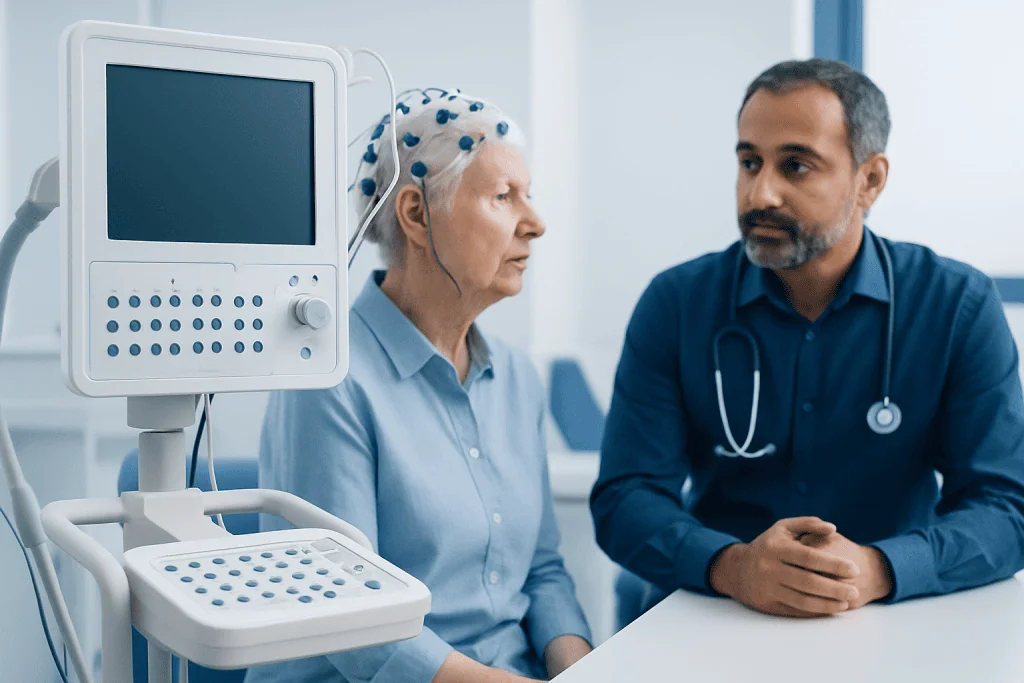
The first symptoms are often subtle. A person may repeat questions, misplace items more often, forget appointments, struggle to follow conversations, or have difficulty handling bills, medications, or familiar tasks. In some cases, family members notice personality or behavior changes before memory problems become obvious.
Symptoms can vary depending on the underlying cause. Some people mainly have short-term memory loss, while others experience problems with language, planning, attention, visual-spatial skills, movement, or mood. For example, confusion while driving, getting lost in familiar places, unusual irritability, or poor judgment around money may all prompt a doctor visit.
It is helpful to seek medical advice when these changes are persistent, worsening, or interfering with independence. Bringing a written timeline of symptoms can make the appointment more productive. Families may note when the changes began, whether they came on gradually or suddenly, and which daily activities have become more difficult.
Preparing for the Appointment: What Families Can Bring

Preparation can make a dementia assessment more accurate and less stressful. Before the visit, it is useful to write down the main concerns, examples of memory or behavior changes, and any major illnesses or hospital stays. A list of all medicines, including over-the-counter products and supplements, is important because some medications can affect thinking or alertness.
If possible, a close family member or trusted friend should attend the appointment. People with cognitive symptoms may not fully notice the changes themselves, so an outside perspective can be very valuable. The doctor may ask the companion about daily functioning, finances, cooking, driving, mood, sleep, and whether there have been safety concerns such as falls, wandering, or missed medications.
It can also help to bring previous test results, hearing or vision prescriptions, and details about family history of dementia or neurological disease. Patients should not worry about remembering everything perfectly. The aim is to give the clinician a practical picture of what life has been like at home over recent months.
- Symptom timeline and examples
- Current medications and supplements
- Past medical history and recent hospital visits
- Family history of dementia or stroke
- A companion who knows the patient well
Step by Step During the Dementia Assessment
The first step is usually a detailed medical history. The doctor asks about memory, attention, language, problem-solving, mood, sleep, mobility, and daily functioning. They also review medical conditions such as high blood pressure, diabetes, depression, stroke, head injury, and sleep apnea, all of which may affect brain health.
Next comes a physical and neurological examination. This may include checking balance, reflexes, muscle strength, eye movements, speech, and walking pattern. The clinician also looks for signs that might suggest another condition, such as Parkinsonism, stroke-related changes, dehydration, infection, or medication side effects.
Cognitive screening is another common part of the visit. These brief tests may assess orientation, recall, attention, naming, language, drawing, and executive function. They do not by themselves diagnose dementia, but they help identify which mental abilities are affected and whether more detailed neuropsychological testing may be useful.
Depending on the findings, the doctor may discuss likely causes and recommend additional testing. In some situations, referral to a specialist in geriatrics, neurology, psychiatry, or neurology care is appropriate for a more in-depth assessment.
Tests Used to Diagnose the Cause
There is no single test that confirms every type of dementia. Diagnosis usually combines information from symptoms, examination, cognitive testing, and investigations. Blood tests are often ordered to look for potentially reversible contributors such as vitamin B12 deficiency, thyroid disorders, infection, anemia, or metabolic problems.
Brain imaging may also be recommended, especially when symptoms are new, atypical, rapidly progressing, or associated with falls, stroke symptoms, headaches, or trauma. A doctor may request a CT scan or MRI to look for strokes, bleeding, tumors, hydrocephalus, or shrinkage patterns that support certain diagnoses.
In some people, more specialized testing is needed. Formal cognitive evaluation can provide a detailed profile of memory, attention, language, and executive function. If depression, anxiety, or sleep disorders appear to be contributing, these may also be evaluated because they can mimic or worsen cognitive symptoms.
The diagnostic process may ultimately point to Alzheimer’s disease, vascular dementia, Parkinson’s disease-related cognitive decline, frontotemporal dementia, Lewy body dementia, or another cause. Sometimes the diagnosis becomes clearer over time as follow-up visits reveal how symptoms are progressing.
What Happens After Diagnosis
Once the doctor has enough information, they explain the diagnosis in clear terms and discuss what it means for daily life. If dementia is confirmed, the conversation usually covers the type of dementia, expected progression, treatment goals, safety concerns, and practical support at home. Even when symptoms are mild, early planning can make future decisions easier.
Treatment depends on the cause. Some underlying problems, such as medication effects, thyroid disease, vitamin deficiency, or depression, may improve when treated. For progressive neurodegenerative conditions, treatment focuses on symptom management, preserving independence, and supporting quality of life. This may include memory-related medications in selected patients, treatment of mood or sleep problems, hearing correction, physical activity, and structured routines.
Families are often advised about home safety, medication organization, driving, fall prevention, legal and financial planning, and community resources. Follow-up is important because needs can change over time. In more complex cases, doctors may coordinate care with rehabilitation, mental health, geriatrics, and specialists in brain and nerve care if another structural condition is suspected.
Self-Care, Prevention, and Living Well During Evaluation
While waiting for a diagnosis or treatment plan, certain healthy habits may support overall brain health. Good sleep, regular physical activity, social engagement, hearing and vision correction, and management of blood pressure, diabetes, and cholesterol are all helpful. A daily routine can reduce confusion and make symptoms easier to track.
Families can support the person by simplifying tasks, using calendars and reminders, keeping keys and medicines in consistent places, and reducing background noise during conversations. It is usually best to avoid arguing about memory mistakes. Gentle redirection and reassurance are more helpful than repeated correction.
Prevention is not always possible, especially in diseases linked to age and neurodegeneration. However, many risk factors for cognitive decline overlap with vascular health risks. Not smoking, limiting alcohol, staying mentally and physically active, and treating chronic medical conditions may help reduce overall risk or slow decline in some people.
For international patients who need coordinated assessment, Acibadem International’s multidisciplinary specialists and JCI-accredited hospitals diagnose and treat dementia-related conditions with individualized planning and follow-up support.
When to See a Doctor Urgently
Most dementia evaluations can be arranged through a routine appointment, but some symptoms need urgent medical attention. Sudden confusion, abrupt memory loss, new weakness, facial drooping, difficulty speaking, severe headache, fever, hallucinations with marked agitation, or a recent head injury should be assessed quickly. These may suggest delirium, stroke, infection, or another acute medical problem rather than gradual dementia alone.
It is also important to seek prompt help if a person has become unsafe at home, is wandering, cannot manage medicines, has fallen repeatedly, or is showing severe behavior change. Caregiver strain is another valid reason to ask for medical support. Earlier intervention can improve safety and help families access services before a crisis develops.
If there is uncertainty, it is reasonable to contact a qualified doctor and describe the symptoms, how quickly they started, and whether the person’s behavior is different from usual. A clinician can guide whether the next step should be an emergency evaluation, an urgent clinic visit, or a scheduled memory assessment.
Frequently asked questions
What kind of doctor diagnoses dementia?
A primary care doctor may begin the evaluation, especially by reviewing symptoms, medications, and general health. Many patients are also referred to a neurologist, geriatrician, psychiatrist, or memory clinic for more specialized assessment.
How long does a dementia assessment take?
The first visit may take longer than a routine appointment because it includes history-taking, examination, and cognitive screening. In many cases, diagnosis is not completed in one day and may require follow-up visits, lab tests, imaging, or more detailed cognitive testing.
Can dementia be diagnosed with a single brain scan?
No. A brain scan can provide useful information, but it is only one part of the evaluation. Doctors usually combine scan results with symptoms, physical examination, mental testing, and blood work to understand the cause of cognitive changes.
Should a family member go to the appointment?
Yes, when possible. A family member or close friend can describe changes that the patient may not notice and can help recall timelines, medications, and safety concerns. Their input is often very valuable for accurate diagnosis and care planning.
Are all memory problems a sign of dementia?
No. Memory problems can also be related to stress, poor sleep, depression, medication effects, thyroid disease, vitamin deficiencies, infection, or normal aging. That is why a proper medical assessment is important before assuming dementia.
What happens if the doctor thinks it is early dementia?
The doctor may arrange further tests, discuss possible causes, and begin a treatment and monitoring plan. Early diagnosis can help with symptom management, safety planning, support for caregivers, and decisions about future care.
References
- World Health Organization
- National Institute on Aging
- Alzheimer's Association
- National Institute of Neurological Disorders and Stroke
- Centers for Disease Control and Prevention
This article is for general information only and is not a substitute for professional medical advice. Please consult a qualified doctor about your individual situation.
Dementia in Turkey — costs, top hospitals & a free quote
JCI-accredited · board-certified surgeons · reply within 24h
Add us as a Preferred Source to see more of our trusted health content across Google Search, AI Overviews and Discover.
Check your numbers in seconds
BMI, calories, due date, blood pressure and 30+ more clinical calculators — free, instant, doctor-reviewed ranges.

Neurology
Diagnosis and treatment of disorders of the brain, spinal cord, nerves and muscles.
51 specialists in this unitMore from the Health Library



Related Specialists

Dt. Alen Palancıoğlu
Oral Dental & Maxillofacial Surgery
Assoc. Prof. Dr. Ahmet Arnaz
Cardiovascular Surgery
Assoc. Prof. Dr. Deniz Atasoy
General Surgery
Dr. Leyla Şen
Radiation Oncology