Heart Disease in Women: Symptoms and Risks That May Look Different

Heart disease is a major health concern for women across all adult ages. Women may have chest discomfort, but they can also experience fatigue, nausea, back pain, jaw pain, or shortness of breath.
Key Takeaways
- Heart disease is a major health concern for women across all adult ages.
- Women may have chest discomfort, but they can also experience fatigue, nausea, back pain, jaw pain, or shortness of breath.
- Risk rises with factors such as high blood pressure, diabetes, smoking, high cholesterol, obesity, and family history.
- Pregnancy-related conditions and menopause can also affect cardiovascular risk in women.
- Prompt medical evaluation is important for new, severe, or unexplained symptoms.
Heart disease in women is common and sometimes harder to recognize because symptoms may be subtle or different from the classic signs many people expect. Understanding warning signs, risk factors, and when to seek care can support earlier diagnosis and treatment.
Overview
Heart disease in women refers to several conditions that affect the heart and blood vessels, including coronary artery disease, heart attack, heart failure, rhythm disorders, and problems involving the smaller blood vessels of the heart. Although many people think of heart disease as a condition that mainly affects men, women are also significantly affected, and their symptoms do not always follow the most familiar pattern.
One reason heart disease in women can be overlooked is that warning signs may be less dramatic or may appear in ways that are mistaken for stress, indigestion, exhaustion, or anxiety. A woman may still have the classic pressure or pain in the chest, but she may also notice symptoms such as unusual tiredness, shortness of breath, nausea, or discomfort in the neck, jaw, shoulders, upper back, or stomach.
Hormones, age, pregnancy history, menopause, and conditions such as diabetes and high blood pressure all influence cardiovascular health. Women can also be more likely to have disease affecting the small blood vessels rather than a large blocked artery alone, which may change how symptoms feel and how tests appear.
Recognizing these differences matters because early diagnosis and treatment can reduce complications and support better long-term health. Understanding how heart disease presents in women may help patients seek care sooner and discuss symptoms more clearly with a doctor.
Symptoms That May Look Different in Women
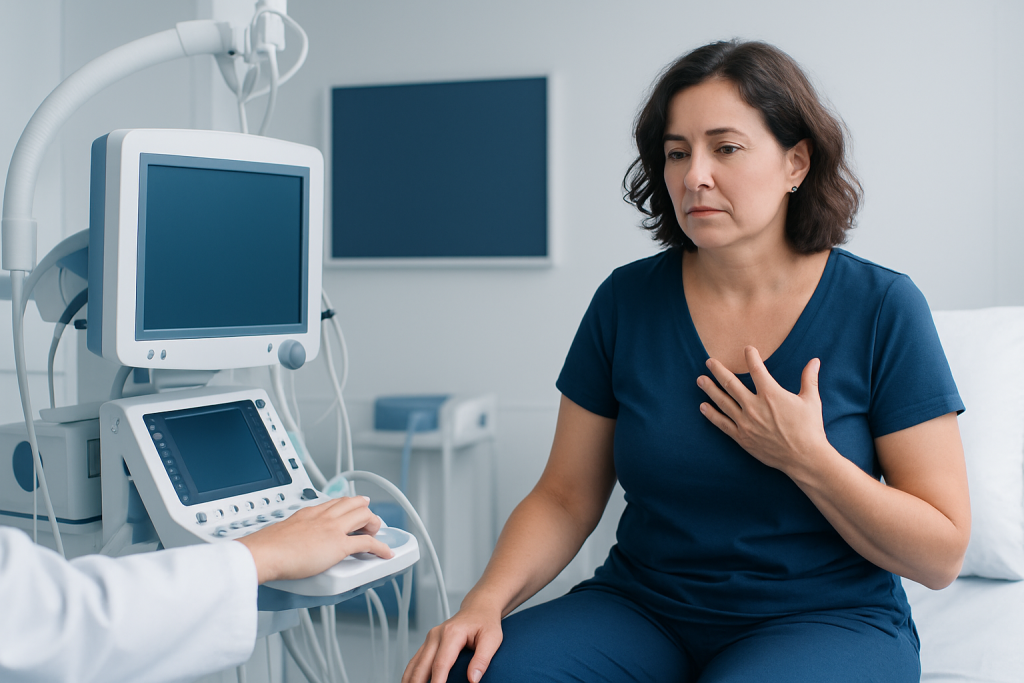
The most well-known symptom of a heart attack is chest pain or pressure, and women can absolutely experience this. However, the discomfort may feel milder, more diffuse, or less obviously centered in the chest. Some women describe tightness, burning, fullness, squeezing, or pressure rather than sharp pain.
Women may also have symptoms that seem unrelated to the heart at first. These can include unusual fatigue, shortness of breath during routine activity or at rest, nausea, vomiting, dizziness, lightheadedness, sweating, and pain or discomfort in the jaw, neck, shoulder, arms, upper back, or upper abdomen. Symptoms may build gradually or come and go.
Possible warning signs include:
- Chest pressure, tightness, heaviness, or discomfort
- Shortness of breath
- Unexplained fatigue, especially if new or severe
- Nausea or indigestion-like discomfort
- Pain in the jaw, neck, back, shoulder, or arm
- Dizziness, faintness, or cold sweats
- A fast, pounding, or irregular heartbeat
Not every symptom means a heart problem, but persistent, worsening, or unexplained symptoms should not be ignored. Emergency care is especially important for sudden chest discomfort, severe shortness of breath, fainting, or symptoms that suggest a possible heart attack.
Causes and Risk Factors
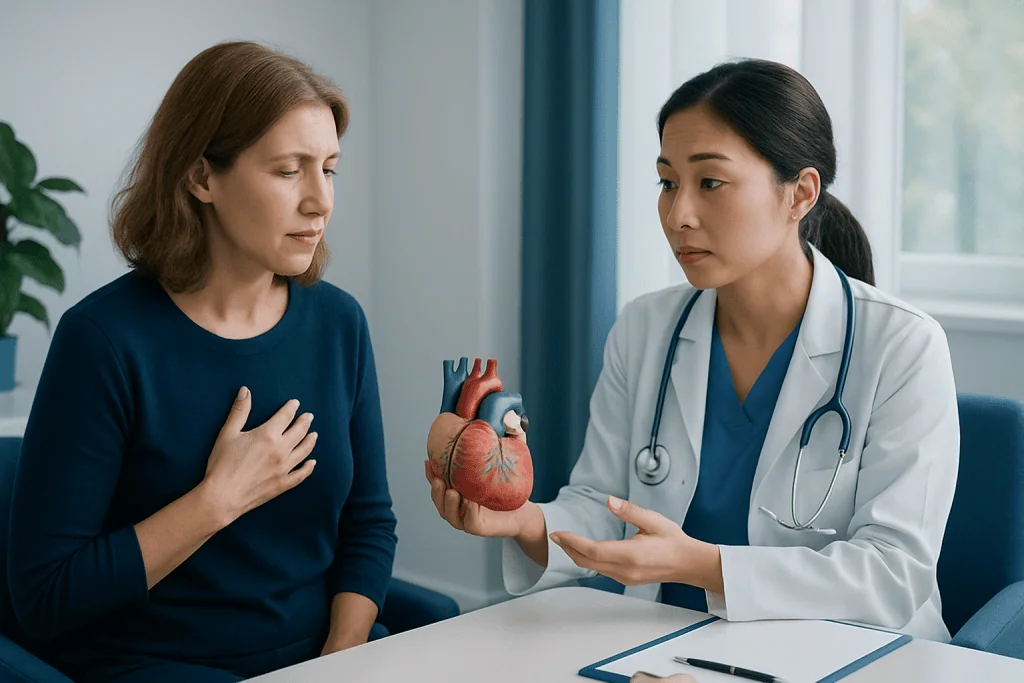
Heart disease often develops when blood vessels become narrowed or damaged, most commonly from a buildup of fatty deposits known as atherosclerosis. This process can reduce blood flow to the heart muscle and increase the risk of chest pain, heart attack, stroke, and other complications. Women may also experience microvascular disease, in which the heart’s smaller blood vessels do not function normally even if major arteries are less severely blocked.
Some risk factors are shared by all adults, including older age, high blood pressure, high cholesterol, diabetes, smoking, obesity, physical inactivity, unhealthy diet, chronic kidney disease, poor sleep, and family history of early heart disease. Stress, depression, and autoimmune or inflammatory conditions can also affect cardiovascular risk.
Certain factors are especially important in women. These include pregnancy-related complications such as preeclampsia, gestational diabetes, and pregnancy-related high blood pressure, as well as early menopause or menopause itself. Conditions such as polycystic ovary syndrome may also be associated with higher metabolic and cardiovascular risk.
Diabetes deserves special attention because it can raise cardiovascular risk strongly in women and may also make symptoms less typical. If a woman already lives with heart failure or known coronary artery disease, careful follow-up is important to reduce worsening symptoms and future events.
How Heart Disease Is Diagnosed
Diagnosis begins with a medical history, a review of symptoms, and a physical examination. A doctor will ask when symptoms started, what brings them on, whether they improve with rest, and whether there are other conditions such as diabetes, high blood pressure, or a family history of heart disease. Blood pressure, heart rate, oxygen level, and other findings help guide next steps.
Tests may include an electrocardiogram to assess the heart’s electrical activity, blood tests to look for signs of heart muscle injury, and imaging such as an echocardiogram to evaluate heart structure and function. Depending on the situation, a stress test or advanced imaging may be used to look for reduced blood flow to the heart.
Because women may have symptoms related to disease in the smaller heart vessels, diagnosis is not always straightforward. In some cases, symptoms are present even when standard tests look less dramatic than expected. This is one reason it is important for patients to describe all symptoms clearly and for clinicians to consider the full clinical picture rather than relying on one sign alone.
If a blocked artery is suspected, doctors may recommend tests that visualize the coronary arteries directly. These assessments help determine whether symptoms are due to atherosclerosis, small-vessel dysfunction, valve disease, rhythm problems, or another condition that needs different treatment.
Treatment Options
Treatment depends on the type of heart disease, the severity of symptoms, and the presence of other health conditions. For many women, treatment includes lifestyle changes along with medications to control blood pressure, cholesterol, blood sugar, heart rate, or blood clotting risk. Stopping smoking, becoming more physically active, eating a heart-healthy diet, and reaching a healthier weight can all support treatment.
When reduced blood flow to the heart is caused by narrowed or blocked arteries, doctors may recommend procedures to restore circulation. Depending on the individual case, this may include coronary angiography to assess the arteries, angioplasty and stent treatment to open a narrowed vessel, or coronary artery bypass surgery when bypassing blocked arteries is the best option.
Women with rhythm problems, valve disease, heart failure, or microvascular angina may need different treatment plans. These can include medications, monitoring, rehabilitation, and management of contributing conditions such as sleep apnea, thyroid disease, or kidney disease. The goal is not only to relieve symptoms but also to lower the risk of heart attack, stroke, and long-term heart damage.
Treatment is most effective when it is individualized. Regular follow-up helps doctors adjust medications, review side effects, monitor risk factors, and encourage sustainable changes that protect cardiovascular health over time.
Prevention and Self-care
Many of the most important steps for preventing heart disease in women are practical and long term. A heart-healthy lifestyle does not remove all risk, but it can significantly improve blood pressure, cholesterol, blood sugar control, body weight, and overall cardiovascular fitness. Small, consistent habits often matter more than short bursts of intense effort.
Helpful prevention strategies include:
- Not smoking and avoiding secondhand smoke
- Being physically active most days of the week, as advised by a doctor
- Choosing a diet rich in vegetables, fruits, whole grains, legumes, nuts, and lean proteins
- Limiting excess salt, sugar, and highly processed foods
- Managing blood pressure, cholesterol, and diabetes
- Maintaining a healthy sleep routine and addressing suspected sleep apnea
- Reducing chronic stress and seeking support for anxiety or depression
Women should also tell their doctor about pregnancy complications, early menopause, autoimmune disease, or a strong family history of heart disease, as these details can influence screening and prevention. Routine health checks are especially important because high blood pressure and high cholesterol may not cause symptoms until complications develop.
Near the end of the prevention journey, support from specialists may be useful when risk is high or symptoms are difficult to explain. Acibadem International’s multidisciplinary specialists at JCI-accredited hospitals diagnose and treat heart conditions for international patients, helping coordinate evaluation and long-term care when needed.
When to See a Doctor
A doctor should evaluate recurring chest discomfort, unexplained shortness of breath, marked fatigue, palpitations, dizziness, or reduced ability to exercise, especially when symptoms are new or getting worse. Even if the symptoms seem mild, persistent changes in how a woman feels during daily activities deserve attention.
Urgent or emergency care is needed for possible heart attack symptoms. These can include chest pressure or pain lasting more than a few minutes, symptoms that spread to the jaw, back, or arm, sudden shortness of breath, fainting, cold sweats, or nausea with chest discomfort. It is safer to seek emergency help than to wait and see.
Women sometimes delay care because they are unsure whether symptoms are serious. That hesitation is understandable, especially when symptoms do not match the classic picture often shown in public awareness messages. Still, fast assessment can be lifesaving and may also identify other treatable causes if the symptoms are not from the heart.
Anyone with known cardiovascular disease should keep regular follow-up appointments and discuss any change in symptoms promptly. Ongoing care helps reduce future risk and supports better quality of life.
Frequently asked questions
Can women have a heart attack without severe chest pain?
Yes. Some women have chest pressure or discomfort rather than severe pain, while others mainly notice shortness of breath, nausea, unusual fatigue, dizziness, or pain in the jaw, back, or arm. Any concerning or sudden symptoms should be assessed urgently.
Why is heart disease in women sometimes missed?
Symptoms in women can be less typical and may resemble indigestion, stress, or exhaustion. In addition, some women have disease affecting the smaller blood vessels of the heart, which may not always appear in the same way as large-artery blockages.
What are the biggest risk factors for heart disease in women?
Important risk factors include high blood pressure, high cholesterol, diabetes, smoking, obesity, inactivity, unhealthy diet, and family history. Pregnancy complications, autoimmune disease, and menopause-related changes can also affect risk.
Does menopause increase heart disease risk?
Cardiovascular risk tends to rise after menopause, partly because of age-related changes and shifts in hormone levels. This does not mean heart disease is inevitable, but it does make regular screening and healthy lifestyle habits especially important.
How can a woman lower her risk of heart disease?
The most effective steps include not smoking, being physically active, eating a balanced heart-healthy diet, sleeping well, managing stress, and controlling blood pressure, cholesterol, and blood sugar. Regular medical checkups help detect silent risk factors early.
When should heart symptoms be treated as an emergency?
Emergency help is needed for sudden chest pressure or pain, severe shortness of breath, fainting, cold sweats, or symptoms spreading to the jaw, back, or arm. It is best not to drive oneself if a heart attack is suspected and to seek emergency services right away.
References
- World Health Organization
- American Heart Association
- Centers for Disease Control and Prevention
- National Heart, Lung, and Blood Institute
- European Society of Cardiology
This article is for general information only and is not a substitute for professional medical advice. Please consult a qualified doctor about your individual situation.
Heart care in Turkey — expert evaluation and treatment
JCI-accredited · board-certified surgeons · reply within 24h
Add us as a Preferred Source to see more of our trusted health content across Google Search, AI Overviews and Discover.
Check your numbers in seconds
BMI, calories, due date, blood pressure and 30+ more clinical calculators — free, instant, doctor-reviewed ranges.