When to Get a Second Opinion for Heart Failure or Heart Disease

A second opinion can confirm a diagnosis or offer additional treatment options. It is especially helpful before major procedures, surgery, or lifelong treatment changes.
Key Takeaways
- A second opinion can confirm a diagnosis or offer additional treatment options.
- It is especially helpful before major procedures, surgery, or lifelong treatment changes.
- Patients should seek urgent care right away for emergency heart symptoms rather than wait for another opinion.
- Bringing test results, medication lists, and questions helps make a second opinion more useful.
- A second opinion does not replace emergency care or regular follow-up with a cardiologist.
A second opinion for heart failure or heart disease can help confirm a diagnosis, explain treatment options, and support informed decisions. It is a common and reasonable step, especially when symptoms persist, recommendations are complex, or a major procedure is being considered.
Overview
A second opinion means asking another qualified doctor to review a diagnosis, symptoms, test results, or treatment plan. In heart failure and other forms of heart disease, this can be an important step because these conditions may be complex, long term, and managed in more than one appropriate way. A fresh review may confirm the original plan or suggest alternatives that better match a person’s needs, goals, and overall health.
Seeking another opinion is not a sign of mistrust or disrespect. It is a practical part of patient-centered care, especially when a person feels uncertain, has ongoing symptoms, or is facing a major decision. Many cardiologists welcome second opinions because they can improve understanding and confidence.
Heart disease is a broad term that may include coronary artery disease, valve disease, rhythm problems, cardiomyopathy, congenital heart conditions, and heart failure. Since these conditions can overlap, a second opinion may help clarify exactly what is happening and whether the current diagnosis fully explains the symptoms.
When a Second Opinion May Be Helpful
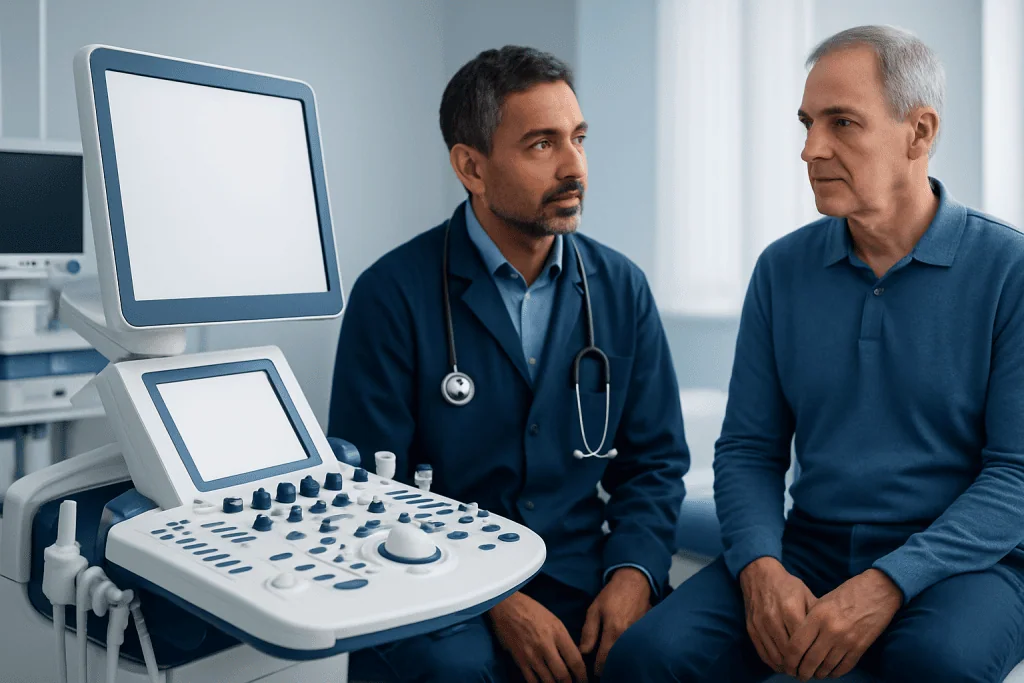
A second opinion is often useful when the diagnosis is unclear or symptoms do not fit the explanation given. For example, a person may continue to feel short of breath, weak, dizzy, or have chest discomfort despite treatment. In these situations, another cardiologist may review whether the condition has been correctly identified or whether another heart or non-heart issue should also be considered.
It can also be helpful when treatment choices are complex. This is common when a doctor recommends heart surgery, a device such as a pacemaker or defibrillator, or an invasive procedure. People may want to better understand the risks, benefits, alternatives, and expected recovery before moving forward with options such as heart surgery or pacemaker implantation.
Other situations where a second opinion may be reasonable include:
- A new diagnosis of moderate or severe heart failure
- A recommendation for long-term medication changes with significant side effects
- Worsening symptoms despite following the current treatment plan
- Conflicting test results or differing medical opinions
- A diagnosis involving rare or advanced heart conditions
- Questions about whether less invasive treatment may be possible
A second opinion may also help if a person feels they do not fully understand the diagnosis or has concerns that have not been answered clearly. Better understanding often leads to better adherence to treatment and greater peace of mind.
Common Reasons Patients Seek Another Opinion

People often ask for a second opinion because heart conditions can affect daily life in major ways. A diagnosis of heart failure may raise questions about life expectancy, exercise, travel, diet, work, and long-term treatment. Another specialist can help explain how severe the condition is, what type of heart failure is present, and whether the treatment plan is up to date.
In other cases, the concern is whether the suggested treatment is the only option. Depending on the condition, there may be choices among medications, catheter-based procedures, lifestyle changes, device therapy, or surgery. Someone with coronary artery disease, for example, may want clarity about whether medical management, coronary angiography, stenting, or surgery is most appropriate after a full review of symptoms and test findings.
Patients also seek another opinion when they have several health conditions at the same time, such as kidney disease, diabetes, lung disease, or frailty. These factors can change which treatments are safest or most effective. A second opinion can help balance heart care with the rest of the person’s health.
What to Expect During a Second Opinion
During a second opinion, the doctor usually reviews the person’s medical history, current symptoms, medications, prior diagnoses, and existing test results. The specialist may repeat some parts of the physical examination and ask questions about exercise tolerance, swelling, breathlessness, chest pain, fainting, palpitations, and sleep. This review helps determine whether the original diagnosis and treatment plan are supported by the available information.
Sometimes the second doctor agrees fully with the first recommendation. This can be very reassuring and may make it easier to proceed with treatment confidently. In other situations, the doctor may suggest further testing, a different diagnosis, or a modified plan. This does not necessarily mean the first doctor was wrong; complex heart problems often allow more than one reasonable approach.
Additional tests may be advised if more detail is needed. Depending on the situation, this may include an electrocardiogram, echocardiogram, stress testing, blood tests, advanced imaging, rhythm monitoring, or evaluation for procedures such as electrophysiology studies. The goal is to make sure decisions are based on the clearest possible picture of heart function and overall risk.
How to Prepare for a Second Opinion
Preparation can make a second opinion much more helpful. Patients should bring copies of recent test results, hospital discharge summaries, imaging reports, procedure notes, and a current list of medicines and supplements. If possible, actual imaging files and CDs should be included along with written reports, because specialists may want to review the original images themselves.
It also helps to write down symptoms, when they began, what makes them worse or better, and how they affect daily activities. A list of questions can keep the visit focused. Useful questions may include whether the diagnosis is certain, what stage or severity the condition is, whether there are alternative treatments, what the likely benefits and risks are, and what might happen with or without treatment.
Bringing a family member or trusted companion can be valuable, especially if the information is complex or emotionally stressful. Another person may help remember details, take notes, and ask practical questions. Patients should also tell the second doctor what matters most to them, such as symptom relief, independence, quality of life, or avoiding a certain procedure if possible.
Benefits and Limits of a Second Opinion
The main benefit of a second opinion is clarity. It can confirm that the diagnosis is accurate, strengthen confidence in the treatment plan, and reduce uncertainty before major decisions. It may also uncover additional options, including newer therapies, referral to a subspecialist, or eligibility for advanced care in selected cases.
Another benefit is better communication. Some people understand their condition more easily after hearing the explanation in a different way. This may improve shared decision-making and help patients take a more active role in managing blood pressure, diet, exercise, medications, and follow-up appointments.
Still, a second opinion has limits. It may not always produce a different answer, and it should not delay urgent treatment when a person is medically unstable. It is also important to recognize that online information alone is not a substitute for specialist review. The safest choices depend on a person’s symptoms, test findings, age, other illnesses, and overall goals of care.
For international patients seeking coordinated evaluation, Acibadem International’s multidisciplinary specialists and JCI-accredited hospitals diagnose and treat complex heart conditions with individualized assessment and follow-up planning.
When to Seek Urgent Medical Care Instead
A second opinion is appropriate for many non-emergency questions, but urgent symptoms should never be ignored while waiting for another appointment. Some heart problems can worsen quickly and need immediate evaluation. In these situations, the safest choice is emergency care first, followed by a second opinion later if needed.
Urgent medical attention is needed for symptoms such as severe chest pain, sudden shortness of breath, fainting, confusion, blue lips, new weakness on one side, or a very rapid or irregular heartbeat with dizziness. People with heart failure should also seek prompt care for sudden weight gain, rapidly worsening swelling, trouble breathing when lying flat, or waking up gasping for air.
If symptoms are severe or sudden, emergency services should be contacted right away. Once the person is stable, a second opinion can still be useful to review the diagnosis, explain what happened, and help guide longer-term treatment decisions.
Frequently asked questions
Is it normal to ask for a second opinion for heart failure or heart disease?
Yes. A second opinion is a common and acceptable part of medical care, especially for conditions that are long term or complex. It can help confirm a diagnosis, explain treatment choices, and support more confident decision-making.
Should a patient get a second opinion before heart surgery or a major procedure?
In many cases, yes. Before surgery, implanted devices, or other invasive procedures, another specialist can review whether the recommendation is appropriate and whether alternatives exist. This can help patients better understand benefits, risks, and expected recovery.
Will a second opinion delay treatment?
It may add some time, but it should not delay urgent care. If symptoms are severe or a doctor believes treatment is time-sensitive, the person should follow emergency advice first. For non-emergency decisions, a brief delay to clarify options may be worthwhile.
What records should be brought to a second-opinion appointment?
It is helpful to bring recent test results, imaging reports, hospital records, procedure notes, and a full medication list. A summary of symptoms and questions is also useful. Having complete information allows the second doctor to give more accurate guidance.
Can two cardiologists have different treatment recommendations?
Yes. Heart conditions sometimes have more than one reasonable treatment path depending on symptoms, age, other medical problems, and patient preferences. Different recommendations do not always mean one is wrong; they may reflect different but valid clinical judgments.
Is a second opinion useful even if the first doctor is highly experienced?
Yes. Even when the original doctor is very experienced, another review can still be helpful for reassurance or to explore options. This is especially true in advanced heart failure, rare heart conditions, or when several treatments are possible.
References
- American Heart Association
- Heart Failure Society of America
- European Society of Cardiology
- National Heart, Lung, and Blood Institute
- Centers for Disease Control and Prevention
This article is for general information only and is not a substitute for professional medical advice. Please consult a qualified doctor about your individual situation.
Heart Failure in Turkey — costs, top hospitals & a free quote
JCI-accredited · board-certified surgeons · reply within 24h
Add us as a Preferred Source to see more of our trusted health content across Google Search, AI Overviews and Discover.

More from the Health Library



Related Specialists

Prof. Dr. Ece Aydoğ
Physical Medicine & Rehabilitation
Dr. Meltem Yonca Eren
Intensive Care
Dr. Ioseb Gabunia
Inpatient Clinic Physicians Clinical Service
Dr. Zeynep Sağırkaya
Occupational Medicine