Diaphragm and Breathing: How This Muscle Supports Lung Function
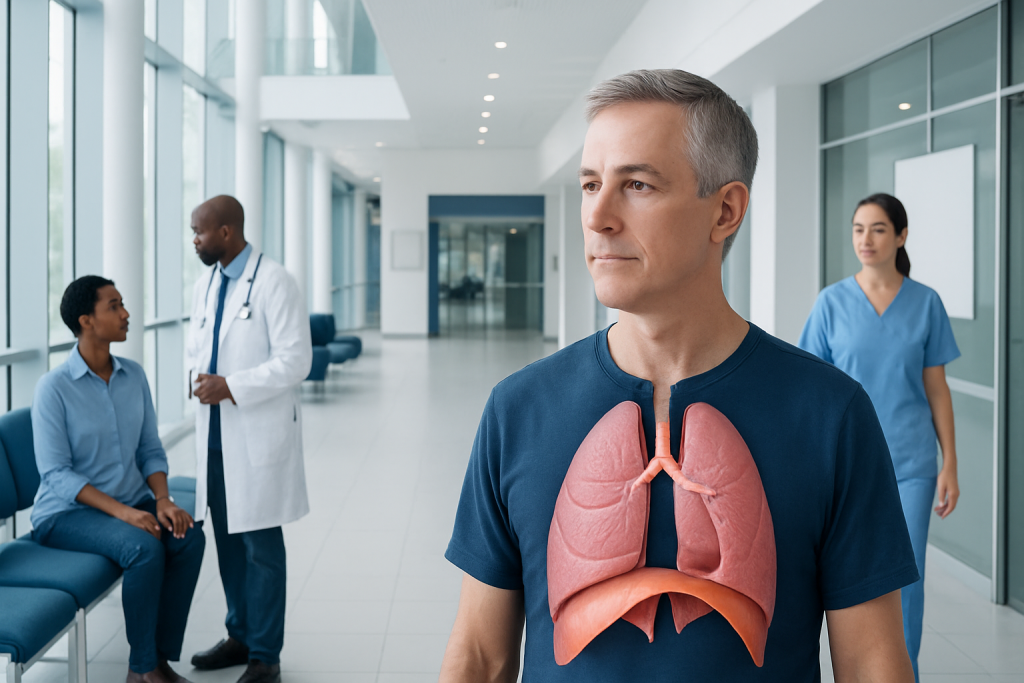
The diaphragm is the primary muscle that powers normal breathing. When the diaphragm contracts, the chest cavity expands and air moves into the lungs.
Key Takeaways
- The diaphragm is the primary muscle that powers normal breathing.
- When the diaphragm contracts, the chest cavity expands and air moves into the lungs.
- Problems affecting the diaphragm can lead to shortness of breath, disturbed sleep, or reduced exercise tolerance.
- Doctors may assess diaphragm function with a physical exam, imaging, and breathing tests.
- Breathing exercises, treatment of the underlying cause, and specialist care can improve symptoms in many people.
The diaphragm is the main muscle of breathing. By contracting and relaxing in a steady rhythm, it helps the lungs fill with air and supports efficient breathing during rest, exercise, coughing, and speaking.
Overview: what the diaphragm does
The diaphragm is a broad, dome-shaped muscle located below the lungs and heart, separating the chest cavity from the abdomen. It is the body’s main breathing muscle, responsible for most of the work of inhalation during quiet, normal breathing. Although other muscles can help with breathing, especially during exercise or illness, the diaphragm does the largest share of the work in healthy people.
Diaphragm and breathing are closely connected because each breath depends on pressure changes inside the chest. When the diaphragm contracts, it moves downward and flattens. This increases the space inside the chest, allowing the lungs to expand and draw air in. When it relaxes, it rises back into its dome shape, helping air move out.
The diaphragm also supports more than breathing alone. It helps with coughing, sneezing, speaking, vomiting, and bowel movements by working with the chest and abdominal muscles to build pressure when needed. This means good diaphragm function contributes to everyday comfort and to the body’s ability to clear airways and perform basic physical tasks.
How the diaphragm supports lung function
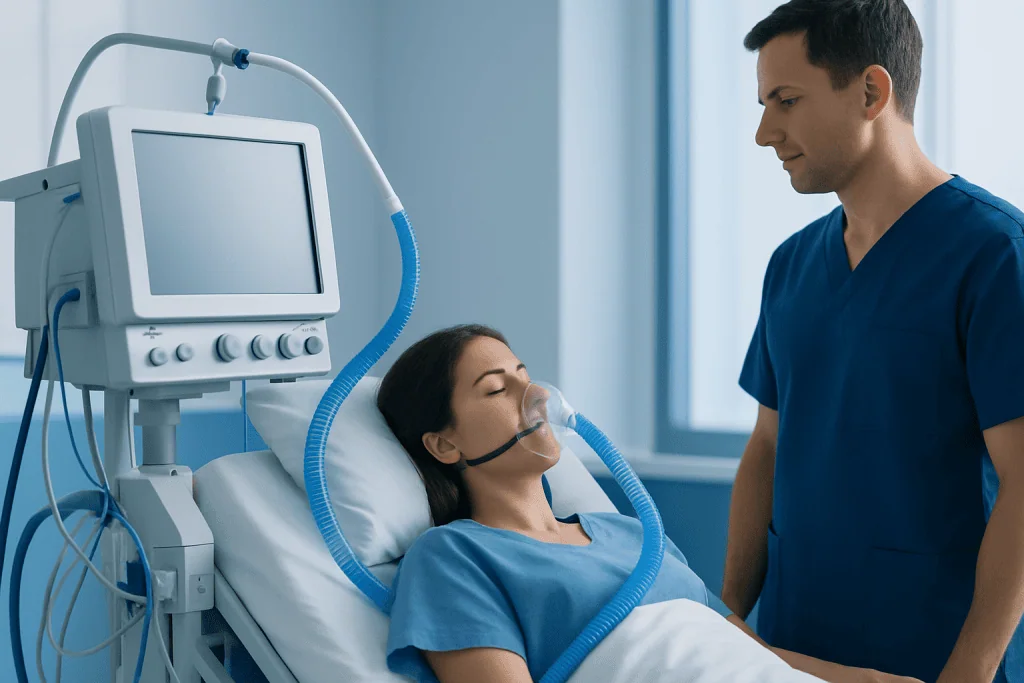
The lungs themselves do not contain muscles that pull air in. Instead, they expand because the diaphragm and chest wall muscles create the movement needed for airflow. As the diaphragm contracts and the chest cavity enlarges, pressure inside the lungs falls slightly below the pressure outside the body. Air then moves in through the nose or mouth, down the airways, and into the lungs.
During exhalation at rest, breathing is usually passive. The diaphragm relaxes, the lungs and chest wall naturally recoil, and air flows out. During deeper breathing, exercise, or coughing, the abdominal muscles and other chest muscles work together with the diaphragm to increase airflow and support stronger breaths.
Efficient diaphragm movement helps the lower parts of the lungs fill well. This matters because lower lung regions often have good blood flow, so effective expansion there can improve gas exchange. In simple terms, a healthy diaphragm helps oxygen enter the blood and carbon dioxide leave it more effectively.
Breathing patterns can also change with stress, pain, obesity, lung disease, or weakness. In these cases, a person may rely more on the neck and upper chest muscles instead of the diaphragm. This may feel like shallow breathing and can make breathing seem less comfortable or more tiring.
Signs that diaphragm function may be affected
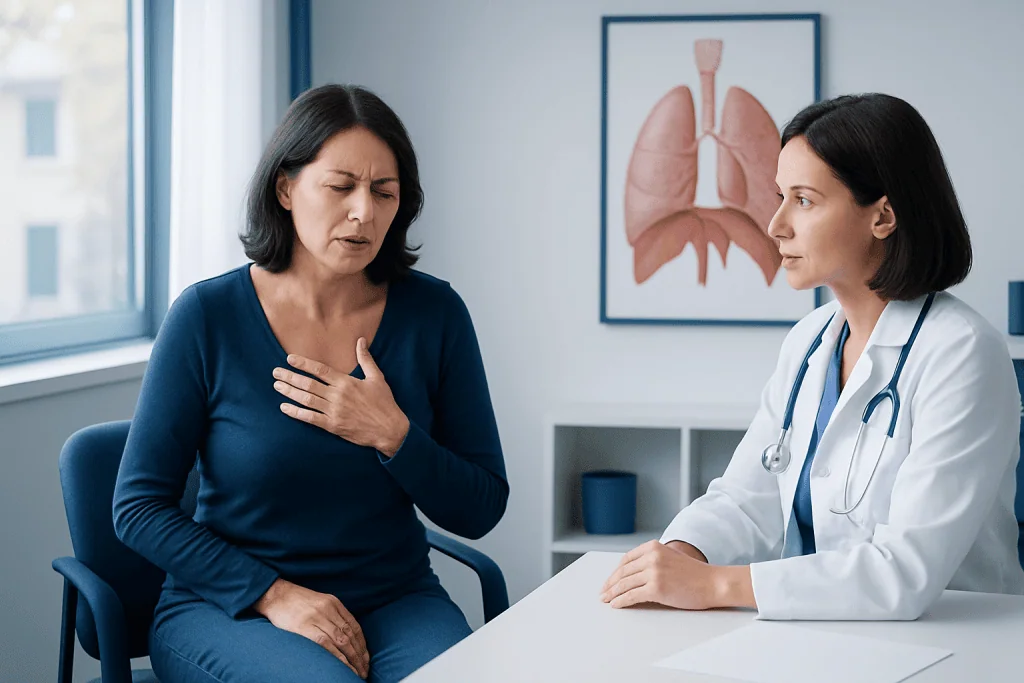
Many people never notice their diaphragm working because healthy breathing happens automatically. However, if the diaphragm becomes weak, irritated, or less able to move normally, symptoms may appear. These symptoms can range from mild to more noticeable depending on whether one or both sides of the diaphragm are affected and whether any lung or nerve condition is also present.
Common symptoms may include shortness of breath, especially when lying flat, reduced ability to exercise, disturbed sleep, and a sense of breathing that feels shallow or labored. Some people feel more breathless when bending forward, while others notice fatigue because the body must work harder to breathe.
Other possible signs can include weak cough, frequent chest infections due to less effective airway clearance, hiccups in some situations, or chest and upper abdominal discomfort. These symptoms do not always mean a diaphragm problem, but they can be a reason to seek medical advice, particularly if they are new, persistent, or worsening.
- Shortness of breath during activity or when lying down
- Shallow breathing or visible upper chest breathing
- Poor sleep or waking up breathless
- Reduced exercise tolerance
- Weak cough or trouble clearing mucus
Causes and risk factors for diaphragm problems
Diaphragm function can be affected by problems involving the muscle itself, the phrenic nerves that control it, the lungs, or nearby structures. Nerve injury may occur after surgery, trauma, or certain neurological conditions. Muscle weakness can also be related to broader neuromuscular disorders or severe illness. In some people, no clear cause is found at first.
Lung and chest conditions may change how the diaphragm works even if the muscle is not directly damaged. For example, chronic overinflation of the lungs, as can happen in chronic obstructive pulmonary disease, can flatten the diaphragm and reduce its mechanical advantage. Obesity, pregnancy, abdominal bloating, and spinal curvature may also alter diaphragm movement by changing pressure relationships between the chest and abdomen.
Other causes include infection, inflammation, tumors near the nerve pathway, congenital abnormalities, or temporary weakness after prolonged mechanical ventilation. Stress and anxiety do not directly injure the diaphragm, but they can lead to rapid, shallow breathing patterns that make breathing feel more difficult and less efficient.
Risk factors depend on the underlying issue but may include recent chest or neck surgery, chest trauma, chronic lung disease, neuromuscular disease, severe viral illness, or conditions affecting the nerves. A doctor can help determine whether symptoms relate to the diaphragm itself or to another respiratory or cardiac cause.
How doctors evaluate diaphragm and breathing
Assessment usually begins with a detailed history and physical examination. A doctor may ask when symptoms started, whether breathing is harder during exercise or when lying flat, and whether there is a history of surgery, trauma, infection, or neurological illness. Listening to the lungs, observing the breathing pattern, and checking oxygen levels can provide helpful clues.
Tests may be used to confirm whether the diaphragm is moving normally and whether lung function is affected. Chest X-ray can sometimes show an elevated diaphragm. Ultrasound is increasingly used because it can show the diaphragm moving in real time. In some cases, fluoroscopy, CT, MRI, or nerve and muscle studies may be considered depending on the suspected cause.
Breathing tests, including pulmonary function tests, can show whether lung volumes change in ways that suggest diaphragm weakness. Doctors may also compare breathing measurements while sitting and lying down. If sleep-related breathing problems are suspected, sleep testing may be recommended. When symptoms have several possible causes, specialists may also evaluate for asthma, heart disease, or other conditions that can mimic diaphragm-related breathlessness.
The goal of diagnosis is not only to identify a diaphragm problem but also to find the reason behind it. That is important because treatment depends on the underlying cause, symptom severity, and how much daily life is affected.
Treatment options and breathing support
Treatment depends on why the diaphragm is not working well and how severe the symptoms are. Some cases improve over time, especially if the cause is temporary irritation or a recoverable nerve injury. In other situations, treatment focuses on improving breathing efficiency, treating the underlying illness, and reducing strain on the respiratory muscles.
Breathing rehabilitation may include diaphragmatic breathing exercises, posture training, airway clearance techniques, and supervised pulmonary rehabilitation. If another condition is contributing, treating it is important. For example, care for sleep apnea may improve nighttime breathing, and management of chronic lung disease may reduce the workload on the diaphragm.
Some people benefit from supportive therapies such as noninvasive ventilation during sleep or periods of respiratory weakness. In selected cases, surgery may be considered, such as diaphragm plication for persistent paralysis on one side. When a related structural or lung condition is present, treatment might involve advanced respiratory care, imaging, or surgery. Depending on individual needs, a doctor may discuss options such as lung transplantation in very specific end-stage lung cases, thoracic surgery for chest conditions affecting breathing mechanics, or pulmonary rehabilitation to improve breathing endurance and quality of life.
Near the end of the care pathway, coordinated specialist assessment can be valuable. Acibadem International’s multidisciplinary specialists and JCI-accredited hospitals evaluate and treat respiratory and chest conditions for international patients when advanced diagnosis or treatment planning is needed.
Self-care, breathing exercises, and prevention
Not all diaphragm-related problems can be prevented, but healthy habits can support breathing mechanics and overall lung health. Avoiding smoking, staying physically active, maintaining a healthy weight, and managing chronic lung or nerve conditions can all reduce strain on the breathing muscles. Good posture can also help the diaphragm move more freely.
Diaphragmatic breathing is a simple technique often taught by respiratory therapists or physiotherapists. It usually involves slow breathing in through the nose while allowing the abdomen to rise, followed by relaxed exhalation. This exercise may help some people reduce upper chest breathing, improve awareness of breath control, and feel more comfortable during recovery or stress.
People with chronic respiratory symptoms should avoid starting intensive exercises without medical guidance, especially if they become breathless easily. A clinician can suggest safe breathing exercises, pacing strategies, and positions that may ease shortness of breath. Supportive self-care works best when it is paired with treatment of the underlying cause.
- Practice gentle diaphragmatic breathing if advised by a clinician
- Stop smoking and avoid secondhand smoke
- Stay active within personal limits
- Manage chronic conditions such as lung or neuromuscular disease
- Seek early advice for ongoing or unexplained shortness of breath
When to see a doctor
A person should seek medical advice if breathing becomes persistently difficult, if shortness of breath is new or worsening, or if lying flat makes breathing harder. Medical review is also appropriate for repeated chest infections, weak cough, poor exercise tolerance, or unexplained fatigue that may reflect increased work of breathing.
Urgent care is important if there is severe shortness of breath, bluish lips or face, chest pain, confusion, or signs of major breathing distress. These symptoms can have several causes, not only diaphragm problems, and they need prompt professional assessment.
Early evaluation can be reassuring as well as practical. Many breathing concerns are manageable, and some improve significantly when the underlying cause is identified. A qualified doctor can guide the next steps, whether that means observation, rehabilitation, specialist referral, or treatment for another condition affecting the lungs, nerves, or chest.
Frequently asked questions
What is the diaphragm and why is it important for breathing?
The diaphragm is a large muscle under the lungs that powers most normal breathing. When it contracts, the chest cavity expands and air is drawn into the lungs. When it relaxes, air moves back out.
Can a person breathe without the diaphragm?
Other muscles in the chest and neck can help a person breathe, but the diaphragm is the main muscle for efficient breathing. If diaphragm function is reduced, breathing may become more tiring or less effective. The effect depends on whether one or both sides are involved and whether other lung problems are present.
What does diaphragm weakness feel like?
It may feel like shortness of breath, shallow breathing, or unusual fatigue with activity. Some people notice symptoms more when lying flat or during sleep. Others may have a weak cough or frequent chest infections.
How do doctors test diaphragm function?
Doctors usually begin with a history and physical exam, then may use imaging and breathing tests. Chest X-ray, ultrasound, and pulmonary function tests are common tools. Additional testing depends on the suspected cause.
Can breathing exercises strengthen the diaphragm?
Breathing exercises can improve breathing patterns and help some people use the diaphragm more effectively. They are often part of pulmonary rehabilitation or physiotherapy. However, exercises alone may not correct a nerve injury or structural problem, so medical assessment is still important.
When should someone worry about diaphragm-related breathing problems?
A doctor should be consulted if breathing problems are ongoing, worsening, or interfering with sleep or daily activities. Urgent care is needed for severe breathlessness, chest pain, bluish skin, or confusion. These symptoms require prompt evaluation to rule out serious causes.
References
- American Lung Association
- National Heart, Lung, and Blood Institute
- European Respiratory Society
- American Thoracic Society
- National Institute of Neurological Disorders and Stroke
This article is for general information only and is not a substitute for professional medical advice. Please consult a qualified doctor about your individual situation.
Explore treatments in Turkey — costs, top hospitals & a free quote
JCI-accredited · board-certified surgeons · reply within 24h
Add us as a Preferred Source to see more of our trusted health content across Google Search, AI Overviews and Discover.

More from the Health Library



Related Specialists

Dr. Edip Yılmaz
Orthopedic Surgery & Traumatology
Prof. Dr. Ayşe Sarioğlu
Pediatric Cardiology
Prof. Dr. Meltem Serin
Radiation Oncology
Prof. Dr. Kemal Özyurt
Dermatology