Cancer Treatment Abroad vs at Home: How to Compare Safety, Travel, and Follow-Up

The safest option is the one that matches the patient’s diagnosis, health status, and need for ongoing follow-up. Hospital accreditation, specialist experience, and multidisciplinary cancer care are key factors when comparing centers.
Key Takeaways
- The safest option is the one that matches the patient’s diagnosis, health status, and need for ongoing follow-up.
- Hospital accreditation, specialist experience, and multidisciplinary cancer care are key factors when comparing centers.
- Travel can affect treatment timing, comfort, infection exposure, and recovery, especially during chemotherapy, surgery, or radiotherapy.
- A clear follow-up plan with shared medical records is essential if care will continue partly at home and partly abroad.
- Patients should ask practical questions about pathology review, treatment goals, side effects, emergency support, and total costs.
Choosing between cancer treatment abroad and treatment at home involves more than cost or convenience. Patients and families should compare safety, expertise, travel needs, communication, and long-term follow-up so care remains coordinated from diagnosis through recovery.
Overview: How to Compare Cancer Care Options
When considering cancer treatment abroad vs at home, the decision is rarely simple. Cancer care often involves several steps, such as diagnosis, staging, surgery, systemic therapy, radiotherapy, rehabilitation, and long-term monitoring. For some patients, treatment close to home offers familiarity and easier follow-up. For others, traveling may provide access to a highly specialized team, advanced technology, or a second opinion for a complex diagnosis.
The most helpful comparison focuses on quality and continuity of care rather than location alone. Patients can look at whether the hospital has experienced oncologists, tumor board discussions, modern diagnostic services, clear communication, and coordinated aftercare. A center that can explain the expected benefits, risks, alternatives, and likely timeline is often easier to evaluate than one that emphasizes only speed or convenience.
In many cases, the best approach may combine both settings. A patient might travel for specialized surgery, precision diagnostics, or a treatment plan review, then continue parts of care locally. This shared-care model can work well when medical records, imaging, pathology, and follow-up instructions are transferred clearly between teams.
Safety and Quality: What Matters Most
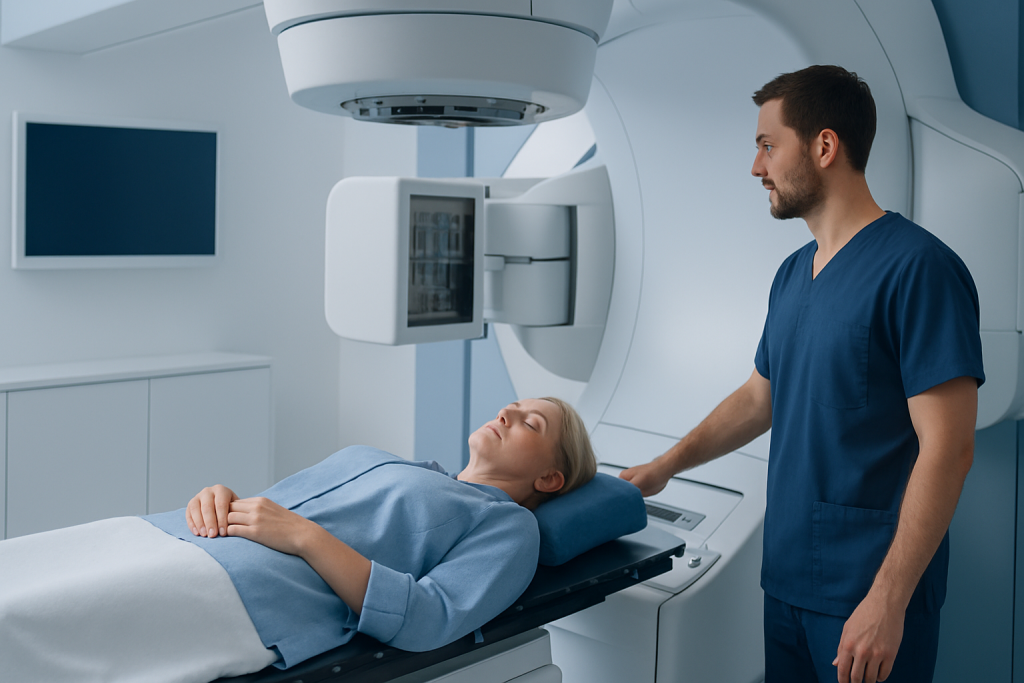
Safety should be the starting point in any cancer treatment decision. Patients can ask whether the hospital is accredited, whether infection control standards are in place, and whether intensive care, blood bank services, pathology, imaging, and emergency support are available if needed. These details are especially important for major surgery, chemotherapy, stem cell-related care, or treatments that can cause sudden complications.
Specialist experience also matters. Cancer treatment is often most effective when it is planned by a multidisciplinary team that may include medical oncologists, surgical oncologists, radiation oncologists, radiologists, pathologists, nurses, nutrition specialists, and supportive care experts. This team approach helps match treatment to the exact cancer type, stage, molecular features, and the patient’s overall health.
Patients may find it useful to ask practical questions, such as:
- How often does the team treat this specific cancer type?
- Will the diagnosis and pathology slides be reviewed again?
- Is the treatment plan discussed in a tumor board?
- What side effects are expected, and how are they managed?
- Who is available after hours if a problem develops?
If the treatment being considered includes surgery, cancer surgery should be discussed in terms of surgeon experience, perioperative care, pathology review, and recovery planning. If it includes radiation, a center offering radiation oncology should explain planning accuracy, session schedule, and how side effects will be monitored.
Travel and Timing: Practical Issues That Affect Care

Travel can be manageable for many patients, but it adds medical and logistical demands. The distance from home may affect how quickly the patient can begin treatment, how often visits are needed, and how easy it is to deal with unexpected symptoms. Long flights, airport transfers, jet lag, and being away from a usual support network can be tiring, especially for people with pain, fatigue, anemia, nausea, or reduced mobility.
The timing of travel matters. Some people are fit to travel before treatment starts, while others may not be good candidates during intensive chemotherapy, immediately after surgery, or when blood counts are low. The treating doctor should advise whether the patient can safely fly, whether special precautions are needed to reduce clotting or infection risk, and whether travel insurance or medical clearance is required.
Accommodation, local transport, language support, and caregiver presence should also be planned in advance. It is helpful to know how close the hospital is to the airport or hotel, whether the patient may need repeated visits over several weeks, and what to do if a fever, bleeding, dehydration, or severe pain occurs outside clinic hours.
For some cancers, treatment can involve more than one modality. A patient who travels for medical oncology care, for example, may still need blood tests, symptom checks, or supportive medications between treatment cycles. That is why travel planning should always be linked to a realistic medical timeline rather than only to appointment dates.
Follow-Up and Coordination After Treatment
Follow-up is one of the most important parts of cancer care, whether treatment is received at home or abroad. After the main phase of treatment, patients may need wound checks, imaging, laboratory monitoring, medication adjustments, rehabilitation, nutritional support, or surveillance for recurrence. If these steps are not clearly organized, even excellent treatment can become harder to manage later.
A strong cross-border plan usually includes a written summary of the diagnosis, stage, pathology, biomarker or genetic findings if relevant, treatments given, side effects, and recommended next steps. Patients should ask for copies of operative notes, chemotherapy summaries, radiotherapy plans, pathology reports, scan reports, and discharge instructions. Having records in a format that the home doctor can easily review helps prevent delays and confusion.
Coordination is especially important in cancers that need prolonged monitoring or combined treatment strategies, such as breast cancer or colon cancer. In these situations, one center may perform a specialized part of care while local doctors oversee ongoing tests, symptom management, and routine surveillance. Patients should know in advance who will be responsible for each step.
Before leaving the treating country, it is helpful to confirm when follow-up should occur, what symptoms should prompt urgent review, and whether remote consultations are available. This planning can make the transition back home smoother and more reassuring for both the patient and family.
Costs, Coverage, and the Full Treatment Journey
Cost is an understandable factor, but it should be reviewed in the context of the full treatment journey. The visible price of surgery or chemotherapy may not include diagnostic tests, pathology review, anesthesia, hospital stay, medicines, supportive care, treatment of side effects, emergency visits, accommodation, flights, or later follow-up. A lower upfront quote does not always mean lower overall cost.
Patients should request a clear written estimate and ask which services are included and which are not. It is also wise to ask whether the treatment plan could change after pathology review or staging scans, since this may affect both timing and expenses. If insurance is involved, the patient should confirm in advance whether international treatment, second opinions, complications, or follow-up at home are covered.
Time away from work, caregiver travel, childcare, and repeated return visits can also influence the decision. For some families, staying local reduces disruption. For others, traveling once for a specialized procedure and completing the rest of care at home may be a balanced option. The right choice depends on the medical plan as well as practical realities.
Financial questions can feel uncomfortable, but they are an important part of safe planning. An experienced center should be able to explain the expected pathway openly so the patient can make an informed decision without surprises.
Questions to Ask Before Choosing Treatment Abroad or at Home
Preparing a list of questions can help patients compare options more confidently. Good questions focus on diagnosis, treatment goals, expected outcomes, side effects, and how the center communicates. It may help to bring a family member or trusted friend to appointments, whether in person or online, so key points are easier to remember.
Useful questions may include:
- Is this treatment intended to cure, control, or relieve symptoms?
- Are there alternatives closer to home that offer similar care?
- What tests are needed before treatment begins?
- How long will treatment and recovery take?
- What complications might require urgent care?
- How will records be shared with local doctors?
- What follow-up will be needed in the next weeks, months, and years?
Patients may also ask whether a second opinion would be helpful, especially if the cancer is rare, recurrent, or difficult to stage. A second opinion does not delay care in every case; it can sometimes clarify the diagnosis or identify a more personalized treatment pathway. If radiotherapy, surgery, and medicines are all possible options, comparing recommendations from different specialists can be especially valuable.
Near the end of decision-making, practical details matter too: visa timing, fitness to fly, interpreter support, caregiver needs, and access to urgent help. For international patients, Acibadem International’s multidisciplinary specialists and JCI-accredited hospitals diagnose and treat cancer with coordinated planning designed to support both treatment and follow-up.
When to Seek Urgent Medical Advice
Patients who are deciding where to receive care should seek prompt medical advice if symptoms are worsening or if treatment planning is causing delays. Signs such as uncontrolled pain, shortness of breath, heavy bleeding, dehydration, confusion, new weakness, high fever, or a rapidly growing mass need timely professional review. In these situations, immediate medical assessment is usually more important than travel planning.
Urgent advice is also important during or after cancer treatment, whether at home or abroad. Fever during chemotherapy, sudden swelling, chest pain, severe vomiting, inability to drink fluids, or signs of infection around a surgical wound should not be managed by waiting for the next routine appointment. Patients should know which hospital or doctor to contact day or night.
If travel is being considered, a doctor should confirm that the patient is medically stable enough for the journey. This is particularly relevant after recent surgery, during low blood counts, or when the patient needs oxygen, frequent transfusions, or complex symptom control. Safe cancer care depends on timely treatment and timely help when problems arise.
Frequently asked questions
Is cancer treatment abroad always better than treatment at home?
Not necessarily. The best option depends on the cancer type, the treatment needed, the experience of the team, and how follow-up will be managed. Some patients benefit from local care, while others may benefit from a specialized center abroad for a particular part of treatment.
What is the most important factor when comparing cancer centers?
Safety and quality of care are usually the most important factors. Patients should look at specialist expertise, multidisciplinary planning, accreditation, emergency support, and how clearly the team explains the diagnosis and treatment plan.
Can a patient travel during chemotherapy or after cancer surgery?
Sometimes, but it depends on the person’s medical condition and the timing of treatment. A treating doctor should assess risks such as infection, blood clots, fatigue, dehydration, and the need for urgent care before travel is arranged.
How can follow-up be managed if treatment happens abroad?
Follow-up is often managed through a shared-care plan between the overseas team and local doctors. Clear records, treatment summaries, pathology reports, scan results, and instructions for future monitoring are essential for safe continuity of care.
Should patients get a second opinion before deciding?
A second opinion can be very helpful, especially for rare cancers, complex treatment choices, or uncertain pathology. It may confirm the original plan or suggest another reasonable option, helping the patient make a more informed decision.
What costs should patients look beyond when comparing treatment options?
Patients should consider more than the quoted procedure or treatment price. Travel, accommodation, repeated visits, supportive medicines, emergency care, rehabilitation, and follow-up tests can all affect the true overall cost.
References
- World Health Organization
- National Cancer Institute
- American Society of Clinical Oncology
- European Society for Medical Oncology
- U.S. Centers for Disease Control and Prevention
This article is for general information only and is not a substitute for professional medical advice. Please consult a qualified doctor about your individual situation.
Oncology care in Turkey — second opinion and treatment plan
JCI-accredited · board-certified surgeons · reply within 24h
Add us as a Preferred Source to see more of our trusted health content across Google Search, AI Overviews and Discover.

Medical Oncology Department
Medical treatment of cancer with chemotherapy, immunotherapy and targeted therapies under a multidisciplinary tumor board.
60 specialists in this unit