Pap Smear vs Pelvic Exam: What Is the Difference?

A Pap smear is a screening test for abnormal cervical cells, not a full gynecologic exam. A pelvic exam is a physical examination of the female reproductive organs and nearby tissues.
Key Takeaways
- A Pap smear is a screening test for abnormal cervical cells, not a full gynecologic exam.
- A pelvic exam is a physical examination of the female reproductive organs and nearby tissues.
- A person may have one test, the other, or both, depending on age, symptoms, and medical history.
- These exams can help detect problems early, including infections, structural issues, and signs of cervical disease.
- Regular screening schedules should be based on a qualified clinician’s advice and local guidelines.
A Pap smear and a pelvic exam are not the same test, although they are often done during the same visit. A Pap smear screens for changes in cervical cells, while a pelvic exam helps a doctor assess the vulva, vagina, cervix, uterus, ovaries, and surrounding structures.
Overview: How a Pap Smear and Pelvic Exam Differ
When people hear about routine gynecologic care, they often assume a Pap smear and a pelvic exam are the same thing. In fact, they serve different purposes. A Pap smear is a screening test that collects cells from the cervix to look for changes that could lead to cervical cancer. A pelvic exam is a broader physical examination that allows a clinician to check the reproductive organs and surrounding tissues.
These two tests are commonly performed during the same appointment, but one does not automatically replace the other. A person may need a pelvic exam because of symptoms such as pelvic pain, abnormal bleeding, or vaginal discharge, even if a Pap smear is not due. Likewise, someone may be scheduled for cervical screening even when they have no symptoms and no need for a full pelvic assessment.
Understanding the difference can help patients feel more prepared and less anxious. Knowing why each test is done, what it involves, and what information it can provide makes it easier to ask informed questions and take an active role in preventive care.
What a Pap Smear Is and What It Checks For
A Pap smear, also called a Pap test, is designed to screen for abnormal cells on the cervix, which is the lower part of the uterus that opens into the vagina. During the test, a clinician gently collects a small sample of cervical cells using a soft brush or spatula. These cells are then examined in a laboratory.
The main goal of a Pap smear is to find early cell changes before they become cancerous. This makes it an important part of cervical cancer prevention. In some cases, the sample may also be tested for high-risk types of human papillomavirus (HPV), a virus strongly linked to cervical cell changes and cervical cancer.
A Pap smear does not diagnose every gynecologic condition. It is not meant to evaluate the ovaries, uterus, bladder, or causes of pelvic pain. It also does not test for all sexually transmitted infections unless additional tests are ordered. If the result is abnormal, further assessment may be needed, such as repeat testing or colposcopy to look more closely at the cervix.
What a Pelvic Exam Is and What It Evaluates
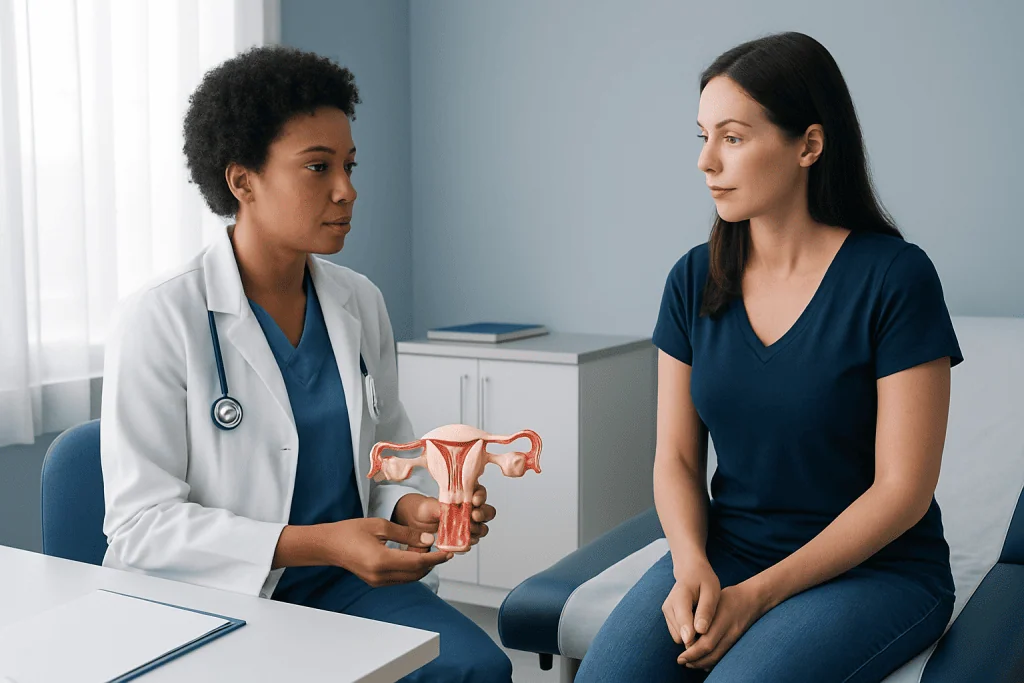
A pelvic exam is a physical examination of the external and internal female reproductive organs. It may include inspection of the vulva, a speculum examination of the vagina and cervix, and a bimanual exam, in which the clinician uses gloved fingers and gentle pressure on the abdomen to feel the uterus and ovaries. In some situations, a rectovaginal exam may also be performed.
The purpose of a pelvic exam is broader than cervical screening. It can help identify signs of infection, irritation, cysts, masses, tenderness, structural changes, or other concerns affecting the reproductive organs. A pelvic exam may be recommended if a person has symptoms such as unusual discharge, pelvic pressure, abnormal bleeding, pain during sex, or concerns about menstruation.
Although a speculum may be used during both a Pap smear and a pelvic exam, the tests are still different. A pelvic exam is based on what the clinician sees and feels during the physical examination. It does not by itself provide the microscopic cell analysis that a Pap smear does.
When Someone May Need One, the Other, or Both
The need for a Pap smear depends mainly on age, screening history, prior results, and risk factors. Many people begin cervical cancer screening in early adulthood, then continue at intervals recommended by their doctor and local guidelines. The exact schedule can vary depending on whether screening is done with a Pap test alone, HPV testing, or both together.
A pelvic exam may be advised for a different reason entirely. It can be part of a routine gynecologic visit, but it is especially useful when symptoms are present. For example, a person with heavy bleeding, persistent pelvic pain, or a feeling of fullness may need a pelvic exam even if cervical screening is up to date. In some cases, the doctor may also recommend a gynecological examination with imaging or lab tests.
It is also possible to have both during the same appointment. This often happens in preventive care visits, because the clinician can perform the pelvic exam first and then collect the cervical cell sample if a Pap smear is due. Combining them can be convenient, but they remain separate parts of care with different goals.
- Pap smear: screens cervical cells for abnormal changes.
- Pelvic exam: checks the reproductive organs for visible or physical signs of disease.
- Both may be done together, but one is not a substitute for the other.
What to Expect During the Appointment
For both tests, the patient is usually asked to undress from the waist down and cover with a drape. The exam is typically done while lying on an examination table with the feet supported. The clinician explains the steps before beginning, and patients should feel free to ask questions, request pauses, or share any concerns about comfort, pain, or past experiences.
During a Pap smear, a speculum is gently placed into the vagina so the cervix can be seen. A small brush or spatula is used to collect cells from the cervix. The sample collection is usually brief. During a pelvic exam, the clinician may inspect the vulva, look inside the vagina and at the cervix with the speculum, and then perform a bimanual examination to feel the uterus and ovaries.
Some people feel pressure, mild discomfort, or temporary cramping, but these tests should generally be manageable. Relaxing the pelvic muscles and breathing slowly can help. If there is significant pain, the patient should tell the clinician right away. When symptoms require further evaluation, additional tests such as ultrasonography may be used after the examination.
Results, Follow-Up, and What Abnormal Findings Mean
Pap smear results usually come back after laboratory analysis. A normal result means no significant abnormal cervical cell changes were found. An abnormal result does not automatically mean cancer. It may reflect mild cell changes, inflammation, HPV-related changes, or findings that simply need repeat testing after a period of time.
Pelvic exam findings are often discussed immediately because they are based on the physical examination. A clinician may note tenderness, discharge, skin changes, masses, or an enlarged uterus or ovaries. Depending on what is found, next steps may include swabs for infection, blood tests, imaging, or referral to a gynecologist.
If a Pap smear is abnormal, follow-up may include repeat screening, HPV testing, or a closer cervical examination with colposcopy. If a pelvic exam suggests another issue, the clinician may investigate conditions such as fibroids, ovarian cysts, prolapse, infection, or other gynecologic concerns. Follow-up is individualized and based on the complete clinical picture.
How to Prepare and How to Make the Exam More Comfortable
Preparation is usually simple. It can help to schedule the visit when menstrual bleeding is light or absent if possible, especially for a Pap smear, since heavy bleeding may interfere with sample quality. Some clinicians advise avoiding vaginal creams, douching, or sexual intercourse for a short period before cervical screening, depending on the situation.
Comfort matters. Patients may wish to empty the bladder before the exam, wear easy-to-remove clothing, and let the care team know if they are pregnant, have had prior pelvic pain, or feel anxious. Asking for a smaller speculum, having each step explained in advance, or requesting a support person can make the experience easier for many people.
Regular preventive care is important, but it should always be respectful and patient-centered. A person has the right to understand why an exam is being suggested and to participate in decisions about care. Near the end of the diagnostic process, some patients may choose centers such as Acibadem International, where multidisciplinary specialists in JCI-accredited hospitals evaluate and treat women’s health conditions for international patients.
When to See a Doctor
Even when routine screening is not yet due, certain symptoms should prompt medical advice. These include bleeding after sex, bleeding between periods, unusually heavy periods, persistent pelvic pain, pain during intercourse, new vaginal discharge with odor or irritation, or a feeling of pressure in the pelvis. These symptoms do not always indicate a serious condition, but they deserve professional evaluation.
It is also important to keep up with recommended cervical screening, even if there are no symptoms. Early cervical cell changes usually do not cause noticeable problems, which is why screening is valuable. People with a history of abnormal Pap results, immune system concerns, HPV infection, or treatment for cervical changes may need closer follow-up.
A doctor can advise whether the next step should be a Pap smear, a pelvic exam, both, or another form of testing. Individual recommendations may differ based on age, medical history, pregnancy status, menopause, prior surgery, and personal risk factors. When in doubt, seeking guidance from a qualified clinician is the safest approach.
Frequently asked questions
Is a Pap smear the same as a pelvic exam?
No. A Pap smear is a screening test that collects cells from the cervix, while a pelvic exam is a physical examination of the reproductive organs. They are often done together, but they have different purposes.
Can someone have a pelvic exam without a Pap smear?
Yes. A pelvic exam may be done to evaluate symptoms such as pelvic pain, abnormal bleeding, or unusual discharge even when cervical screening is not due. The doctor decides which tests are needed based on the reason for the visit.
Can someone have a Pap smear without a full pelvic exam?
In some settings, cervical screening may be performed without a broader full pelvic assessment if there are no symptoms requiring it. However, clinicians may still use a speculum to see the cervix and collect the sample. The exact approach depends on the patient’s needs and the clinician’s judgment.
Does a Pap smear test for sexually transmitted infections?
Not by itself. A Pap smear is mainly used to detect abnormal cervical cells, and it may be combined with HPV testing. Separate tests are usually needed to check for other sexually transmitted infections.
Are Pap smears and pelvic exams painful?
Many people feel pressure or mild discomfort, but the tests are usually brief and manageable. Pain is not something a patient should simply ignore, and it is important to tell the clinician if the exam is uncomfortable. Adjustments can often be made to improve comfort.
How often are Pap smears and pelvic exams needed?
The timing varies based on age, symptoms, past test results, and personal risk factors. Pap smear schedules follow cervical screening guidelines, while pelvic exams are done when clinically appropriate. A qualified doctor can recommend the best schedule for each individual.
References
- World Health Organization
- American College of Obstetricians and Gynecologists
- Centers for Disease Control and Prevention
- National Cancer Institute
This article is for general information only and is not a substitute for professional medical advice. Please consult a qualified doctor about your individual situation.
Oncology care in Turkey — second opinion and treatment plan
JCI-accredited · board-certified surgeons · reply within 24h
Add us as a Preferred Source to see more of our trusted health content across Google Search, AI Overviews and Discover.

More from the Health Library



Related Specialists

Dr. Hande Aygün
Infectious Diseases & Clinical Microbiology
Dr. Hüseyin Demir
Neurosurgery
Dr. Yakup Tire
Cardiovascular Surgery
Prof. Dr. Ayşe Yenigün
Pediatric Allergy