

At Acibadem, How We Arrange Remote Follow-Up With Your Local Doctor

Remote follow-up with your local doctor helps you continue care after treatment in Turkey with shared records, online check-ins, and clear next steps.
If you are traveling for treatment, you may wonder how your care continues once you return home. At Acibadem, remote follow-up is arranged to help you and your local doctor stay informed, with practical coordination around records, check-ins, and next steps.
At a glance
- Best for: Patients who want continuity of care after returning home
- Main goal: Share clear medical information between Acibadem and your local doctor
- Typical tools: Discharge summaries, test results, imaging, online consultations, email coordination
- Who helps: International patient services, interpreters, your treating team, and your local doctor
- When arranged: Usually before discharge and refined after you return home
- What you should do: Keep records organized, know warning signs, and attend all scheduled check-ins
What remote follow-up means for you
Remote follow-up with your local doctor means your care does not stop when your trip ends. After treatment in Turkey, you may need medication review, wound checks, imaging, blood tests, rehabilitation, or routine monitoring in your home country. The aim is to make these next steps easier by giving you and your local doctor the right information at the right time.
At Acibadem International, this process is usually planned before you leave the hospital. Your treating team prepares a discharge summary and relevant reports, and the international patient services team can help explain how these documents may be shared and used for follow-up. If you need language support, interpreters can also help you understand your instructions before you travel home.
Remote follow-up does not replace emergency care in your country. It is designed to support continuity, so your local doctor understands what treatment you had, what recovery milestones to expect, and when to contact your treating team if clarification is needed.
How Acibadem coordinates with your local doctor
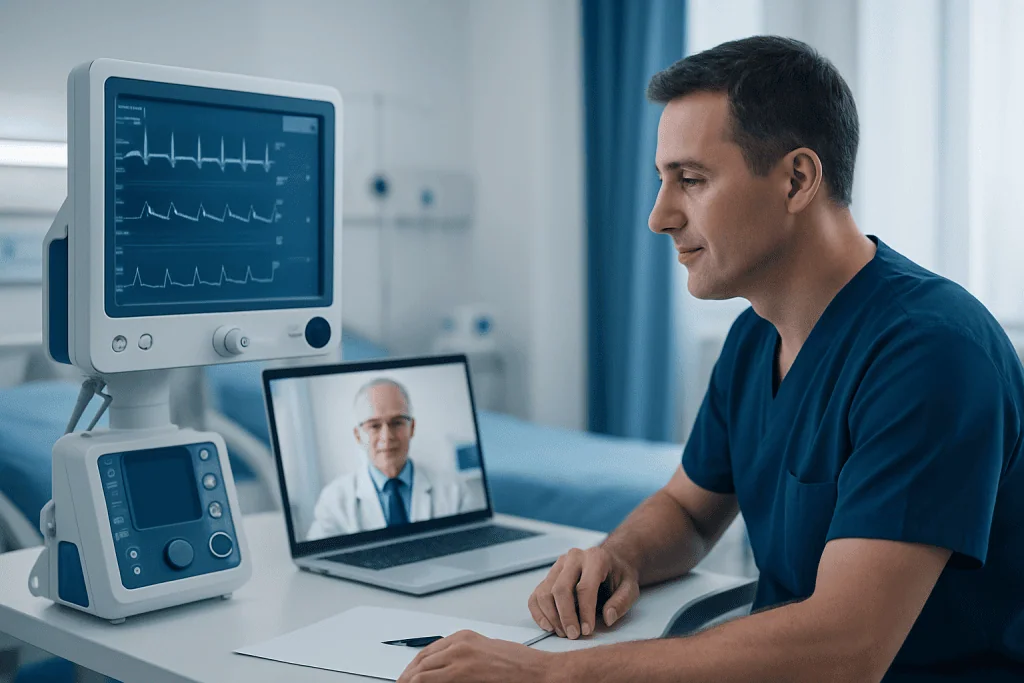
If you already have a family doctor, specialist, or rehabilitation team at home, it helps to share their contact details before discharge. With your permission and according to privacy processes, relevant records can be prepared for you to pass on or, where appropriate, coordinated through secure channels. This reduces the chance of missing details once you are back in your usual care system.
Your local doctor may need practical information such as your diagnosis, the treatment performed, medications started or stopped, activity limits, and the schedule for tests or reviews. In some cases, they may also need copies of imaging reports, pathology results, operative notes, or rehabilitation recommendations. Having these documents available early can make your first local appointment much more productive.
Acibadem International’s multidisciplinary teams are used to caring for international patients, so follow-up planning often includes logistics as well as medical instructions. If there are likely to be questions after discharge, the team can help identify the best route for communication, whether that is an online review, a report update, or guidance for what to discuss with your local clinician.
What information is usually shared
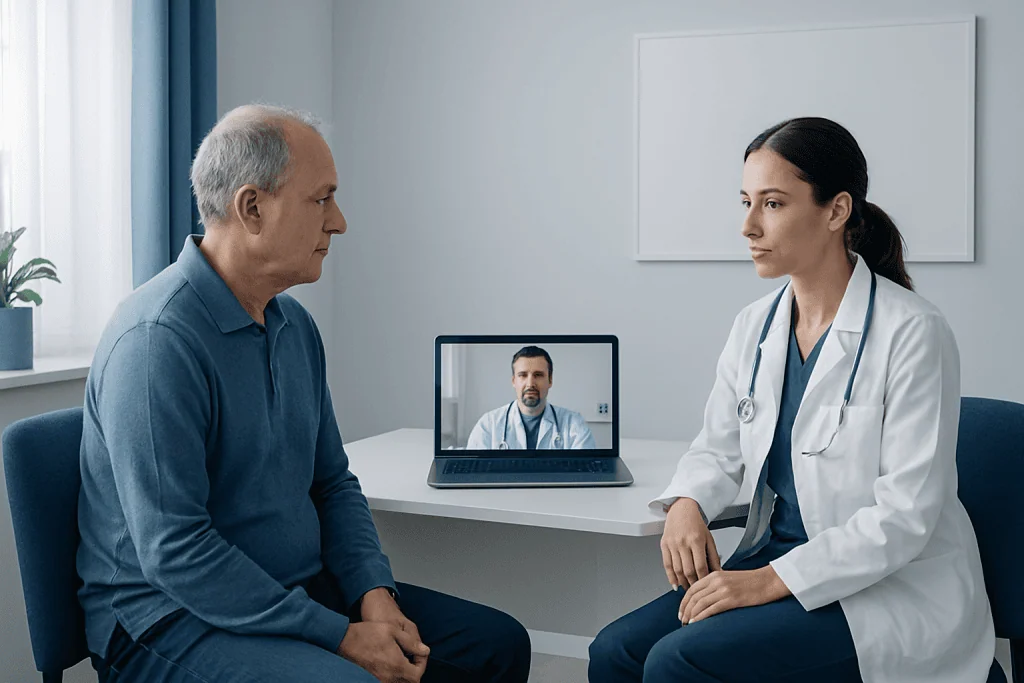
The most useful follow-up package is clear, organized, and easy for another doctor to review. You should expect to receive a discharge summary and a medication list, and you may also receive copies of laboratory results, imaging reports, pathology findings, implant or device information where relevant, and advice on follow-up timing.
It is a good idea to keep both digital and printed copies of your records. If your local doctor works within a busy clinic, a short summary page can be especially helpful alongside the full reports. Ask for clarification on any abbreviations or instructions you do not understand before you leave.
- Discharge summary with diagnosis and treatment details
- Medication list, including changes made during your stay
- Imaging and laboratory reports
- Pathology reports, if applicable
- Advice on warning signs and when to seek urgent care
- Recommended timeline for clinic review, tests, or rehabilitation
If you are under the care of more than one doctor at home, you may wish to share different documents with different teams. For example, your general practitioner may need the overall summary, while a local specialist may focus on imaging, pathology, or rehabilitation recommendations.
How online check-ins and practical follow-up work
Many patients benefit from a planned remote review after they return home. This can help your Acibadem team assess your recovery progress, answer questions about symptoms, and review any test results arranged locally. It can also help your local doctor if they want additional context about the treatment you received in Istanbul or elsewhere in Turkey.
Before an online follow-up, you may be asked to send recent reports, photos, medication updates, or a list of questions. Sending these in advance helps the consultation stay focused and useful. If you need interpretation support, ask early so arrangements can be made.
Not every concern can be safely handled remotely. If you have severe pain, heavy bleeding, difficulty breathing, signs of infection, or any sudden worsening, you should seek urgent local medical care immediately. Remote follow-up works best for planned reviews, clarification, and coordination—not for emergencies.
What you can do before you leave Turkey
The best remote follow-up starts before discharge. Ask who your main contact will be after you return home, what type of questions can be handled remotely, and which symptoms require urgent local assessment. Confirm whether you need any tests at set dates and whether those can be done in your home country.
You should also review your medication plan carefully. Make sure you know the names of your medicines, why you are taking them, how long to continue, and whether there are any interactions or restrictions to discuss with your local doctor. If you have allergies or are using regular long-term medicines, verify that they are accurately listed in your discharge papers.
At Acibadem International, patient support teams can also help with practical details such as obtaining your reports, understanding appointment timing, and planning communication after travel. This is especially helpful if you are managing follow-up across different healthcare systems or languages.
Common challenges and how to make the process smoother
The most common problems in international follow-up are missing documents, unclear medication instructions, language barriers, and delays in booking local appointments. You can reduce stress by requesting your records early, checking that your contact information is correct, and scheduling your home-country review soon after you know your return date.
Another challenge is assuming every issue can wait for a remote opinion. In reality, some symptoms need same-day local assessment. Ask your team for a simple list of red-flag symptoms and keep it with your discharge papers so you and your family know when to seek immediate help.
Finally, remember that your local doctor and your treatment team each have a different role. Your Acibadem specialists understand the treatment you received, while your local doctor understands your broader health history and can examine you in person. When both sides have good information, your follow-up is usually more reassuring and more efficient.
Step by step
- Share your local doctor’s details before discharge. If you already know who will follow you at home, provide their name, specialty, and clinic contact details before you leave. This helps the team prepare records in a way that is practical for your next appointment.
- Collect your medical documents in one place. Ask for your discharge summary, medication list, reports, and any imaging or pathology results you may need later. Keep digital copies on your phone or email and printed copies in your travel folder.
- Confirm the follow-up plan in plain language. Before you travel, make sure you understand when you need your next review, what tests are required, and which symptoms are urgent. If anything is unclear, ask for it to be explained simply or through an interpreter.
- Book your local appointment soon after return. Try to arrange a visit with your local doctor as early as recommended, especially if medication review, wound care, or rehabilitation is needed. Early review can prevent small problems from becoming bigger ones.
- Send updates before any online check-in. If you have a remote review with your Acibadem team, send recent test results, symptom notes, and questions in advance. This helps the appointment focus on decisions and next steps rather than basic information gathering.
- Use local emergency care when needed. Remote follow-up is helpful, but it is not a substitute for urgent medical attention. If you develop severe or sudden symptoms, seek immediate care where you are and share your discharge documents with that team.
Your checklist
- Contact details for your local doctor or clinic
- Discharge summary in a format you can easily share
- Up-to-date medication list with doses and timing
- Copies of test results, imaging reports, and pathology if relevant
- Written list of warning signs that need urgent local care
- Date or timeframe for your next follow-up review
- Questions you want to ask during your online check-in
- Digital backup of all documents on your phone or email
Key takeaways
- Remote follow-up helps connect your treatment in Turkey with your ongoing care at home.
- Your local doctor needs clear records, medication details, and timing for next steps.
- The best follow-up plan is arranged before you leave the hospital, not after a problem arises.
- Online reviews can be useful for questions and progress checks, but they do not replace urgent local care.
- Acibadem International can help with records, interpreter support, and practical coordination for international patients.
Frequently asked questions
Will Acibadem speak directly to my local doctor?
This depends on the situation, your consent, and the practical communication route being used. In many cases, you will receive the key records to share with your doctor, and where appropriate the team can help guide follow-up communication through the proper channels.
What if I do not have a local doctor yet?
You can still travel home with your records and arrange follow-up soon after return. It is best to book a local doctor or specialist as early as possible so someone can review your medicines, recovery progress, and any recommended tests.
Can all follow-up be done online?
No. Some parts of follow-up may work well remotely, such as reviewing symptoms, test results, or recovery questions, but in-person assessment is sometimes necessary. If you need an examination, urgent treatment, wound care, or emergency evaluation, local care is essential.
What records should I share with my local doctor first?
Start with your discharge summary and medication list, because these usually give the clearest overview. Then add imaging reports, lab results, pathology, or rehabilitation instructions if they are relevant to your treatment.
What if my local doctor has questions about my treatment?
Ask them to note their questions clearly and keep your records ready. During a planned follow-up, these points can often be addressed more efficiently when your reports, recent symptoms, and any new test results are available together.
How soon should I arrange follow-up after I get home?
Follow the timing given in your discharge instructions, as this varies by treatment and your personal health needs. If no exact date was given, contact a local doctor promptly after return so you have a clear plan and know who to call if concerns arise.
Add us as a Preferred Source to see more of our trusted health content across Google Search, AI Overviews and Discover.
More Patient Guides
Need More Than One Specialist in Turkey? How Multidisciplinary Care Is Coordinated
Multidisciplinary care in Turkey means your specialists coordinate tests, opinions and treatment plans so you can move through care with fewer delays.
9 min read
How to Compare Hospitals in Turkey for Complex Treatment
Compare hospitals in Turkey for complex treatment by checking accreditation, specialist teams, ICU support, coordination, and follow-up.
9 min read
At Acibadem, How We Explain Surgical Risks and Safety Checks Before You Travel
Surgical risks and safety checks before travel means understanding your personal risk, required tests, and travel timing before coming to Turkey.
9 min read