Double Vision Causes: When Diplopia May Point to a Nerve or Brain Problem

Double vision may be monocular (in one eye) or binocular (only when both eyes are open), and this difference helps identify the cause. Sudden diplopia can sometimes signal a nerve palsy, stroke, aneurysm, myasthenia gravis, or another neurological condition.
Key Takeaways
- Double vision may be monocular (in one eye) or binocular (only when both eyes are open), and this difference helps identify the cause.
- Sudden diplopia can sometimes signal a nerve palsy, stroke, aneurysm, myasthenia gravis, or another neurological condition.
- Associated symptoms such as drooping eyelid, severe headache, weakness, numbness, speech changes, or imbalance need urgent medical attention.
- Diagnosis may involve a detailed eye and neurological examination, blood tests, and imaging such as MRI or CT when needed.
- Treatment depends on the underlying cause and may include prism glasses, eye patching, medication, or treatment of a neurological disorder.
Double vision, also called diplopia, can happen for several reasons, from common eye alignment problems to conditions affecting the nerves, brainstem, or brain. Sudden, persistent, or neurologically accompanied diplopia should be assessed promptly to find the cause and guide treatment.
Overview
Double vision, known medically as diplopia, means seeing two images of a single object. The images may appear side by side, one above the other, or slightly tilted. Some people notice it all the time, while others experience it only in certain directions of gaze or when tired.
A key first step is to determine whether the double vision is monocular or binocular. Monocular diplopia remains when one eye is open by itself and is more often linked to a problem within that eye, such as the cornea, lens, or tear film. Binocular diplopia disappears when either eye is covered and usually happens because the eyes are not moving together properly.
When binocular diplopia starts suddenly, it can sometimes point to a problem affecting the nerves that control eye movement, the muscles themselves, or the parts of the brain that coordinate vision. This does not always mean a serious illness is present, but it does mean the symptom should not be ignored. Careful assessment helps distinguish common and treatable causes from conditions that need urgent care.
Symptoms and Patterns That Help Identify the Cause
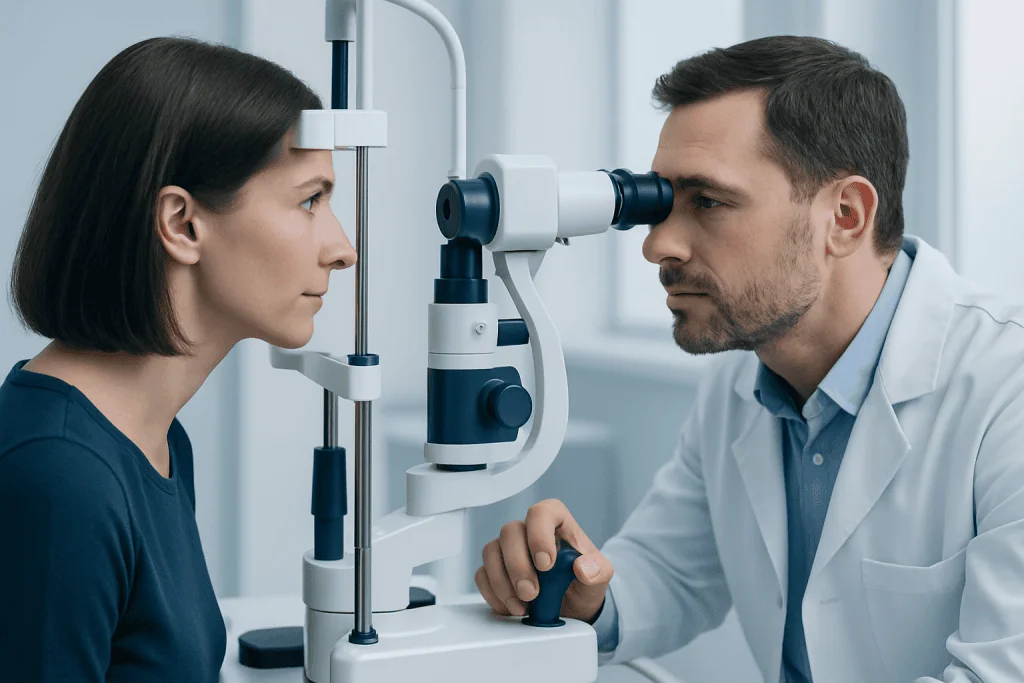
People describe double vision in different ways. Some see two clear images, while others notice shadowing or ghosting. The symptom may be worse when looking left or right, when reading, or at the end of the day. The direction and timing of diplopia often give useful clues about which eye muscle or nerve may be involved.
Monocular diplopia is more likely to be related to an eye surface or focusing issue. Dry eye, astigmatism, cataract, or other eye conditions can cause a second blurred image even when one eye is covered. Binocular diplopia suggests that the two eyes are not aligned properly and may occur with eye muscle weakness, nerve palsy, thyroid eye disease, or conditions such as myasthenia gravis.
Other symptoms can help narrow the diagnosis. These may include a drooping eyelid, eye pain, headache, facial numbness, weakness, dizziness, imbalance, speech difficulty, or trouble swallowing. If double vision is accompanied by any new neurological symptom, urgent evaluation is important because causes such as stroke or other brain disorders need prompt attention.
- Horizontal double vision may suggest weakness of muscles that move the eyes inward or outward.
- Vertical double vision may occur with problems in muscles that move the eyes up or down.
- Fluctuating symptoms that worsen with fatigue can suggest myasthenia gravis.
- Painful double vision may be seen with inflammation, sinus-related problems, or some nerve disorders.
Double Vision Causes: Eye, Nerve, and Brain Problems

There are many possible double vision causes, and not all are neurological. Common eye-related causes include dry eye, cataract, refractive error, and corneal irregularities. These are more often responsible for monocular diplopia and are usually diagnosed during a routine eye examination.
Binocular diplopia often reflects misalignment of the eyes. This may happen because of weakness in one or more eye muscles or because the nerves controlling those muscles are not working normally. The third, fourth, and sixth cranial nerves help coordinate eye movement. A problem affecting any of them can lead to sudden double vision. In older adults, small blood vessel disease related to diabetes or high blood pressure can sometimes cause a temporary nerve palsy.
Neurological causes include stroke, brainstem disorders, multiple sclerosis, head injury, tumors, increased pressure around the brain, and aneurysm. A third nerve palsy with a drooping eyelid or a larger pupil is especially important because it can sometimes be linked to an aneurysm and may require urgent imaging. Disorders of the neuromuscular junction, including myasthenia gravis, can also interfere with eye movement without directly damaging the eye muscles.
Other causes include thyroid eye disease, orbital inflammation, infection, and trauma to the eye socket. In children, double vision deserves prompt medical attention because it can affect visual development or reflect a significant neurological issue. Because the list of possibilities is broad, diagnosis depends on the exact pattern of symptoms and findings on examination.
Risk Factors and Red Flags
Certain health conditions make some causes of diplopia more likely. Diabetes, high blood pressure, high cholesterol, smoking, and vascular disease increase the risk of small-vessel cranial nerve palsies and stroke. Autoimmune disease can raise the chance of inflammatory or neuromuscular causes, while thyroid disease may affect the tissues around the eyes.
Recent head trauma, sinus or orbital infection, severe migraine, and a history of neurological disease are also relevant. In some people, double vision is intermittent and long-standing because of a childhood eye alignment problem that becomes harder to control later in life. In others, new diplopia appears after surgery, severe illness, or prolonged visual strain, although these situations still need proper assessment.
Some symptoms should be treated as red flags. Sudden double vision with severe headache, new weakness, numbness, trouble speaking, confusion, loss of balance, or facial droop needs emergency care. A painful eye movement disorder, a new drooping eyelid, one enlarged pupil, or vision loss also warrants urgent review. These features can suggest serious eye, nerve, or brain problems that should not wait for a routine appointment.
How Doctors Diagnose Diplopia
Diagnosis begins with a detailed history. Doctors ask whether the double vision is present in one eye or both, when it started, whether it is constant or intermittent, and which directions of gaze make it worse. They also ask about headache, pain, trauma, infection, weakness, fatigue, thyroid disease, diabetes, and other medical conditions.
The examination typically includes visual acuity, pupil reactions, eyelid position, eye alignment, and eye movement testing. Cover tests and measurements of the eye deviation help identify which muscles are affected. A slit-lamp exam may be used to look for corneal, lens, or tear film abnormalities in monocular diplopia, while a neurological examination looks for other signs of nervous system disease.
Blood tests may be used if doctors suspect thyroid disease, inflammation, infection, or myasthenia gravis. Imaging is often important when symptoms are sudden, painful, progressive, or associated with neurological findings. Depending on the situation, this may include MRI scanning, CT, or vascular imaging to examine the brain, orbit, and blood vessels. In selected cases, doctors may also recommend a neurological evaluation or referral to specialists in ophthalmology, neurology, or neuro-ophthalmology.
Treatment Options
Treatment for double vision depends entirely on the cause. If the issue is monocular and related to dry eye, corneal irregularity, cataract, or refractive error, treatment focuses on the eye itself. This may include lubricating drops, updated glasses, contact lens adjustment, or cataract management. The goal is to improve the optical quality of the image entering the eye.
For binocular diplopia, short-term symptom relief may come from patching one eye or using temporary prism lenses. These measures do not treat the underlying condition, but they can make daily activities more comfortable while evaluation or recovery is ongoing. Prism glasses may be especially helpful when the eye misalignment is stable.
Specific treatment may include managing diabetes or blood pressure in a nerve palsy, treating thyroid eye disease, prescribing medication for inflammation, or addressing myasthenia gravis or another neurological disorder. Some cases improve on their own over weeks to months, especially microvascular cranial nerve palsies, but close follow-up is still important. If a structural brain or vascular problem is found, care may involve specialists in brain and nerve surgery or stroke and vascular teams.
When eye misalignment persists after recovery or does not respond to other measures, surgery on the eye muscles may be considered. Management is individualized, and treatment decisions depend on age, cause, symptom severity, and the presence of other health conditions. Near the end of the diagnostic pathway, some international patients may choose centers such as Acibadem International, where multidisciplinary specialists in JCI-accredited hospitals evaluate and treat complex neuro-ophthalmic conditions.
Prevention, Self-Care, and When to Seek Medical Help
Not every cause of diplopia can be prevented, but general health measures can lower the risk of some important conditions. Good control of diabetes, high blood pressure, and cholesterol supports the health of small blood vessels and nerves. Not smoking, attending regular eye examinations, and following treatment for thyroid or autoimmune disease can also help reduce complications.
At home, it may help to note when the double vision occurs, whether covering one eye makes it disappear, and whether it is associated with fatigue, headache, or specific gaze directions. This information can be very useful during the medical assessment. People should avoid driving or operating machinery if double vision interferes with safe vision.
Medical advice should be sought promptly for new or unexplained double vision, even if symptoms are mild. Emergency care is needed if the symptom starts suddenly or comes with severe headache, weakness, numbness, speech or balance problems, a drooping eyelid, eye pain, or vision loss. Early evaluation improves the chance of finding the cause quickly and starting appropriate care.
Frequently asked questions
Is double vision always a sign of a brain problem?
No. Double vision can come from eye-related issues such as dry eye, astigmatism, or cataract, especially if it remains when one eye is covered. However, binocular double vision can also be caused by nerve, muscle, or brain conditions, so new symptoms should be evaluated.
What is the difference between monocular and binocular diplopia?
Monocular diplopia stays present when only one eye is open and is usually related to a problem within that eye. Binocular diplopia disappears when either eye is covered and usually means the eyes are not aligned properly. This distinction helps doctors decide what tests may be needed.
When is double vision an emergency?
Double vision needs urgent medical attention if it begins suddenly or comes with severe headache, weakness, numbness, trouble speaking, loss of balance, eyelid drooping, or a change in pupil size. These features can suggest a stroke, aneurysm, or another serious neurological condition.
Can fatigue cause double vision?
Fatigue can make some underlying eye alignment problems more noticeable. It may also worsen conditions such as myasthenia gravis, where muscle weakness fluctuates during the day. Even if tiredness seems to trigger symptoms, persistent or recurring double vision should still be checked.
How do doctors test the cause of double vision?
Doctors usually start with questions about when the symptom began, whether it affects one or both eyes, and what other symptoms are present. They then examine eye movements, alignment, pupils, eyelids, and vision, and may order blood tests or imaging such as MRI or CT if needed.
Can double vision go away on its own?
Sometimes it can, depending on the cause. For example, some small-vessel nerve palsies improve over weeks or months, while dry eye-related symptoms may improve once the eye surface is treated. Even so, it is important not to assume it will resolve without medical assessment.
References
- American Academy of Ophthalmology
- National Eye Institute
- National Institute of Neurological Disorders and Stroke
- Mayo Clinic
- Merck Manual Professional Edition
This article is for general information only and is not a substitute for professional medical advice. Please consult a qualified doctor about your individual situation.
Explore treatments in Turkey — costs, top hospitals & a free quote
JCI-accredited · board-certified surgeons · reply within 24h
Add us as a Preferred Source to see more of our trusted health content across Google Search, AI Overviews and Discover.
Check your numbers in seconds
BMI, calories, due date, blood pressure and 30+ more clinical calculators — free, instant, doctor-reviewed ranges.

More from the Health Library



Related Specialists

Dr. Abdurrahman Yaycı
Anesthesiology
Assoc. Prof. Dr. Fatih Büyükcam
Emergency Service
Dr. Şirin Zeynep Haskalp Arıkan
Pediatrics
Prof. Dr. İftahar Köksal
Infectious Diseases & Clinical Microbiology