

Questions to Ask Before Surgery in Turkey: A Patient Decision Checklist

Questions to ask before surgery in Turkey: use this patient checklist to compare hospitals, surgeons, costs, travel, safety and aftercare in Istanbul.
If you are considering surgery in Turkey, the right questions can help you feel informed, safe, and organized before you travel. This guide gives you a practical checklist to use when comparing hospitals, planning your trip, and preparing for recovery.
At a glance
- Best for: Patients comparing hospitals, surgeons, travel plans, and aftercare before surgery in Turkey
- Main goal: Help you ask clear, useful questions before making a treatment decision
- What to confirm: Safety standards, team experience, total costs, travel logistics, and follow-up
- When to use it: Before accepting a treatment plan, paying a deposit, or booking flights
- Helpful support: International patient coordinators, interpreters, and accommodation planning
Why asking the right questions matters
Choosing surgery abroad is not only a medical decision. It is also a travel decision, a financial decision, and a recovery planning decision. Asking the right questions early helps you understand what is included, what is not, and what support you can expect before, during, and after your stay in Turkey.
Many patients focus first on the procedure itself, but practical details often shape the overall experience just as much. You will want to know who will review your records, how your case is assessed, whether the hospital is accredited, what language support is available, and how follow-up works once you return home.
A good provider should be comfortable answering your questions clearly and in writing. If answers feel vague, rushed, or inconsistent, that is useful information. You deserve enough time and support to make a calm decision, especially for surgery.
Questions to ask about the hospital and safety standards
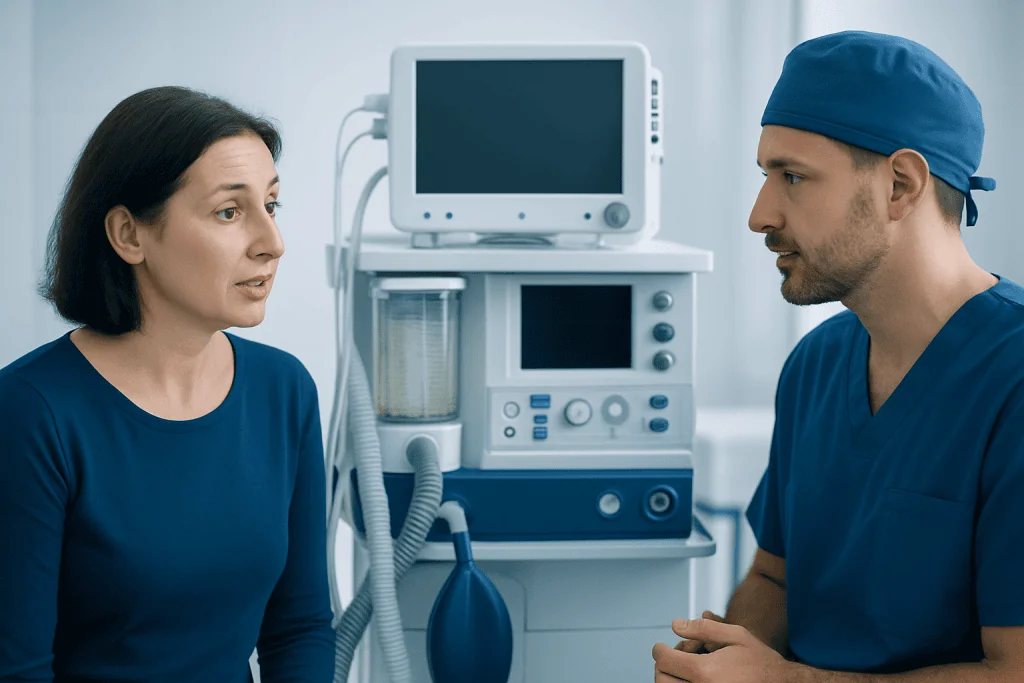
Start with the hospital itself. Ask whether your surgery will take place in a fully equipped hospital rather than a small clinic setting, and whether the hospital follows internationally recognized quality and safety systems. For many international patients, accreditation is one of the first signs that a provider has structured standards for patient care and safety.
You can also ask about emergency readiness, intensive care access if needed, infection prevention processes, and how pre-operative assessments are carried out. These questions are not confrontational; they are responsible. A well-organized hospital should explain how it protects patients before, during, and after surgery.
At Acibadem International, patients often value knowing that care is delivered in JCI-accredited hospital environments with multidisciplinary teams and dedicated international patient services. Even if you are comparing several providers, use the same safety questions with each one so you can compare like for like.
- Is the hospital accredited, and by which body?
- Will my procedure be performed in a hospital setting?
- What pre-surgery tests or evaluations are required?
- How are emergencies handled if complications arise?
- Who will coordinate my care as an international patient?
Questions to ask about your surgeon and care team

It is reasonable to ask who will actually perform your surgery, who you will meet before the procedure, and which other specialists may be involved in your care. In some cases, patients speak to a coordinator first and do not realize they should also ask when they will have a proper consultation with the surgeon or specialist team.
Ask how your medical records and imaging will be reviewed, whether a multidisciplinary discussion is needed, and if additional tests in Turkey might change the treatment plan. You should also understand who will see you after surgery, who handles pain management, and who to contact if you have concerns during recovery.
If language is a concern, ask whether professional interpreters are available rather than relying on informal translation. Hospitals such as Acibadem International commonly support international patients with coordinators and interpreter services, which can make appointments, consent discussions, and discharge instructions much easier to follow.
Questions to ask about costs, quotes, and what is included
Before you commit, ask for a clear written quote and a breakdown of what it covers. Many misunderstandings happen because patients assume tests, medications, overnight stays, airport transfers, or follow-up visits are automatically included. A detailed quote helps you compare providers fairly and budget more accurately.
Ask what could cause the cost to change. For example, if your pre-operative tests show that you need extra imaging, a longer hospital stay, or a different treatment approach, will there be additional charges? You should also ask about payment timing, accepted currencies, deposit rules, cancellation terms, and refund policies if surgery is postponed for medical reasons.
Try to separate medical costs from travel costs in your planning. Flights, hotel stays, companion expenses, local transport, and extra recovery days can affect your overall budget. A reliable international patient department should help you understand the full practical picture, not just the procedure fee.
- What is included in the written quote?
- Are pre-op tests, medications, implants, pathology, or imaging included if relevant?
- How many nights in hospital are included?
- Are airport transfers or hotel arrangements available?
- What happens if I need to stay longer than planned?
Questions to ask about travel, timing, and your stay in Turkey
Your surgery plan should match a realistic travel plan. Ask how many days before surgery you should arrive, whether jet lag or long-haul travel affects preparation, and how long you should remain in Turkey afterward for check-ups and early recovery. Booking return travel too early can create stress if your medical team recommends an extra review.
You should also ask whether you can travel alone or should bring a companion, especially if mobility may be limited after surgery. If you need a wheelchair, step-free access, or help moving between hospital and hotel, say so early. These details matter more than many patients expect.
Acibadem International and similar international patient services can often help with appointment scheduling, transport guidance, interpreters, and accommodation planning. That kind of support can reduce friction and help you focus on your treatment rather than trying to coordinate every detail from abroad.
Questions to ask about recovery, aftercare, and going home
One of the most important questions is what happens after surgery, not just on the day itself. Ask what the expected recovery timeline looks like, what limitations you may have, when you can fly home, and what warning signs should prompt urgent medical advice. This helps you prepare your home life and work arrangements realistically.
You should also ask what written discharge information you will receive in English, whether your test results and operative notes will be shared with you, and how follow-up appointments work once you leave Turkey. If you need dressings, medication adjustments, or remote check-ins, it is better to know that in advance.
For international patients, continuity matters. A provider should explain how to contact the team after discharge and what support is available if you have questions when you are back home. Clear aftercare communication can make recovery feel much less uncertain.
How to compare answers and make your decision
Once you have spoken with one or more providers, compare the answers side by side. Look for clarity, consistency, and completeness rather than only speed of response. The best choice is often the place that makes you feel well informed and well supported, not the one that simply sends the shortest quote or the fastest message.
Pay attention to how your questions are handled. Are you given clear written next steps? Are medical and logistical questions answered separately and properly? Are risks and recovery discussed honestly? Good communication before surgery is often a strong sign of what communication will be like during your care.
If you are speaking with Acibadem International or another large hospital group, ask how the international patient team coordinates with the medical team, what language support is available, and how post-discharge follow-up is organized. A calm, structured process usually means fewer surprises later.
Step by step
- Gather your medical information first. Before you ask for quotes or treatment plans, collect recent reports, imaging, medication lists, and a brief medical history. Sending complete information helps the hospital assess your case more accurately and reduces the chance of major plan changes after you arrive.
- Make a written question list. Use one checklist for every provider you contact so you can compare answers fairly. Include questions about safety, accreditation, the surgeon, costs, travel timing, hospital stay, and follow-up after you return home.
- Request a clear written treatment outline. Ask for a written summary of the proposed surgery, expected timeline, likely hospital stay, and recovery milestones. This gives you something concrete to review with family, your local doctor, or a second opinion service if needed.
- Check practical support for international patients. Ask who will help with appointments, interpreter services, airport logistics, and accommodation questions. Dedicated international patient support, like the services offered at Acibadem International, can make a complex trip much easier to manage.
- Review the total budget, not only the surgery fee. Look beyond the procedure cost and include flights, hotel, companion travel, local transport, meals, extra nights, and medicines after discharge. A realistic budget helps you avoid stress if your stay needs to be longer than expected.
- Plan enough time in Turkey and after you get home. Do not book a tight travel schedule before you know how long pre-op assessment and early recovery will take. Also think ahead about time off work, help at home, childcare, or mobility support during the first part of recovery.
- Confirm aftercare and emergency contact details. Before you travel, know exactly who to contact if you have concerns after discharge or once you return home. Ask what symptoms require urgent attention and whether remote follow-up is available.
Your checklist
- Ask whether the surgery will be performed in an accredited hospital setting
- Confirm who will perform the operation and who else will be involved in your care
- Request a written quote with a clear list of included and excluded items
- Ask how long you should stay in Turkey before and after surgery
- Check if interpreter support is available for consultations and discharge instructions
- Confirm what documents and test results you should bring or send in advance
- Ask when it is medically appropriate to fly home
- Understand how follow-up works after you return to your country
- Keep copies of your reports, passport, insurance documents, and emergency contacts
Key takeaways
- The best questions before surgery in Turkey cover safety, team experience, costs, travel, and aftercare.
- A written quote and written treatment outline help you compare providers more confidently.
- Recovery planning is just as important as the surgery date itself.
- Interpreter services and international patient coordination can significantly improve your experience.
- Do not book tight return travel until you understand the likely timeline for follow-up and early recovery.
Frequently asked questions
What are the most important questions to ask before surgery in Turkey?
Start with questions about hospital accreditation, who will perform the surgery, what pre-operative tests are required, and what the written quote includes. Then ask about recovery time, how long you should stay in Turkey, and what follow-up support you will have after you return home.
How do I know if a hospital in Turkey is suitable for international patients?
Look for structured international patient services, clear communication in English, interpreter availability, and transparent written information. Many patients also check whether the hospital is JCI-accredited and whether treatment is delivered in a full hospital environment with multidisciplinary support.
Should I ask for a written quote before booking flights?
Yes. A written quote helps you understand what is included and whether extra tests, medication, hospital nights, or follow-up visits may cost more. It is also wise to confirm the expected timeline before booking flights so you do not plan your return too early.
Is it normal to ask about risks and possible complications?
Absolutely. A responsible provider should explain the general risks, what symptoms to watch for, and how the team would respond if something unexpected happens. Asking these questions helps you prepare and shows that the hospital communicates openly.
Do I need to bring someone with me for surgery in Turkey?
That depends on the type of surgery, your general health, and how independent you expect to be right afterward. For some patients, especially after more involved procedures, having a companion can make transport, mobility, and early recovery more manageable.
What should I ask about aftercare before I travel?
Ask when you will be reviewed after surgery, when you can fly, what medication or wound care you may need, and how to contact the team after discharge. Also ask whether you will receive discharge notes and results in English to share with your local doctor if needed.
Can international patient teams help with logistics as well as appointments?
Yes, many do. At hospitals like Acibadem International, international patient services may help coordinate appointments, interpreters, and practical guidance around transport and accommodation, which can make the process smoother for you and your companion.
Add us as a Preferred Source to see more of our trusted health content across Google Search, AI Overviews and Discover.
More Patient Guides

Hospital vs Outpatient Treatment in Turkey: What Changes for International Patients
Hospital vs outpatient treatment in Turkey changes your stay, paperwork, support and recovery plan. Here is what international patients should expect.
9 min read
When Intensive Care May Be Needed After Surgery in Turkey
Intensive care after surgery in Turkey may be planned or precautionary. Learn what to expect in Istanbul, how families are updated, and…
9 min read
What to Bring for a Day Procedure in Turkey
What to bring for a day procedure in Turkey: pack your ID, medical documents, medications, comfortable clothes and a simple discharge plan.
8 min read