

How to Plan Follow-Up Blood Tests After Returning Home from Turkey

Follow-up blood tests after returning home from Turkey work best when you confirm timing, share results securely, and coordinate your local doctor with…
If you need blood tests after treatment in Turkey, a simple plan can make follow-up feel much easier. The key is to leave with clear instructions, book local testing early, and make sure results reach the right team in a format they can review quickly.
At a glance
- Best time to plan: Before you leave Turkey
- Main goal: Get the right tests at the right interval and share results securely
- Who to coordinate: Your treating team in Turkey and your local doctor or lab
- Useful documents: Discharge summary, test list, medication list, passport details
- Common issues: Different lab units, delayed booking, unclear timing, missing reports
- Support available: Interpreter, records, and international patient coordination
Why follow-up blood tests matter after you return home
After treatment abroad, blood tests are often one of the simplest ways to check how you are recovering. They may be used to monitor medication effects, confirm that inflammation or infection markers are improving, review hormone or vitamin levels, or support longer-term treatment planning. Even when you feel well, these tests can help your doctors spot changes early and guide the next step.
The most helpful approach is to think of follow-up as a handover between two parts of your care: the team who treated you in Turkey and the doctors or laboratory staff you will see at home. If this handover is clear, your follow-up is usually smoother. If details are missing, delays can happen because a local clinic may not know exactly which tests are needed, when they should be done, or how urgently results should be reviewed.
If you were treated at Acibadem International, the international patient services team can help organize discharge documents and communication so you are not left trying to translate medical details on your own. This is especially useful when test names differ between countries or when your home laboratory uses different reporting units than the hospital in Istanbul or elsewhere in Turkey.
What to confirm before you leave Turkey
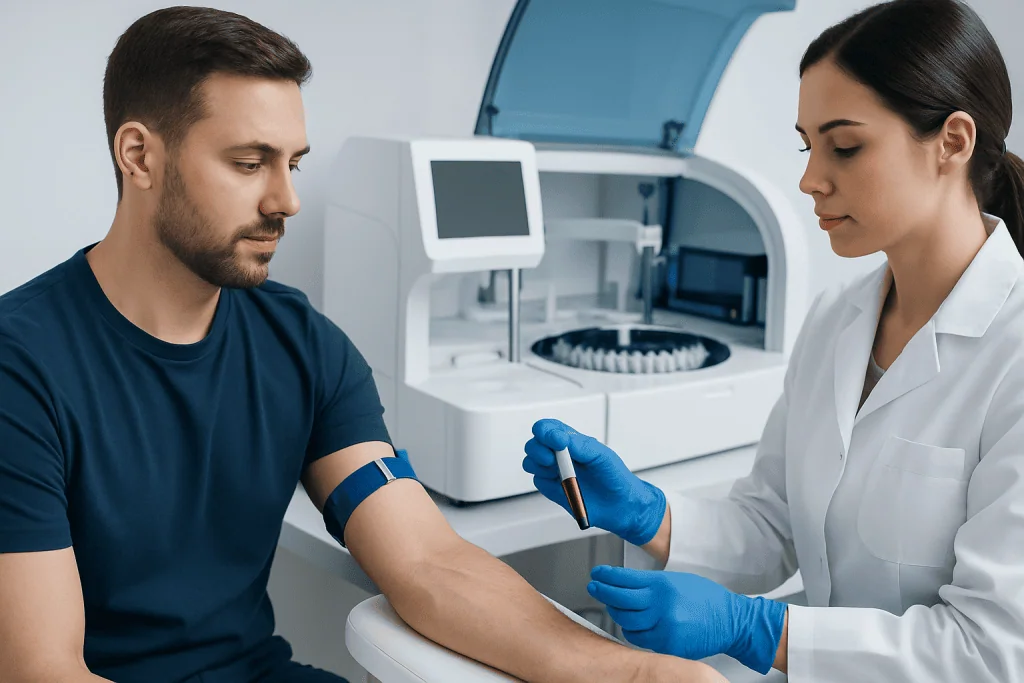
The best time to plan follow-up blood tests after returning home from Turkey is before your flight. Ask your treating team for a written list of every required blood test, the reason for each one if possible, and the exact timing. For example, one test may be needed in 3 days, another in 2 weeks, and another monthly. Small timing differences can matter, especially if you are taking antibiotics, blood thinners, hormone treatment, or medications that need monitoring.
You should also ask who will review the results once you are home. In some cases, your local doctor can manage routine follow-up; in others, your treating specialist in Turkey may want to see the first set of results and advise what to do next. Make sure you know how to send reports securely, what file format is preferred, and whether photos of printouts are acceptable or if full PDF laboratory reports are needed.
Before discharge, it helps to leave with:
- A discharge summary in English if available
- A medication list with doses and duration
- A clear blood test schedule with dates or time intervals
- Any target ranges or warning values your doctor wants monitored
- Contact details for the international patient team or clinic coordinator
- Instructions on what to do if results are abnormal or symptoms change
If language is a concern, ask for support while these instructions are reviewed with you. Acibadem International commonly assists international patients with interpreters and practical coordination, which can be very helpful when you need to understand both the medical plan and the travel logistics around it.
How to arrange blood tests in your home country

Once you are back home, try to book any required tests as early as possible rather than waiting until the due date. Some laboratories accept walk-ins, but others require appointments, doctor referrals, or specific forms. If your tests need to be done at a certain time of day, fasting, or before taking your morning medication, mention this when booking so you are not turned away or asked to repeat the test.
If you have a family doctor, GP, or local specialist, send them your discharge paperwork in advance and ask whether they can order the tests for you. This can make the process smoother because your local clinician can translate the plan into the request format used in your country. They can also advise whether a hospital lab, private lab, or community clinic is most appropriate based on urgency and the type of tests needed.
When choosing where to test, consider practical points such as opening hours, turnaround time, whether they can provide reports in English, and whether they can email a full PDF result. If you are monitoring a condition over time, it can be helpful to use the same laboratory for repeat tests where possible, because reference ranges and reporting formats may differ between providers.
How to share results clearly and avoid confusion
One of the most common follow-up problems is not the blood test itself, but how the result is sent. A blurry phone photo, a cropped screenshot, or a message without your name and treatment date can slow down review. Whenever possible, send the full laboratory report as a PDF and include your full name, date of birth, hospital or patient number if you have one, the date the sample was taken, and a short note explaining where you are in the follow-up plan.
Different countries sometimes report the same test in different units. This does not necessarily mean something is wrong. It simply means the reviewing doctor may need the original report to interpret it correctly. Avoid rewriting numbers by hand unless you are specifically asked to do so, because transcription mistakes are easy to make, especially with decimal points or abbreviations.
If your treating team at Acibadem International is reviewing the results, send them through the recommended communication channel rather than multiple personal messaging apps. A secure, organized route helps the team match the result to your file and respond more efficiently. Keep copies of everything you send, including the original report and any reply you receive.
If a result is marked urgent by your local lab, do not wait only for an international response. Contact your local doctor or urgent care provider promptly, especially if you also feel unwell. Follow-up works best when your care team in Turkey and your local medical support are both part of the picture.
Timing, fasting, medicines, and other practical details
Many blood tests are straightforward, but some need special preparation. Ask whether you need to fast, avoid supplements, pause certain medicines, drink extra water, or attend at a specific hour. Do not stop prescribed medication unless your doctor has clearly told you to do so. If instructions are unclear, clarify before the test rather than guessing.
Try to keep your testing conditions as consistent as possible for repeat monitoring. If your doctor wants weekly or monthly checks, going at a similar time of day and using the same laboratory can make trends easier to compare. This is particularly helpful for hormone levels, drug monitoring, blood sugar-related tests, and any results that can shift based on timing or recent food intake.
Travel fatigue, dehydration, time-zone disruption, and changes in routine can also affect how you feel in the days after you return home. Even if a blood test is scheduled soon after travel, remember that symptoms such as fever, severe weakness, increasing pain, shortness of breath, unusual bleeding, or signs of dehydration should be reported promptly. A blood test is useful, but it should never replace urgent local medical attention when warning signs appear.
When to contact your doctor sooner than planned
A follow-up schedule is a guide, but it may need to change if your recovery does not feel as expected. Contact a local doctor promptly if you develop new or worsening symptoms, cannot keep down fluids or medication, have signs of infection, or notice swelling, chest symptoms, significant dizziness, or bleeding. If you were given specific thresholds for concern at discharge, treat those instructions as your priority.
It is also sensible to ask for help sooner if you are struggling with the logistics. For example, if your local laboratory cannot perform a test, if the report will be delayed beyond the planned review date, or if the wording on the request form is unclear, let the team know early. Small administrative issues are usually easier to solve before the planned testing window is missed.
Acibadem International’s JCI-accredited hospitals and multidisciplinary teams often support international patients through this coordination phase by helping clarify discharge instructions, records, and follow-up communication. That support can be reassuring, but your nearest local doctor or emergency service remains the right first contact for urgent symptoms once you are home.
Step by step
- Leave Turkey with a written test plan. Before you travel, ask for a clear list of which blood tests you need and when each one should be done. Make sure you also know who should review the results and how they should be sent.
- Collect your key documents in one place. Keep your discharge summary, medication list, recent test results, passport details, and hospital contact information together digitally and on paper if possible. This makes it much easier to book local testing and answer questions from your doctor or lab.
- Book your local laboratory early. As soon as you return home, contact your GP, specialist, or preferred laboratory to arrange the required tests. Mention any special instructions such as fasting, morning sampling, or testing before taking medication.
- Prepare properly on the day of testing. Follow the instructions you were given about food, drinks, medicines, and timing. If anything is unclear, check before the appointment rather than changing your medication routine on your own.
- Send the full report, not just the numbers. Share the complete lab report in its original format whenever possible, ideally as a PDF. Include your identifying details and the date of sampling so the reviewing team can match the result to your treatment plan.
- Act on urgent results locally. If the laboratory flags a critical result or you feel unwell, contact your local doctor or emergency service without delay. International follow-up is valuable, but urgent decisions should be made where you are.
- Track the next review point. After the first set of results is reviewed, confirm whether you need repeat tests and on what schedule. Put reminders in your calendar so longer-term monitoring does not get lost once daily life becomes busy again.
Your checklist
- Written list of required blood tests
- Exact timing for each test after your return home
- Discharge summary in English if available
- Current medication list with doses
- Contact details for your Turkey-based care team or coordinator
- Local doctor or lab appointment booked
- Instructions about fasting or medication timing confirmed
- Secure way to send full laboratory reports
- Plan for what to do if symptoms worsen or results are urgent
Key takeaways
- Plan your follow-up blood tests before leaving Turkey, not after you get home.
- Ask for a written test schedule, medication list, and clear instructions on who reviews results.
- Use a local doctor or laboratory early to avoid missing the recommended testing window.
- Send full original lab reports, because units and reference ranges may differ between countries.
- Urgent symptoms or critical results should be handled locally without waiting for remote review.
Frequently asked questions
When should I arrange follow-up blood tests after returning home from Turkey?
Ideally, the plan should be arranged before you leave Turkey and the local booking should be made soon after you return home. This helps you avoid delays, especially if your country requires a doctor referral or your preferred laboratory has limited appointments.
Can my local doctor order the blood tests instead of the hospital in Turkey?
In many cases, yes. Your local doctor can often use your discharge summary and follow-up instructions to request the correct tests in the format accepted in your country. They can also help interpret results in the context of your general health and advise if local review is needed sooner.
What if the test names or units on my local report look different?
This is common and does not automatically mean the result is incorrect. Different laboratories and countries may use different terminology, abbreviations, or units, which is why sending the original full report is important. The reviewing team can usually interpret the result more accurately when they see the laboratory's own reference range.
Do I need to fast before every follow-up blood test?
No, not every blood test requires fasting. The need to fast depends on the specific tests ordered, the timing of your medicines, and sometimes the time of day. If you are unsure, ask the laboratory or your doctor before the appointment.
How should I send my results to the team in Turkey?
Use the communication method recommended at discharge, ideally a secure channel that allows the team to match the report to your medical file. Send the complete report rather than isolated numbers, and include your full name, date of birth, and the date the blood sample was taken.
What if I cannot get the blood test done on the exact date requested?
A small delay may be acceptable for some routine tests, but not for all. Contact your local doctor and the reviewing team as soon as you know there may be a delay, so they can advise whether the timing still works or should be adjusted.
Should I wait for the hospital in Turkey if I feel unwell after I get home?
No. If you have urgent symptoms such as fever, worsening pain, bleeding, breathing difficulty, faintness, or signs of dehydration, seek local medical care immediately. Your treating team in Turkey can still be updated afterward, but urgent assessment should happen where you are.
Add us as a Preferred Source to see more of our trusted health content across Google Search, AI Overviews and Discover.
More Patient Guides

At Acibadem, How We Prepare Your Discharge Papers and Medical Records
Discharge papers and medical records at Acibadem are prepared before you leave, with summaries, prescriptions and follow-up documents for your return home…
8 min read
Returning Home with a PICC Line or Port After Treatment in Turkey
Returning home with a PICC line or port after treatment in Turkey means planning dressings, documents, flights, and follow-up before you travel.
9 min read
Flying Home with a Cast, Brace, or Limited Mobility After Treatment in Turkey
Flying home with a cast, brace, or limited mobility after treatment in Turkey is possible with airline clearance, airport support, and a…
9 min read