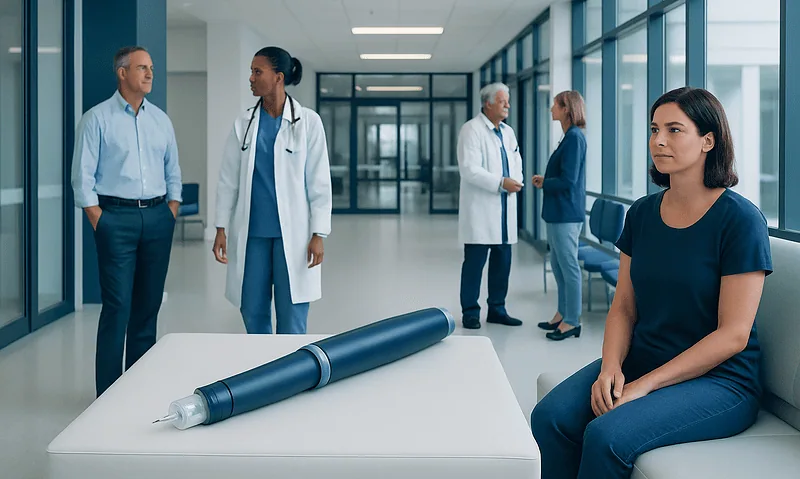
How Neurodegenerative Diseases Are Diagnosed: Exams, MRI, Genetic Tests, and More

There is rarely one single test that confirms every neurodegenerative disease. Diagnosis often begins with a detailed medical history and neurological examination.
Key Takeaways
- There is rarely one single test that confirms every neurodegenerative disease.
- Diagnosis often begins with a detailed medical history and neurological examination.
- MRI and other imaging tests help rule out other causes and look for patterns of brain change.
- Blood tests, spinal fluid tests, and genetic testing may be useful in selected cases.
- Early evaluation can help guide treatment, planning, and supportive care.
Neurodegenerative disease diagnosis usually involves several steps rather than a single test. Doctors combine symptom history, neurological examination, brain imaging, laboratory studies, and sometimes genetic or specialized testing to understand what is causing changes in movement, memory, behavior, or daily function.
Overview: How neurodegenerative diseases are diagnosed
Neurodegenerative diseases are conditions in which nerve cells gradually lose function over time. They can affect memory, thinking, speech, movement, balance, behavior, swallowing, or strength. Examples include Alzheimer’s disease, Parkinson’s disease, Huntington’s disease, amyotrophic lateral sclerosis, and some forms of frontotemporal dementia.
Because many of these conditions share symptoms, diagnosis can take time and usually involves more than one appointment. Doctors look at the full picture: what symptoms began first, how quickly they changed, whether family members had similar problems, and what is seen on examination and testing. The goal is not only to name the condition, but also to rule out other potentially treatable causes.
In some cases, the diagnosis is clear after a careful clinical assessment. In others, doctors may monitor symptoms over time before reaching a confident conclusion. This can feel frustrating for patients and families, but it is a normal part of diagnosing complex neurological conditions and helps avoid mistakes.
Medical history and neurological examination
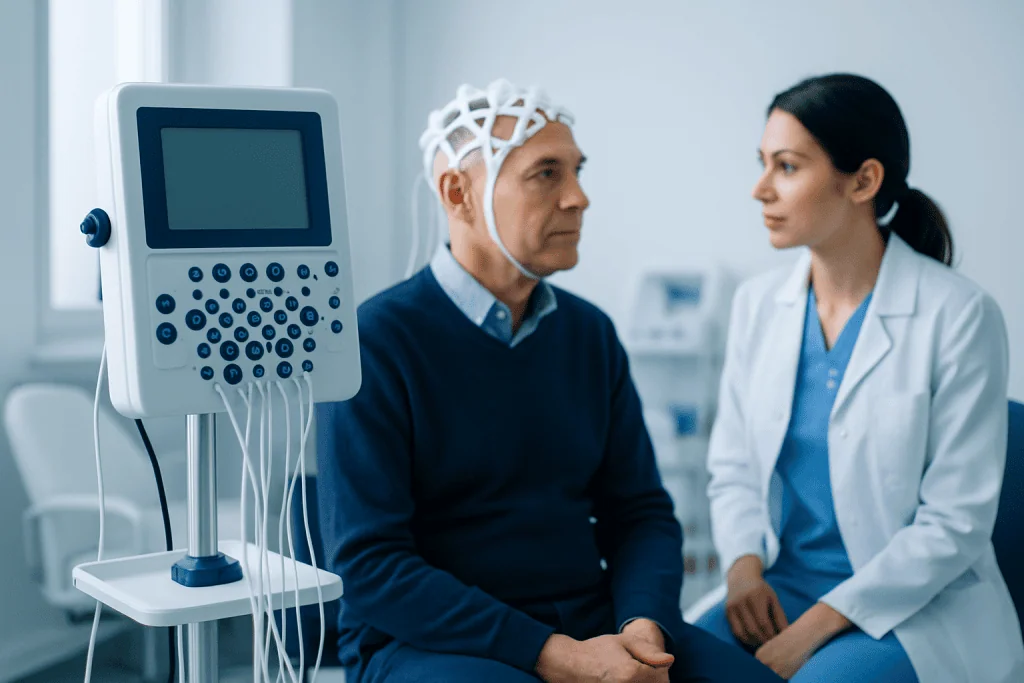
The first and most important step is a detailed medical history. The doctor asks about memory changes, tremor, slowness, falls, sleep problems, mood changes, speech difficulties, swallowing issues, muscle weakness, or changes in daily activities. Family members are often asked to share their observations because they may notice changes that the patient does not recognize.
The timeline of symptoms matters. A gradual decline over years may suggest one type of neurodegenerative disorder, while rapid changes over weeks or months may point to infection, autoimmune disease, medication effects, vitamin deficiency, stroke, or another condition that needs a different approach. Doctors also review medicines, alcohol use, previous head injury, and exposure to toxins.
A neurological examination checks how the brain and nervous system are working. This may include testing memory, language, attention, eye movements, facial expression, muscle strength, reflexes, walking, balance, coordination, and sensation. In people with movement symptoms, the doctor looks for signs such as tremor, rigidity, slowness, abnormal posture, or involuntary movements.
Cognitive screening may also be done in the clinic. Short tests can help identify problems with recall, planning, naming, or visuospatial skills. These screening tools do not diagnose a specific disease on their own, but they help guide what to investigate next and whether more detailed assessment is needed.
Brain imaging: MRI and other scans
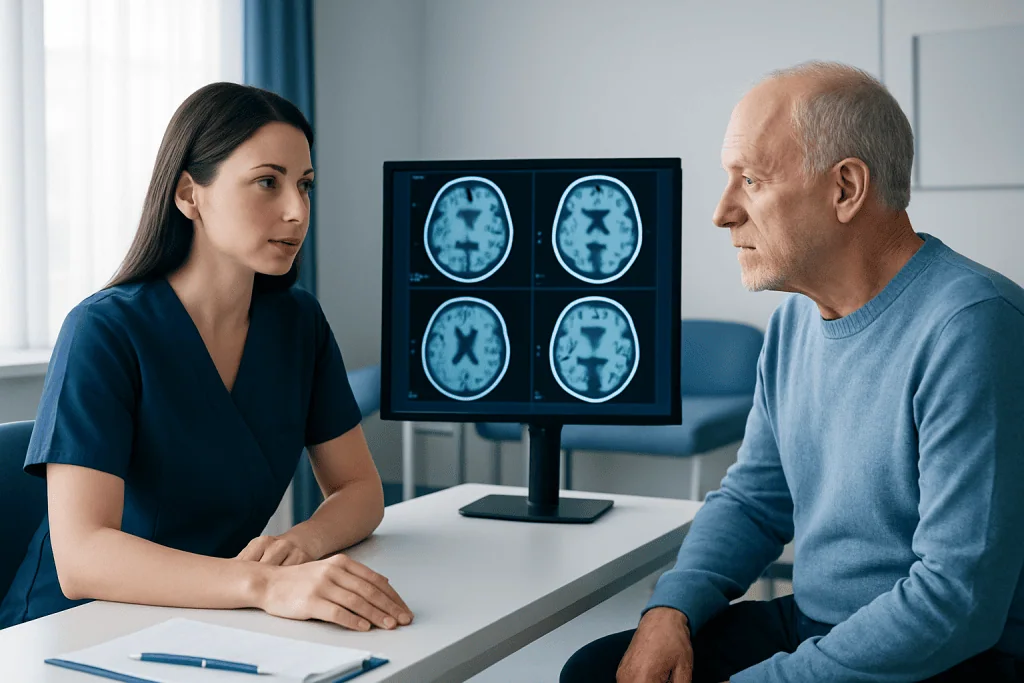
MRI is one of the most commonly used tools in neurodegenerative disease diagnosis. It provides detailed pictures of the brain and can help doctors look for shrinkage patterns, small strokes, inflammation, tumors, bleeding, hydrocephalus, or structural changes that might explain symptoms. In many cases, MRI is especially useful for ruling out other causes while also adding clues that support a suspected diagnosis.
Some neurodegenerative diseases are linked to recognizable imaging patterns. For example, certain types of dementia may affect particular brain regions more than others, and some movement disorders can show changes in deeper brain structures. Even so, MRI findings are interpreted together with symptoms and examination results, because imaging alone usually cannot provide the whole answer.
Other imaging tests may sometimes be recommended. CT scans can be useful when MRI is not possible, although they show less detail. PET scans and dopamine transporter imaging may help in selected situations, such as evaluating uncertain dementia patterns or movement symptoms that might be related to Parkinsonian disorders. These tests are usually used to answer a specific clinical question rather than as routine screening for everyone.
When symptoms involve memory decline, movement changes, or uncertainty about the underlying cause, doctors may also consider imaging as part of the evaluation for conditions such as Alzheimer’s disease or Parkinson’s disease. The scan results are most helpful when reviewed by specialists who understand how imaging findings fit with the person’s overall neurological picture.
Laboratory tests, spinal fluid, and neuropsychological assessment
Blood tests are often ordered early in the diagnostic process. These do not usually diagnose a neurodegenerative disease directly, but they can identify medical problems that may mimic or worsen neurological symptoms. Common examples include thyroid disease, vitamin B12 deficiency, liver or kidney problems, infections, inflammation, and metabolic disturbances.
In some situations, doctors may recommend a lumbar puncture, also called a spinal tap, to examine cerebrospinal fluid. This test can help look for infection, inflammation, autoimmune disease, or biomarkers linked to certain forms of dementia. Cerebrospinal fluid testing is not necessary for every patient, but it can be valuable when the diagnosis is unclear or when symptoms began at a younger age.
Neuropsychological testing is another important tool, especially when the main concerns involve memory, language, behavior, or problem-solving. These detailed assessments are performed by trained specialists and evaluate different thinking skills in a structured way. The pattern of strengths and weaknesses may help distinguish Alzheimer’s disease from frontotemporal syndromes, vascular cognitive impairment, depression-related cognitive symptoms, or other causes.
Doctors may also assess mood, sleep, and function in daily life because these can strongly affect cognition and quality of life. Anxiety, depression, poor sleep, hearing loss, and medication side effects can all contribute to symptoms, and recognizing them helps create a more complete and practical care plan.
Genetic testing and specialized diagnostic tools
Genetic testing can play an important role in selected patients, but it is not needed for everyone. It may be considered when symptoms start unusually early, when there is a strong family history, or when the pattern of illness suggests an inherited condition such as Huntington’s disease or certain familial forms of dementia, Parkinsonism, or motor neuron disease. Testing is usually discussed carefully before it is ordered, because results may affect relatives as well as the patient.
Genetic counseling is often recommended before and after testing. A counselor or specialist can explain what a positive, negative, or uncertain result may mean and what the limitations of testing are. In many cases, a genetic result supports diagnosis, but it still needs to be interpreted alongside the person’s symptoms and examination findings.
Depending on the symptoms, other specialized tests may be useful. Electromyography and nerve conduction studies can help when weakness or muscle wasting raises concern for motor neuron disease or peripheral nerve problems. Sleep studies may be used when dream enactment, excessive sleepiness, or breathing problems are part of the picture. Speech and swallowing assessments may also provide important information in conditions affecting communication or eating safely.
When doctors need more detailed structural information, they may request an MRI scan as part of the evaluation. In some centers, the broader work-up may also involve neurology assessment or genetic testing when the history suggests a hereditary neurological disorder.
How doctors reach a final diagnosis
A final diagnosis is usually based on a combination of clinical features, examination findings, and targeted test results. Doctors often use established diagnostic criteria developed by expert groups for diseases such as Alzheimer’s disease, Parkinson’s disease, dementia with Lewy bodies, frontotemporal dementia, multiple system atrophy, or ALS. These criteria help make diagnosis more consistent and evidence-based.
Sometimes the diagnosis is described as probable or possible rather than definite. This does not mean the evaluation has failed. It reflects the reality that some neurodegenerative diseases overlap, and early symptoms may not yet show a full pattern. Follow-up visits can be very important because changes over time may clarify which condition is present.
A second opinion may be helpful when symptoms are unusual, the patient is young, testing results are mixed, or treatment has not worked as expected. Subspecialists in movement disorders, memory disorders, neuromuscular medicine, or behavioral neurology can offer more focused evaluation when needed. This is especially relevant in complex cases such as suspected ALS or atypical parkinsonian syndromes.
The diagnostic process also includes discussing how symptoms affect daily life, work, driving, communication, and independence. This practical assessment helps guide treatment, rehabilitation, and support services, even when the exact disease label is still being refined.
After diagnosis: treatment planning and supportive care
Although many neurodegenerative diseases cannot yet be cured, diagnosis still matters greatly. An accurate diagnosis helps doctors choose the most appropriate medicines, rehabilitation strategies, and symptom management plans. It also helps patients and families understand what to expect, plan ahead, and access supportive services earlier.
Treatment may include medication for memory symptoms, tremor, stiffness, mood changes, sleep problems, spasticity, or saliva and swallowing issues, depending on the condition. Physical therapy, occupational therapy, speech therapy, cognitive support, nutrition guidance, and mental health care can all play important roles. In some movement disorders, more advanced approaches may be considered, including deep brain stimulation for carefully selected patients.
Lifestyle measures can also support brain and overall health. Good sleep, regular physical activity, social engagement, a balanced diet, hearing and vision care, and control of blood pressure, diabetes, and cholesterol may help preserve function and reduce additional strain on the brain. Families often benefit from education about communication strategies, home safety, and caregiver support.
Near the end of the diagnostic journey, some patients seek care in specialized centers that can coordinate imaging, neuropsychology, genetics, and rehabilitation in one setting. Acibadem International’s multidisciplinary specialists and JCI-accredited hospitals diagnose and treat neurodegenerative conditions for international patients when this type of coordinated evaluation is needed.
When to seek medical attention
It is sensible to arrange a medical evaluation when a person develops persistent memory loss, difficulty finding words, changes in personality, tremor, slowed movement, repeated falls, new swallowing trouble, unexplained weakness, or a decline in daily functioning. Early assessment can identify causes that are treatable and can also make future planning easier if a neurodegenerative condition is found.
Urgent medical attention is needed when symptoms appear suddenly or progress very quickly, or when they are accompanied by severe headache, confusion, fever, seizures, fainting, stroke-like symptoms, or sudden inability to walk. These features may point to a different medical emergency rather than a typical neurodegenerative process.
Family members should also seek help if they notice unsafe behaviors such as getting lost, medication mistakes, poor judgment, choking, or falls. People living alone may need extra attention because subtle changes can be missed for longer. Bringing a relative or trusted friend to appointments can make the evaluation more complete and accurate.
Keeping a symptom diary can be useful before the appointment. Notes about when problems started, how they changed, what makes them better or worse, and which daily tasks are affected can help the doctor decide which tests are most appropriate.
Frequently asked questions
Is there a single test for neurodegenerative disease diagnosis?
No. Most neurodegenerative diseases are diagnosed by combining medical history, neurological examination, brain imaging, and selected laboratory or specialized tests. The diagnosis is usually based on the overall pattern rather than one standalone result.
Why is MRI commonly used in diagnosing neurodegenerative diseases?
MRI gives detailed images of the brain and can help rule out other causes such as stroke, tumors, bleeding, or hydrocephalus. It may also show patterns of brain change that support a particular diagnosis, although it usually cannot confirm the condition by itself.
When is genetic testing recommended?
Genetic testing is usually considered when there is a strong family history, symptoms begin at a younger age, or doctors suspect a hereditary neurological disorder. It is generally best done with counseling so patients and families understand what the results may and may not mean.
Can blood tests diagnose dementia or Parkinson’s disease?
Blood tests do not usually diagnose these conditions directly. Instead, they help look for other medical problems that may cause similar symptoms or make them worse, such as vitamin deficiencies, thyroid disease, infection, or metabolic disorders.
How long does it take to reach a diagnosis?
The timeline varies. Some people receive a diagnosis after one structured evaluation, while others need follow-up over months to see how symptoms evolve and to complete additional testing. This stepwise process can improve accuracy.
What should a patient bring to a diagnostic appointment?
It helps to bring a list of symptoms, current medications, past medical records, and any previous brain scans or test results. A family member or friend is often useful because they can describe changes in daily function, behavior, or memory that the patient may not notice.
References
- World Health Organization
- National Institute on Aging
- National Institute of Neurological Disorders and Stroke
- Alzheimer's Association
- Parkinson's Foundation
This article is for general information only and is not a substitute for professional medical advice. Please consult a qualified doctor about your individual situation.
Neurodegenerative Diseases in Turkey — costs, top hospitals & a free quote
JCI-accredited · board-certified surgeons · reply within 24h
Add us as a Preferred Source to see more of our trusted health content across Google Search, AI Overviews and Discover.

Physical Medicine & Rehabilitation
Restoring movement and function after injury, surgery or neurological conditions.
150 specialists in this unit