

Admission Day in Turkey: Documents, Payments, and Check-In Steps

Admission day in Turkey usually means passport, medical records, payment confirmation, consent forms, and a short check-in before your tests or treatment.
Your admission day in Turkey is usually straightforward when you know what to bring and what happens first. This guide helps you prepare your documents, understand payments, and move through hospital check-in with less stress.
At a glance
- Best for: International patients preparing for hospital admission in Turkey
- What to have ready: Passport, treatment plan, previous records, payment method, emergency contact
- Typical first steps: Registration, identity check, paperwork, payment review, nurse assessment
- Who can help: International patient coordinators, interpreters, reception and billing teams
- Main goal: Complete admission smoothly so you can focus on your care
What admission day usually looks like
On admission day in Turkey, you usually begin at the hospital registration or international patient desk. Your identity is confirmed, your appointment or treatment plan is matched to your file, and the team checks that your documents, consent forms, and payment arrangements are in place before you move to the next step.
If you are an international patient, the process may include extra coordination such as passport verification, interpreter support, and a review of records you brought from home. At larger centers such as Acibadem International hospitals, international patient services often help guide you from reception to billing and then to the ward, clinic, or pre-treatment area.
Your admission may feel administrative at first, but each step is meant to keep your care safe and organized. Even if you have already shared documents by email before traveling, the hospital may still need to confirm originals, signatures, or updated reports on the day.
Documents to bring with you
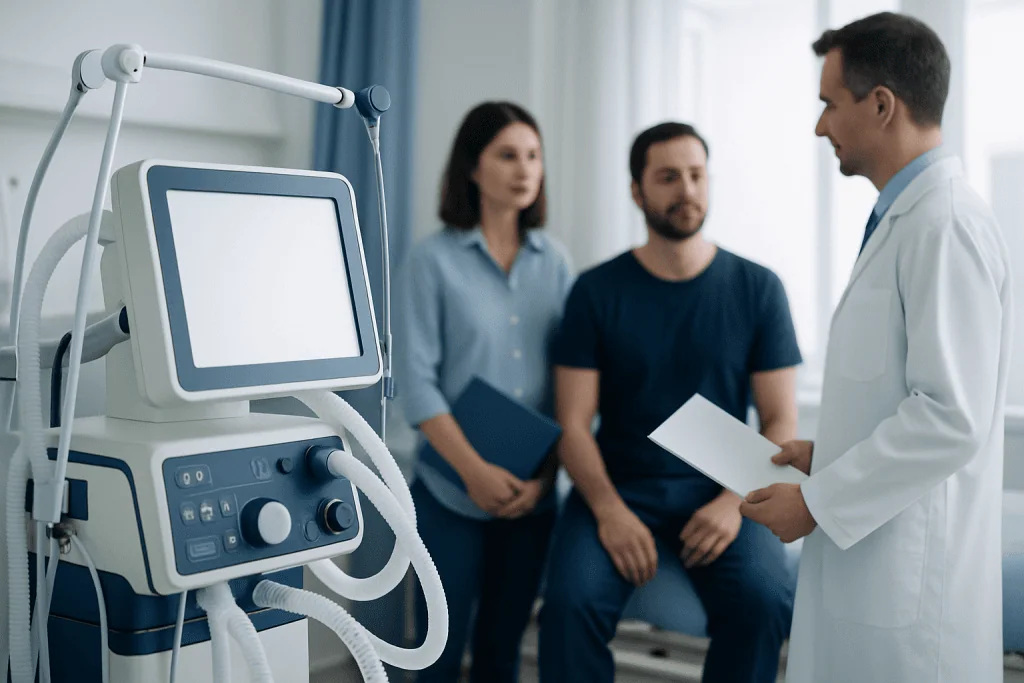
The most helpful thing you can do is keep all important documents together in one folder, both printed and on your phone. Bring your passport, hospital confirmation, treatment plan or appointment letter, previous medical reports, test results, imaging reports, medication list, and any referral letters you have.
If a hospital has asked for special forms in advance, bring signed copies if possible. It is also useful to carry your accommodation details, your local contact number in Turkey, travel insurance or international insurance documents if relevant, and the name and phone number of the companion traveling with you.
If your records are not in English or Turkish, ask in advance whether translation is needed. International patient teams at Acibadem International can often advise you on what is essential to translate before arrival, which can prevent delays at check-in.
- Passport or official ID
- Hospital booking confirmation
- Previous reports, scans, and lab results
- Medication and allergy list
- Insurance documents, if applicable
- Emergency contact details
Payments, deposits, and billing questions

Payment arrangements are often reviewed before or during admission, especially for self-paying international patients. In many cases, the billing team confirms the planned treatment, checks whether a deposit or pre-authorization is required, and explains what is included in the expected hospital charges and what may be billed separately.
It is wise to bring the same payment card you used earlier, plus a backup method if possible. If a bank transfer was made before arrival, keep a copy of the transfer confirmation and any related emails so the billing team can match it to your file quickly.
If you are using private insurance, embassy coverage, or an employer sponsor, bring the approval documents and contact details for the payer. Ask clear questions if anything is unclear, including how extra tests, longer stays, medications, or unplanned changes are handled, so you understand the process before treatment begins.
Check-in, consent forms, and first assessments
After registration and billing, you may be asked to sign admission documents and consent forms. These can include general hospital consent, privacy and data forms, and treatment-specific documents. Read them carefully and ask for an interpreter if you want anything explained in your own language.
You may then have a first nursing assessment or pre-admission review. This often includes basic observations such as blood pressure, temperature, and weight, along with questions about allergies, regular medications, previous operations, and whether you have eaten or drunk anything if a procedure is planned.
Be open about your medical history, even if it seems unrelated. Small details such as blood thinners, diabetes medication, implanted devices, sleep apnea, or a recent infection can affect same-day planning and help the team keep you safe.
What to expect if you have a companion
If a family member or friend is coming with you, decide in advance what their role will be. They can help carry documents, listen to instructions, manage phones and messages, and stay available if the hospital needs a signature, identification details, or practical support while you are in tests or treatment.
Companion access can vary depending on the unit, time of day, and the type of treatment you are having. Ask early about waiting areas, visiting rules, overnight stay options, and when your companion should expect updates, especially if you are having sedation, surgery, or a longer admission.
At hospitals with dedicated international services, including Acibadem International, your coordinator can often help your companion understand the day’s sequence and logistics. That support can be especially useful if you are managing language barriers, transport back to your hotel, or same-day document requests.
Simple ways to make the day smoother
Try to arrive early enough that you are not rushing, especially if traffic in Istanbul or another large city may affect travel time. Wear comfortable clothing, keep valuables to a minimum, and charge your phone fully so you can access emails, scan codes, or contact your coordinator if needed.
Bring a small practical bag with essentials such as glasses, phone charger, a written medication list, basic toiletries, and any items the hospital specifically advised you to pack. If you use hearing aids, dentures, a CPAP device, or mobility aids, tell the team and bring what you need unless you were told otherwise.
Most importantly, speak up if you are unsure about anything. Whether the question is about fasting, medicines, payment timing, interpreter support, or what happens after check-in, asking early usually prevents delays and makes the experience more comfortable.
Step by step
- Confirm your arrival details the day before. Check the hospital name, exact entrance, admission time, and whether you should go to the main reception, clinic desk, or international patient office. If you are staying in Istanbul, allow extra time for traffic and keep your coordinator’s contact number easy to reach.
- Organize your documents in one folder. Put your passport, appointment confirmation, records, scans, medication list, and insurance or payment papers together before leaving your hotel or home. Keep digital copies on your phone as a backup, but do not rely only on internet access.
- Complete registration and identity checks. At the hospital, reception will usually verify your identity and match it with your medical file and treatment plan. International patients may also be guided to a dedicated desk where language support and travel-related details can be checked.
- Review payment or insurance approval. Before treatment proceeds, the billing team may confirm deposits, authorizations, or the payment method on file. Ask for a clear explanation of any pending items so you know what needs to be finalized that day.
- Read and sign the admission paperwork. You may be given general consent, privacy forms, and treatment-related documents to sign. If anything is unclear, ask for an explanation in plain language or request interpreter support before signing.
- Complete your nursing or pre-treatment assessment. A nurse or clinician may ask about allergies, medications, previous conditions, and the last time you ate or drank. Answer carefully and mention anything recent, such as illness, fever, or medication changes, even if it seems minor.
- Settle practical details before moving on. Before you leave the check-in area, confirm where your companion should wait, how updates will be shared, and what happens next after admission. This is also a good moment to hand over valuables to your companion or ask where personal belongings should be kept.
Your checklist
- Passport or official photo ID
- Hospital confirmation or appointment letter
- Printed and digital copies of key medical records
- List of current medications, doses, and allergies
- Payment card, transfer proof, or insurance approval documents
- Emergency contact details and companion phone number
- Phone charger and any needed personal aids such as glasses or hearing aids
- Questions you want answered about timing, payment, or next steps
Key takeaways
- Bring your passport, treatment documents, medical records, and payment or insurance papers together in one place.
- Admission usually includes registration, identity verification, billing review, consent forms, and a first clinical assessment.
- Ask questions early about payments, fasting, medications, companion access, and what happens after check-in.
- Interpreter and international patient support can make admission much easier if you are traveling from abroad.
- Arriving early and keeping both printed and digital copies of documents helps prevent unnecessary delays.
Frequently asked questions
What documents are most important on admission day in Turkey?
Your passport or official ID is usually the most important document, followed by your appointment confirmation or treatment plan. You should also bring previous reports, scan results, a medication list, and any insurance approval or payment confirmation you have.
Do I need to pay on the day of admission?
That depends on your treatment plan and whether payment was arranged in advance. Many hospitals review deposits, authorizations, or remaining balances on admission day, so it is helpful to bring your payment card and any transfer or insurance documents.
Can someone come with me during hospital check-in?
In most cases, yes, a companion can assist you during registration and paperwork. Access to treatment areas or wards may vary, so ask the hospital about waiting areas, visiting rules, and when your companion can receive updates.
What happens if I do not speak Turkish?
Many hospitals serving international patients provide English-speaking staff or interpreter support. At Acibadem International, international patient services can help coordinate communication so you can understand forms, instructions, and the next steps of your admission.
How early should I arrive at the hospital?
It is usually best to arrive early enough to complete registration and paperwork without rushing. If you are in Istanbul or another busy city, allow extra travel time because traffic can be unpredictable.
What should I tell the team during my first assessment?
Tell them about all current medications, allergies, previous surgeries, and any ongoing health conditions. You should also mention if you recently felt unwell, had a fever, or were told to fast but accidentally ate or drank.
What if I already sent my records before traveling?
Bring them anyway if possible. The hospital may need to verify dates, compare updated reports, or review originals during admission, and having them with you can save time.
Add us as a Preferred Source to see more of our trusted health content across Google Search, AI Overviews and Discover.
More Patient Guides
How to Prepare for Your First Night in Hospital in Turkey
First night in hospital in Turkey: pack light, bring key documents, confirm your companion plan, and know what to expect on arrival…
8 min read
Staying Connected During Treatment in Turkey: SIM Cards, Wi-Fi, and Useful Apps
Staying connected during treatment in Turkey is easiest with airport Wi-Fi, an eSIM or local SIM, and a few essential apps for…
8 min read
Meals in Turkish Hospitals: What International Patients Can Expect
Meals in Turkish hospitals are planned for your medical needs, with dietary options, timing guidance, and practical help for international patients in…
8 min read