

After You Return Home from Turkey: Warning Signs That Mean You Should Contact Your Hospital
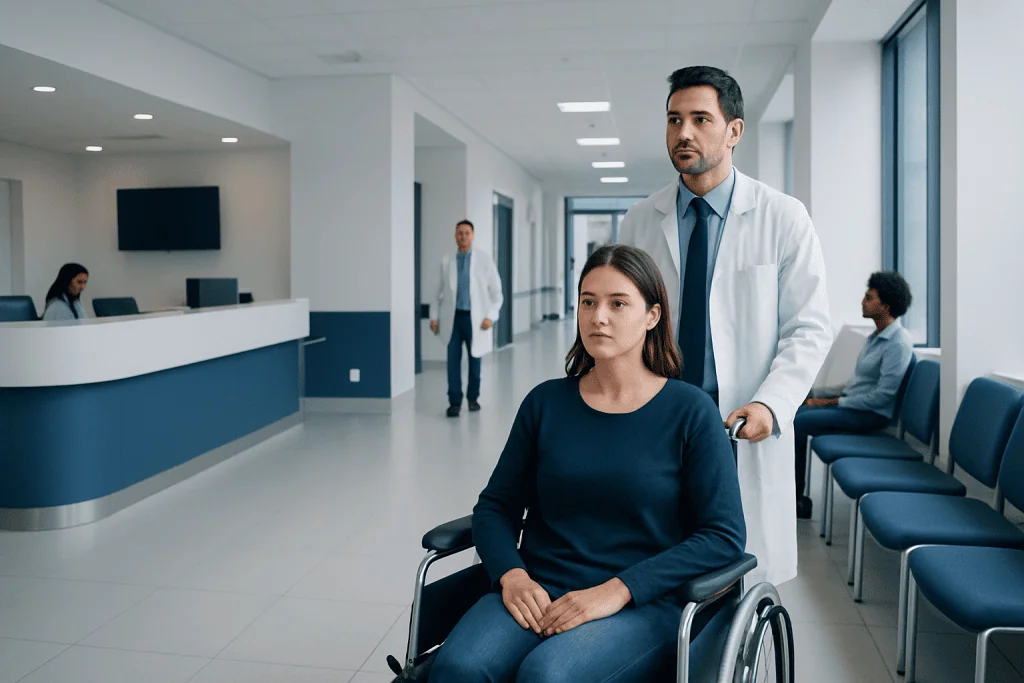
After returning home from Turkey, contact your hospital urgently for warning signs like fever, heavy bleeding, chest pain, or worsening swelling.
Once you are back home, it can be hard to tell what is a normal part of recovery and what needs medical attention. This guide helps you spot warning signs, know when to contact your hospital, and prepare useful information before you call.
At a glance
- Best for: Patients recovering at home after treatment or surgery in Turkey
- Main goal: Help you recognize symptoms that should prompt contact with your hospital
- Urgent emergencies: Call local emergency services first for severe chest pain, breathing trouble, stroke signs, or heavy uncontrolled bleeding
- Useful to keep nearby: Discharge summary, medication list, test results, passport, and hospital contact details
- Follow-up support: International patient teams can help coordinate remote follow-up and interpreter support
What is normal after you get home, and what is not
It is common to feel tired, sore, swollen, emotional, or less active than usual after treatment abroad. Many people also notice mild bruising, temporary discomfort around the treatment area, reduced appetite, constipation, or changes in sleep during the first days or weeks at home. These do not always mean something is wrong, especially if your symptoms are gradually improving.
What matters most is the pattern. Recovery symptoms usually become a little easier to manage over time, even if progress is not perfectly steady every day. Warning signs are symptoms that are new, suddenly worse, unusually intense, or not matching the instructions in your discharge papers.
If you were treated at Acibadem International, your discharge documents should outline what to expect, what medicines to take, and when your team wants to hear from you. Keep those papers somewhere easy to reach. If you are ever unsure whether a symptom is expected, it is safer to ask rather than wait and hope it settles on its own.
Warning signs that mean you should contact your hospital promptly
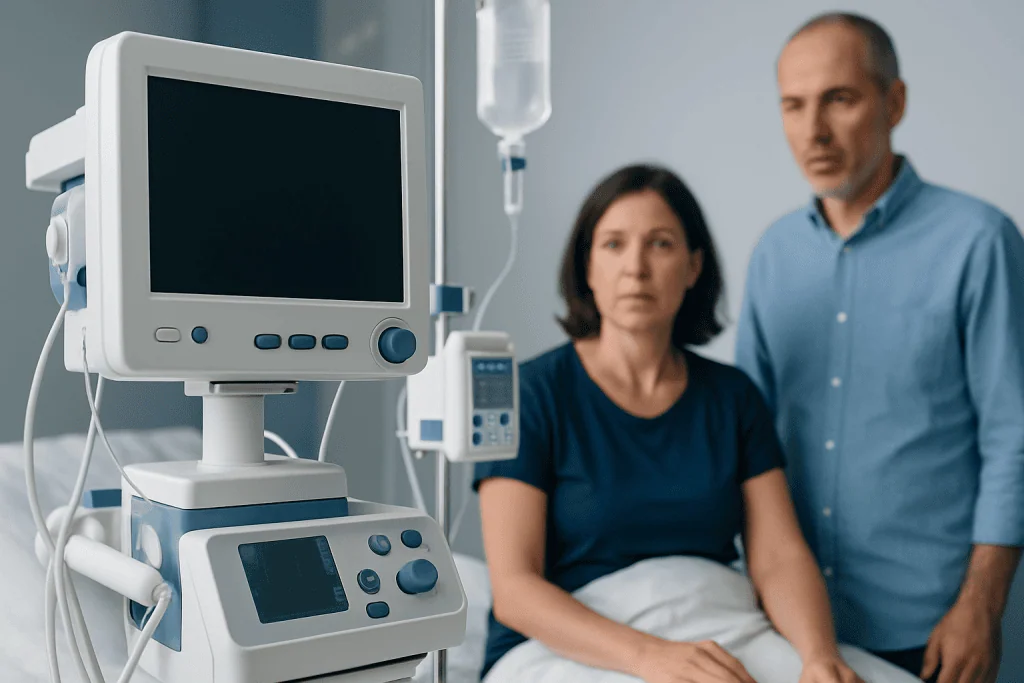
You should contact your hospital if you develop symptoms that suggest infection, bleeding, dehydration, medication problems, or a complication related to your treatment. Common examples include fever, increasing redness or warmth around a wound, pus or bad-smelling drainage, pain that is getting worse instead of better, repeated vomiting, inability to keep fluids down, or swelling that is suddenly increasing.
Other warning signs include bleeding that is more than light spotting, black stools, new severe headache, fainting, confusion, worsening dizziness, or trouble passing urine. If you have drains, dressings, or special equipment at home, contact your hospital if the output changes suddenly, stops unexpectedly, becomes bright red, or if the device appears blocked or damaged.
It can help to think in categories:
- Infection signs: fever, chills, wound redness, swelling, discharge, bad smell
- Bleeding signs: soaking dressings, persistent nosebleed, vomiting blood, black stools
- Circulation concerns: new leg swelling, calf pain, one-sided warmth, blue lips
- Medication concerns: rash, severe nausea, breathing difficulty, extreme sleepiness, missed doses with symptoms worsening
If your hospital has a follow-up or international patient line, use it early. Acibadem International teams often assist international patients remotely after discharge, helping route your message to the right clinical team and arranging interpreter support if needed.
Symptoms that need emergency care, not just a phone call
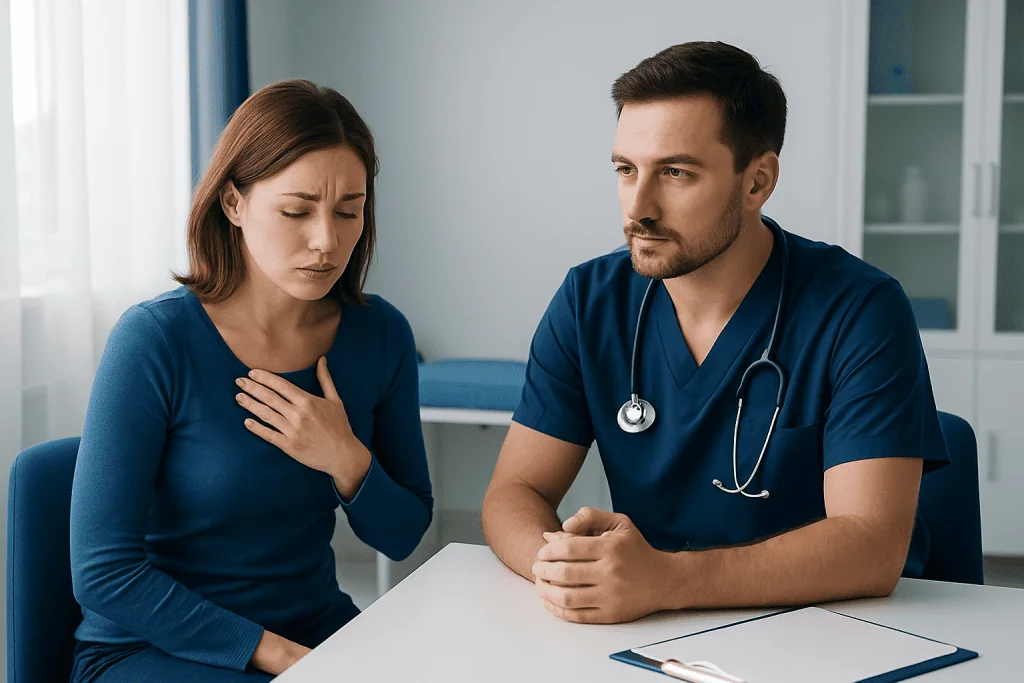
Some symptoms should not wait for a routine message or callback. If you have severe shortness of breath, chest pain, signs of a stroke such as facial drooping or sudden weakness, seizures, loss of consciousness, severe allergic reaction, or uncontrolled heavy bleeding, call your local emergency number immediately. Your immediate safety comes first, even if your treatment was done in another country.
You should also seek emergency help for sudden confusion, blue or grey skin, a very high fever with shaking chills, severe abdominal swelling with intense pain, or a rapidly worsening condition that makes it difficult to move, talk, or stay awake. If possible, ask someone to stay with you and bring your discharge summary and medication list to the emergency department.
After emergency care is arranged, you or a family member can update your hospital in Turkey. This is often useful because your treating team can explain what was done, what implants or medicines were used, and what follow-up information may help the local doctors caring for you.
How to monitor yourself at home without becoming overwhelmed
You do not need to check every symptom constantly, but a simple daily routine can make recovery easier and help you notice problems early. Pick one or two times each day to review how you feel, look at your wound or dressing if you were told to do so, take your temperature if advised, and note how much you are eating, drinking, walking, and sleeping.
Try to keep a short record of anything important: your temperature, pain level, any new swelling, what your wound looks like, bowel movements, and whether you are taking your medicines as directed. Photos can also be helpful if you are asked to send an update to your hospital, especially for wound checks or swelling. Make sure the lighting is clear and take pictures from the same distance each time.
If you are naturally anxious, ask a family member to help you monitor practical signs rather than relying on memory or worry. Acibadem International and similar international patient services can often guide you on what information to send before a remote follow-up, which can make communication quicker and more reassuring.
What to have ready before you contact your hospital
When you call or message your hospital, the clearer your information is, the easier it is for the team to advise you. Have your full name, hospital number if available, date of treatment, and the name of the procedure or department ready. Also keep your discharge summary, medication list, allergies, and any recent test or imaging results close by.
Be specific about the symptom. Instead of saying you feel unwell, explain when it started, whether it is getting better or worse, your temperature if you have one, what the wound looks like, how much you are eating or drinking, and whether you have taken your prescribed medicines. If the issue is swelling or bleeding, describe the amount, location, and any change since yesterday.
It is also helpful to mention your current location and phone number, especially if you have already returned home and are now in a different time zone. International patient departments, including those at Acibadem International, can be especially helpful in organizing follow-up across borders, arranging translated communication, and clarifying whether you should seek local care urgently.
When local medical care is the right choice
Contacting your treating hospital is important, but it does not replace local hands-on care when that is needed. If you need blood tests, an in-person examination, a dressing change, imaging, IV fluids, or urgent treatment, your hospital may advise you to see a local doctor, urgent care clinic, or emergency department. This is normal and often the safest next step.
Once you have been assessed locally, ask for copies of any reports, prescriptions, or scan results. Share them with your treating team in Turkey so they understand what has happened and can advise on the next stage of recovery. This coordinated approach is especially useful after complex treatment, when medication plans or restrictions may need to be adjusted.
If you were treated in a JCI-accredited Acibadem International hospital, your team is used to supporting patients after they return overseas. In practical terms, that may mean helping you understand which symptoms can be monitored, which require urgent local review, and what follow-up details should be sent back to the hospital.
Step by step
- Check whether the symptom is sudden, severe, or worsening. Ask yourself when the symptom started and whether it is improving or getting worse. A mild symptom that steadily improves is often less concerning than a new symptom that appears suddenly or becomes more intense over a few hours.
- Review your discharge instructions. Read the recovery advice you were given before leaving Turkey. Look for sections about expected symptoms, medication timing, wound care, red flags, and who to contact after discharge.
- Take basic notes before you call. Write down your temperature, pain level, any swelling, bleeding, vomiting, breathing issues, urine output, or wound changes. If relevant, take a clear photo so the team can better understand what has changed.
- Contact your hospital or international patient team. Use the number or communication channel provided on your discharge paperwork. If you were cared for through Acibadem International, the international patient team may help direct your case to the correct specialist and assist with language or logistics.
- Follow the advice exactly, including local review if advised. If the hospital tells you to attend urgent care, an emergency department, or a local specialist, do not delay. Remote advice is helpful, but some problems need an in-person examination, tests, or treatment.
- Escalate to emergency services for danger signs. If you have chest pain, trouble breathing, stroke-like symptoms, collapse, or heavy uncontrolled bleeding, call local emergency services immediately. Update your hospital once you are safe and receiving urgent care.
Your checklist
- Keep your discharge summary in an easy-to-find place
- Save your hospital and international patient contact numbers in your phone
- Have an up-to-date medication list, including doses and allergies
- Take clear photos of wounds or swelling if changes appear
- Record your temperature if you feel feverish or unwell
- Do not ignore symptoms that are getting worse instead of better
- Ask a family member to help monitor symptoms if you feel weak or anxious
- Call local emergency services first for severe breathing trouble, chest pain, stroke signs, or major bleeding
Key takeaways
- Mild soreness, fatigue, and gradual improvement are common after treatment, but symptoms that worsen need attention.
- Fever, increasing wound redness, heavy bleeding, repeated vomiting, chest pain, or breathing problems are important warning signs.
- For life-threatening symptoms, call local emergency services rather than waiting for a callback from abroad.
- Keep your discharge papers, medication list, and hospital contact details close at hand after you return home.
- International follow-up teams, including Acibadem International, can help coordinate remote advice and next steps.
Frequently asked questions
How do I know if my pain is normal or a warning sign?
Some pain is expected after many treatments, especially in the first days after you return home. Pain becomes more concerning if it is suddenly worse, not helped by your prescribed medicines, waking you unexpectedly, or happening together with fever, swelling, redness, or bleeding.
Should I contact my hospital in Turkey or go to a local doctor?
In many cases, you should do both in the right order. Contact your hospital for guidance, but seek local urgent care or emergency care straight away if you have severe symptoms, need an examination, or cannot safely wait for remote advice.
What fever should worry me after I get home?
A fever can sometimes be a sign of infection, especially if it comes with chills, wound redness, discharge, cough, pain when passing urine, or feeling suddenly much worse. If you develop a fever after treatment, check your discharge instructions and contact your hospital promptly for advice.
Is swelling always a problem after surgery or treatment?
No, mild swelling can be a normal part of recovery. It is more concerning if swelling is increasing quickly, is much worse on one side, becomes very painful, is associated with redness or warmth, or comes with shortness of breath or chest pain.
What information should I send if the hospital asks for an update?
Send your full name, date of treatment, current location, contact number, symptoms, when they started, and whether they are getting worse. Include your temperature if relevant, a list of medicines you are taking, and clear photos of the wound or swelling if requested.
Can Acibadem International help after I have already flown home?
Yes, international patient services may help you communicate with your treating team after you return home. This can include helping with follow-up coordination, interpreter support, and practical guidance about whether you should seek local medical review.
Add us as a Preferred Source to see more of our trusted health content across Google Search, AI Overviews and Discover.
More Patient Guides

At Acibadem, How We Prepare Your Discharge Papers and Medical Records
Discharge papers and medical records at Acibadem are prepared before you leave, with summaries, prescriptions and follow-up documents for your return home…
8 min read
Returning Home with a PICC Line or Port After Treatment in Turkey
Returning home with a PICC line or port after treatment in Turkey means planning dressings, documents, flights, and follow-up before you travel.
9 min read
Flying Home with a Cast, Brace, or Limited Mobility After Treatment in Turkey
Flying home with a cast, brace, or limited mobility after treatment in Turkey is possible with airline clearance, airport support, and a…
9 min read