

Third Nerve Palsy: Symptoms, Emergency Causes, and Treatment Options

Third nerve palsy can cause double vision, drooping of one eyelid, and trouble moving one eye. A painful third nerve palsy or one with a new enlarged pupil may signal an emergency cause such as an aneurysm.
Key Takeaways
- Third nerve palsy can cause double vision, drooping of one eyelid, and trouble moving one eye.
- A painful third nerve palsy or one with a new enlarged pupil may signal an emergency cause such as an aneurysm.
- Common causes include diabetes, high blood pressure, aneurysm, trauma, inflammation, and tumors.
- Diagnosis often includes an eye and nerve exam, blood tests, and urgent imaging such as MRI, CT, or vascular scans.
- Treatment depends on the cause and may include monitoring, control of vascular risk factors, surgery, or treatment of an underlying disease.
- Any sudden onset of third nerve palsy should be assessed promptly by a qualified doctor.
Third nerve palsy is a problem affecting the third cranial nerve, which helps control eye movement, eyelid lifting, and pupil function. Symptoms can range from double vision and a drooping eyelid to a larger pupil, and some causes need urgent medical attention.
Overview
Third nerve palsy, also called oculomotor nerve palsy, happens when the third cranial nerve does not work properly. This nerve controls several eye muscles, helps lift the upper eyelid, and carries fibers that help the pupil become smaller. When the nerve is affected, the eye may not move normally, the eyelid may droop, and the pupil may look larger than usual.
The condition can affect one eye and may develop suddenly or more gradually, depending on the cause. Some people notice double vision right away, while others first see a drooping eyelid. In certain cases, the eyelid droops so much that it covers the eye and masks double vision.
Third nerve palsy is not a disease by itself. It is a sign of an underlying problem involving the nerve, its blood supply, or nearby structures in the brain and eye socket. Causes range from small-vessel circulation problems related to diabetes or high blood pressure to more urgent conditions such as an aneurysm.
Because of this wide range of causes, prompt medical assessment is important. Neuro-ophthalmologists, neurologists, and ophthalmologists often work together to find the cause and guide treatment. In some cases, a person may also need urgent brain and blood vessel imaging to rule out serious conditions such as brain aneurysm.
Symptoms
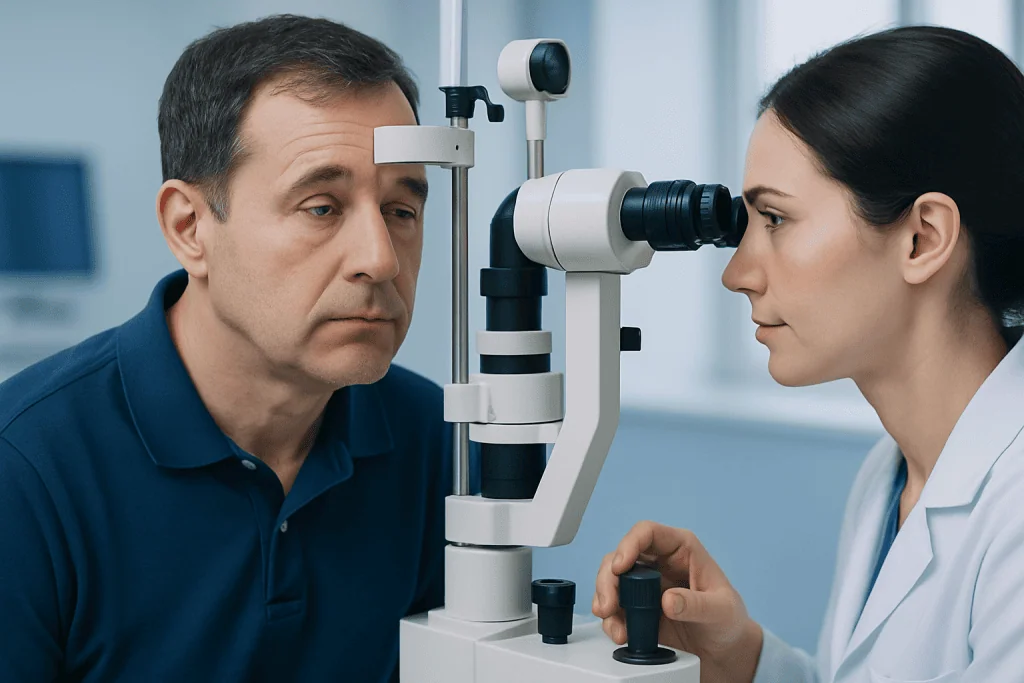
The symptoms of third nerve palsy depend on which parts of the nerve are affected. The most common symptom is double vision, especially when looking in certain directions. This happens because the affected eye may drift outward and slightly downward when the muscles controlled by the third nerve become weak.
Another common sign is ptosis, or drooping of the upper eyelid. This may be mild or severe. Some people are unable to lift the eyelid fully, while others may have almost complete lid droop on one side.
The pupil may also be involved. A larger-than-normal pupil that reacts poorly to light can be an important clue, especially when it appears suddenly. Eye pain or headache may occur in some cases, particularly with compressive causes such as an aneurysm, although pain can also happen with less dangerous causes.
- Double vision
- Drooping of one eyelid
- Difficulty moving one eye inward, upward, or downward
- An eye that appears turned outward
- A larger or poorly reactive pupil
- Blurred vision or trouble focusing up close
- Headache or pain around the eye
Symptoms may come on suddenly over hours or days, or more gradually over time. Sudden onset is especially important to evaluate quickly. Even when symptoms seem mild, a full assessment is needed to determine whether the cause is urgent.
Causes and Risk Factors

Third nerve palsy can result from problems anywhere along the course of the nerve, from the brainstem to the eye socket. One common cause in older adults is reduced blood flow to the nerve, sometimes called microvascular ischemia. This is more likely in people with diabetes, high blood pressure, high cholesterol, or smoking history.
Some causes are compressive, meaning something presses on the nerve. A posterior communicating artery aneurysm is a classic example and is one of the most important causes to rule out urgently, especially if the pupil is enlarged. Tumors, cysts, swelling, or bleeding can also compress the nerve.
Inflammatory and infectious conditions may also affect the third nerve. These include disorders involving the cavernous sinus, meninges, or orbit. In some cases, third nerve palsy can occur with neurological disorders such as multiple sclerosis or after head injury, especially when the nerve has been stretched or bruised.
Other possible causes include migraine-related eye movement problems, congenital third nerve palsy present from birth, and less commonly autoimmune or infiltrative disease. Risk factors for acquired third nerve palsy include:
- Diabetes
- High blood pressure
- High cholesterol
- Smoking
- Older age
- Head trauma
- History of aneurysm or vascular disease
- Known cancer or inflammatory disease
In children, the pattern of causes can differ from adults. Congenital causes and trauma are more prominent, but children still need careful evaluation because treatment and follow-up may affect long-term vision development.
Why Some Cases Are Emergencies
Not every third nerve palsy is an emergency, but some cases require immediate evaluation because they may reflect a life-threatening or vision-threatening problem. The most important urgent cause is an intracranial aneurysm pressing on the nerve. If an aneurysm leaks or ruptures, it can lead to a subarachnoid hemorrhage, which is a medical emergency.
A third nerve palsy that starts suddenly, especially with severe headache, pain around the eye, nausea, or a noticeably enlarged pupil, should be treated as urgent until proven otherwise. Even though pupil findings can help guide doctors, no single sign can safely rule out a dangerous cause without proper assessment and imaging.
Other emergency possibilities include stroke, bleeding, serious infection, or rapidly growing compression. This is why people should not try to self-diagnose based on online information alone. An urgent evaluation may include emergency department assessment and advanced imaging such as MRI scanning or vessel imaging to examine the brain and nearby blood vessels.
Prompt care improves the chances of identifying the cause early and starting the right treatment. It also helps protect against complications, especially when the third nerve palsy is part of a broader neurological problem.
Diagnosis
Diagnosis begins with a detailed history and physical examination. Doctors ask when the symptoms started, whether there is pain, whether the pupil changed, and whether the person has conditions such as diabetes, high blood pressure, recent trauma, infection, or cancer. The eye exam looks at eyelid position, pupil size and reaction, eye movements, alignment, and visual function.
The pattern of weakness can help identify a third nerve palsy and distinguish it from other causes of double vision, such as fourth or sixth nerve palsy, myasthenia gravis, thyroid eye disease, or orbital disorders. A full neurological exam is also important to look for other nerve or brain findings.
Imaging is often a key part of the work-up. Depending on the situation, doctors may use CT scanning, MRI, or angiographic studies to examine the brain, orbit, and blood vessels. Blood tests may be ordered to look for diabetes, inflammation, infection, or other systemic causes. In selected cases, additional tests may be needed to evaluate disorders such as brain tumor or neuromuscular disease.
Follow-up is important even when the initial impression is a microvascular cause. Recovery pattern, symptom changes, and repeat examination help confirm that the palsy is behaving as expected. If symptoms worsen, fail to improve, or new neurological signs appear, doctors may broaden the evaluation.
Treatment Options
Treatment depends entirely on the underlying cause. When imaging shows an aneurysm, urgent treatment is usually needed and may involve endovascular or neurosurgical care. If the palsy is due to trauma, inflammation, infection, or tumor, treatment focuses on that specific problem. People with diabetes or high blood pressure may need careful management of these risk factors if a microvascular cause is suspected.
Some microvascular third nerve palsies improve on their own over weeks to months. During recovery, doctors may recommend temporary measures to ease double vision, such as patching one eye or using prism glasses in selected cases. If there is incomplete recovery after a longer period, eye muscle surgery or eyelid procedures may be considered to improve alignment or function.
When an underlying mass or structural lesion is found, treatment may involve neurology, neurosurgery, oncology, or orbital specialists. Depending on the cause, management may include brain tumor surgery or medical therapy. In complex cases, multidisciplinary assessment helps coordinate care and recovery planning.
Near the end of the care pathway, rehabilitation of vision and comfort becomes important. Acibadem International’s multidisciplinary specialists and JCI-accredited hospitals diagnose and treat third nerve palsy for international patients, with care guided by the underlying diagnosis rather than a one-size-fits-all approach.
Prevention, Self-Care, and When to See a Doctor
Not all cases of third nerve palsy can be prevented, but managing general vascular health may lower the risk of microvascular nerve injury. This includes controlling blood sugar, blood pressure, and cholesterol, avoiding smoking, and attending regular medical checkups. Protective measures to reduce head injury risk, such as safe driving habits and appropriate sports protection, are also helpful.
Self-care should focus on safety and comfort while awaiting medical advice. If double vision is troubling, covering one eye temporarily may reduce symptoms, but it should not delay assessment. People should avoid driving or operating machinery if vision is impaired.
Medical attention is especially important if symptoms begin suddenly, are accompanied by severe headache or eye pain, or include a new large pupil. Urgent care is also needed if the person has weakness, numbness, confusion, facial droop, difficulty speaking, or other neurological symptoms that could suggest stroke or another serious condition.
Even when symptoms seem mild, anyone with suspected third nerve palsy should see a qualified doctor promptly. Early evaluation helps determine whether the cause is urgent and supports the best chance for safe treatment and recovery.
Frequently asked questions
What is third nerve palsy?
Third nerve palsy is a condition in which the third cranial nerve does not function normally. This nerve helps move the eye, lift the eyelid, and control the pupil, so problems with it can cause double vision, eyelid drooping, and pupil changes.
Is third nerve palsy an emergency?
Sometimes it is. A sudden third nerve palsy, especially with pain, headache, or a new enlarged pupil, needs urgent medical assessment because it can be caused by an aneurysm or another serious neurological problem.
Can diabetes cause third nerve palsy?
Yes. Diabetes can contribute to small-vessel damage that reduces blood flow to the nerve, leading to a microvascular third nerve palsy. High blood pressure and high cholesterol can also increase this risk.
Will third nerve palsy go away on its own?
Some cases do improve, particularly microvascular palsies related to diabetes or vascular risk factors. However, recovery depends on the cause, and every new case should be properly evaluated to rule out urgent conditions.
How is third nerve palsy diagnosed?
Doctors diagnose it through a careful eye and neurological examination, along with a review of symptoms and medical history. Imaging tests such as CT, MRI, or blood vessel scans are often used to look for aneurysm, stroke, tumor, or other causes.
What treatments are used for third nerve palsy?
Treatment is based on the cause. It may include urgent treatment for an aneurysm, management of diabetes or blood pressure, treatment of inflammation or infection, and supportive measures such as eye patching, prisms, or surgery if symptoms persist.
References
- American Academy of Ophthalmology
- National Eye Institute
- National Institute of Neurological Disorders and Stroke
- Merck Manual Professional Edition
- Mayo Clinic
This article is for general information only and is not a substitute for professional medical advice. Please consult a qualified doctor about your individual situation.
Explore treatments in Turkey — costs, top hospitals & a free quote
JCI-accredited · board-certified surgeons · reply within 24h
Add us as a Preferred Source to see more of our trusted health content across Google Search, AI Overviews and Discover.
Check your numbers in seconds
BMI, calories, due date, blood pressure and 30+ more clinical calculators — free, instant, doctor-reviewed ranges.

More from the Health Library



Related Specialists

Dr. Selahattin Özen
Clinical Laboratory
Dr. Semra Kavas
Infectious Diseases & Clinical Microbiology
Dr. Tayfun Agbulut
Cardiology
Assoc. Prof. Dr. Kayahan Karaytuğ
Orthopedic Surgery & Traumatology