Implanted Neurostimulator Surgery: What to Expect Step by Step

Implanted neurostimulator surgery is usually planned in stages, often with a trial period before permanent implantation. The procedure places thin leads near specific nerves and a small pulse generator under the skin.
Key Takeaways
- Implanted neurostimulator surgery is usually planned in stages, often with a trial period before permanent implantation.
- The procedure places thin leads near specific nerves and a small pulse generator under the skin.
- Recovery involves activity restrictions, wound care, device programming, and follow-up visits.
- Benefits and risks vary by condition, device type, and individual health factors.
- Close communication with the care team helps improve comfort, safety, and long-term results.
Implanted neurostimulator surgery is a procedure used to place a device that sends mild electrical signals to targeted nerves. For suitable patients, it may help reduce symptoms such as chronic pain or movement-related problems when other treatments have not provided enough relief.
Overview: What implanted neurostimulator surgery is
Implanted neurostimulator surgery is a type of neuromodulation treatment. It uses a small implanted device to deliver controlled electrical impulses to nerves or specific areas involved in pain signaling or other symptoms. These signals do not cure the underlying condition, but they may help change how the body perceives pain or how certain nerve circuits function.
The exact form of surgery depends on the condition being treated. Some people receive a spinal cord stimulator for chronic pain, while others may have a device placed for peripheral nerve stimulation or deep brain stimulation. In many cases, the process begins with careful testing and planning to confirm that the likely benefits outweigh the risks.
For many patients, surgery is considered only after medicines, physical therapy, injections, or other non-surgical options have not provided enough improvement. The goal is often to reduce symptoms, improve daily functioning, and support quality of life. A neurostimulator may also help some patients lower their reliance on pain medicines, although this is not guaranteed for everyone.
Who may be a candidate and why a trial may come first
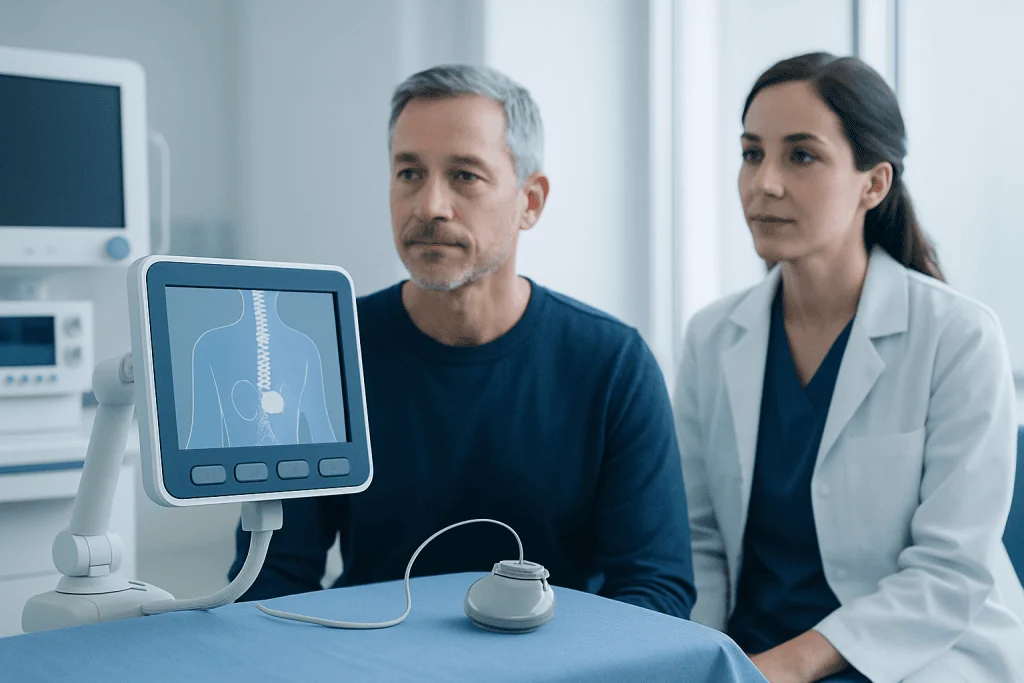
Not every patient with nerve-related symptoms or chronic pain is a candidate for implanted neurostimulator surgery. Suitability depends on the diagnosis, symptom pattern, previous treatments, general health, and realistic expectations about what the device can and cannot do. Doctors also consider whether symptoms are localized enough to be targeted by neuromodulation.
For pain conditions, a temporary trial is often recommended before permanent implantation. During this stage, leads are placed through the skin and connected to an external device for several days. The patient tracks pain relief, comfort, sleep, movement, and daily function. A good trial response can help guide the decision to move forward with a permanent implant.
Conditions that may be evaluated for neuromodulation include certain forms of chronic nerve pain, persistent pain after spine surgery, and selected movement disorders. Depending on the diagnosis, doctors may discuss related care options such as spinal cord stimulation or other forms of deep brain stimulation. The best approach is individualized rather than one-size-fits-all.
Step by step: how the surgery is usually performed
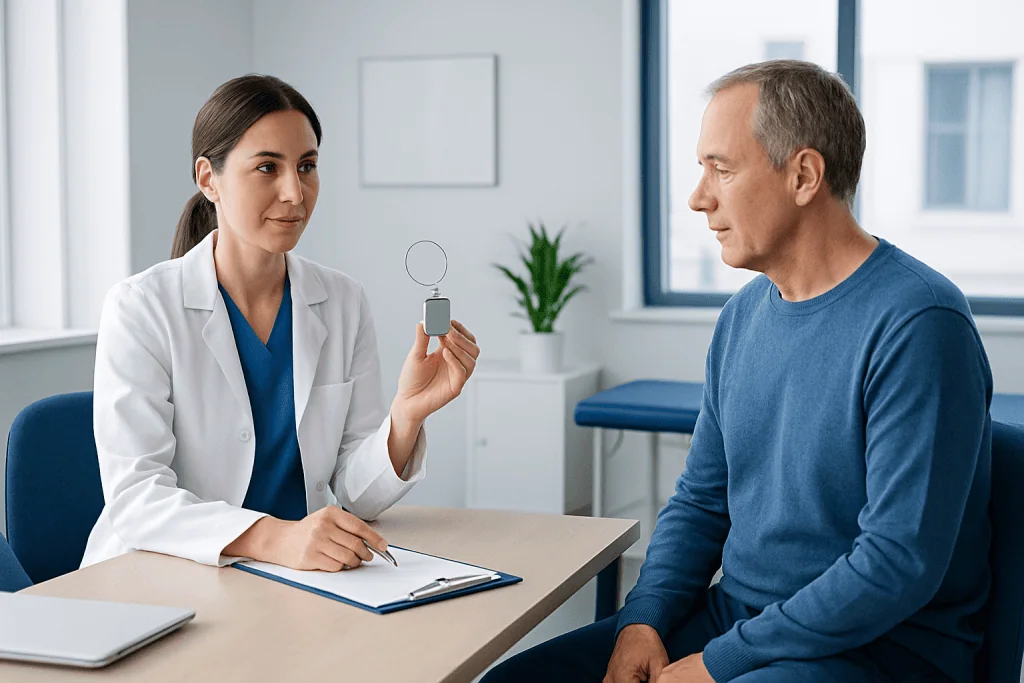
Before surgery, the care team reviews imaging, medical history, medicines, allergies, and any conditions that might affect anesthesia or healing. The patient may be asked to stop or adjust certain medicines, especially blood thinners, under medical guidance. Fasting instructions are usually given for the night before surgery. On the day itself, the patient checks in, changes into a hospital gown, and meets the anesthesia and surgical teams.
The first procedural step is usually lead placement. Using imaging guidance such as fluoroscopy, the surgeon inserts one or more thin leads into the correct position. In some procedures, the patient may be lightly awake for part of the placement so they can help confirm that stimulation reaches the expected area. In others, general anesthesia may be used, depending on the device type and target location.
Once the leads are positioned, the surgeon either tunnels them under the skin to a small implanted pulse generator or temporarily connects them to an external unit during a trial. For permanent implants, the pulse generator is often placed under the skin of the abdomen, buttock, or upper chest, depending on the system being used. The incisions are then closed, dressings are applied, and the device is tested and programmed.
Some systems are implanted in a single operation, while others involve separate steps. The exact technique also differs between procedures such as peripheral nerve stimulation and other neuromodulation surgeries. The surgeon explains the expected sequence clearly before treatment so the patient knows what will happen at each stage.
What to expect right after surgery and during recovery
After surgery, the patient is monitored in a recovery area while the effects of anesthesia wear off. Mild soreness, swelling, bruising, or tenderness around the incision sites is common. Some patients go home the same day, while others stay longer depending on the procedure, overall health, and how they recover from anesthesia.
The first few weeks are important because the leads need time to settle in place. Patients are often advised to avoid bending, twisting, heavy lifting, sudden stretching, or strenuous exercise for a period recommended by the surgeon. These restrictions help lower the chance of lead movement, which can reduce the effectiveness of the therapy.
Follow-up visits are an important part of recovery. During these visits, the device can be adjusted to improve symptom control and comfort. It may take more than one programming session to find the settings that work best. Patients are usually given instructions on incision care, bathing, sleep positions, driving, return to work, and when to restart normal activities.
Recovery is not only about wound healing. It is also a period of learning how to use the device, charger, or handheld controller if the system includes one. Many people need time and patience as they work with their team to fine-tune the stimulation pattern and understand what level of improvement is realistic.
Benefits, limitations, and possible risks
The main potential benefit of implanted neurostimulator surgery is symptom relief that supports better function in daily life. Depending on the condition, some patients report better sleep, improved mobility, and greater ability to participate in work, exercise, or personal activities. A successful implant may also become one part of a broader treatment plan that includes rehabilitation, medication review, and lifestyle support.
At the same time, it is important to understand the limitations. A neurostimulator does not work equally well for everyone, and symptom relief may be partial rather than complete. Device settings may need repeated adjustments over time, and some patients may eventually need a battery replacement or another procedure if a lead moves or hardware wears out.
As with any surgery, there are risks. These can include infection, bleeding, pain at the implant site, lead migration, hardware problems, uncomfortable stimulation, and in rare cases nerve injury or spinal fluid leak, depending on the procedure. The care team explains individual risks based on the type of neurostimulator, the body area involved, and the patient’s overall health.
Patients should also ask practical questions before surgery, such as whether the device is rechargeable, whether future MRI scans are allowed, and how airport security or other electronic systems may affect the implant. Knowing these details in advance can make long-term use safer and more convenient.
Living with an implanted neurostimulator
Once healing is complete, most patients gradually return to normal routines with guidance from their doctor. Many can walk, travel, work, and take part in low-impact exercise. The care team may recommend avoiding activities with repetitive twisting, high-impact contact, or strong strain if these could affect the leads or device over time.
Daily life with a neurostimulator usually includes learning a few practical habits. Patients may need to charge the device regularly if it is rechargeable, carry device identification, and tell healthcare professionals about the implant before scans or procedures. It is also useful to keep a record of the device model, settings, and any changes in symptoms.
Ongoing follow-up matters because symptoms, body position, and activity levels can affect how stimulation feels. If benefit decreases, the device may need reprogramming rather than immediate removal. Some patients receiving neuromodulation have conditions linked to persistent pain patterns such as failed back surgery syndrome or neuropathic pain, and long-term care is often most effective when multiple specialists work together.
Near the end of the treatment journey, some patients seek care at centers with dedicated neuromodulation expertise. Acibadem International’s multidisciplinary specialists and JCI-accredited hospitals evaluate and treat international patients who may need advanced diagnostic review, implantation, and follow-up planning.
When to contact a doctor
Patients should contact their doctor promptly if they notice increasing redness, warmth, swelling, drainage, fever, or worsening pain around the incision sites. These signs can suggest infection or another problem that needs medical review. It is also important to report sudden loss of symptom relief, unusual jolting sensations, or a device that no longer seems to work as expected.
Urgent medical attention may be needed for severe headache after certain procedures, new weakness, numbness, trouble walking, problems with bladder or bowel control, or symptoms that are rapidly getting worse. Although serious complications are uncommon, early assessment can improve safety and help protect the function of the implant.
Even when recovery seems to be going well, regular follow-up should not be skipped. Ongoing visits help the care team monitor healing, adjust the program, and decide whether other treatments such as pain management or rehabilitation should be added to the care plan. Patients should always use the device exactly as instructed and ask a qualified doctor before making major changes to activity or medication.
Frequently asked questions
Is implanted neurostimulator surgery painful?
The surgery itself is performed with anesthesia, so the patient should not feel the full procedure in a typical way. Afterward, soreness around the incision or implant site is common for a short time. The care team usually provides guidance to help manage post-operative discomfort safely.
How long does it take to recover from neurostimulator implantation?
Early recovery often takes a few days to a few weeks, depending on the procedure and the patient's general health. Activity restrictions are commonly needed during the first weeks to protect the leads and support healing. Full adjustment to the device may take longer because programming is often refined over multiple visits.
Will the neurostimulator completely cure chronic pain?
A neurostimulator is not considered a cure for the underlying cause of chronic pain. Its purpose is to reduce symptoms and improve function for carefully selected patients. Some people experience significant relief, while others notice more modest improvement.
Can a neurostimulator be removed if it does not help?
In many cases, yes. If the device does not provide enough benefit, causes side effects, or develops a hardware problem, the doctor may discuss revision or removal. The exact options depend on the type of implant and the patient's condition.
Will I be able to have MRI scans after implantation?
Some neurostimulator systems are designed to be MRI-conditional, meaning scans may be possible under specific rules. Others may have important limitations. Patients should always tell every healthcare provider about the implant and confirm imaging safety based on the exact device model.
How is a trial different from permanent implantation?
A trial usually uses temporary leads connected to an external stimulator for a short testing period. It helps show whether stimulation improves symptoms enough to justify a permanent implant. Permanent implantation places the pulse generator under the skin as part of a longer-term treatment plan.
References
- World Health Organization
- National Institute of Neurological Disorders and Stroke
- National Institute for Health and Care Excellence
- International Neuromodulation Society
- American Association of Neurological Surgeons
This article is for general information only and is not a substitute for professional medical advice. Please consult a qualified doctor about your individual situation.
Explore treatments in Turkey — costs, top hospitals & a free quote
JCI-accredited · board-certified surgeons · reply within 24h
Add us as a Preferred Source to see more of our trusted health content across Google Search, AI Overviews and Discover.