Sleep Study or Neurology Visit: Which Comes First?

There is no single right order for everyone; the best first step depends on symptoms and risk factors. A sleep study is often used when sleep apnea, unusual nighttime behaviors, or unexplained daytime sleepiness are suspected.
Key Takeaways
- There is no single right order for everyone; the best first step depends on symptoms and risk factors.
- A sleep study is often used when sleep apnea, unusual nighttime behaviors, or unexplained daytime sleepiness are suspected.
- A neurology visit may come first when symptoms suggest a brain, nerve, movement, or seizure-related cause.
- Many people with complex symptoms benefit from both sleep medicine and neurology assessment.
- Early evaluation can help identify treatable causes and guide the most appropriate testing.
Whether a sleep study or a neurology visit comes first depends on the person’s symptoms, medical history, and suspected cause of sleep problems. In many cases, a clinician starts with a detailed evaluation and then decides whether testing such as a sleep study, neurological exam, or both is needed.
Overview
People with poor sleep, daytime fatigue, unusual movements during the night, or morning headaches often wonder whether they should book a sleep study first or see a neurologist first. The answer is not always the same for every person. Sleep symptoms can come from breathing-related sleep disorders, circadian rhythm problems, medication effects, mental health conditions, or neurological disorders that affect sleep and wakefulness.
In general, the first step is a clinical evaluation by a qualified doctor, often in primary care, sleep medicine, or neurology depending on the main complaint. That evaluation includes a careful medical history, review of symptoms, sleep habits, medications, and other health conditions. Based on that information, the doctor may recommend a sleep study, a neurological assessment, or both.
A sleep study is not a replacement for a doctor’s assessment, and a neurology visit is not always necessary for common sleep issues such as simple insomnia. However, symptoms such as loud snoring, witnessed pauses in breathing, dream-enactment behavior, sudden weakness with emotions, seizures during sleep, or unusual movements may need targeted testing. The main goal is to identify the underlying cause rather than only treating the symptom of poor sleep.
When a Sleep Study Usually Comes First
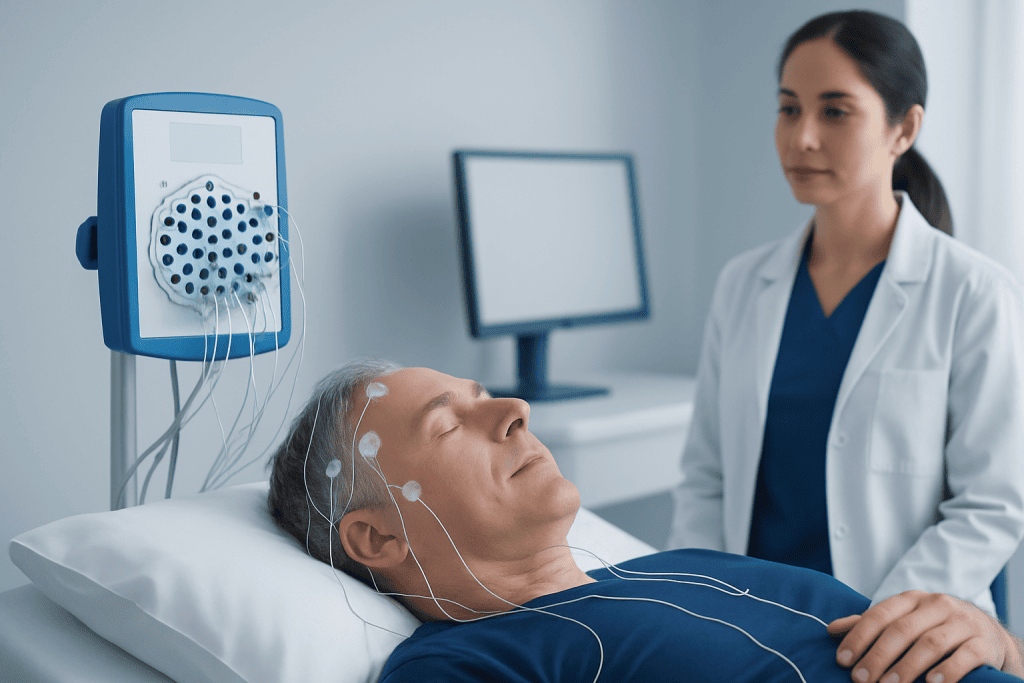
A sleep study often comes early in the process when symptoms strongly suggest a sleep-related breathing disorder or another condition that is best detected during sleep monitoring. This is especially true for people who snore loudly, stop breathing during sleep, wake up choking or gasping, or feel very sleepy during the day despite enough time in bed. In these cases, doctors may suspect obstructive sleep apnea or another breathing-related condition such as sleep apnea.
Sleep studies may also be important when unusual nighttime behaviors are reported. These can include kicking, jerking, acting out dreams, repeated awakenings, or episodes that could represent seizures or parasomnias. Overnight monitoring can help show whether the problem is related to breathing, abnormal movements, disrupted sleep stages, or another cause.
Depending on the symptoms, the doctor may recommend home sleep apnea testing or a full in-laboratory polysomnography. A home test is usually used mainly for suspected uncomplicated obstructive sleep apnea, while a laboratory study provides more detailed information about brain waves, breathing, heart rhythm, limb movements, and sleep stages. A person with complex neurological symptoms usually needs the more detailed lab-based approach rather than a home-only test.
Doctors are more likely to prioritize a sleep study first when symptoms center on:
- Loud habitual snoring
- Witnessed pauses in breathing
- Morning dry mouth or headaches
- Excessive daytime sleepiness
- Unexplained awakenings with choking
- Suspected periodic limb movement disorder or parasomnia
When a Neurology Visit May Come First

A neurology visit may come first when the symptoms suggest a disorder of the brain, spinal cord, nerves, or muscles rather than a primary breathing-related sleep problem. This includes episodes that may be seizures, sudden weakness, fainting, memory lapses, severe headaches associated with sleep changes, tremor, stiffness, or unusual movements that continue during the day. In these situations, a neurologist can perform a focused examination and decide which tests are needed.
Neurology assessment is also helpful when sleep symptoms occur together with known neurological disease. Conditions such as Parkinsonian syndromes, neuropathy, multiple sclerosis, epilepsy, stroke, dementia, or neuromuscular disorders can disrupt sleep in different ways. A neurologist helps determine whether the sleep complaint is a separate sleep disorder or part of the underlying neurological condition.
Another reason to see neurology first is the possibility of central disorders of hypersomnolence, such as narcolepsy, especially when there is overwhelming daytime sleepiness, sleep attacks, vivid dream-like experiences at sleep onset, sleep paralysis, or sudden loss of muscle tone triggered by emotions. These disorders often still require sleep testing, but specialist evaluation helps ensure that the right type of testing is ordered and that contributing conditions are excluded.
Neurology may be the best starting point when there are signs of:
- Possible nighttime seizures
- Cataplexy or sudden brief weakness with laughter or emotion
- Persistent abnormal movements or tremor
- Focal numbness, weakness, or balance problems
- Cognitive changes, confusion, or memory concerns
- Sleep problems linked with a diagnosed neurological illness
Symptoms That Help Guide the Decision
The order of testing and specialist care is guided by the pattern of symptoms. Snoring, obesity, high blood pressure, witnessed apnea, and daytime sleepiness usually point toward sleep-disordered breathing and make a sleep study more urgent. By contrast, episodes of staring, shaking, tongue biting, bedwetting during events, confusion after episodes, or injuries during sleep may raise concern for nocturnal seizures and make neurological review a priority.
Some symptoms overlap and can be confusing. For example, restless sleep may come from pain, anxiety, breathing interruptions, limb movements, medication effects, or neurological disease. Morning headaches may be related to sleep apnea, migraine, poor sleep quality, or other medical causes. Dream enactment can be a parasomnia, but in some adults it also deserves careful neurological evaluation because REM sleep behavior disorder may be associated with neurodegenerative disease.
Insomnia by itself does not always require a sleep study or neurology visit. Many people with trouble falling asleep or staying asleep benefit first from review of sleep habits, stress, mood symptoms, medical conditions, and medications. But insomnia with loud snoring, unusual behaviors, neurological symptoms, or severe daytime impairment may need a broader evaluation.
A simple symptom diary can be helpful before the appointment. Recording sleep times, naps, caffeine and alcohol intake, medications, snoring, witnessed events, and daytime sleepiness gives the doctor a clearer picture and helps determine whether referral for sleep study testing or specialist consultation is appropriate.
How Doctors Make the Diagnosis
Diagnosis usually starts with questions about how long the sleep problem has been happening, what the nights and mornings are like, and whether there are signs of breathing problems, movement disorders, or neurological symptoms. The doctor may ask about snoring, choking awakenings, morning headaches, dream enactment, weakness, numbness, memory changes, mood symptoms, and medication use. Bed partners often provide useful observations because many nighttime events are not remembered by the person having them.
A physical examination may include weight and neck measurements, blood pressure, airway features, and a focused neurological exam. Depending on the findings, the next step may be a home sleep apnea test, an in-lab polysomnogram, blood tests, brain imaging, electroencephalography, or referral to a sleep specialist or neurologist. In some cases, multiple sleep latency testing is performed after an overnight study to evaluate disorders such as narcolepsy.
For people with possible seizure-like events during sleep, an overnight sleep study alone may not be enough. They may need video EEG monitoring or coordinated evaluation between neurology and sleep medicine. Likewise, someone with severe sleepiness may need both testing for sleep apnea and specialist review to assess for central hypersomnolence disorders.
Because symptoms can overlap, diagnosis sometimes takes more than one step. A sleep study may reveal apnea that explains fatigue, but persistent symptoms afterward may lead to neurological evaluation. In other situations, a neurological exam may suggest the need for EEG testing or more advanced assessment in addition to sleep monitoring.
Treatment Options After Evaluation
Treatment depends on the diagnosis rather than on whether the person saw sleep medicine or neurology first. If the main problem is obstructive sleep apnea, treatment may include weight management, positional strategies, oral appliances, or positive airway pressure therapy. If nasal blockage contributes, evaluation by an ENT specialist may also help. Some patients with structural airway issues may need other interventions selected by their care team.
If insomnia is the main issue, treatment often focuses on improving sleep routines, addressing stress, and using evidence-based behavioral approaches such as cognitive behavioral therapy for insomnia. If abnormal movements, parasomnias, or seizure-related events are identified, management is directed toward that specific condition and may involve medication changes, safety precautions, or treatment of the underlying neurological disorder.
For disorders like narcolepsy, REM sleep behavior disorder, restless legs syndrome, or neurological conditions that disturb sleep, care may involve both a neurologist and a sleep specialist. This combined approach can be especially useful when symptoms are complex or when more than one diagnosis is present. In selected cases, further testing such as neurological examination and specialist follow-up helps refine treatment over time.
At the end of the process, the best care plan is individualized. The goal is to improve sleep quality, daytime function, safety, and overall health while avoiding unnecessary tests and making sure serious causes are not missed.
Self-Care, Preparation, and When to Seek Medical Help
While waiting for assessment, practical self-care steps can support better sleep and provide useful information for the doctor. Keeping a regular sleep schedule, limiting alcohol near bedtime, reducing evening caffeine, managing screen use, and treating nasal congestion if advised can all help. It is also wise to review prescription and over-the-counter medicines with a clinician, because some can worsen sleepiness, insomnia, abnormal movements, or breathing during sleep.
Preparation for the appointment is important. Bringing a sleep diary, medication list, and notes from a bed partner can help clarify what happens during the night. If a person has videos of unusual movements or behaviors during sleep, these may be useful for the doctor if obtained safely and respectfully. People should not stop prescribed medicines on their own before testing unless specifically instructed.
Medical review should be sought promptly if there is excessive daytime sleepiness that affects driving or work safety, repeated breathing pauses during sleep, violent dream enactment, suspected seizures, sudden weakness with emotions, or new neurological symptoms such as weakness, numbness, speech trouble, or confusion. Emergency care is needed for severe breathing difficulty, prolonged seizure activity, or signs of stroke.
When symptoms are complex, coordinated care can be valuable. Acibadem International’s multidisciplinary specialists and JCI-accredited hospitals evaluate sleep and neurological symptoms for international patients, using appropriate sleep studies and neurological assessment when indicated.
Frequently asked questions
Should someone see a neurologist before having a sleep study?
It depends on the symptoms. If the main concerns are loud snoring, witnessed apnea, or daytime sleepiness, a sleep study may be the first test. If there are signs of seizures, weakness, tremor, or other neurological symptoms, a neurology visit may come first.
Can a sleep study detect neurological problems?
A sleep study can identify some patterns that suggest movement disorders, parasomnias, breathing problems, or possible seizure-related events during sleep. However, it does not replace a full neurological evaluation. Some neurological conditions need additional tests such as EEG, imaging, or specialist examination.
Is a home sleep test enough for all sleep problems?
No. Home sleep tests are mainly used for suspected uncomplicated obstructive sleep apnea. People with unusual nighttime behaviors, possible seizures, significant neurological symptoms, or complex medical conditions often need a full in-lab sleep study instead.
What symptoms make a sleep study more urgent?
Symptoms such as loud frequent snoring, witnessed pauses in breathing, gasping during sleep, and severe daytime sleepiness can make sleep testing more important. These features may suggest sleep apnea, which can affect sleep quality and overall health. A doctor can decide how quickly testing is needed.
What symptoms suggest a neurology evaluation is important?
Possible seizures, sudden weakness triggered by emotion, persistent tremor, memory changes, confusion, balance problems, or abnormal movements during both sleep and wakefulness deserve neurological review. These symptoms may point to a nervous system condition rather than a primary sleep disorder alone.
Can someone need both a neurology visit and a sleep study?
Yes. Many sleep-related symptoms overlap, and some people have more than one condition at the same time. Combined evaluation is common when symptoms are complex, when the first test does not fully explain the problem, or when a neurological disorder is already present.
References
- American Academy of Sleep Medicine
- National Institute of Neurological Disorders and Stroke
- National Heart, Lung, and Blood Institute
- American Academy of Neurology
- Mayo Clinic
This article is for general information only and is not a substitute for professional medical advice. Please consult a qualified doctor about your individual situation.
Explore treatments in Turkey — costs, top hospitals & a free quote
JCI-accredited · board-certified surgeons · reply within 24h
Add us as a Preferred Source to see more of our trusted health content across Google Search, AI Overviews and Discover.

More from the Health Library



Related Specialists

Dt. Emin Gökalp Baş
Oral & Dental Health
Prof. Dr. Kaan Erler
Orthopedic Surgery & Traumatology
Assoc. Prof. Dr. Bahar Temur
Cardiovascular Surgery
Prof. Dr. Faruk Abike
Gynecology & Obstetrics