What Does a Neuroimmunologist Do? When This Specialist Is the Right Choice

A neuroimmunologist treats immune-related disorders of the nervous system. Common conditions include multiple sclerosis, autoimmune encephalitis, neuromyelitis optica spectrum disorder, and myasthenia gravis.
Key Takeaways
- A neuroimmunologist treats immune-related disorders of the nervous system.
- Common conditions include multiple sclerosis, autoimmune encephalitis, neuromyelitis optica spectrum disorder, and myasthenia gravis.
- Referral is often helpful when symptoms are complex, unexplained, recurrent, or linked to inflammation on testing.
- Diagnosis may involve neurological examination, MRI, blood tests, spinal fluid analysis, and other specialized studies.
- Treatment often combines medicines to calm abnormal immune activity with rehabilitation and long-term monitoring.
A neuroimmunologist is a doctor who focuses on conditions in which the immune system affects the brain, spinal cord, nerves, or muscles. This specialist can help diagnose unexplained neurological symptoms and guide long-term treatment for autoimmune and inflammatory nervous system disorders.
Overview: What Is a Neuroimmunologist?
A neuroimmunologist is a physician with expertise in both neurology and immunology. This specialist evaluates disorders in which the body’s immune system mistakenly attacks or inflames parts of the nervous system, including the brain, spinal cord, optic nerves, peripheral nerves, or the connection between nerves and muscles. The goal is to identify whether symptoms are caused by immune activity and to create a treatment plan that protects nervous system function.
Neuroimmunology sits at the intersection of several medical fields. Many patients first see a general neurologist, internist, emergency physician, or another specialist before being referred to a neuroimmunologist. Referral becomes especially important when symptoms suggest autoimmune disease, when imaging or laboratory tests point to inflammation, or when standard explanations for symptoms do not fully fit.
This type of specialist often cares for people over time, not just at the moment of diagnosis. Many neuroimmune disorders can relapse, change over the years, or require regular monitoring for treatment response and side effects. A neuroimmunologist therefore combines diagnostic expertise with long-term disease management and coordination with other professionals such as rheumatologists, ophthalmologists, rehabilitation teams, and mental health specialists.
What Conditions Does a Neuroimmunologist Treat?
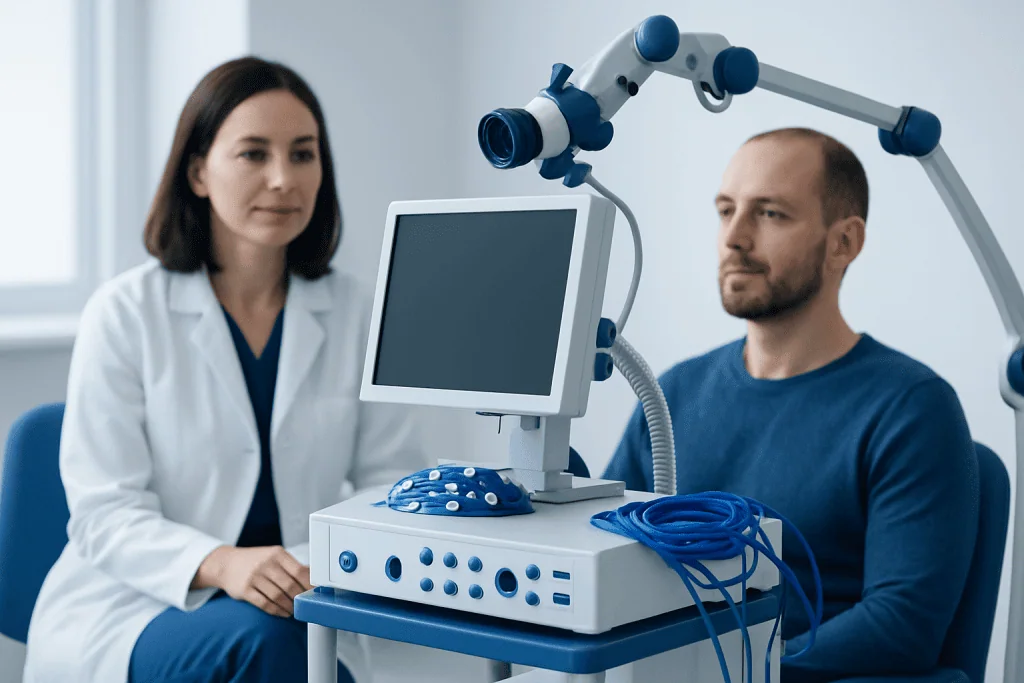
Neuroimmunologists diagnose and manage a range of autoimmune and inflammatory disorders affecting the nervous system. One of the best-known examples is multiple sclerosis, in which immune activity damages the protective covering around nerve fibers. They may also treat neuromyelitis optica spectrum disorder, MOG antibody-associated disease, autoimmune encephalitis, central nervous system vasculitis, transverse myelitis, optic neuritis, and some forms of inflammatory neuropathy.
Some conditions involve the communication between nerves and muscles rather than the brain or spinal cord itself. For example, a neuroimmunologist may help diagnose and treat myasthenia gravis, an autoimmune disorder that causes muscle weakness. In certain hospitals, this specialist may also evaluate complex cases of chronic inflammatory demyelinating polyneuropathy, paraneoplastic neurological syndromes, or overlap disorders linked to systemic autoimmune disease.
Not every patient referred to a neuroimmunologist will ultimately have an autoimmune neurological disorder. Part of the specialist’s role is to distinguish immune-mediated disease from infections, stroke, migraine, vitamin deficiency, hereditary disorders, structural problems, or functional neurological symptoms. Careful evaluation helps avoid unnecessary treatments and supports the most appropriate next steps.
Symptoms That May Need Neuroimmunology Assessment

Symptoms of neuroimmune disorders vary widely depending on which part of the nervous system is affected. They may begin suddenly over hours or days, or develop more gradually. Some people have a single episode, while others experience relapses separated by periods of improvement. Because these symptoms can overlap with many other conditions, assessment by a specialist can be useful when the pattern is unusual or difficult to explain.
Symptoms that may prompt referral include vision loss or pain with eye movement, numbness, tingling, limb weakness, balance problems, dizziness, bladder changes, unexplained fatigue, double vision, drooping eyelids, speech or swallowing difficulty, memory changes, confusion, seizures, or new psychiatric symptoms. In autoimmune encephalitis, behavior or cognition can change noticeably over a short period. In spinal cord inflammation, symptoms may involve weakness, sensory loss, and bowel or bladder problems.
A person may also be referred after an MRI shows inflammatory-looking lesions, a spinal fluid test suggests immune activity, or blood tests reveal antibodies associated with neuroimmune disease. Urgent evaluation is especially important if symptoms are rapidly worsening, affect breathing or swallowing, involve severe confusion, or include sudden major weakness.
When Is a Neuroimmunologist the Right Choice?
A neuroimmunologist is often the right choice when a patient has unexplained neurological symptoms and an autoimmune or inflammatory cause is suspected. This may happen after a first neurological event such as optic neuritis, transverse myelitis, or inflammation seen on brain or spinal imaging. It can also be the next step when symptoms keep returning, do not fit a simple diagnosis, or do not respond as expected to routine treatment.
People already diagnosed with a neuroimmune condition may seek this specialist for confirmation of the diagnosis, treatment planning, or a second opinion about newer therapies. This can be particularly helpful when deciding whether to start disease-modifying treatment, switch therapies because of side effects or breakthrough disease, or manage pregnancy, infection risk, vaccination questions, or other important life events while on immune-targeting medication.
Some patients are referred because they have another autoimmune disease, such as lupus, Sjogren syndrome, thyroid autoimmunity, or inflammatory bowel disease, and then develop neurological symptoms. In these cases, a neuroimmunologist helps determine whether the nervous system is directly involved. They also work closely with multidisciplinary teams when complex testing, infusion therapies, or advanced imaging are needed.
How Diagnosis Is Made
Diagnosis usually starts with a detailed medical history and neurological examination. The specialist asks about how symptoms began, whether they came in episodes, what makes them better or worse, and whether there is a personal or family history of autoimmune disease. Past infections, cancers, medications, and recent vaccinations may also be relevant, depending on the clinical picture.
Tests are chosen based on the suspected condition. MRI of the brain, spinal cord, or optic nerves is commonly used to look for inflammation or damage. Blood tests may check for antibodies, markers of systemic autoimmune disease, vitamin problems, or infections that can mimic inflammatory disorders. In many cases, spinal fluid analysis obtained by lumbar puncture helps look for signs of immune activity inside the central nervous system.
Other studies may include nerve conduction tests, electromyography, evoked potentials, EEG, visual testing, or advanced imaging. Diagnosis is rarely based on a single test alone. Instead, the neuroimmunologist combines symptoms, examination findings, scan results, laboratory studies, and the pattern over time to reach the most accurate conclusion and rule out alternatives.
For patients with suspected inflammatory brain or spinal disorders, care may also involve specialized imaging and procedures such as MRI scanning and, when clinically appropriate, lumbar puncture evaluation as part of a broader diagnostic workup.
Treatment Options and Long-Term Care
Treatment depends on the diagnosis, symptom severity, and whether the goal is to treat an acute attack, prevent future relapses, or manage long-term disability. During active inflammation, doctors may use corticosteroids, plasma exchange, intravenous immunoglobulin, or other immune-directed therapies. For chronic conditions, treatment may include disease-modifying medicines, steroid-sparing immunosuppressive drugs, targeted biologic therapies, or carefully monitored infusion treatments.
Supportive care is also important. Patients may benefit from physical therapy, occupational therapy, speech and swallowing support, bladder management, pain treatment, mental health care, and fatigue management strategies. For some conditions, vision care, respiratory monitoring, or nutritional guidance is also part of the treatment plan. The aim is not only to control immune activity but also to preserve function and quality of life.
Monitoring continues even when symptoms improve. Follow-up visits may include repeat MRI scans, blood tests, functional assessments, and review of side effects or infection risks. A neuroimmunologist helps balance the benefit of controlling disease with the need for safe long-term treatment. In selected cases, patients may be referred for therapies such as plasmapheresis or ongoing infusion-based treatment under specialist supervision.
Living With a Neuroimmune Disorder
Many neuroimmune conditions are chronic, but good management can make a meaningful difference. Patients often do best when they understand their diagnosis, know how to recognize changes in symptoms, and keep regular follow-up appointments. Written treatment plans, medication reviews, and open communication with the care team can help reduce uncertainty.
Healthy daily habits support medical treatment. These include adequate sleep, balanced nutrition, regular activity within personal ability, stress management, and avoiding smoking. Because some immune therapies can affect infection risk, people should also discuss vaccinations, travel, and exposure precautions with their doctor rather than making assumptions on their own.
Living with an unpredictable condition can affect mood, work, family life, and confidence. Support from rehabilitation specialists, counselors, patient organizations, and family members may be valuable. Near the end of the care pathway, some international patients choose centers such as Acibadem International, where multidisciplinary specialists in JCI-accredited hospitals diagnose and treat complex neuroimmunological conditions.
When to Seek Medical Attention
Prompt medical attention is important for new or worsening neurological symptoms. A person should contact a doctor if they develop unexplained vision changes, numbness, weakness, balance difficulty, double vision, persistent severe fatigue with neurological symptoms, swallowing problems, or episodes of confusion. Early assessment can improve the chance of identifying inflammation before more damage occurs.
Emergency care is needed for severe or rapidly progressing symptoms, especially sudden inability to walk, major weakness, difficulty breathing, severe confusion, repeated seizures, or loss of consciousness. These symptoms do not always mean an autoimmune neurological disorder, but they require urgent evaluation.
People already diagnosed with a neuroimmune condition should ask their specialist which changes should trigger an urgent call. New symptoms, medication side effects, fever while on immune-suppressing therapy, or a clear return of previous neurological problems may all need prompt review.
Frequently asked questions
Is a neuroimmunologist the same as a neurologist?
A neuroimmunologist is usually a neurologist with additional expertise in immune-related disorders of the nervous system. While general neurologists treat many brain and nerve conditions, neuroimmunologists focus on autoimmune and inflammatory diseases such as multiple sclerosis, autoimmune encephalitis, and related disorders.
Do all people with numbness or weakness need a neuroimmunologist?
No. Numbness and weakness can have many causes, including nerve compression, stroke, migraine, vitamin deficiency, or muscle disease. A neuroimmunologist is most helpful when there is reason to suspect inflammation or autoimmunity, or when the diagnosis remains unclear after initial evaluation.
What tests might a neuroimmunologist order?
Common tests include MRI scans, blood tests, and sometimes spinal fluid analysis. Depending on symptoms, the specialist may also recommend nerve conduction studies, EEG, visual testing, or antibody tests to help confirm the diagnosis and rule out similar conditions.
Can a neuroimmune disorder be cured?
Some conditions are temporary or treatable after a single episode, while others are long-term illnesses that need ongoing management. Even when a complete cure is not possible, treatment can often reduce inflammation, prevent relapses, and support daily function.
When should someone ask for a second opinion from a neuroimmunologist?
A second opinion may be useful if symptoms are unusual, the diagnosis is uncertain, or treatment decisions are complicated. It can also help when a person has ongoing relapses, concerning side effects, or questions about newer immune therapies.
How should a patient prepare for a neuroimmunology appointment?
It helps to bring a timeline of symptoms, previous test results, scan reports, a medication list, and details of any autoimmune diseases in the family. Writing down questions in advance can make the visit more productive and help the specialist understand the full picture.
References
- National Institute of Neurological Disorders and Stroke
- National Multiple Sclerosis Society
- American Academy of Neurology
- Mayo Clinic
- MS International Federation
This article is for general information only and is not a substitute for professional medical advice. Please consult a qualified doctor about your individual situation.
Joint and spine care in Turkey — expert assessment & treatment
JCI-accredited · board-certified surgeons · reply within 24h
Add us as a Preferred Source to see more of our trusted health content across Google Search, AI Overviews and Discover.