Daytime Sleepiness With Neurological Symptoms: Possible Causes

Daytime sleepiness with neurological symptoms is not a diagnosis but a sign that several conditions may need to be considered. Common causes include sleep disorders, medication effects, seizures, migraines, movement disorders, and some neurological diseases.
Key Takeaways
- Daytime sleepiness with neurological symptoms is not a diagnosis but a sign that several conditions may need to be considered.
- Common causes include sleep disorders, medication effects, seizures, migraines, movement disorders, and some neurological diseases.
- Warning signs such as sudden weakness, speech difficulty, severe headache, or loss of consciousness need urgent medical care.
- Diagnosis often involves a detailed history, neurological examination, sleep evaluation, and sometimes brain imaging or EEG testing.
- Treatment depends on the underlying cause and may include sleep-focused care, medication adjustments, or neurological treatment.
Daytime sleepiness is common, but when it occurs alongside neurological symptoms such as weakness, confusion, headaches, numbness, or episodes of altered awareness, it deserves careful medical attention. The cause may relate to sleep disorders, brain and nerve conditions, medications, or other health problems, and evaluation can help guide the right treatment.
Overview
Daytime sleepiness means an ongoing tendency to feel unusually sleepy during the day, to doze off unintentionally, or to struggle to stay alert in routine situations. Many people experience this occasionally after poor sleep, stress, shift work, or travel. However, when daytime sleepiness appears together with neurological symptoms, it may point to a more complex issue involving the brain, nerves, or the body systems that regulate sleep and wakefulness.
Neurological symptoms can include headaches, dizziness, confusion, memory problems, weakness, numbness, balance difficulty, tremor, visual changes, unusual movements, or brief spells of staring or altered awareness. These symptoms do not automatically mean there is a serious neurological disease, but they can help doctors narrow down the possible causes. Sometimes the problem begins with a sleep disorder that affects brain function during the day. In other cases, a neurological condition itself disrupts sleep or alertness.
Because sleep and brain health are closely connected, a careful assessment is often the safest and most useful next step. A patient-friendly approach begins by looking at sleep habits, medicines, mental health, and general medical history, then considering whether specialized neurological or sleep testing is needed.
Symptoms That May Occur Alongside Daytime Sleepiness
The most obvious symptom is feeling sleepy at times when a person would normally be awake and alert, such as while reading, working, driving, or having a conversation. Some people describe heavy eyelids, difficulty concentrating, mental fog, slowed thinking, or a strong need to nap. Others report refreshing naps, while some wake still feeling unrefreshed.
Neurological symptoms that can appear with sleepiness vary widely. These may include morning headaches, episodes of confusion, memory lapses, clumsiness, poor coordination, balance problems, tingling or numbness, muscle weakness, tremor, or visual disturbances. Brief events such as staring spells, sudden loss of muscle tone, unusual jerking, or moments of lost awareness may also be important clues.
It can help to keep a record of how symptoms happen. Useful details include when sleepiness starts, whether it follows poor sleep, whether it comes on suddenly or gradually, how long it lasts, and whether headaches, dizziness, weakness, or unusual movements occur at the same time.
- Daytime drowsiness or unintended sleep episodes
- Brain fog, slowed thinking, or poor attention
- Headaches, especially in the morning
- Balance problems or dizziness
- Numbness, weakness, or coordination changes
- Brief spells of staring, confusion, or altered awareness
Possible Causes and Risk Factors

One broad group of causes involves sleep disorders. Obstructive sleep apnea can repeatedly interrupt breathing during sleep, leading to poor sleep quality, morning headaches, and daytime fatigue or sleepiness. Narcolepsy and related central disorders of hypersomnolence can cause overwhelming sleepiness, vivid dream-like experiences, sleep paralysis, and in some cases sudden muscle weakness triggered by emotion. Restless legs syndrome and periodic limb movements can also fragment sleep and leave a person tired and unfocused the next day.
Neurological conditions may also contribute. Seizures, especially focal seizures, can sometimes look like unusual sleepiness, confusion, or brief lapses in awareness. Migraine may cause fatigue, brain fog, visual symptoms, or dizziness before, during, or after attacks. Disorders such as Parkinsonian syndromes, multiple sclerosis, head injury, stroke, and some neurodegenerative conditions can disrupt sleep, affect alertness, or produce daytime sleepiness directly. In some situations, daytime sleepiness may be seen along with symptoms of epilepsy or with problems related to sleep apnea.
Other contributors are also common. Sedating medications, alcohol, substance use, depression, anxiety, hormonal disorders, chronic pain, and infections can all worsen alertness. Risk factors include poor sleep routines, shift work, obesity, older age, recent concussion, certain neurological illnesses, and use of medicines that affect the brain, such as some sleep aids, antihistamines, pain medicines, or anti-seizure treatments.
How Doctors Evaluate the Problem
Diagnosis begins with a detailed conversation about symptoms and sleep patterns. A doctor may ask about bedtime and wake time, snoring, witnessed pauses in breathing, unusual movements during sleep, dream enactment, sudden weakness, fainting, headaches, medication use, mood changes, and any history of seizures, stroke, or head injury. A sleep diary or reports from a bed partner can be very helpful.
A neurological examination is often an important part of the assessment. This may include checking strength, sensation, reflexes, balance, eye movements, coordination, speech, and mental status. Depending on the story and examination findings, doctors may order tests to look for sleep disorders, neurological problems, or medical conditions that can mimic them.
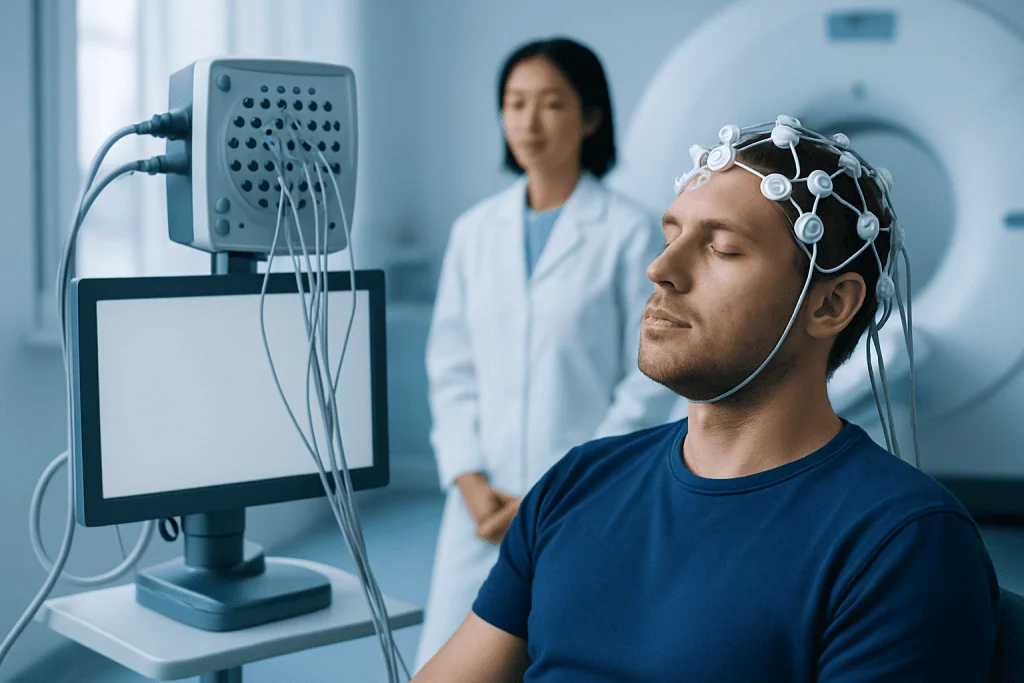
Common tests may include blood tests, a sleep study, brain imaging, or an electroencephalogram to look at brain electrical activity. In selected cases, specialists may recommend electroencephalography (EEG) when episodes of altered awareness or unusual movements raise concern for seizures, or MRI if there are focal neurological symptoms, persistent headaches, or signs that warrant closer evaluation of the brain. If sleep apnea or other nocturnal breathing problems are suspected, a formal sleep assessment may also be arranged.
Treatment Options
Treatment depends on the cause rather than the symptom alone. If the problem relates to insufficient sleep, irregular schedules, or medication side effects, correcting these factors may significantly improve daytime alertness. When a sleep disorder is found, treatment focuses on improving sleep quality and restoring normal wakefulness. For example, people with obstructive sleep apnea may benefit from sleep apnea treatment, while those with central hypersomnolence disorders may need a specialist-led plan that includes behavioral and medical strategies.
If a neurological condition is responsible, treatment is tailored to that diagnosis. Seizure disorders may require anti-seizure treatment and safety planning. Migraine-related symptoms may improve with trigger management and preventive or acute therapies. Conditions such as multiple sclerosis, Parkinsonian syndromes, or post-concussion problems may require a multidisciplinary approach that addresses both the neurological disorder and its effect on sleep.
Sometimes more than one factor is involved. A person may have a sleep disorder, medication-related sedation, and a neurological condition at the same time. Coordinated care can help avoid oversimplifying symptoms. Near the end of the evaluation process, some patients may benefit from specialty input through a center experienced in sleep and neurological disorders; Acibadem International’s multidisciplinary specialists and JCI-accredited hospitals diagnose and treat such conditions for international patients.
Self-care, Safety, and Prevention
Not all causes of daytime sleepiness can be prevented, but healthy sleep habits can reduce strain on the brain and body. A regular sleep schedule, a quiet sleeping environment, limited late caffeine, moderate physical activity, and avoiding alcohol close to bedtime can all support better quality sleep. People who snore loudly, wake gasping, or feel tired despite enough time in bed should not ignore these signs.
Safety matters, especially if sleepiness is severe or associated with sudden episodes of confusion, weakness, or loss of awareness. Until the cause is clear, it may be wise to avoid driving, operating machinery, swimming alone, or climbing heights if there is a risk of falling asleep or having a spell. Family members can help by noting symptoms, recording events when appropriate, and sharing observations with the doctor.
Self-care does not replace diagnosis when neurological symptoms are present. It is especially important not to stop prescribed medicines suddenly without medical advice, even if a medication is suspected of causing sleepiness. A clinician can review whether a dose change, timing change, or alternative treatment is safer.
When to See a Doctor
Medical review is recommended when daytime sleepiness lasts for more than a short period, interferes with work or daily life, causes unplanned naps, or occurs despite enough opportunity to sleep. An appointment is also appropriate if sleepiness is paired with headaches, memory problems, dizziness, numbness, weakness, unusual movements, or episodes of altered awareness.
Urgent care is needed for red-flag symptoms such as sudden one-sided weakness, new trouble speaking, severe or sudden headache, a seizure, chest pain, fainting, significant confusion, or sudden vision loss. These symptoms may point to a time-sensitive problem and should not be watched at home.
Seeking care early can shorten the time to diagnosis and help protect safety, especially if driving or work performance is affected. Even when the cause turns out to be treatable and not serious, proper evaluation can bring relief and help restore normal energy and concentration.
Frequently asked questions
Is daytime sleepiness always caused by not getting enough sleep?
No. Lack of sleep is a common reason, but daytime sleepiness can also result from sleep apnea, narcolepsy, medication effects, depression, seizures, migraines, or other neurological and medical conditions. When neurological symptoms are present, a fuller evaluation is often needed.
What neurological symptoms are most important to mention to a doctor?
It is helpful to mention headaches, dizziness, confusion, memory lapses, numbness, weakness, balance problems, tremor, visual changes, or any brief spells of staring or lost awareness. Timing matters too, so noting whether these symptoms happen before, during, or after the sleepiness can be useful.
Can seizures look like sleepiness?
Yes, in some cases they can. Certain focal seizures may cause staring, confusion, brief unresponsiveness, or unusual fatigue afterward, which can be mistaken for simple drowsiness. This is one reason doctors may consider EEG testing in selected patients.
When is daytime sleepiness an emergency?
Urgent medical care is needed if sleepiness occurs with sudden weakness, trouble speaking, a severe sudden headache, seizure activity, fainting, major confusion, or sudden vision changes. These signs can point to serious neurological or cardiovascular problems and should be assessed promptly.
How is this problem usually diagnosed?
Doctors usually start with a history, medication review, and physical and neurological examination. Depending on the findings, they may order blood tests, a sleep study, brain imaging, or EEG, and sometimes refer the person to both a neurologist and a sleep specialist.
Can treatment improve both sleepiness and neurological symptoms?
Often, yes. Treating the underlying problem, such as sleep apnea, seizure disorders, migraine, or medication-related sedation, can improve daytime alertness and reduce associated symptoms. The best results usually come from identifying the exact cause rather than treating sleepiness alone.
References
- American Academy of Sleep Medicine
- National Institute of Neurological Disorders and Stroke
- National Institute for Health and Care Excellence
- Mayo Clinic
- World Health Organization
This article is for general information only and is not a substitute for professional medical advice. Please consult a qualified doctor about your individual situation.
Explore treatments in Turkey — costs, top hospitals & a free quote
JCI-accredited · board-certified surgeons · reply within 24h
Add us as a Preferred Source to see more of our trusted health content across Google Search, AI Overviews and Discover.