Memory Loss, Personality Change, or Confusion: Is It Neuropsychiatric?

Neuropsychiatric symptoms affect thinking, mood, behavior, or personality and may be linked to brain disorders, psychiatric conditions, or both. Memory loss, confusion, and personality change are symptoms rather than a diagnosis.
Key Takeaways
- Neuropsychiatric symptoms affect thinking, mood, behavior, or personality and may be linked to brain disorders, psychiatric conditions, or both.
- Memory loss, confusion, and personality change are symptoms rather than a diagnosis.
- Causes can range from stress, depression, and medication effects to dementia, stroke, infection, seizures, or metabolic problems.
- Diagnosis often involves a detailed history, neurological and mental status examination, blood tests, and sometimes brain imaging or cognitive testing.
- Early assessment is especially important when symptoms are sudden, worsening, or affecting safety and daily life.
Memory loss, personality change, and confusion can sometimes be neuropsychiatric symptoms, meaning they involve both brain function and mental or behavioral changes. These symptoms have many possible causes, so a careful medical evaluation is important to find the reason and guide treatment.
Overview: What neuropsychiatric symptoms mean
The term neuropsychiatric symptoms refers to changes in thinking, memory, mood, perception, behavior, or personality that may arise from conditions affecting the brain, the nervous system, mental health, or a combination of these. In everyday life, a person may seem forgetful, unusually irritable, withdrawn, suspicious, impulsive, or confused. These changes can be subtle at first, or they may become obvious enough to affect work, relationships, and daily routines.
Memory loss, personality change, and confusion are not diseases by themselves. They are signs that something may be interfering with normal brain function. In some people, the cause is temporary and treatable, such as poor sleep, medication side effects, dehydration, depression, vitamin deficiency, or an infection. In others, symptoms may be related to neurological or psychiatric conditions that need ongoing care.
Neuropsychiatry is the field that looks at how brain health and mental health connect. This is helpful because the same symptom can have different explanations. For example, trouble concentrating may be caused by anxiety, depression, a head injury, seizures, or a neurodegenerative condition. A broad, careful assessment helps avoid assumptions and supports the right treatment plan.
Common symptoms to watch for
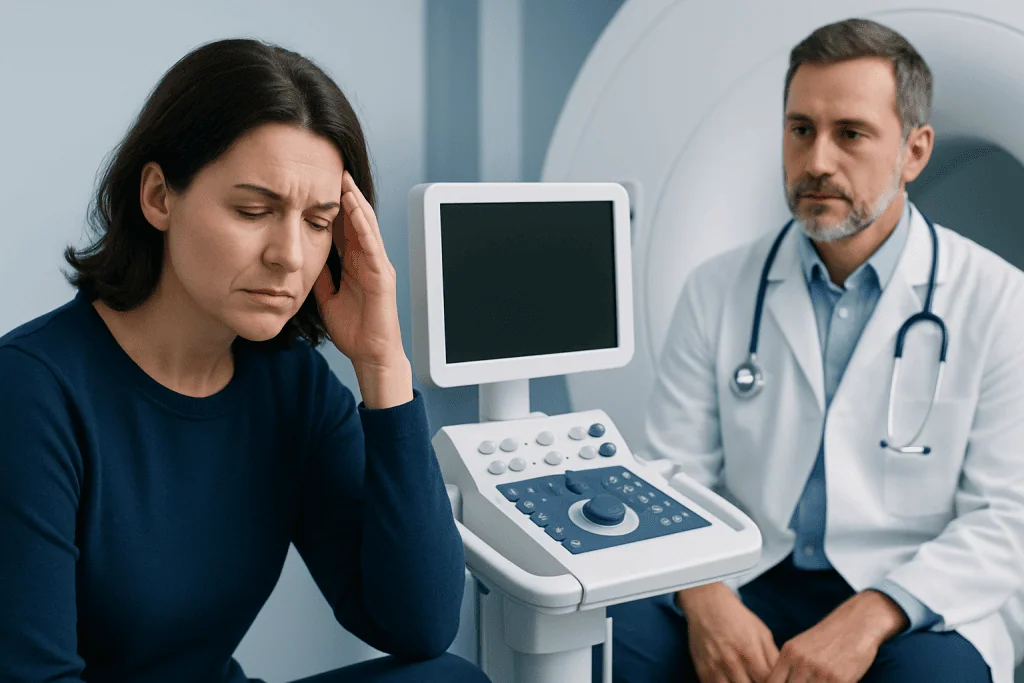
Symptoms may affect cognition, emotions, behavior, or awareness. Memory-related problems can include forgetting recent conversations, repeating questions, misplacing items, or struggling to learn new information. Confusion may appear as disorientation, trouble following instructions, poor judgment, or difficulty understanding what is happening around the person.
Personality and behavior changes can take many forms. A person who was once calm may become easily frustrated or aggressive. Someone who was sociable may become apathetic, withdrawn, or less interested in hobbies and family. Others may show impulsive behavior, suspiciousness, reduced empathy, poor insight, or inappropriate social behavior. Mood symptoms such as anxiety, sadness, irritability, or emotional instability can happen alongside these changes.
Additional signs sometimes point toward a brain-based cause. These may include language difficulties, problems with planning or problem-solving, slower thinking, hallucinations, sleep changes, tremor, unsteady walking, headaches, seizures, or weakness. In older adults, confusion may be especially noticeable during illness or after hospitalization, while in younger adults it may be first recognized through work, school, or relationship difficulties.
- Short-term memory problems
- Disorientation to time or place
- Changes in mood or social behavior
- Poor concentration or slowed thinking
- Hallucinations or unusual beliefs
- Loss of judgment or impulse control
Possible causes and risk factors

There are many possible causes of neuropsychiatric symptoms. Neurological causes include dementia, stroke, traumatic brain injury, epilepsy, brain tumors, Parkinson-related disorders, multiple sclerosis, and some infections or inflammatory diseases that affect the brain. Sudden confusion can also happen with delirium, a medical state often triggered by infection, surgery, dehydration, pain, medication changes, or organ problems.
Psychiatric conditions can also affect memory, attention, and behavior. Depression may cause poor concentration and slowed thinking that can resemble memory decline. Anxiety can interfere with attention and recall. Severe mood disorders or psychosis may lead to suspiciousness, agitation, disorganized thinking, or reduced self-care. Substance use, alcohol misuse, and withdrawal can also cause major changes in cognition and behavior.
General medical conditions are another important group. Thyroid disorders, vitamin B12 deficiency, sleep apnea, liver or kidney disease, low blood sugar, autoimmune conditions, and medication side effects can all affect the brain. Risk may be higher with older age, prior neurological illness, family history of dementia, cardiovascular disease, head trauma, poor sleep, heavy alcohol use, and multiple medications. Because causes vary widely, it is important not to assume that memory loss or behavior change is simply a normal part of aging.
How doctors evaluate memory loss, confusion, or personality change
Assessment usually begins with a detailed medical history. The doctor will ask when symptoms started, whether they appeared suddenly or gradually, and how they affect daily activities. Information from a family member or close friend is often very valuable because the person experiencing symptoms may not notice all the changes. Questions may also cover medications, alcohol or substance use, sleep, recent illnesses, mood symptoms, and past neurological or psychiatric conditions.
The clinical examination typically includes a neurological exam and a mental status or cognitive assessment. Doctors may check attention, memory, language, orientation, problem-solving, and behavior. Depending on the situation, formal neuropsychological testing may help describe strengths and weaknesses in greater detail. Blood tests are often used to look for reversible causes such as infection, vitamin deficiency, thyroid problems, or metabolic imbalance.
Brain imaging may be recommended if symptoms are new, progressing, or associated with neurological signs. MRI or CT scans can help identify stroke, bleeding, tumors, hydrocephalus, or patterns seen in some neurodegenerative conditions. Some people may also need an EEG if seizures are suspected, a sleep evaluation, or referral to specialists in Alzheimer’s disease or other cognitive disorders. A multidisciplinary approach is often the most useful when symptoms overlap between neurology and psychiatry.
Treatment options and supportive care
Treatment depends on the underlying cause. If symptoms are due to dehydration, infection, medication effects, vitamin deficiency, thyroid disease, or poor sleep, addressing those issues may improve cognition and behavior. When depression, anxiety, or another psychiatric condition is contributing, treatment may include psychological therapy, lifestyle changes, and carefully selected medication. If a neurological illness is present, the treatment plan may involve disease-specific management and long-term monitoring.
Supportive care is often just as important as medical treatment. Practical strategies may include keeping a regular daily routine, using calendars or reminders, reducing noise and clutter, improving lighting, and simplifying tasks. Family education can help loved ones respond calmly to confusion or behavior changes and understand that these symptoms are not always under the person’s control. Safety planning may be needed for driving, falls, wandering, or medication management.
Some people benefit from coordinated care across specialties. This may include neurology care, psychiatry, geriatrics, rehabilitation, sleep medicine, or counseling. When symptoms are linked to a broader condition such as dementia, treatment focuses on preserving function, managing symptoms, and supporting quality of life. Near the end of the diagnostic pathway, international patients may also seek evaluation at centers such as Acibadem International, where multidisciplinary specialists in JCI-accredited hospitals assess and treat neuropsychiatric conditions.
Self-care, prevention, and daily support
Not all causes can be prevented, but certain habits support brain health and may lower risk of cognitive decline or worsening confusion. Regular physical activity, enough sleep, good hydration, balanced nutrition, social engagement, and management of blood pressure, diabetes, and cholesterol can all help maintain brain and vascular health. Avoiding smoking and limiting alcohol are also important.
For people already experiencing symptoms, routines matter. It can help to keep important items in the same place, use clear labels, create a consistent sleep schedule, and reduce multitasking. Gentle mental stimulation, such as reading, conversation, music, or puzzles, may support attention and mood when matched to the person’s abilities. Caregivers should also look after their own wellbeing and ask for support when needed.
If symptoms follow a known neurological condition, structured follow-up can be useful. Depending on the diagnosis, doctors may recommend brain MRI or cognitive testing over time to track changes. If new focal neurological symptoms develop, additional evaluation may be needed to rule out events such as stroke. Prevention is most effective when symptoms are recognized early rather than dismissed.
When to seek medical attention
A prompt medical review is important when memory loss, confusion, or personality change is new, worsening, or affecting safety. Sudden confusion is especially important because it may signal delirium, infection, medication toxicity, metabolic imbalance, seizures, or a vascular event. Rapid changes should not be ignored, particularly in older adults or people with serious medical conditions.
Urgent care is needed if symptoms occur with weakness on one side, facial drooping, new speech difficulty, severe headache, seizure, high fever, loss of consciousness, chest pain, or major behavioral disturbance that puts the person or others at risk. Even without these red flags, a person should see a doctor if symptoms interfere with work, finances, driving, self-care, medication use, or relationships.
Families often notice changes before the affected person does. Keeping a record of what has changed, when it started, and whether anything makes it better or worse can help the medical team. Early evaluation offers the best chance to find reversible causes, begin treatment, and plan support in a thoughtful way.
Frequently asked questions
Does memory loss always mean dementia?
No. Memory loss can have many causes, including stress, depression, poor sleep, medication effects, vitamin deficiencies, thyroid problems, infections, and neurological conditions. Dementia is one possible cause, but it is not the only explanation.
What is the difference between confusion and dementia?
Confusion is a symptom, not a diagnosis. It can happen suddenly with delirium or other medical problems, while dementia usually involves a gradual decline in memory and thinking over time. A doctor can help distinguish between them.
Can depression or anxiety cause memory problems?
Yes. Depression and anxiety can strongly affect attention, concentration, and recall, which may feel like memory loss. When the underlying mood problem is treated, cognitive symptoms often improve.
Are personality changes a sign of a brain disorder?
Sometimes, but not always. Personality changes can be related to stress, psychiatric illness, substance use, medication effects, or neurological conditions affecting the brain. The pattern, timing, and associated symptoms help guide evaluation.
What tests might be needed for neuropsychiatric symptoms?
Doctors may use a medical history, physical and neurological examination, cognitive screening, and blood tests. Depending on the case, they may also recommend brain imaging, neuropsychological testing, EEG, or consultations with neurology and psychiatry specialists.
When should a family be concerned about sudden confusion?
Sudden confusion should be treated as important, especially in older adults. It can be caused by infections, medication problems, dehydration, metabolic disturbances, or stroke, and it often needs urgent medical attention.
References
- World Health Organization
- National Institute on Aging
- National Institute of Mental Health
- American Psychiatric Association
- American Academy of Neurology
This article is for general information only and is not a substitute for professional medical advice. Please consult a qualified doctor about your individual situation.
Explore treatments in Turkey — costs, top hospitals & a free quote
JCI-accredited · board-certified surgeons · reply within 24h
Add us as a Preferred Source to see more of our trusted health content across Google Search, AI Overviews and Discover.