

Second Opinion for Cancer Treatment in Turkey: What to Prepare
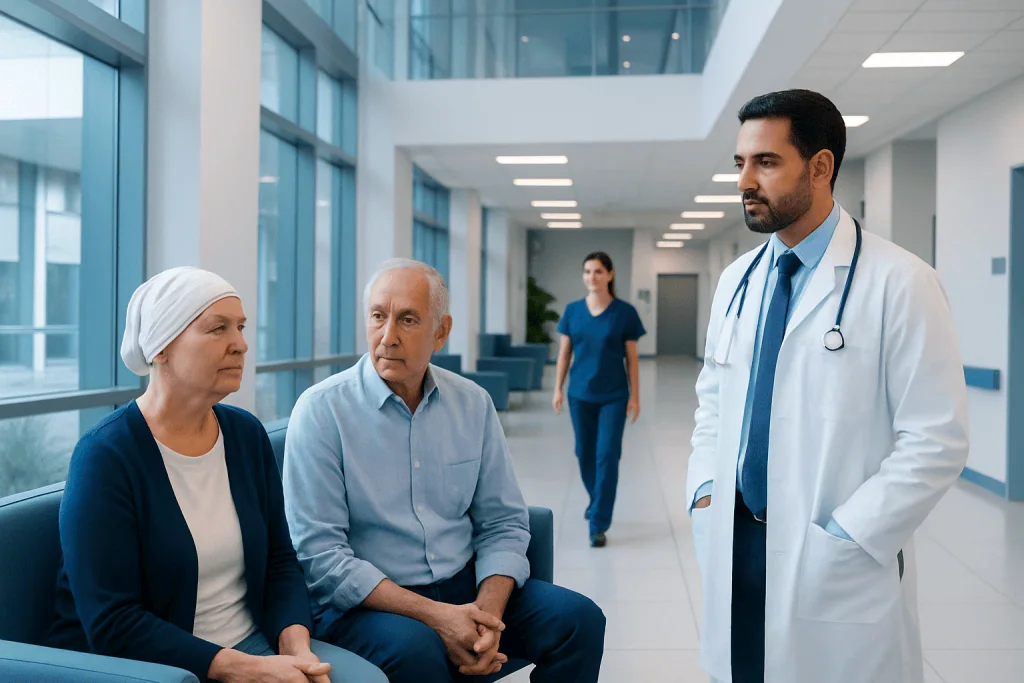
Second opinion for cancer treatment in Turkey starts with your pathology, scans, and timeline. Bring complete records to speed expert review in Istanbul.
If you are seeking a second opinion for cancer treatment in Turkey, the most helpful step is to prepare a complete, organized medical file before you travel or request a remote review. When your pathology, imaging, treatment history, and questions are ready, specialist teams can assess your case more efficiently and explain your next options clearly.
At a glance
- Best for: Patients who want an expert review of a current cancer diagnosis or treatment plan
- What to gather: Pathology reports, biopsy slides if requested, imaging, treatment summaries, medication list, and passport details
- How reviews happen: Often remotely first, then in person if more tests or consultations are needed
- Who may review your case: Multidisciplinary oncology teams such as medical, surgical, and radiation oncology specialists
- Travel planning: Wait for the hospital's document list and scheduling guidance before booking non-refundable travel
- Language support: International patient services and interpreters can help coordinate communication
Why preparation matters for a cancer second opinion
When you ask for a second opinion, specialists are not starting from zero. They need to understand exactly what has already been found, what has already been done, and what decisions still need to be made. The more complete your records are, the faster the team can focus on the important question: whether your diagnosis is confirmed and whether your treatment plan should stay the same, change, or be sequenced differently.
For international patients, good preparation also reduces travel stress. In many cases, an oncology team in Turkey can begin by reviewing documents remotely and advising whether you should come in person, whether additional pathology review may be useful, or whether repeat imaging is likely to be needed. This helps you avoid unnecessary trips and gives you a clearer idea of timing.
At centers such as Acibadem International, JCI-accredited hospitals and international patient coordinators can help organize the process, especially when records come from different countries or in different formats. That support is practical rather than complicated: making sure your files are readable, translated if needed, and routed to the right specialists.
The records you should collect before requesting a review
Your pathology report is usually the most important document. If you had a biopsy or surgery, collect the final pathology report, any immunohistochemistry results, molecular or genetic test reports if they were done, and the date and place where the tissue was examined. If the hospital requests it, you may also need the original pathology slides or tissue blocks for re-review.
Imaging is equally important. Gather the written reports and the actual image files for CT, MRI, PET-CT, mammography, ultrasound, or other scans, preferably on CD, USB, or secure digital link in DICOM format. A written report alone is helpful, but radiologists often need the original images to compare findings and judge whether a scan needs repeating.
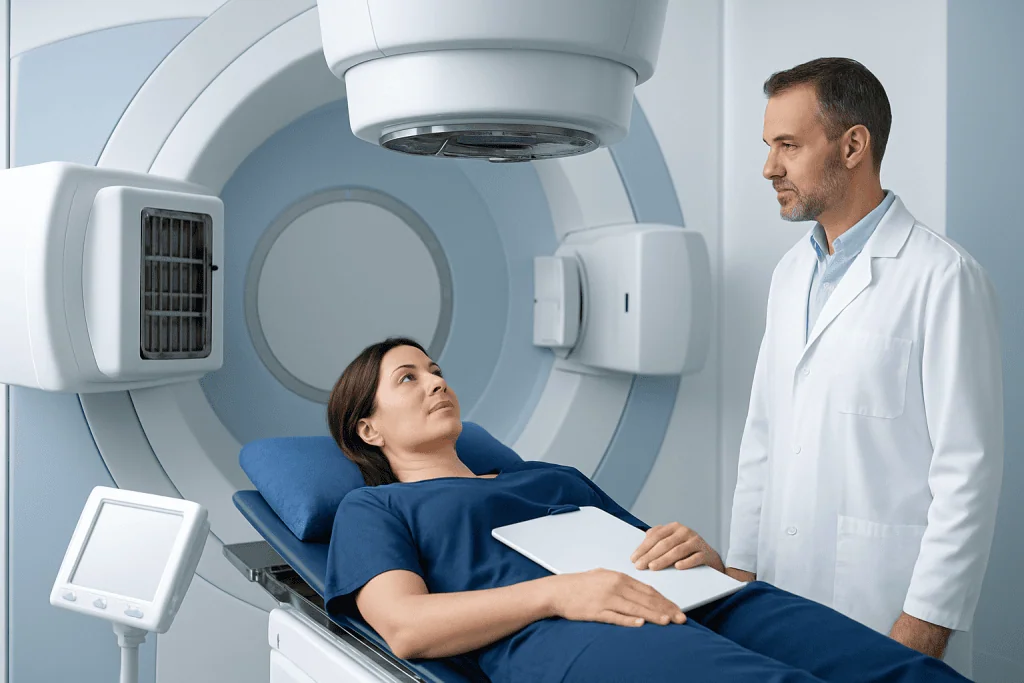
You should also prepare a concise treatment summary. Include previous surgeries, chemotherapy, immunotherapy, targeted therapy, radiation therapy, hospitalizations, and any complications or side effects you experienced. A simple timeline is very useful:
- Date of diagnosis
- Type and stage of cancer, if known
- Tests completed and their dates
- Treatments received and dates
- Current symptoms or recent changes
Finally, add your medication list, allergies, chronic conditions, and contact details for your current oncologist if you are comfortable sharing them. This helps the reviewing team understand the full picture, not only the cancer itself but also any medical issues that may affect treatment planning.
How to organize your file so specialists can review it quickly

Try to place everything in one clearly labeled folder, either digital or printed. Use simple file names such as “Pathology report April 2026,” “PET-CT images March 2026,” or “Chemotherapy summary.” If your records are spread across several hospitals, combine them into one master package. This saves time for both you and the care team.
If documents are not in English or Turkish, ask in advance whether translation is required. Many international services teams can advise what must be translated first and what can be reviewed in the original language. It is usually most important that pathology reports, treatment summaries, and key imaging reports are understandable from the start.
It also helps to prepare a one-page case overview in your own words. Keep it factual: your age, diagnosis, date of diagnosis, current treatment, what you have been told so far, and the reason you want a second opinion. For example, you may want confirmation of the diagnosis, advice on surgery timing, review of a chemotherapy plan, or access to a multidisciplinary discussion.
Questions to ask during your second-opinion consultation
Many patients feel overwhelmed during cancer consultations, especially if they are traveling abroad. Writing down your questions in advance makes the conversation more productive. Focus on the decisions that matter most right now rather than trying to ask everything at once.
Useful questions often include whether the diagnosis and stage appear correct, whether more tests are needed before treatment starts or changes, what the main treatment options are, and what order of treatment is recommended. You can also ask whether your case should be reviewed by a tumor board or multidisciplinary team, which is common in comprehensive oncology care.
Practical questions are just as important as medical ones. Ask how long document review usually takes, whether pathology or imaging might need repeat review in Turkey, how soon treatment could begin if you proceed, and what follow-up would look like if you return home after care. At Acibadem International, international patient teams can often help you prepare these questions and coordinate interpreter support so nothing important is missed.
Planning travel and logistics without adding pressure
It is usually wise to wait until your records have been screened and the hospital has advised you on next steps before booking fixed travel. Some patients can begin with a remote second opinion. Others are asked to come in person because additional examination, imaging, or pathology review may be needed. Getting that guidance first can save you time and reduce last-minute changes.
When you are ready to travel, check the basics early: passport validity, visa requirements if applicable, flight flexibility, and where you will stay if appointments extend over several days. Cancer care can involve more than one consultation, so it is sensible to allow a little extra time instead of planning a very tight schedule.
Hospitals serving international patients in Istanbul and elsewhere in Turkey may provide practical support with appointment coordination, interpreters, airport transfer guidance, and accommodation suggestions. Acibadem International commonly assists with these logistics, which can be especially helpful if you are traveling while unwell or with a family member who is helping you manage paperwork.
What to expect after the review
A second opinion does not always mean your plan will change dramatically. Sometimes the outcome is reassurance that your current diagnosis and treatment path are appropriate. That can still be very valuable, especially if you were feeling uncertain or rushed. In other cases, the team may recommend a different sequencing of treatment, further pathology analysis, repeat imaging, or referral to another specialist.
Ask for a written summary of the opinion if possible. This helps you discuss the findings with your local doctor and keeps everyone aligned if you continue treatment at home. If you decide to proceed in Turkey, make sure you understand the immediate next steps, any pre-treatment testing, and what documents still need to be submitted.
If your care will be shared between countries, clear communication matters. International patient services can help you obtain reports, appointment summaries, and practical instructions for follow-up. That continuity is often one of the most reassuring parts of receiving care abroad: knowing how information will move with you, not stop when you leave the hospital.
Step by step
- Collect your core medical records. Start with pathology reports, biopsy details, and all major scan reports and image files. Add treatment summaries, medication lists, allergy information, and any previous discharge notes so the reviewing team sees the full sequence of events.
- Create a simple medical timeline. Write your diagnosis date, tests, treatments, and major changes in symptoms in chronological order. A one-page timeline helps specialists understand your case quickly, especially when records come from more than one hospital.
- Contact the international patient team first. Before traveling, ask what documents are required for a second-opinion review and whether digital submission is possible. Teams such as Acibadem International's coordinators can explain formatting, translation needs, and whether pathology slides or original imaging may be requested.
- Prepare your questions and goals. Decide what you want from the second opinion: confirmation, alternative options, treatment timing, or multidisciplinary review. Writing down a short list of priorities helps you use consultation time well and makes the discussion less stressful.
- Wait for case screening before final travel booking. Once your records are reviewed, you will have a better idea whether an in-person visit is necessary and how long you may need to stay. This can help you avoid unnecessary travel or rushed scheduling.
- Bring both digital and printed copies. Even if you uploaded your records in advance, carry them with you on a USB drive or secure link plus printed key reports. If there is a technical problem or an urgent review, you will still have immediate access to essential information.
- Confirm follow-up and report sharing. Before you leave, ask how you will receive the written opinion, test results, and next-step recommendations. If you will continue treatment at home, check how these documents can be shared with your local oncologist.
Your checklist
- Passport and travel documents
- Pathology report and biopsy details
- Original pathology slides or tissue block if specifically requested
- All imaging reports and image files in DICOM format if available
- Treatment history with dates for surgery, chemotherapy, radiotherapy, or other therapies
- Current medication list, supplements, and allergies
- Recent blood test results and discharge summaries, if relevant
- One-page medical timeline and list of questions
- Insurance or payment documents if applicable
Key takeaways
- A complete pathology and imaging file is the most important preparation for a cancer second opinion.
- A short medical timeline helps specialists review your case faster and more accurately.
- Do not book tightly planned travel until the hospital confirms what kind of review you need.
- Written questions make your consultation more focused and less overwhelming.
- International patient services can help with interpreters, document coordination, and practical travel logistics.
Frequently asked questions
Do I need to travel to Turkey for a cancer second opinion?
Not always. Many cases can start with a remote document review, especially if your pathology reports, scans, and treatment history are complete. After that initial assessment, the team may tell you whether an in-person consultation, repeat imaging, or pathology re-review is necessary.
What is the single most important document to bring?
Usually it is your final pathology report, because it confirms what tissue was examined and what diagnosis was made. However, original imaging files and a treatment summary are also essential, since cancer decisions depend on the full picture rather than one report alone.
Should I bring my biopsy slides or tissue block?
Bring them only if the hospital specifically requests them or if you are told that pathology re-review may be helpful. These materials can be important in complex cases, but they require careful handling and transport, so it is best to confirm the need in advance.
Will a second opinion delay my treatment?
It may add a short review period, but good preparation often keeps that delay minimal. In some situations, a second opinion actually prevents avoidable delays by clarifying the diagnosis, confirming staging, or identifying missing tests before treatment begins.
What if my records are in another language?
Ask the international patient team which documents should be translated first. Usually key items such as pathology reports, treatment summaries, and major imaging reports are the priority, while the hospital can advise whether other records can be reviewed later or in original form.
Can I come with a family member or companion?
Yes, and many patients find it very helpful. A companion can assist with paperwork, remember details from consultations, and support you emotionally, especially if you are hearing complex information about treatment choices.
How can Acibadem International help during the process?
Acibadem International can help coordinate record collection guidance, specialist scheduling, interpreter support, and practical travel arrangements for international patients. In JCI-accredited hospital settings, this kind of coordination can make the process easier to navigate when you are dealing with both medical and travel decisions.
Add us as a Preferred Source to see more of our trusted health content across Google Search, AI Overviews and Discover.
More Patient Guides
Hospital vs Outpatient Treatment in Turkey: What Changes for International Patients
Hospital vs outpatient treatment in Turkey changes your stay, paperwork, support and recovery plan. Here is what international patients should expect.
9 min read
When Intensive Care May Be Needed After Surgery in Turkey
Intensive care after surgery in Turkey may be planned or precautionary. Learn what to expect in Istanbul, how families are updated, and…
9 min read
What to Bring for a Day Procedure in Turkey
What to bring for a day procedure in Turkey: pack your ID, medical documents, medications, comfortable clothes and a simple discharge plan.
8 min read