

How to Plan Meals After Surgery During Your Stay in Turkey
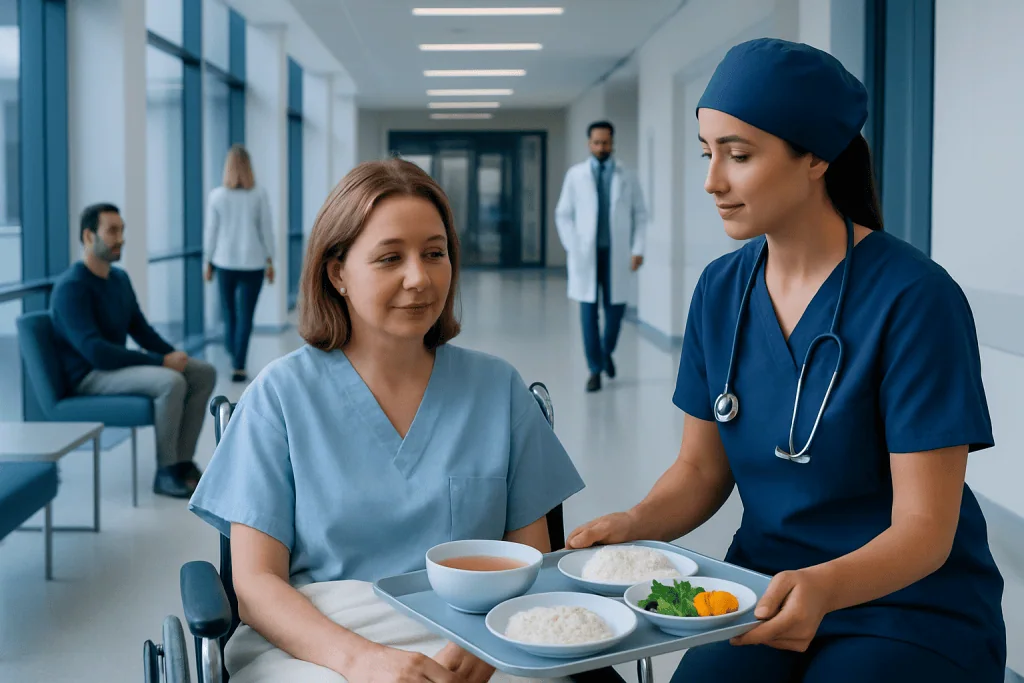
Meals after surgery in Turkey should be simple, safe, and easy to digest. Plan around your procedure, dietary needs, and your stay in Istanbul.
Planning your meals after surgery in Turkey can make your recovery days calmer and more comfortable. With a little preparation, you can choose food that suits your procedure, your appetite, and your travel routine while you stay in hospital or recover nearby.
At a glance
- Best for: Patients recovering in hospital, hotel, or serviced apartment during their stay in Turkey
- Main goal: Keep meals simple, safe, easy to tolerate, and aligned with your care team's advice
- Most important step: Ask your surgeon or nurse what you can eat and drink before making meal plans
- What to prepare: Dietary notes, allergies, preferred soft foods, hydration options, and backup snacks
- Extra support: International patient services can help communicate dietary needs and practical arrangements
Start with your medical instructions, not your appetite
After surgery, the right meal plan depends on the type of procedure you had, how you feel, and what your care team recommends. Some patients can return to regular food quite quickly, while others need a phased approach that starts with clear fluids, then soft foods, and only later moves to fuller meals. Your surgeon, nurse, or dietitian is always the best source for guidance.
It is normal if your appetite is low at first. Anesthesia, pain medication, nausea, bloating, constipation, and fatigue can all affect how much you want to eat. Rather than aiming for large meals, it is usually more practical to think in terms of small portions, gentle textures, and regular fluids.
If you are receiving care through Acibadem International, ask the international patient team to help confirm your meal instructions in plain language. This can be especially useful if you are tired, traveling with a companion who is helping coordinate your stay, or managing several restrictions at once.
What kinds of foods are usually easiest after surgery
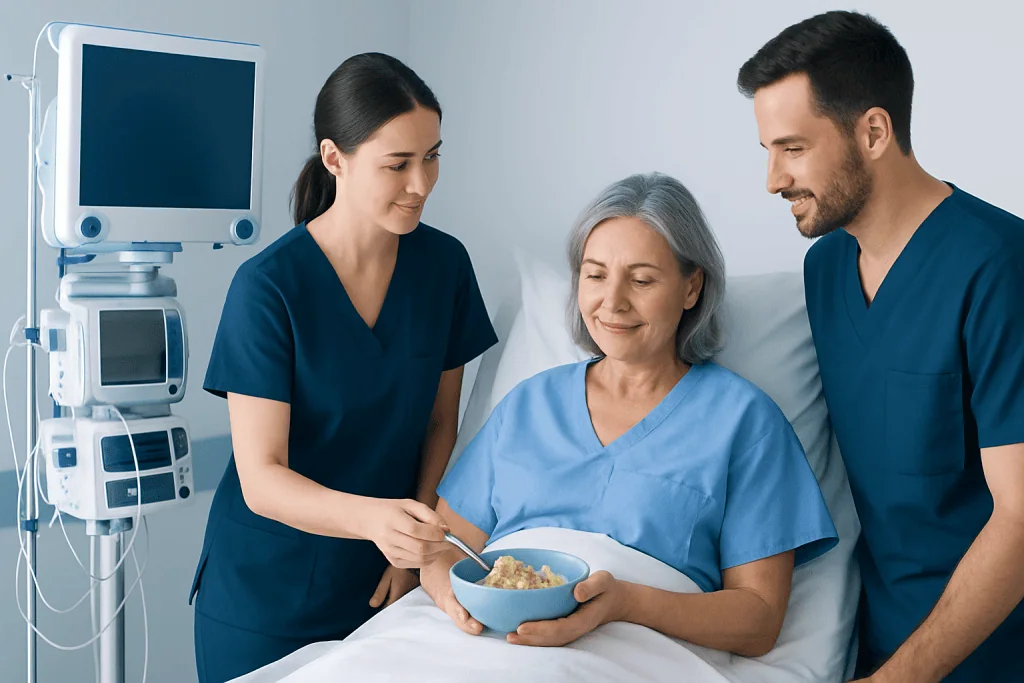
In the early recovery period, many patients do best with foods that are mild, soft, and easy to digest. Common examples include soups, yogurt, mashed vegetables, oatmeal, rice, bananas, toast, eggs, soft pasta, and simple lean proteins if these are allowed for you. The exact choice matters less than tolerance, hydration, and following your procedure-specific advice.
Try to avoid making your first recovery meals too rich, spicy, greasy, or very large. Even if you normally enjoy heavy meals, your stomach and energy level may not welcome them immediately after surgery. If you feel nauseated, dry foods, lukewarm meals, and slow sips of water may be easier than strong-smelling or oily dishes.
If you have special dietary needs such as vegetarian, vegan, gluten-free, low-salt, diabetic-friendly, or allergy-aware meals, mention them before admission and again when you arrive. At JCI-accredited Acibadem hospitals, hospital teams and international patient services can help make sure dietary information is clearly communicated during your stay.
- Choose soft, familiar foods first
- Eat small meals more often instead of forcing large portions
- Prioritize fluids if your appetite is poor
- Reintroduce heavier foods only when your care team says it is appropriate
Planning meals if you are staying in hospital, a hotel, or an apartment

Your meal planning will look different depending on where you are recovering. In hospital, your meals may be coordinated around your treatment schedule, medication times, and medical instructions. This is often the simplest setup, but you should still tell staff if you are struggling with taste, texture, nausea, or timing.
If you move to a hotel or serviced apartment after discharge, think practically. You may not feel well enough to search for restaurants, read unfamiliar menus, or wait a long time for delivery. It helps to stay somewhere with easy access to simple food, bottled water, a refrigerator, and a kettle or kitchenette if allowed.
When choosing accommodation, ask in advance whether breakfast can be adjusted, whether room service offers mild options, and whether outside food delivery is easy. Acibadem International often supports patients with travel and accommodation coordination, which can make these details much easier to sort out before your procedure.
Hydration, digestion, and common recovery issues
Food is only one part of recovery nutrition. Drinking enough fluids can be just as important, especially if you have had fasting before surgery, feel weak, or are taking medicines that can dry you out. Water is the main choice for most people, but your team may also suggest other tolerated fluids depending on your condition.
Constipation is a common issue after surgery, especially when pain medicines reduce bowel activity. If your doctor says it is safe for you, fluids, gentle movement, and a gradual return to fiber-containing foods may help. Do not assume that every healthy food is appropriate immediately after surgery, though; some high-fiber or gas-forming foods may feel uncomfortable too early in recovery.
Nausea, bloating, reflux, and changes in taste can also happen. If you vomit, cannot keep fluids down, feel increasingly swollen, or have severe abdominal discomfort, do not try to manage it only with food choices. Contact your care team promptly so they can advise you safely.
How to shop, order, and communicate your food needs in Turkey
You do not need a complicated food strategy, but you do need a realistic one. Before your procedure, make a short list of foods and drinks you usually tolerate when unwell. Include allergies, religious dietary needs, dislikes, and any foods you rely on for comfort. Save this in your phone so you or your companion can show it easily.
If you are ordering meals outside the hospital, keep requests simple and specific. Ask for plain grilled items, soup without strong seasoning, rice, bread, yogurt, fruit, or cooked vegetables if these are suitable for you. If language is a concern, ask your international patient coordinator or interpreter to help you explain restrictions clearly.
At Acibadem International, interpreters and patient services can help bridge practical communication gaps during your stay. That support can be especially helpful if you need to explain allergies, texture limitations, diabetes-related meal timing, or instructions from your surgeon after discharge.
- Keep written notes of allergies and restrictions
- Ask for plain, mild preparation
- Check whether food contains nuts, dairy, gluten, or strong spices if relevant to you
- Order smaller portions until you know what you can tolerate
When to ask for help and what not to force
It is easy to worry that you should be eating more than you are. In reality, the first goal is usually tolerance, not perfection. If you can manage small amounts of suitable food and enough approved fluids, that may be a very reasonable start. Recovery eating is often gradual rather than immediate.
Do not force foods that increase nausea, pain, bloating, or anxiety just because they seem healthy. Equally, do not rely only on internet lists of “best post-surgery foods” without checking whether they fit your operation and medicines. Your situation may differ from another patient’s, especially after gastrointestinal, dental, bariatric, orthopedic, or cosmetic procedures.
Ask for help early if you are unsure what to eat, cannot manage the food available to you, or have a medical condition such as diabetes, kidney disease, food allergies, or swallowing difficulty. Multidisciplinary teams at Acibadem hospitals can coordinate advice when nutrition needs intersect with your surgical recovery and overall treatment plan.
Step by step
- Ask for diet instructions before your procedure. Before surgery, ask what you will be allowed to eat and drink afterward and how quickly your diet is expected to progress. If possible, get the guidance written down so you and your companion can refer to it easily during your stay.
- List your dietary needs and preferences. Make a short note of allergies, medical diets, religious requirements, intolerances, and foods you usually tolerate when recovering. Share this with the hospital team and, if needed, with your accommodation or meal delivery contact.
- Choose accommodation with practical food access. If you will recover outside the hospital, pick a hotel or apartment where obtaining simple meals is easy. A refrigerator, kettle, nearby pharmacy, and access to mild room-service or delivery options can make recovery much smoother.
- Plan a first-day food and drink backup. Do not assume you will feel like shopping right after discharge. Arrange a few suitable basics in advance, such as water, plain crackers, yogurt, soup, or other items your team says are acceptable.
- Eat small amounts and build gradually. Start with the foods and textures your care team recommends, and take your time. Smaller, more frequent meals are often easier than trying to finish a full plate when you are tired or nauseated.
- Monitor symptoms, not just appetite. Notice how you feel after eating: nausea, bloating, reflux, constipation, pain, or difficulty swallowing all matter. If symptoms are persistent or worsening, contact your clinical team rather than trying to solve everything through trial and error.
- Use your support team for communication. If you are unsure how to explain meal restrictions in Turkey, ask your international patient coordinator or interpreter for help. Clear communication can prevent unsuitable orders and reduce stress for both you and your companion.
Your checklist
- Written post-surgery eating and drinking instructions from your care team
- List of allergies, intolerances, and special diet requirements
- A few approved soft or bland food options for your first recovery day
- Bottled water or other permitted hydration choices
- Accommodation with refrigerator or easy access to simple meals
- Translation help or a written note for dietary restrictions
- Companion briefed on what you can and cannot eat
- Phone numbers for your hospital team and international patient services
Key takeaways
- Your procedure and your surgeon's instructions should guide every meal decision after surgery.
- Small, mild, easy-to-digest foods are often more practical than full meals in the first recovery period.
- Hydration matters as much as food, especially if nausea, constipation, or low appetite are affecting you.
- Plan ahead if you will recover in a hotel or apartment, so simple food is available without extra stress.
- Use international patient services, interpreters, and your companion to communicate dietary needs clearly in Turkey.
Frequently asked questions
What should I eat first after surgery in Turkey?
The first foods after surgery depend on your procedure and your doctor's instructions. Many patients begin with fluids or soft, mild foods, but you should always follow the plan given by your surgeon or nurse rather than choosing on your own.
Can I eat normal Turkish food during recovery?
You may be able to, but not always right away. During early recovery, simpler and less heavily seasoned meals are often easier to tolerate, so it is usually better to choose plain options first and return to richer foods gradually if your care team agrees.
How can I manage food if I have allergies or a special diet?
Tell the hospital and your international patient coordinator about allergies, intolerances, and dietary rules before you arrive and again at admission. Keeping a written note on your phone can also help when ordering food outside the hospital or checking ingredients.
Is it better to stay in hospital longer if I am worried about meals?
That depends on your medical plan, not only on food concerns. If meal access or dietary restrictions are a worry, discuss them before discharge so your team can help you prepare your accommodation, food options, and any support you may need.
What if I feel too nauseated to eat?
A low appetite can be common after surgery, especially in the first phase of recovery. Focus on approved fluids and small amounts of suitable food, and tell your care team if nausea is stopping you from eating or drinking enough so they can advise you safely.
Should I bring snacks from home?
You can bring a few suitable, travel-safe items if they fit your medical instructions and local travel rules. Keep them simple and only use them if your care team says they are appropriate for your recovery stage.
Who can help me arrange suitable meals during my stay in Istanbul?
Your hospital team should be your first contact for what is medically suitable. For practical help with communication, accommodation, or explaining dietary needs, Acibadem International's patient services and interpreters can be very useful during your stay.
Add us as a Preferred Source to see more of our trusted health content across Google Search, AI Overviews and Discover.
More Patient Guides
How to Prepare for Your First Night in Hospital in Turkey
First night in hospital in Turkey: pack light, bring key documents, confirm your companion plan, and know what to expect on arrival…
8 min read
Staying Connected During Treatment in Turkey: SIM Cards, Wi-Fi, and Useful Apps
Staying connected during treatment in Turkey is easiest with airport Wi-Fi, an eSIM or local SIM, and a few essential apps for…
8 min read
Meals in Turkish Hospitals: What International Patients Can Expect
Meals in Turkish hospitals are planned for your medical needs, with dietary options, timing guidance, and practical help for international patients in…
8 min read