Recovery After Stroke: Timeline, Rehabilitation, and Realistic Expectations
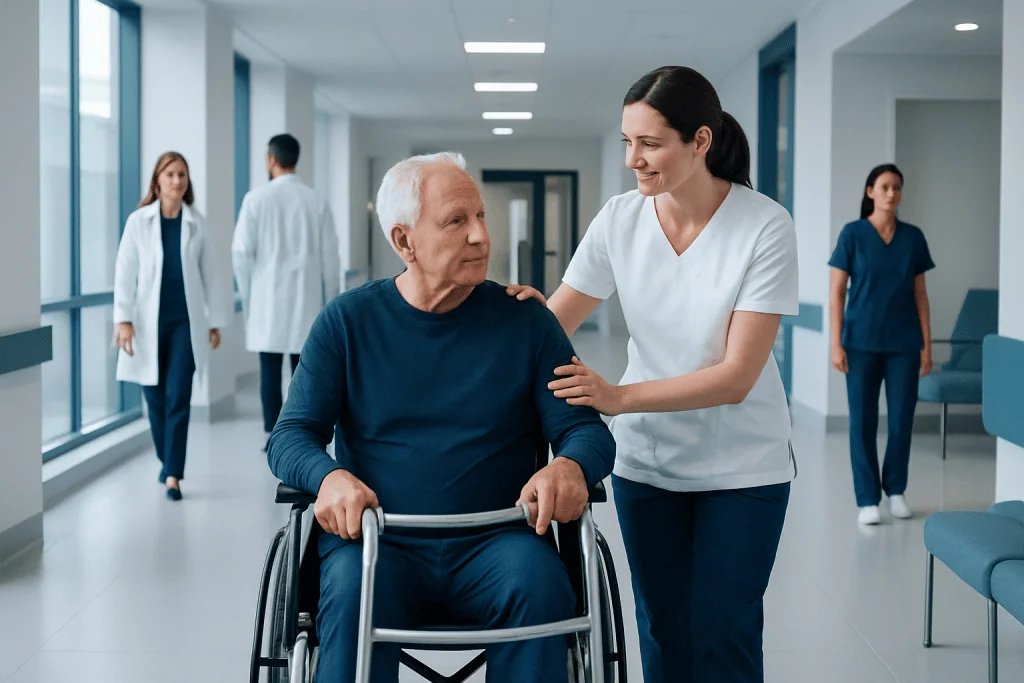
Stroke recovery often begins in the first days and continues for months or longer. Rehabilitation may include physical, occupational, and speech therapy based on individual needs.
Key Takeaways
- Stroke recovery often begins in the first days and continues for months or longer.
- Rehabilitation may include physical, occupational, and speech therapy based on individual needs.
- Improvement can continue over time, but the pace and extent of recovery vary from person to person.
- Early treatment, prevention of another stroke, and management of medical conditions are important parts of recovery.
- Emotional health, family support, and home adaptations can make daily life safer and more manageable.
Recovery after stroke is different for every person, but many people improve with time, rehabilitation, and consistent support. Understanding the typical timeline, therapy options, and realistic expectations can help patients and families plan the next steps with confidence.
Overview of Recovery After Stroke
Recovery after stroke refers to the process of healing and regaining function after the brain has been injured by an interruption in blood flow or bleeding. A stroke can affect movement, balance, speech, swallowing, memory, mood, and the ability to manage daily tasks. Some people recover quickly, while others need longer-term support and rehabilitation.
The recovery journey usually starts in the hospital, where the first priorities are stabilizing the person, identifying the type of stroke, and preventing complications. After this early phase, rehabilitation becomes a central part of care. The goal is not only to improve physical abilities, but also to help the person return to the highest possible level of independence and quality of life.
It is important to understand that recovery does not follow a single fixed pattern. The outcome depends on factors such as the area of the brain affected, the severity of the stroke, age, general health, and how quickly treatment began. People recovering from stroke often benefit from a personalized plan that changes over time as new needs and goals appear.
Stroke Recovery Timeline: What to Expect
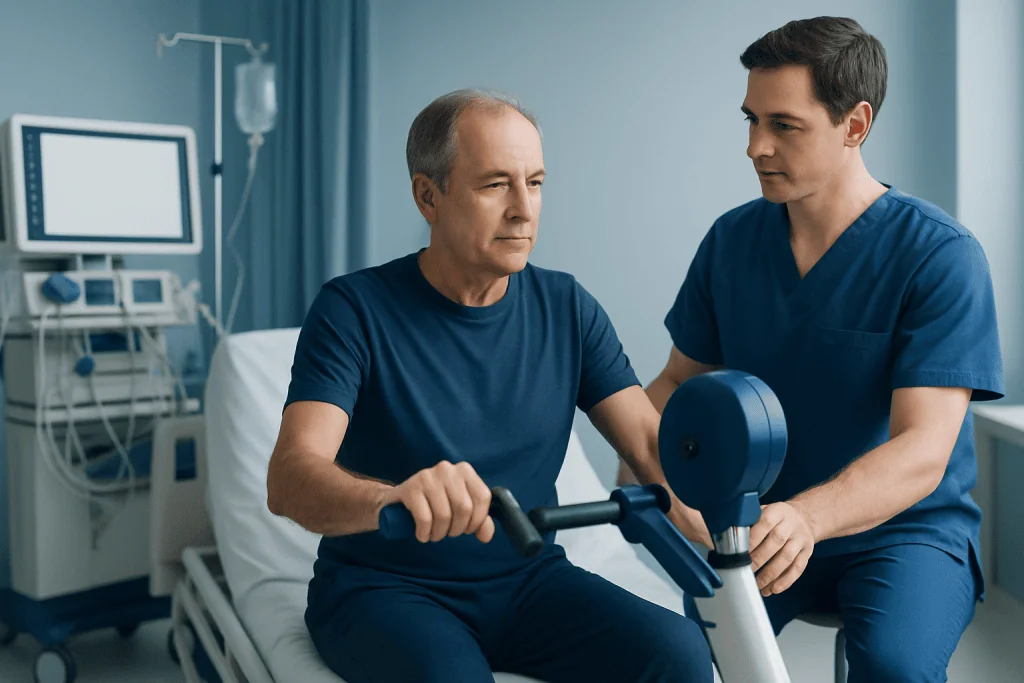
The first few days and weeks after a stroke are often the most active period of recovery. During this time, swelling in the brain may decrease, blood flow may improve, and the body begins adapting to injury. Doctors and therapists watch closely for changes in strength, speech, alertness, and the ability to swallow, sit, stand, or walk safely.
In the first one to three months, many people make significant gains with rehabilitation. This is a period when the brain shows strong ability to reorganize and form new pathways, a process often called neuroplasticity. Improvement may be noticeable in walking, arm use, communication, and daily activities such as dressing or eating, especially with regular practice and therapy.
Recovery can continue beyond six months and even for years, although progress may become slower and less dramatic. Ongoing therapy, home exercises, assistive devices, and changes in routines can still make a meaningful difference. Realistic expectations are important: some people return to most previous activities, while others continue to live with lasting symptoms and need long-term support.
A practical way to think about the timeline is that early recovery is often faster, while later recovery may come in smaller steps. Even when recovery is incomplete, meaningful improvement in comfort, confidence, communication, and independence is still possible.
Common Effects and Challenges During Recovery
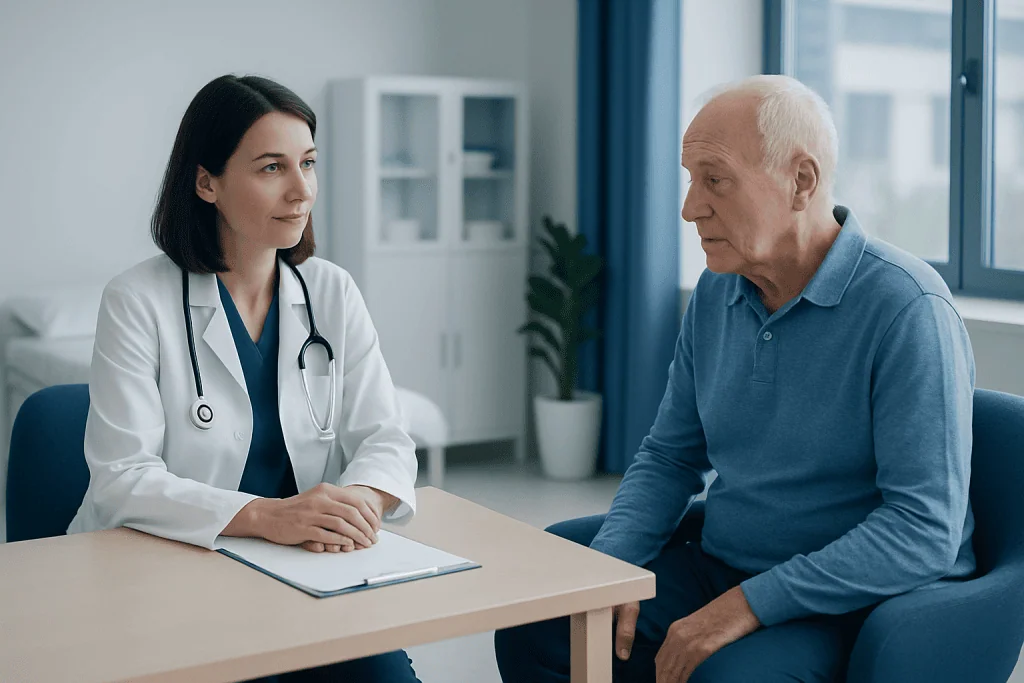
The effects of stroke depend on which part of the brain was injured. Weakness or paralysis on one side of the body is common, and some people also have numbness, poor coordination, or difficulty with balance. These changes can affect walking, hand use, transferring from bed to chair, and personal care tasks such as bathing and dressing.
Communication difficulties may also occur. A person may have trouble understanding language, finding the right words, speaking clearly, or reading and writing. Problems with swallowing can increase the risk of choking or aspiration, which is why swallowing assessments are often done early in recovery.
Stroke can also affect thinking and emotions. Some people notice memory problems, slowed processing, reduced attention, or difficulty planning and organizing tasks. Others experience depression, anxiety, irritability, emotional lability, or fatigue. These symptoms are common medical effects of stroke and should be discussed openly with the care team.
- Movement problems such as weakness, stiffness, spasticity, or balance loss
- Speech and language changes, including aphasia or slurred speech
- Swallowing difficulty and nutritional challenges
- Changes in mood, sleep, memory, and concentration
- Reduced independence in work, driving, or household activities
What Influences Recovery After Stroke
Several factors affect how much recovery is possible and how quickly it may happen. In general, better outcomes are more likely when treatment begins quickly, the stroke is smaller, and complications are limited. Early rehabilitation and active participation in therapy can also support improvement.
Age alone does not determine outcome, but overall health matters. Conditions such as high blood pressure, diabetes, heart disease, irregular heartbeat, and smoking can affect healing and raise the risk of another stroke. Managing these conditions is an important part of both recovery and prevention.
Family and social support also play a major role. People often do better when they have help attending therapy, taking medicines correctly, practicing exercises safely, and adapting the home environment. Motivation matters too, but recovery should not be judged as effort alone; fatigue, cognitive changes, and depression can make progress feel uneven even when the person is trying hard.
The type of stroke is another key factor. Recovery needs may differ after an ischemic event compared with a bleed in the brain, such as hemorrhagic stroke. Doctors use imaging, examinations, and follow-up assessments to guide expectations and treatment planning over time.
Rehabilitation and Treatment Options
Stroke rehabilitation is usually tailored to the person’s symptoms and goals. Physical therapy focuses on strength, balance, walking, posture, and safe transfers. Occupational therapy helps with hand function and daily activities, including dressing, bathing, eating, and using adaptive tools. Speech and language therapy supports communication, cognition, and swallowing when needed.
Rehabilitation can take place in different settings, including the hospital, an inpatient rehabilitation center, an outpatient clinic, or at home. The most suitable setting depends on the severity of disability, medical stability, support at home, and access to services. In some cases, doctors may recommend a structured stroke rehabilitation program to coordinate therapies and monitor progress.
Medical treatment remains important during recovery. This may include medicines to reduce the risk of another stroke, treatment of spasticity or pain, nutritional support, and management of blood pressure, cholesterol, diabetes, or heart rhythm problems. Some patients may also need follow-up with specialists in neurology or other disciplines depending on the cause of the stroke and the symptoms that remain.
For international patients who need ongoing assessment and recovery planning, Acibadem International offers multidisciplinary care in JCI-accredited hospitals, where specialists diagnose and treat stroke-related needs with rehabilitation and follow-up support.
Prevention, Self-Care, and Daily Living
Preventing another stroke is one of the most important goals after the initial event. This usually includes taking prescribed medicines consistently, attending follow-up appointments, and controlling risk factors such as high blood pressure, high cholesterol, diabetes, smoking, obesity, and inactivity. Doctors may also look for causes such as carotid artery disease or atrial fibrillation and treat them appropriately.
Healthy routines can support recovery and long-term brain health. A balanced diet, regular physical activity within medical advice, good sleep, and avoiding tobacco are all helpful. If swallowing problems are present, a speech therapist or dietitian may recommend texture changes and safer eating strategies. Some people also need mobility aids, braces, or home modifications to lower the risk of falls.
Self-care includes emotional recovery as well as physical recovery. It can help to set small, realistic goals and celebrate gradual progress. Support groups, counseling, and caregiver education may reduce stress and improve adjustment for both patients and families.
- Take medicines exactly as prescribed
- Attend rehabilitation and follow-up visits
- Monitor blood pressure and other risk factors
- Use assistive devices and home safety changes if advised
- Seek support for mood changes, fatigue, or caregiver strain
When to Seek Medical Help
Urgent medical care is needed if there are signs of another stroke, such as sudden facial drooping, arm weakness, speech difficulty, vision loss, severe dizziness, or confusion. These symptoms should never be ignored, even if they improve quickly. Fast treatment can reduce brain injury and improve outcomes.
Medical advice is also important during routine recovery if new or worsening problems appear. These can include repeated falls, increasing spasticity, trouble swallowing, severe pain, skin breakdown, worsening memory, or signs of depression and anxiety. Caregivers should feel encouraged to raise concerns early, because many complications can be treated or reduced with timely help.
A doctor should also be consulted if progress has stopped and daily activities remain difficult, as the rehabilitation plan may need adjustment. Additional assessments, therapy changes, or review by specialists in interventional neuroradiology or related services may sometimes be needed depending on the underlying cause and the patient’s overall condition.
Frequently asked questions
How long does recovery after stroke usually take?
Recovery after stroke varies widely from person to person. Some improvements appear in the first days or weeks, while other gains continue over months or longer. The fastest progress often happens early, but meaningful improvement can still occur later with ongoing rehabilitation and support.
Can a person fully recover after a stroke?
Some people recover most or nearly all of their previous function, while others continue to have lasting symptoms. The outcome depends on the type, location, and severity of the stroke, along with age, general health, and access to rehabilitation. Even when full recovery is not possible, many people can still improve independence and quality of life.
What kind of rehabilitation is needed after stroke?
Rehabilitation depends on the person's needs and may include physical therapy, occupational therapy, and speech and language therapy. Some people also need support for swallowing, memory, mood, or daily living skills. The care plan is usually tailored and may change over time as recovery progresses.
Is it normal to feel tired or emotional after a stroke?
Yes, fatigue and emotional changes are common after stroke. A person may feel more tired than usual, have trouble concentrating, or experience anxiety, sadness, frustration, or sudden emotional shifts. These symptoms are important to discuss with a doctor because treatment and support are available.
What helps improve stroke recovery at home?
Following the rehabilitation plan, doing prescribed exercises safely, taking medicines regularly, and managing risk factors can all help. A safe home setup, family support, healthy meals, and regular follow-up are also important. Small, consistent steps are often more helpful than trying to do too much too quickly.
When should someone call emergency services during stroke recovery?
Emergency help is needed for sudden signs of another stroke, such as facial drooping, weakness on one side, trouble speaking, sudden confusion, vision changes, or severe dizziness. These symptoms need urgent medical assessment even if they go away quickly. Acting fast can be critical.
References
- World Stroke Organization
- American Stroke Association
- National Institute of Neurological Disorders and Stroke
- Centers for Disease Control and Prevention
- National Health Service
This article is for general information only and is not a substitute for professional medical advice. Please consult a qualified doctor about your individual situation.
Explore treatments in Turkey — costs, top hospitals & a free quote
JCI-accredited · board-certified surgeons · reply within 24h
Add us as a Preferred Source to see more of our trusted health content across Google Search, AI Overviews and Discover.
Check your numbers in seconds
BMI, calories, due date, blood pressure and 30+ more clinical calculators — free, instant, doctor-reviewed ranges.

More from the Health Library



Related Specialists
Dr. Resül Altınayak
Clinical Laboratory
Dr. Yasemin Kural
Dermatology
Fzt. Tuğçe Kahraman
Physical Medicine & Rehabilitation
Dr. Emin Ayan
Radiology