

Braces or Dental Implants in Turkey: Which Option May Suit Your Needs and Timeline?

Braces or dental implants in Turkey each solve different needs: braces move teeth over time, implants replace missing teeth after evaluation.
This guide helps you understand whether braces or dental implants may better suit your dental needs, timeline, and travel plans in Turkey. You will find practical information about candidacy, treatment steps, recovery, travel planning, and what to discuss with your dental team.
At a glance
- Procedure type: Orthodontic treatment or tooth replacement treatment
- Purpose: Braces straighten teeth and improve bite; dental implants replace missing teeth
- Anesthesia: Usually none for braces placement; local anesthesia commonly used for implant surgery
- Hospital stay: Typically outpatient; hospital admission is not usually required
- Estimated recovery: Braces: mild adjustment discomfort for days after visits; implants: initial healing in days, deeper healing over months
- Return to daily life: Usually same day or within 1-2 days depending on the procedure performed
- Final result timeline: Braces: often months to years; implants: restoration timeline varies depending on healing and bone condition
- Suitable department: Dentistry, Orthodontics, Oral and Maxillofacial Surgery, Prosthodontics
- International patient support: Interpreter assistance, transfer coordination, accommodation guidance, and remote follow-up planning
What is this treatment?
If you are deciding between braces and dental implants, the most important point is that they are designed for different needs. Braces are an orthodontic treatment used to move your natural teeth into better positions over time. Dental implants are artificial tooth roots placed into the jawbone to support a replacement tooth when one or more teeth are missing.
You may sometimes hear these options discussed together because both can improve your smile, comfort, and oral function. However, they are not direct alternatives in the strict sense. If your main concern is crowding, spacing, or bite alignment, braces may be appropriate. If your main concern is replacing a missing tooth, an implant may be considered.
In some situations, you may need both. For example, teeth may first be aligned with orthodontic treatment to create the right space and bite, and only then can an implant be placed safely and accurately. A detailed dental examination, imaging, and treatment planning are needed to decide the right sequence for you.
When is it recommended?
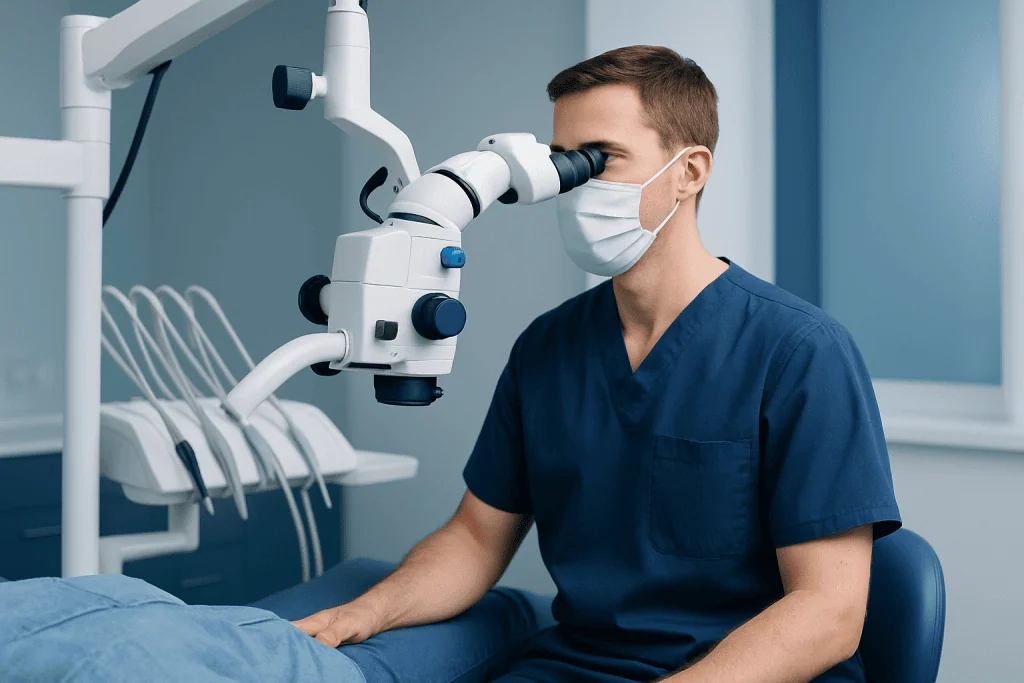
Braces are commonly recommended when your teeth are crooked, crowded, spaced apart, or when your upper and lower teeth do not meet properly. Orthodontic treatment may also help if tooth position is affecting cleaning, chewing, speech, or long-term dental stability. In adults, treatment planning is especially important because gum health, restorations, and missing teeth can affect the approach.
Dental implants are commonly recommended when you have one or more missing teeth and your dentist believes the area can support an implant. Implants may be considered to restore chewing, preserve nearby teeth, support facial structure, and avoid removable solutions in suitable cases. Your jawbone volume, gum condition, and overall dental health all matter.
If a tooth is still present but cannot be saved, you may be evaluated for extraction followed by implant planning. If your teeth are misaligned and you also have a gap from a missing tooth, a combined plan may be recommended. The right recommendation depends on whether your priority is moving teeth, replacing teeth, or both.
Who is a good candidate?

You may be a good candidate for braces if you have healthy teeth and gums, realistic expectations, and are willing to follow a treatment plan that usually requires regular check-ups over time. Adults can often have orthodontic treatment successfully, but active gum disease, untreated decay, or significant oral hygiene problems usually need attention first.
You may be a good candidate for dental implants if you are missing a tooth or teeth, have adequate bone and gum support, and are medically suitable for minor oral surgery. If your bone is limited, this does not automatically rule you out, but it may change the treatment plan. Additional procedures may sometimes be considered, depending on your examination findings.
Good candidates for either option are able to commit to aftercare. With braces, this means maintaining excellent oral hygiene and attending adjustments or monitoring. With implants, this means following healing instructions, keeping the area clean, and returning for planned review visits. Smoking, uncontrolled medical conditions, or untreated dental infection may affect timing, healing, or suitability and should be discussed openly with your care team.
Treatment options
For braces, treatment options may include traditional metal braces, ceramic braces, and in some cases clear aligner-based orthodontic approaches if suitable. The right option depends on your bite problem, tooth movement goals, appearance preferences, and how reliably treatment can be monitored if you live abroad. Some tooth movements are simple, while others require longer and more complex planning.
For dental implants, options may include a single implant for one missing tooth, multiple implants for several missing teeth, or implant-supported restorations in wider edentulous areas. Depending on your clinical condition, treatment may be done in stages. In some patients, temporary restorations may be possible while healing continues, but this always depends on stability, bite forces, and your individual risk profile.
Combined treatment is also possible. Orthodontics may be used before implant placement to open or optimize space, improve root positions, and create a healthier bite relationship. In other cases, implants are planned after the final tooth positions are reached because implants do not move like natural teeth. A multidisciplinary review by orthodontists, implant dentists, and oral surgery specialists can be especially helpful in complex cases.
- Braces: focus on alignment and bite correction
- Implants: focus on replacing missing teeth
- Combined care: often used when alignment and tooth loss both need attention
Online evaluation before travel
If you are traveling from abroad, an online pre-evaluation can help you understand which option may be more realistic before you book your trip. You may be asked to share recent dental X-rays, intraoral photographs, a brief medical history, and details about your main concerns. This initial review can help the team decide whether braces, implants, or a combined approach should be explored in person.
An online review is useful for planning, but it does not replace a full dental examination. Your final treatment plan usually depends on a clinical assessment, updated imaging if needed, gum evaluation, and bite analysis. With implants in particular, bone quality and local anatomy need careful review. With braces, the complexity of movement and long-term follow-up planning are important.
At Acibadem International, international patient teams can help coordinate records, language support, and appointment timing before your arrival. This can make your trip more efficient and help you understand how many visits may be needed. It also helps set realistic expectations about what can and cannot be done safely during one stay in Turkey.
Before the treatment
Before either treatment, your dental team will review your medical history, medications, allergies, previous dental work, and any symptoms such as pain, swelling, grinding, or gum bleeding. A detailed oral examination is important because untreated infection, gum disease, or unstable teeth can affect both braces and implants. You may need cleaning, fillings, or other preparatory dental care first.
If braces are being considered, records may include photographs, digital scans or impressions, and X-rays to study tooth position, root angles, and your bite. If implants are being considered, imaging is especially important to assess the available bone and nearby anatomical structures. If you have old crowns, bridges, or previous implants, these will also be reviewed.
You should also discuss your timeline honestly. Braces usually require planned adjustments over time, so international patients need a realistic follow-up arrangement. Implants may appear faster, but they can also require staged healing and later restoration visits. Choosing the right path means balancing your dental needs, travel schedule, and the safest sequence of care.
What happens during the treatment
If you proceed with braces, the first active visit usually involves cleaning and preparing the teeth, then bonding brackets or fitting the chosen appliance. Wires or aligner attachments may be placed depending on the system used. You may feel pressure rather than sharp pain, and the appointment is typically completed without general anesthesia. Follow-up visits are then arranged for adjustments or monitoring.
If you proceed with dental implants, the surgical visit usually involves local anesthesia, preparation of the implant site, and placement of the implant into the jawbone. In some cases, extraction and implant placement may be discussed in the same area, while in others a staged approach is safer. If appropriate, a temporary tooth solution may be considered, but this depends on stability and treatment goals.
After implant placement, the bone and implant usually need time to heal together before the final restoration is attached. Once healing is sufficient, impressions or digital scans are taken for the crown or prosthetic restoration. The exact sequence varies from person to person, which is why your dentist will explain your expected timeline clearly before treatment begins.
Hospital stay and discharge
Braces treatment is usually completed in an outpatient dental setting, and you can generally leave soon after your appointment. You may be given advice on brushing, dietary adjustments, and how to manage temporary soreness. Because braces require ongoing follow-up, your discharge instructions usually focus more on home care and planning future reviews than on immediate recovery.
Dental implant procedures are also commonly outpatient treatments. After a short observation period, most patients return to their accommodation on the same day unless a more complex surgical plan requires additional monitoring. You will usually receive instructions about oral hygiene, eating, activity, and follow-up timing.
Before you leave, make sure you understand what was done, what symptoms are expected, which medications or mouth-care measures have been recommended, and when your next review should happen. International patients should also confirm travel clearance and ask when it is safe to fly, especially after surgical dental procedures.
Recovery timeline
Recovery looks different for braces and dental implants. Braces usually cause temporary pressure or tenderness after fitting and after adjustment visits, while implants involve a short post-procedure healing phase followed by deeper bone healing over time. Your own timeline depends on the complexity of treatment, your oral health, and how closely you follow aftercare instructions.
The table below gives a general overview. Your dentist may advise a different schedule based on your examination findings, whether additional procedures are needed, and whether your care is being staged across more than one trip.
| Timeframe | What to expect |
|---|---|
| First 24 hours | Braces: mild pressure or rubbing may begin. Implants: numbness wears off, mild swelling or discomfort may occur, and soft foods are usually preferred. |
| First week | Braces: cheeks and lips usually adjust, and tenderness often improves. Implants: early healing progresses, swelling and sensitivity should gradually settle if recovery is uncomplicated. |
| Weeks 2-4 | Braces: you become more accustomed to cleaning and eating with the appliance. Implants: gum healing continues; review visits may be scheduled depending on the treatment stage. |
| Months 1-3 | Braces: visible tooth movement may begin, but treatment is ongoing. Implants: deeper bone integration continues, and the timing of the final tooth restoration depends on healing and stability. |
| Final result | Braces: final alignment and retention require time and regular follow-up. Implants: final crown or prosthetic result is completed after suitable healing and planning; long-term maintenance remains important. |
For international patients, the main recovery consideration is not just physical healing but follow-up logistics. Braces usually need repeated reviews, while implants may require staged visits for surgery, healing assessment, and final restoration. Your team should tailor the plan to your travel schedule whenever it is clinically appropriate and safe to do so.
What to avoid after treatment
After braces placement, it is usually wise to avoid very hard, sticky, or chewy foods that may damage brackets or wires. You should also avoid habits such as chewing ice, biting pens, or opening packages with your teeth. Careful brushing and cleaning around brackets are essential because plaque can build up more easily during orthodontic treatment.
After dental implant surgery, you may be advised to avoid smoking, vigorous rinsing too early, forceful spitting, and heavy chewing on the treated side during the initial healing period. Very hot, hard, or irritating foods may be uncomfortable at first. Good oral hygiene remains essential, but the area should be cleaned exactly as your dental team recommends.
For both treatments, do not ignore persistent discomfort, broken appliances, loose temporary restorations, or signs of infection. If you are returning home soon after treatment, make sure you know how to contact your care team and what kind of local follow-up, if any, may be needed before your next visit to Turkey.
Risks and possible complications
All dental treatments carry some risk, and the risks differ between braces and implants. With braces, possible issues may include temporary soreness, mouth irritation, difficulty cleaning, enamel staining if hygiene is poor, root changes in some cases, and treatment taking longer than expected. Rarely, appliances may break or teeth may not move exactly as initially predicted.
With dental implants, possible risks may include bleeding, swelling, infection, delayed healing, sinus or nerve-area concerns depending on implant location, loosening of components, or failure of the implant to integrate as expected. Bone and gum condition, oral hygiene, smoking, bite forces, and general health can all affect outcomes.
Sometimes the original plan needs to be adjusted after detailed examination or during treatment. In selected cases, additional procedures may be needed before a stable final result can be pursued. This does not always mean something has gone wrong, but it does mean that individualized planning and close communication are important from the beginning.
Warning signs: when to contact a doctor
Some discomfort after dental treatment can be expected, but certain symptoms need prompt advice. If you are unsure whether what you are feeling is normal, it is safer to contact your dental team and ask.
- Increasing swelling instead of gradual improvement
- Fever or feeling unwell after a dental procedure
- Persistent or worsening bleeding
- Severe pain not settling as expected
- Pus, bad taste, or signs of infection around the treatment area
- A loose implant, loose crown, or significant mobility where there should not be movement
- A broken brace, wire injury, or appliance causing significant trauma
- Difficulty swallowing, breathing, or opening the mouth normally
- Numbness that persists or new changes in sensation that concern you
If you are traveling, keep all discharge instructions and emergency contact information with you. Ask before you leave Turkey whom to contact during working hours and outside working hours, and whether remote photo review is available if needed.
Results and expectations
Braces can improve tooth alignment, bite relationships, and smile balance, but treatment takes time and requires regular monitoring. The final result depends on the starting condition of your teeth and jaws, your oral hygiene, your attendance at follow-up, and how your teeth respond to movement. Retainers are usually needed afterward to help maintain the result.
Dental implants can provide a stable replacement for a missing tooth when conditions are suitable, but they do not behave exactly like natural teeth and still require ongoing maintenance. The cosmetic and functional result depends on bone and gum shape, the position of the implant, the surrounding teeth, and the final prosthetic design. Good home care and long-term dental review remain essential.
It is important to have realistic expectations. Some patients need combined or staged care, and some may be better suited to another restorative or orthodontic option after evaluation. Results vary, and in some cases adjustments, replacement of components, or revision treatment may be needed later. A careful consultation is the best way to understand what is realistically achievable for you.
International patient travel planning
If you are coming to Turkey from abroad, timing matters as much as the clinical plan. Braces may not be ideal if you cannot return for regular reviews or arrange reliable follow-up where you live. Implants may be more practical in some international cases, but they also often require staged appointments, so you should confirm the expected number of visits before booking travel.
Try to travel with enough time for your consultation, treatment, and at least one review if your dentist recommends it. Avoid scheduling your return journey too tightly after a surgical procedure. If additional imaging, unexpected preparatory treatment, or healing concerns arise, flexibility can reduce stress and support safer care.
Acibadem International supports overseas patients with practical coordination such as interpreters, transfers, appointment organization, and remote follow-up planning. This can be especially helpful if your care involves more than one specialty, such as orthodontics, oral surgery, and prosthodontics working together on the same plan.
Cost and package information
The cost of braces or dental implants depends on the complexity of your case rather than a single standard fee. For braces, important factors include the type of appliance, the severity of alignment or bite issues, the expected treatment length, and how many reviews are needed. For implants, cost is influenced by the number of implants, bone and gum condition, the need for extraction or additional preparatory procedures, the type of restoration, and whether treatment is completed in stages.
For international patients, a quotation usually reflects the proposed treatment plan after review of your records and then confirmation at your in-person assessment. Some packages may commonly include consultation, routine planning records, the procedure itself, and scheduled early follow-up. However, items such as flights, personal expenses, extended accommodation, extra investigations, treatment for unrelated dental problems, or additional procedures required after examination may not be included.
It is sensible to ask for clear written details about what is included, what may change the plan, and whether future visits are likely. Because braces and implants often involve longer-term care, you should also ask about the expected sequence of appointments and what follow-up may need to happen either in Turkey or in your home country.
Why choose Acibadem
If you are seeking treatment in Turkey, you may value a setting where dental care can be coordinated with broader medical support if needed. Acibadem International works with multidisciplinary teams and JCI-accredited hospitals within the group, which can be reassuring if your care requires careful evaluation, imaging, or collaboration between dental and medical specialists.
For international patients, practical support can make a real difference. Interpreter services, transfer coordination, accommodation guidance, and remote communication after you return home can help make your treatment journey clearer and more manageable. This is especially helpful when deciding between options that differ in timing and follow-up needs, such as braces and implants.
Most importantly, your treatment should be personalized. A trustworthy provider will not assume that one solution suits everyone. Instead, your team should explain what each option can achieve, where the limitations are, and whether a staged or combined plan would be safer and more effective for your individual needs.
Medical review and disclaimer
This guide has been reviewed by the Acibadem International medical team. It is intended to provide general information for international patients considering braces, dental implants, or a combined treatment approach in Turkey.
The information here does not replace a dental or medical consultation, diagnosis, or individualized treatment plan. Suitability, timing, risks, and expected outcomes vary from person to person and require professional evaluation, examination, and imaging where appropriate.
If you are considering treatment, the safest next step is to arrange a proper consultation and share your dental history, current symptoms, and any recent X-rays or scans. A qualified clinician can then advise whether braces, implants, or another option is appropriate for you.
Step by step
- Initial contact. You contact the international patient team and describe your main concern, such as crooked teeth, missing teeth, or both.
- Medical record / photo submission. You share your dental history, recent X-rays if available, photos of your teeth, and details about previous treatments or symptoms.
- Preliminary medical review. The dental team performs an initial remote review to assess whether braces, implants, or combined care may be appropriate.
- Treatment plan and quotation. You receive a preliminary outline of possible treatment steps, estimated visit structure, and a quotation based on available information.
- Travel planning. Your appointments are coordinated and you receive support with timing, transfers, interpreters, and accommodation guidance.
- Arrival. After arriving in Turkey, you are welcomed and your schedule is confirmed for consultation and any required imaging or tests.
- In-person consultation. Your dentist examines your mouth, reviews your goals, checks your bite and gum health, and confirms or adjusts the treatment plan.
- Pre-operative tests. If needed, you have dental imaging, scans, impressions, photographs, or other assessments required for safe planning.
- Treatment. You undergo braces placement, implant surgery, or another agreed treatment step according to your finalized plan.
- Hospital stay. Most dental cases are outpatient, so this step usually means a short observation period rather than an overnight hospital admission.
- First control. Your team checks early healing, appliance comfort, or surgical recovery and answers practical questions before you travel.
- Discharge / travel clearance. You receive aftercare instructions, follow-up timing, and advice on when it is appropriate to return home.
- Remote follow-up. After you leave Turkey, remote communication helps monitor progress and plan any future visits or local follow-up when needed.
Your checklist
- Passport and travel details
- Brief medical history including ongoing conditions
- Full medication list including supplements and blood thinners
- Known allergies, especially to medicines or dental materials
- List of previous dental and surgical treatments
- Description of your current symptoms and concerns
- Recent dental X-rays or scans, if available
- Photos of your teeth and smile, if requested
- Information about smoking or tobacco use
- Any previous orthodontic or implant records
Key takeaways
- Braces and dental implants are not interchangeable; they treat different problems.
- Braces are used to move natural teeth, while implants replace missing teeth.
- Your suitability depends on dental health, bone and gum condition, bite, and treatment goals.
- Braces often require repeated follow-up visits, while implants may involve staged visits over several months.
- If you travel internationally, your care plan should match the amount of time you can spend in Turkey and your ability to attend follow-up.
Frequently asked questions
Are braces and dental implants alternatives to each other?
Not usually. Braces move your natural teeth into better positions, while dental implants replace missing teeth. Some patients need one, the other, or a combination of both depending on the condition of their teeth and bite.
How do I know which option may suit me better?
The answer depends on your main problem. If your concern is alignment or bite, orthodontic treatment may be more relevant. If your concern is a missing tooth, an implant may be considered after evaluation of your bone, gums, and overall oral health.
Can I have braces if I already have missing teeth?
Yes, in some cases. In fact, braces may sometimes be used to prepare the space and bite before a dental implant is placed. Your team will assess whether moving the teeth first would improve the final result.
Can a dental implant be placed immediately after tooth extraction?
Sometimes, but not in every case. Whether immediate placement is suitable depends on the condition of the socket, presence of infection, bone support, and how stable the implant can be at the time of surgery. Your dentist can only confirm this after proper examination and imaging.
How long do I need to stay in Turkey?
This varies greatly. Braces placement itself may require only a short stay, but treatment typically needs repeated follow-up over time. Dental implants may involve one short trip for surgery and another for the final restoration, although the exact schedule depends on healing and the complexity of your case.
Is braces treatment practical for international patients?
It can be, but it requires careful planning. Because braces usually need regular adjustments or monitoring, you should discuss whether follow-up can be done locally or whether return visits to Turkey will be needed. A realistic long-term plan is essential before treatment starts.
Is implant treatment painful?
Implant placement is usually performed with local anesthesia, so you should not feel sharp pain during the procedure. Some soreness, swelling, or tenderness can happen afterward, especially in the first few days. Your recovery experience will depend on the procedure performed and your individual healing response.
What factors affect the cost of braces or implants in Turkey?
For braces, key cost factors include the appliance type, treatment complexity, and expected duration. For implants, factors include the number of implants, the need for extraction or additional procedures, the type of final restoration, and how many treatment stages are required. A final plan is usually confirmed after your in-person evaluation.
Are dental implants always faster than braces?
Not necessarily. Braces usually take longer overall because teeth move gradually, but implant treatment can also take months when healing time and staged restoration are needed. The right choice should be based on your dental needs, not only on speed.
What if I want a cosmetic improvement as quickly as possible?
A faster solution is not always the safest or most appropriate one. Some cosmetic concerns can be improved only after alignment, bite correction, or careful restorative planning. Your dentist should explain what can realistically be achieved within your available travel timeframe.
Are these treatments safe?
Both braces and dental implants are widely used treatments when planned and performed appropriately. Safety depends on careful diagnosis, suitable case selection, good oral hygiene, and proper follow-up. As with any treatment, there are potential risks and limitations that should be reviewed during consultation.
Will my results be permanent?
Long-term success depends on maintenance. After braces, retainers are usually needed to help keep teeth in their new position. After implants, excellent oral hygiene and regular dental review are important to help protect the surrounding gums, bone, and restoration over time.
Add us as a Preferred Source to see more of our trusted health content across Google Search, AI Overviews and Discover.
More Patient Guides
Day Surgery in Turkey: Can You Leave Hospital the Same Day?
Day surgery in Turkey often lets you go home the same day if your procedure and recovery are suitable and your doctor…
11 min read
General Anesthesia in Turkey: How to Prepare and What Happens Before You Sleep
General anesthesia in Turkey helps you sleep safely through surgery. Learn preparation, recovery, risks, and travel planning in Istanbul.
11 min read
Choosing Between Outpatient and Inpatient Treatment in Turkey: What Affects the Decision
Choosing Between Outpatient and Inpatient Treatment in Turkey depends on your procedure, health, recovery needs and travel plans.
11 min read