

How to Prepare for Your Pre-Anesthesia Assessment in Turkey

Pre-anesthesia assessment in Turkey helps confirm you are ready for surgery. Bring your records, medication list, test results, and plan fasting and…
Your pre-anesthesia assessment is the safety checkpoint before your procedure in Turkey. If you know what to bring, what to mention, and what to expect on the day, the process usually feels straightforward and much less stressful.
At a glance
- Best time to prepare: Start 1-2 weeks before your assessment if possible
- What to bring: Passport, reports, test results, medication list, allergy details
- Main purpose: To review your health history and anesthesia safety
- Important to mention: Previous anesthesia issues, chronic conditions, smoking, supplements
- Food and drink: Follow your hospital's fasting instructions exactly
- Support available: Interpreter, international patient coordination, travel help
What your pre-anesthesia assessment is for
Your pre-anesthesia assessment is a practical safety review before surgery or another procedure that may involve sedation or anesthesia. The goal is to understand your medical history, current medicines, allergies, previous experiences with anesthesia, and any factors that could affect how your care is planned on the day.
If you are traveling for treatment, this appointment is also a chance to make sure your records from home are clear and complete. Small details matter here: recent illnesses, sleep apnea, asthma, diabetes, dental work, implanted devices, and even herbal supplements can all be relevant.
In Turkey, especially at large international hospitals such as Acibadem International facilities, the process is usually organized to be efficient for overseas patients. You may have support from international patient coordinators and interpreters so you can answer questions clearly and understand the instructions you need to follow before your procedure.
What to gather before you leave for Turkey
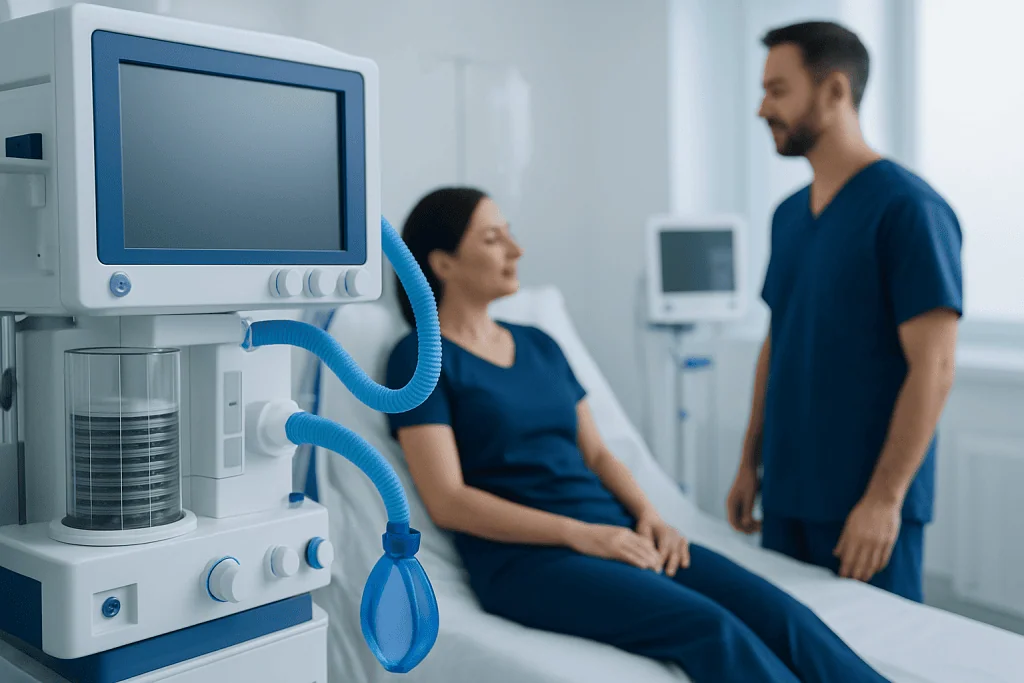
The easiest way to reduce stress is to prepare your paperwork early. Bring your passport, hospital confirmation documents, insurance or payment paperwork if relevant, and a simple written summary of your medical history in English if you have one. If your records are in another language, ask in advance whether translation is needed.
Your medical file should include recent blood tests, imaging reports, ECG results if you have them, letters from your regular doctor or specialist, and a list of previous surgeries. If you use glasses, hearing aids, CPAP, inhalers, or mobility aids, note that too. These details help the anesthesia team understand your usual baseline.
Your medication list should be exact, not approximate. Include prescription medicines, over-the-counter pain relief, injections, blood thinners, diabetes medication, weight-loss injections, vitamins, and herbal products. Write down the dose, how often you take it, and the last time you took it.
- Bring printed copies as well as digital copies on your phone or email.
- List all allergies and describe the reaction if you know it.
- Include emergency contact details and the name of your companion if one is traveling with you.
Health details you should always mention

Many patients worry about saying the wrong thing, but it is much more important not to leave things out. Tell the team if you have ever had nausea, breathing problems, delayed waking, severe anxiety, or any other complication during or after anesthesia in the past. Even if it happened years ago, mention it.
You should also speak openly about smoking, vaping, alcohol use, recreational drugs, sleep apnea, snoring, pregnancy possibility, loose teeth, dentures, crowns, jaw problems, reflux, and recent fever or cough. These are routine questions, not judgments, and they help the anesthesiologist plan safely.
If you have chronic medical conditions such as high blood pressure, heart disease, epilepsy, thyroid disease, kidney disease, liver disease, or diabetes, say how stable they are and whether anything changed recently. At Acibadem International, multidisciplinary specialist teams can coordinate if another opinion or extra review is needed before your procedure goes ahead.
Medicines, fasting, and day-before planning
One of the most important parts of preparation is knowing which medicines to continue and which ones may need to be adjusted. Do not stop a prescribed medicine on your own unless your treating team specifically tells you to. This is especially important for blood thinners, diabetes medicines, steroid treatment, and medicines for blood pressure or heart conditions.
Fasting instructions must be followed exactly. Your hospital will tell you when to stop eating and drinking before the procedure, and the timing can differ depending on the type of anesthesia, your health conditions, and your procedure time. If you are unsure whether water, coffee, gum, or medication is allowed, ask directly rather than guessing.
Plan the day before carefully. Avoid heavy meals, excess alcohol, and last-minute sightseeing that leaves you tired or dehydrated. Keep your phone on, watch for messages about timing, and pack your hospital bag the night before so you are not rushing in the morning.
What happens during the assessment appointment
Your appointment may include a conversation with an anesthesiologist or another member of the perioperative team, a review of your medical records, and sometimes additional tests if needed. You may be asked about previous operations, symptoms, medications, allergies, smoking history, and whether you have had any recent infections.
You may also have your blood pressure, pulse, weight, and oxygen levels checked, and in some cases blood tests, an ECG, or other investigations may be arranged. Not every patient needs the same tests. The purpose is not to create delays but to make sure the team has the information needed for safe planning.
If English is not your first language, ask for interpreter support early. Acibadem International commonly assists overseas patients with language support and scheduling, which can make the assessment feel much clearer and less overwhelming. This is also the right time to ask practical questions about admission time, personal items, and discharge planning.
Practical tips for international patients in Istanbul or elsewhere in Turkey
Give yourself enough time in Turkey before your procedure, especially if your journey is long or includes flight delays. Arriving at the last minute can increase stress if extra tests are needed or if you need time to recover from travel fatigue. If possible, avoid scheduling your arrival and your assessment too tightly together.
Keep logistics simple. Save the hospital address in your phone exactly as provided, confirm the building or campus name, and check travel time during likely traffic hours. Istanbul traffic can be unpredictable, so aim to arrive early rather than on time. Wear comfortable clothing and bring a phone charger, water for after the appointment if allowed, and your documents in one folder.
If you are traveling with a companion, make sure they know your schedule and instructions too. International patient services at hospitals such as Acibadem International can often help with transport planning, accommodation guidance, and communication between you and the clinical team, which is particularly useful if you are managing treatment away from home.
Questions to ask before you leave the appointment
Before you finish the assessment, make sure you understand the next steps. Ask what time you should stop eating and drinking, which medicines to take on the morning of the procedure, when you should arrive, and whether a companion should come with you. Clear answers now can prevent avoidable problems later.
You should also ask what to do if you develop a cold, fever, cough, stomach upset, or any new symptoms before the procedure date. Find out who to contact after hours and whether your plans need to change if your flight is delayed. It is much better to call and ask than to arrive uncertain.
Finally, ask how you will communicate on the day if you need language support, and whether you will need help arranging discharge transport. When you leave the appointment with written instructions, a contact number, and a clear timeline, you are much more likely to feel calm and prepared.
Step by step
- Collect your medical records. Start by gathering recent test results, specialist letters, imaging reports, and a summary of past surgeries or hospital admissions. Keep both printed and digital copies so you can share them easily if a document is missing on the day.
- Make a complete medication and allergy list. Write down every medicine, supplement, injection, and inhaler you use, including dose and timing. Add all allergies and explain the reaction if you know it, such as rash, swelling, nausea, or breathing difficulty.
- Tell the team about your full health history. Be open about chronic illnesses, smoking, alcohol use, sleep apnea, pregnancy possibility, and any problems with previous anesthesia. These details help the anesthesiologist tailor a safer plan and decide whether any extra checks are needed.
- Confirm fasting and medication instructions. Do not assume the same rules apply to every patient or every procedure. Ask exactly when to stop eating and drinking, and which medicines you should still take on the day of your treatment.
- Plan your arrival and support. Confirm the hospital location, expected travel time, and whether a companion should attend with you. If you need help with translation, transport, or accommodation, arrange it through the international patient team as early as possible.
- Prepare for changes or last-minute questions. Save the hospital's contact details and know who to call if you develop a fever, cough, vomiting, or another new health issue. Also contact the team promptly if your flight is delayed or you miss a scheduled test.
Your checklist
- Passport and hospital appointment confirmation
- Printed and digital copies of medical reports and test results
- Full medication list with doses and timing
- Written allergy list with reaction details
- Notes about previous anesthesia or surgery problems
- List of chronic conditions and current treating doctors
- Interpreter request if you are not fully comfortable in English or Turkish
- Confirmed fasting instructions and medicine plan for the day before and morning of surgery
- Companion contact details and discharge transport plan
Key takeaways
- Your pre-anesthesia assessment is mainly about safety, planning, and avoiding preventable issues on the day of your procedure.
- Bring complete records, especially your medication list, allergies, past anesthesia history, and recent test results.
- Follow fasting and medicine instructions exactly as given by your hospital team in Turkey.
- Mention chronic illnesses, smoking, sleep apnea, recent infections, and any previous anesthesia problems, even if they seem minor.
- Use international patient services and interpreter support if needed so instructions are clear and travel logistics are easier.
Frequently asked questions
Do I need a pre-anesthesia assessment if I already had tests in my home country?
Usually, yes. Your team in Turkey still needs to review your current health status, your records, and the specific anesthesia plan for your procedure. Home-country tests can be very helpful, but the hospital may still need to confirm or update some information.
What if my records are not in English?
Ask the hospital in advance which documents need translation and which can be reviewed as they are. For key reports, a translated summary is often useful. International patient coordinators can help you understand what is most important to prepare before travel.
Should I stop my usual medicines before the assessment or procedure?
Do not stop prescribed medicines on your own unless your clinical team tells you to. Some medicines should be continued, while others may need adjustment depending on your procedure and your health conditions. This is one of the most important points to clarify during your assessment.
What happens if I catch a cold or develop a fever before surgery?
Contact the hospital as soon as possible, even if the symptoms seem mild. A recent infection can affect anesthesia safety and may change the timing of your procedure. The team will tell you whether to come in, test first, or reschedule.
Can I eat or drink before my pre-anesthesia assessment?
For the assessment itself, you often can unless the hospital has given different instructions because tests are planned. For the actual procedure day, fasting instructions are much stricter and must be followed exactly. If there is any doubt, ask the hospital directly rather than relying on general internet advice.
Will there be language support during my assessment in Turkey?
Many hospitals serving international patients provide interpreter support or coordination in English and other languages. At Acibadem International, overseas patients commonly receive help from international patient services, which can make appointments, paperwork, and instructions easier to manage.
How early should I arrive in Turkey before my procedure?
That depends on your procedure, travel distance, and whether any additional tests may be needed. In general, arriving with some buffer time is wise, especially if you are flying long-haul or coming to Istanbul where traffic and travel delays can affect schedules. Your hospital can advise you based on your treatment plan.
Add us as a Preferred Source to see more of our trusted health content across Google Search, AI Overviews and Discover.
More Patient Guides

How to Prepare for a Biopsy in Turkey: Questions, Timing, and Recovery Basics
Biopsy in Turkey preparation starts with the right questions, timing, travel plans, and recovery basics before and after your test in Istanbul…
9 min read
Questions to Ask Before Booking Surgery in Turkey
Questions to ask before booking surgery in Turkey: check surgeon, hospital accreditation, costs, aftercare, travel timing, and support in Istanbul.
9 min read
How to Pack for Surgery in Turkey: A Practical Patient Checklist
How to pack for surgery in Turkey: bring documents, medicines, comfort items, and recovery basics for a smoother stay in Istanbul or…
8 min read