

Flying to Turkey After a Recent Illness: When to Ask for Medical Clearance

Flying to Turkey after a recent illness may require medical clearance if you still have symptoms, need oxygen, or were recently hospitalized.
If you have been ill recently, it is sensible to check whether you are well enough to fly before you finalize your travel to Turkey. This guide helps you recognize when to ask for medical clearance, what documents to prepare, and how to travel more safely and comfortably.
At a glance
- Best for: Patients planning air travel to Turkey after a recent illness or hospital stay
- Main question: Do you need a doctor or airline to confirm you are fit to fly?
- Typical documents: Medical summary, medication list, discharge notes, fit-to-fly letter if requested
- Ask early if: You were recently hospitalized, need oxygen, have active symptoms, or use mobility support
- Helpful support: Airline special assistance and international patient coordination before departure
Why medical clearance matters before you fly
Flying places mild stress on the body even during a routine trip. Cabin pressure, dry air, long periods of sitting, and the practical effort of getting through an airport can be more demanding if you have recently had a chest infection, surgery, fever, heart problem, severe dehydration, or a hospital admission. A medical clearance check is simply a way to confirm that your travel plan is reasonable and that any extra support is arranged before you leave.
For many people, a recent illness does not automatically mean they cannot fly. The key issue is whether you are stable enough for the journey, whether your symptoms are improving, and whether you can manage the flight without urgent treatment. If there is any doubt, it is safer to ask your treating doctor and your airline sooner rather than later, because airlines may have their own rules about paperwork and timing.
If you are traveling to Turkey for treatment, planning ahead also helps your arrival go more smoothly. Acibadem International teams often help international patients organize appointment timing, airport transfer planning, and practical communication so that you do not have to manage every detail while recovering from an illness.
When you should ask for medical clearance
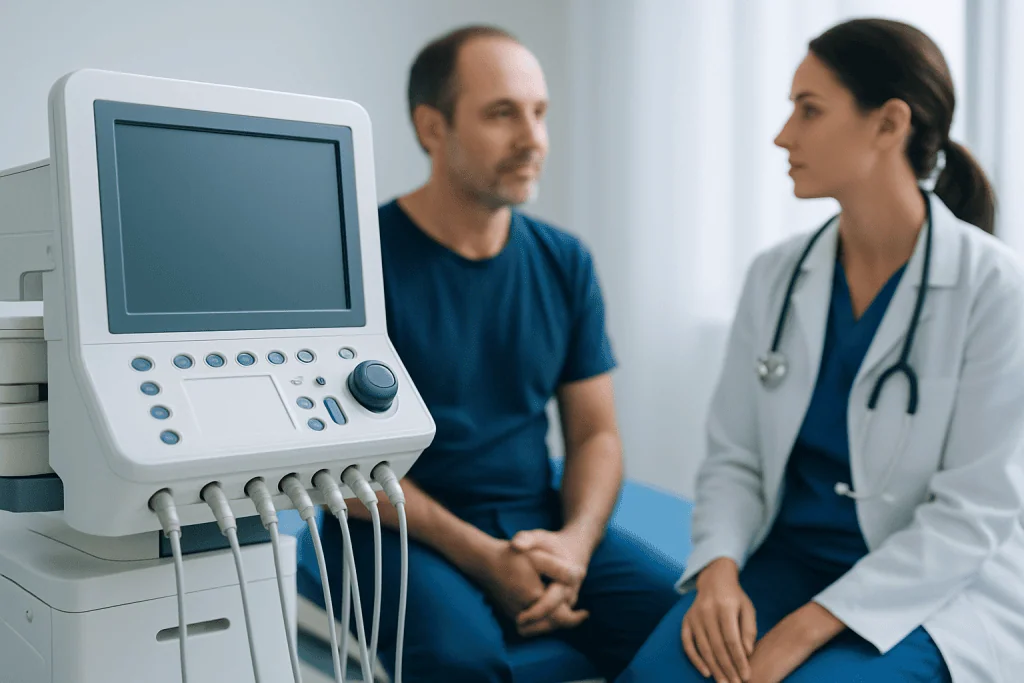
You should ask for medical clearance if you were recently hospitalized, had an emergency visit, or are still recovering from a significant illness. This is especially important if you still have shortness of breath, chest pain, fever, dizziness, new swelling, ongoing vomiting or diarrhea, reduced mobility, or any condition that could worsen during travel. If you use oxygen, have a contagious infection, or need medical equipment in transit, you should always speak with your doctor and airline in advance.
It is also wise to ask if you have a recent diagnosis involving the heart, lungs, blood clots, stroke symptoms, seizures, severe anemia, uncontrolled diabetes, or any illness that caused fainting, confusion, or low oxygen levels. Even if you feel better now, your doctor may want to confirm that your recovery is stable enough for airport walking, security checks, boarding, and the flight itself.
Some travelers only realize they need clearance when the airline asks for a fit-to-fly certificate close to departure. To avoid disruption, contact the airline as soon as you book or before booking if your situation is complex. Their medical desk may ask for a doctor’s letter, a standard medical form, details about mobility assistance, or notice if you are carrying injectable medicines or batteries for medical devices.
- Ask early if you were admitted to hospital within the last few weeks
- Ask early if your symptoms are ongoing rather than fully resolved
- Ask early if you may need wheelchair, oxygen, or extra seating support
- Ask early if your doctor advised follow-up, repeat tests, or rest before travel
What doctors and airlines usually want to know

Medical clearance is usually based on practical questions, not complicated paperwork for its own sake. Your doctor will want to know how long the flight is, whether you have a stopover, what symptoms you still have, whether you are eating and drinking normally, and whether your condition has been stable for several days. They may also ask about your medications, recent test results, and whether you can walk reasonable distances or need assistance.
The airline usually focuses on safety during the flight. They may want to know whether you can sit upright for takeoff and landing, whether you are infectious, whether you need oxygen or electrical support, whether you can reach the toilet, and whether you are traveling alone or with a companion. If you need special arrangements, airlines often require advance notice and may decline last-minute requests.
It helps to prepare a short, clear medical summary in English if possible. This can include your diagnosis, date of illness or admission, treatment received, current medications, allergies, recent vital concerns, and a statement about whether you are fit to travel. If you are coming to Istanbul or elsewhere in Turkey for care, having this summary ready can also make handover to your receiving medical team easier after arrival.
Documents and practical items to prepare before departure
Start with the essentials: passport, flight details, insurance documents if relevant, and your hospital or clinic records. If you were seen in hospital recently, bring discharge papers, investigation results, a list of medications with doses, and contact details for your treating doctor. If an airline requests formal clearance, ask whether they accept a general fit-to-fly letter or require their own medical form.
Keep medicines in your hand luggage, ideally in original packaging, with enough supply for the full journey plus a small extra margin in case of delay. Carry a written list of your medicines and any allergies. If you use syringes, liquid medicines, compression garments, mobility aids, or a medical device, check airline rules in advance and keep supporting letters easily accessible during security screening.
It is also worth planning the non-medical details that can feel tiring after an illness. Request airport wheelchair assistance if long walking distances would exhaust you. Arrange transfers, book an aisle seat if that helps you move around more easily, and keep snacks and water guidance in mind according to your doctor’s advice. Acibadem International can often help patients coordinate arrival timing, interpreter support, and transfer planning so the first day in Turkey feels simpler.
How to make the flight easier on your body
Once you are cleared to travel, focus on reducing strain. Give yourself extra time at the airport so you do not have to rush. Wear comfortable clothing, keep your medications within easy reach, and follow your doctor’s advice on eating, fluids, compression stockings, and movement. On longer journeys, gentle leg and ankle movements and brief walks when allowed can help reduce stiffness and discomfort.
If fatigue is still part of your recovery, build in rest at every stage rather than trying to push through. Choose the simplest route available, with fewer connections if possible. If you are traveling with a companion, let them handle paperwork, boarding logistics, and luggage while you conserve energy for the journey itself.
Pay attention to warning symptoms during travel. If you develop severe shortness of breath, chest pain, confusion, fainting, heavy bleeding, or rapidly worsening weakness, tell cabin crew immediately. These situations are uncommon, but it is better to ask for help early than wait until arrival.
What to arrange for your arrival in Turkey
Your journey is not over when the plane lands. If you are recovering from an illness, think about how you will get through immigration, baggage claim, and the transfer to your hotel or hospital. If possible, avoid tightly packed schedules on arrival day. A same-day consultation may be appropriate for some patients, but others do better with time to rest, hydrate, and settle in first.
Send your key records ahead to the hospital or patient coordinator before you travel, especially if your recent illness is related to the reason for your visit. This gives the receiving team time to review your case and plan any immediate needs. At Acibadem International, international patient services can help organize interpreters, appointment timing, and practical communication between you and the care team after you arrive.
Keep expectations realistic: asking for medical clearance is not a setback. It is simply part of traveling responsibly when your health has recently changed. A little extra planning before you fly to Turkey can reduce stress, lower the chance of travel disruption, and help you arrive in a safer, more comfortable condition.
Step by step
- Review your recent illness honestly. Think about what happened in the last few days or weeks, not just how you feel this morning. If you had a fever, breathing problem, hospital admission, dehydration, severe pain, or new diagnosis, assume it is worth checking before you travel.
- Ask your treating doctor if you are fit to fly. Share your exact flight plan, including duration, stopovers, and travel date. Ask whether you are medically stable, whether you need a fit-to-fly letter, and what symptoms would mean delaying your trip.
- Contact the airline’s special assistance or medical desk. Do this early, because some airlines need notice to review medical forms or approve support such as oxygen or wheelchair assistance. Ask specifically what documentation they require and their deadline for submission.
- Prepare a clear travel medical pack. Put your discharge notes, prescription list, allergy information, recent test summaries, and doctor’s letter in one folder. Keep both printed and digital copies if possible, especially if you are connecting through another airport.
- Plan the easiest possible airport journey. Reduce unnecessary strain by arranging assistance, lighter luggage, and simple transfers. If you tire easily, choose support that saves energy before, during, and after the flight rather than waiting to see how you manage.
- Share your records with your receiving hospital in Turkey. Send key documents before departure so the team can review them in advance. If you are attending Acibadem International, patient coordinators can help confirm what to send and how to organize your arrival day.
- Reassess on the day of travel. If your symptoms have worsened overnight, do not ignore that change simply because the trip is booked. A fresh fever, breathing difficulty, chest pain, severe weakness, or ongoing vomiting means you should speak to a doctor again before boarding.
Your checklist
- Passport and flight itinerary ready
- Doctor asked whether you are fit to fly
- Airline contacted about medical clearance needs
- Discharge summary or recent medical notes packed
- Medication list and allergy list in hand luggage
- Enough medication for the trip plus extra for delays
- Wheelchair or airport assistance booked if needed
- Hospital or patient coordinator in Turkey has your records
- Arrival transfer and first-night plan confirmed
Key takeaways
- A recent illness does not always stop you flying, but it should prompt a fitness-to-travel check if symptoms are ongoing or the illness was significant.
- Your doctor and airline look at practical safety issues such as breathing, mobility, infection risk, medication needs, and stability during the flight.
- Prepare a simple medical pack with discharge notes, medicines, allergies, and any fit-to-fly documentation.
- Request airline assistance early if you may need wheelchair support, oxygen, or extra help during boarding and transit.
- Sharing records with your hospital in Turkey before arrival can make your first day smoother and less stressful.
Frequently asked questions
Do I always need a fit-to-fly certificate after being ill?
No. Many travelers do not need a formal certificate, especially after a mild illness that has fully resolved. You are more likely to need one if you were recently hospitalized, still have symptoms, need oxygen or medical equipment, or the airline has specific medical review rules.
Who decides whether I can fly: my doctor or the airline?
Usually both play a role. Your doctor advises whether travel is medically reasonable for you, while the airline decides whether they can carry you safely under their policies and what documents or assistance they require.
How soon before my flight should I ask about medical clearance?
As early as possible, ideally before booking if your situation is complex. Some airlines need time to review forms, approve equipment, or organize assistance, so leaving it until the last day can create avoidable problems.
What recent illnesses most often require extra caution before flying?
Problems affecting breathing, circulation, mobility, hydration, or infection control usually deserve closer review. Examples include recent pneumonia or other chest infections, blood clots, significant heart problems, severe gastrointestinal illness, uncontrolled medical conditions, or recovery after a hospital stay.
Should I postpone my trip if I still feel weak but technically improved?
Possibly, depending on the cause of the weakness and how demanding your journey will be. If weakness is significant, worsening, or linked to recent fever, poor eating and drinking, low oxygen, dizziness, or reduced mobility, ask your doctor again before you travel.
What should I send to my hospital in Turkey before I arrive?
Send the most relevant medical summary rather than every document you own. This usually includes discharge notes, recent test reports, medication and allergy lists, and a short note about your current condition and travel date.
Can Acibadem International help with travel logistics if I have recently been ill?
Yes, international patient services can often help with practical coordination such as sharing records, confirming appointment timing, arranging interpreter support, and helping you plan arrival logistics. That kind of support can be especially useful when you are traveling while still recovering.
Add us as a Preferred Source to see more of our trusted health content across Google Search, AI Overviews and Discover.
More Patient Guides

Preparing for Your Return Flight After Treatment in Turkey: Timing, Clearance, and Comfort
Preparing for your return flight after treatment in Turkey means getting medical clearance, timing your trip safely, and planning comfort and support.
9 min read
Arriving in Turkey for Surgery: Your First 48 Hours Explained
Arriving in Turkey for surgery is easiest when you know what happens at the airport, hotel, and hospital in your first 48…
9 min read
How to Plan a Low-Stress Arrival Day Before Treatment Starts
Arrival day before treatment in Turkey is easiest with a simple plan for airport pickup, hotel check-in, documents, rest, and your first…
9 min read