

Celebrity Health Health News
Mindy Kaling’s Weight Loss: What Healthy Weight Change Can Involve
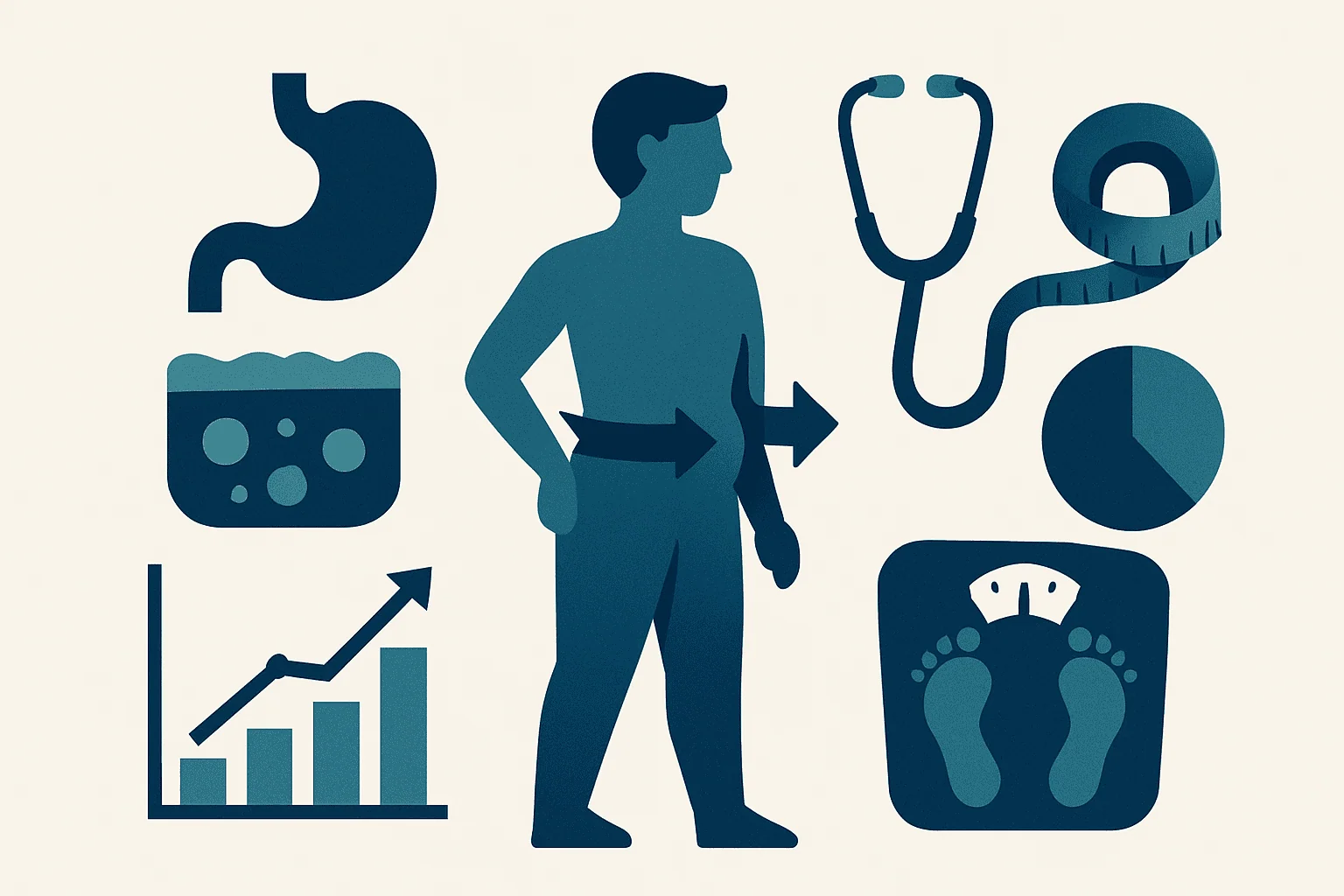
- Healthy weight loss focuses on overall health, not just the scale.
- Unintentional weight loss can signal an underlying medical problem.
- Treatment may include lifestyle changes, medication, or surgery.
- Long-term maintenance is challenging because the body adapts biologically.
- Even modest weight loss can improve blood sugar, sleep, and mobility.
How do people define a “goal weight,” and when does that goal stop feeling healthy? Recent headlines about Mindy Kaling and reported conversations around weight loss have resonated with many readers because they touch on a common tension: the difference between chasing a number and pursuing overall health. That is a useful starting point for a broader discussion of weight loss itself—what it means medically, how it is evaluated, and the many ways it can be approached safely and realistically.
Weight loss can be intentional, such as when someone changes eating patterns, increases physical activity, uses medication, or considers a procedure. It can also be unintentional, which sometimes signals an underlying medical issue. In health care, the conversation is usually less about appearance and more about risks, symptoms, metabolism, quality of life, and long-term well-being. A meaningful plan takes the whole person into account, including sleep, stress, mental health, medical history, and daily routines.
Because weight is influenced by biology, environment, medications, hormones, and social factors, it is rarely as simple as “eat less and move more.” For some people, lifestyle changes may be enough. For others, a structured program, anti-obesity medication, or bariatric and metabolic surgery may be part of the picture. The best approach depends on why weight loss is being considered and what health goals matter most.
What weight loss means in a medical sense
Medically, weight loss refers to a reduction in body weight over time. That may include loss of body fat, water, or muscle. In healthy, intentional weight management, the aim is usually to reduce excess body fat while preserving muscle and supporting metabolic health.
Clinicians look beyond the scale. Two people can weigh the same but have very different health profiles. That is why evaluation often includes body mass index, waist size, blood pressure, cholesterol, blood sugar, liver health, sleep quality, joint symptoms, and other factors. The goal is to understand whether excess weight is contributing to conditions such as type 2 diabetes, fatty liver disease, sleep apnea, heart disease, infertility, reflux, or osteoarthritis.
Weight regulation is controlled by a complex system involving the brain, gut hormones, insulin, genetics, and energy expenditure. After weight loss, the body may respond by increasing hunger and lowering energy use, which can make maintenance difficult. This helps explain why repeated cycles of losing and regaining weight are so common and why long-term support matters.
It is also important to separate intentional from unintentional weight loss. Unplanned weight loss may happen with thyroid disease, digestive disorders, depression, cancer, chronic infection, medication side effects, or other illnesses. When weight drops without trying, especially if the change is significant or accompanied by fatigue, pain, fever, or appetite changes, medical evaluation is important.
Why people seek weight loss support
People pursue weight loss for many different reasons. Some want to feel more energetic, improve mobility, lower blood sugar, reduce joint pain, sleep better, or prepare for pregnancy or surgery. Others may be responding to emotional distress, social pressure, or unrealistic standards. A good clinical conversation helps distinguish health-centered goals from goals that may be overly rigid or harmful.
Health professionals may recommend weight management support when excess weight is associated with symptoms or obesity-related conditions. Common concerns include:
- Metabolic issues: prediabetes, type 2 diabetes, high cholesterol, fatty liver disease
- Cardiovascular risks: high blood pressure, elevated heart disease risk
- Breathing and sleep problems: sleep apnea, shortness of breath with activity
- Musculoskeletal pain: knee pain, back pain, reduced mobility
- Digestive and hormonal concerns: reflux, polycystic ovary syndrome, fertility challenges
- Daily functioning: fatigue, low stamina, difficulty with routine physical tasks
At the same time, an intense focus on weight can affect mental well-being. Some people develop anxiety about food, compulsive exercise, binge eating, or cycles of restriction and overeating. That is why healthy weight care often includes attention to eating behaviors, body image, stress, and mood—not just calories or clothing size.
How weight loss is evaluated and monitored
A thorough assessment usually begins with history and examination. Clinicians ask when weight changed, whether the change was intentional, what methods have been tried before, and whether symptoms suggest another medical condition. They may review medications, family history, sleep patterns, menstrual history, alcohol use, and emotional health.
Testing depends on the situation, but common parts of an evaluation may include:
- Weight and body measurements: trends over time, waist circumference, body composition when available
- Blood pressure and cardiovascular assessment: to understand overall risk
- Laboratory tests: blood sugar, cholesterol, liver function, thyroid tests, kidney function, and sometimes hormone studies
- Sleep assessment: especially if sleep apnea is suspected
- Nutritional review: meal patterns, protein intake, fiber, alcohol, sugary drinks, and eating triggers
- Mental health screening: depression, anxiety, eating disorders, stress, trauma, or sleep deprivation
Monitoring progress is also broader than weekly weigh-ins. Changes in blood sugar, blood pressure, stamina, sleep, and joint pain may matter just as much. In many cases, modest weight loss can improve health markers even if the scale does not move dramatically. That can be encouraging for people who feel discouraged by all-or-nothing messaging.
Major treatment options for healthy weight loss
Weight loss treatment is not one-size-fits-all. The most effective plans are individualized and sustainable. They usually combine several approaches rather than relying on a single tactic.
Lifestyle and behavioral treatment
For many people, the foundation is a structured lifestyle program. This may include changes in eating patterns, physical activity, sleep, and daily habits. Rather than extreme restriction, many clinicians emphasize regular meals, adequate protein, more vegetables and fiber, fewer ultra-processed foods, and strategies for stress-related eating. Activity plans often focus on consistency, strength preservation, and gradual increases in movement.
Behavioral support can be just as important as food choices. Helpful tools may include self-monitoring, identifying triggers, planning for social situations, building routines, and addressing emotional eating. Counseling or therapy may be especially useful when body image concerns, binge eating, depression, or chronic stress are part of the picture.
Medical treatment
Some people may benefit from prescription medication as part of a broader weight management plan. These treatments are generally considered when weight-related health risks are present and lifestyle measures alone have not been enough. Different medications work in different ways, such as reducing appetite, increasing fullness, or affecting how the body handles energy.
Medication is not a shortcut, and it is not right for everyone. Suitability depends on medical history, other medications, side effects, and treatment goals. Ongoing follow-up is usually needed to monitor benefits and tolerability.
Bariatric and metabolic surgery
For some individuals with obesity—particularly when serious related conditions are present—bariatric and metabolic surgery may be an option. These procedures are designed to help with substantial, sustained weight loss and can also improve metabolic diseases such as type 2 diabetes.
Common operations include:
- Gastric sleeve: reduces stomach size, which can limit food intake and influence hunger hormones
- Gastric bypass: changes the stomach and part of the small intestine, affecting both intake and metabolism
These operations are not cosmetic procedures. They are major medical interventions used for carefully selected patients after detailed evaluation. Preparation often includes nutritional counseling, psychological assessment, and education about long-term follow-up. Surgery can be highly effective, but success still depends on lifestyle habits, vitamin monitoring, and regular medical care afterward.
Endoscopic and device-based approaches
Some patients may be candidates for less invasive options, such as a gastric balloon. These approaches may support weight loss in selected cases, typically alongside nutritional and behavioral programs. As with any procedure, benefits, limits, and risks need to be discussed individually.
What recovery and long-term maintenance can look like
One of the most misunderstood parts of weight loss is maintenance. Losing weight is one phase; keeping it off is another. After weight loss, the body often adapts in ways that make regain more likely. Hunger may increase, fullness may decrease, and the body may burn fewer calories than expected. This is a biological response, not a personal failure.
Long-term success often depends on building patterns that can be repeated for months and years. Helpful elements may include:
- Regular follow-up: accountability, adjustment of goals, and monitoring of health markers
- Strength-focused exercise: preserving muscle while improving function
- Flexible nutrition patterns: avoiding all-or-nothing rules that are hard to sustain
- Sleep and stress care: both can influence hunger, cravings, and energy use
- Relapse planning: expecting plateaus and setbacks rather than viewing them as failure
Recovery after a procedure or surgery is more specific. Patients may move through staged eating plans, gradually return to activity, and need close nutritional monitoring. Hydration, protein intake, and vitamin supplementation can become central parts of care, depending on the procedure performed. Emotional adjustment matters too. A major change in eating and body size can affect identity, relationships, and mental health, which is why multidisciplinary support can be valuable.
Outlook, red flags, and when specialist care may help
The outlook with healthy, evidence-based weight management is often better than many people assume. Even moderate weight loss may improve blood sugar, blood pressure, mobility, sleep, and quality of life. For some, the biggest benefit is not a dramatic transformation but better day-to-day functioning and reduced long-term risk.
Specialist care may be appropriate when weight is linked to conditions such as diabetes, sleep apnea, fatty liver disease, or severe joint pain; when repeated attempts at lifestyle change have not worked; or when a person is considering medication or bariatric surgery. Endocrinologists, obesity medicine specialists, dietitians, psychologists, and bariatric surgeons may all play a role.
There are also times when weight loss should not simply be framed as a wellness goal. Evaluation is important when weight loss is unexplained, rapid, or accompanied by concerning symptoms. Red flags can include:
- Unintentional weight loss
- Persistent vomiting or trouble swallowing
- Blood in the stool or ongoing diarrhea
- Fever, night sweats, or marked fatigue
- New depression, severe anxiety, or disordered eating behaviors
Public conversations about weight often focus on appearance, but health care aims for something more grounded: safer, individualized, sustainable change. Recent reports may bring attention to the topic, but the deeper lesson is universal. Weight loss is not just about willpower or a target number on a scale. It is a medical, behavioral, and emotional process—and the healthiest path is usually the one that supports the whole person.
Explore Bariatric & Metabolic Surgery at Acibadem →
Who is Mindy Kaling?
Mindy Kaling is an American actress, writer, producer, and director. She first became widely known for her work on the television series The Office and later created and starred in The Mindy Project.
Frequently asked questions
What is considered healthy weight loss?
Healthy weight loss generally means a gradual, sustainable reduction in weight that supports better metabolic health, mobility, sleep, and quality of life while preserving muscle and nutritional status.
Is weight loss always intentional?
No. Weight loss can be intentional or unintentional. Unplanned weight loss may sometimes point to an underlying medical or mental health condition and may need evaluation.
When are weight loss medications considered?
Weight loss medications may be considered when excess weight is affecting health and structured lifestyle efforts alone have not been enough. Suitability depends on individual medical history and treatment goals.
Who may be a candidate for bariatric surgery?
Bariatric and metabolic surgery may be considered for some people with obesity, especially when significant weight-related conditions such as type 2 diabetes or sleep apnea are present.
Why is keeping weight off so difficult?
After weight loss, the body may respond by increasing hunger and lowering energy expenditure. These biological adaptations can make maintenance harder, which is why long-term support matters.
What symptoms with weight loss should prompt medical attention?
Unexplained weight loss, rapid changes, persistent digestive symptoms, marked fatigue, fever, or signs of disordered eating are reasons a medical assessment may be important.
✔ Reviewed by the Acibadem medical team
More on Mindy Kaling
This article is general health information inspired by publicly reported news. It is not a statement about any individual’s private medical care, nor medical advice. Always consult a qualified clinician.