

Flying to Turkey for Surgery: How to Lower DVT Risk on Long Flights

Flying to Turkey for surgery? Lower DVT risk on long flights with simple steps before, during and after travel to Istanbul or Turkey.
If you are flying to Turkey for surgery, a long journey can raise concerns about deep vein thrombosis (DVT), especially if you will also have a procedure soon after arrival. The good news is that careful planning, simple in-flight habits and clear advice from your care team can help you travel more safely and comfortably.
At a glance
- Best time to ask for advice: As soon as your surgery dates and flights are being planned
- Main risk factors: Long immobility, recent surgery, clotting history, dehydration, certain medications
- Helpful on the flight: Walk regularly, move your ankles and calves, drink water, wear loose clothing
- Ask before using: Compression stockings or blood-thinning medication
- Urgent warning signs: New leg swelling, calf pain, chest pain, shortness of breath
Why DVT matters when you fly for surgery
DVT means a blood clot forming in a deep vein, usually in the leg. Long flights can slightly increase this risk because you may sit still for many hours, become mildly dehydrated, or have less room to move your legs normally. If you are also travelling for surgery, your overall risk can be higher depending on the type of procedure, your age, your medical history and how soon your treatment is scheduled after landing.
This does not mean you should panic or assume travel is unsafe. It means you should approach your journey with a plan. Many people fly to Turkey safely for medical care every year, and hospitals with established international patient services, such as Acibadem International, are used to helping patients coordinate timing, mobility needs and pre-travel questions so the journey is as smooth as possible.
The most important thing is to think of DVT prevention as part of your travel preparation, not as an afterthought. A few simple decisions before you leave home can make the flight easier on your circulation and help you arrive ready for the next step of your treatment plan.
Who may have a higher clot risk before travelling
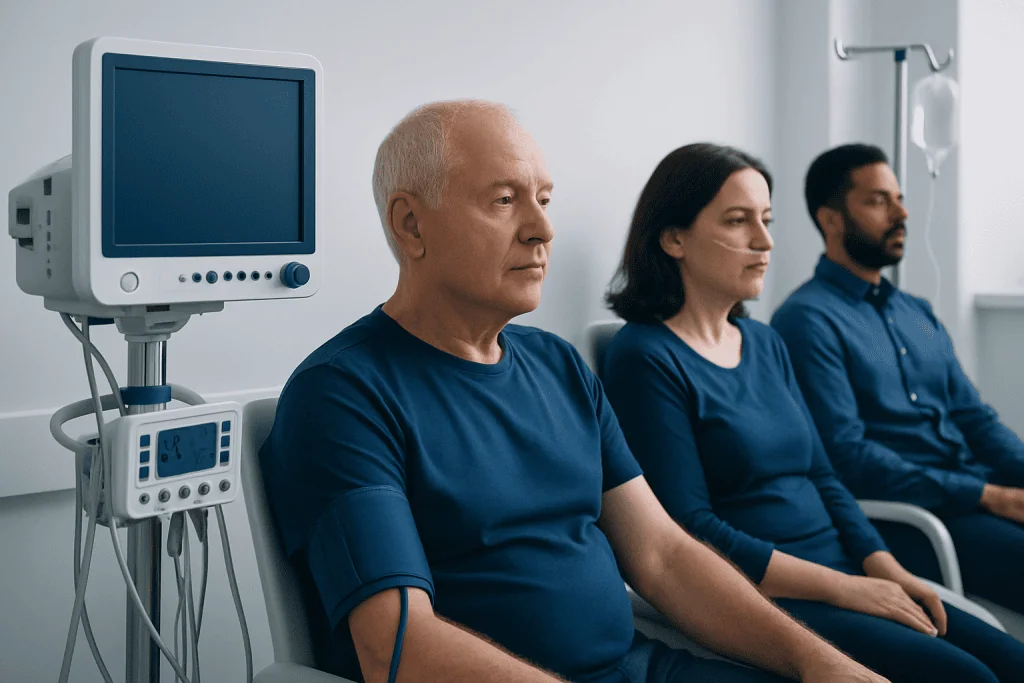
Your personal risk is not the same as someone else’s. You may need extra precautions if you have had a previous DVT or pulmonary embolism, a known clotting disorder, cancer, major mobility problems, obesity, pregnancy, recent surgery, smoking history, varicose veins, heart failure, or if you use certain hormone medications. Even a very long travel day with multiple connections can matter if you already have several risk factors.
It is also important to consider the timing of surgery. If you are flying shortly before an operation, your team may want to review not just the flight length but also how active you can be after landing, whether you will need pre-operative fasting, and how much time you have to recover from travel fatigue. If you are flying after surgery, the advice can be different again, because postoperative clot risk and mobility limits may be greater.
Before you confirm your trip, send your medical history, medication list and proposed flight details to your treating team. Acibadem International’s international patient services can help gather the information your specialists need, and interpreters can help if you are more comfortable discussing risk in your own language. That way, your advice is based on your case rather than general online tips.
What to do before your flight to Turkey

Start with a direct question to your doctor or surgical team: what is my clot risk on this journey, and do I need any special measures? For some people, the answer will simply be movement, hydration and sensible seating. For others, a clinician may recommend properly fitted compression stockings or, in selected cases, medication. You should never start blood thinners on your own just because you are taking a long flight, especially if surgery is coming up, because they can affect bleeding and perioperative planning.
Choose the most practical itinerary you can. A direct flight or the shortest total travel time may be easier than multiple stopovers. If possible, select an aisle seat so you can stand up without feeling you are disturbing others, and wear comfortable clothing that does not constrict your waist or legs. Keep any regular medications, medical letters and compression items in your hand luggage, not in checked baggage.
In the day or two before you travel, focus on normal hydration, sleep and gentle activity rather than rushing around. Avoid assuming that drinking extra alcohol-free beverages right before boarding will solve everything; the goal is steady hydration, not discomfort. If you use mobility aids or expect help at the airport, arrange assistance in advance so you do not overexert yourself before the flight even begins.
- Ask whether compression stockings are appropriate for you and what level or fit is advised.
- Check whether any of your medications should be timed differently on travel day.
- Bring a summary of your medical history and your hospital contact details in Turkey.
- Plan enough time on arrival so you are not rushing from airport to hospital.
How to lower DVT risk during a long flight
The single most helpful habit in the air is regular movement. Try to stand up and walk the aisle from time to time when it is safe to do so. When you are seated, keep your ankles, feet and calves active by circling your ankles, lifting your heels, raising your toes and gently tightening and relaxing your calf muscles. Small movements done often are better than one big stretch every several hours.
Drink water at regular intervals and go easy on alcohol, which can worsen dehydration and make you less likely to move around. You do not need to force excessive fluids, but you do want to avoid becoming dry and sluggish. Loose layers can help you stay comfortable if the cabin temperature changes, and keeping items you need close at hand reduces the temptation to stay fixed in one position for too long.
Try not to sleep in a cramped position for many uninterrupted hours. If you do rest, set a reminder on your phone or watch to move your legs when you wake or to stand when the aisle is clear. Do not place bags under the seat in a way that blocks your legroom if you can avoid it. If your team recommended compression stockings, put them on exactly as instructed, making sure they are smooth, properly fitted and not rolled down, which can create a tight band.
What to do after you land in Istanbul or elsewhere in Turkey
After a long flight, your first job is to get moving again gradually. Walk through the airport at a steady pace if you can, stretch your calves once you collect your luggage, and continue drinking water. If you have arranged airport assistance, use it as needed, but still aim to move your legs regularly rather than remaining still for a long time in transfers or waiting areas.
Give yourself some recovery time before hospital appointments if your schedule allows. A calm arrival day is often easier on your body than landing and immediately rushing between airport, hotel and clinic. If you are staying in a hotel before admission, choose opportunities for short walks and avoid spending the whole evening sitting or sleeping in one position after the flight.
Acibadem International can help coordinate practical details such as transfers, accommodation guidance and communication with the hospital team, which can reduce travel stress and last-minute confusion. That matters because when your logistics are organized, it is easier to follow the simple health steps that protect your circulation and support a safer start to your treatment journey.
When to seek urgent medical help
It is important to know the warning signs of a possible clot. Seek urgent medical attention if you develop new swelling in one leg, especially if it is accompanied by calf pain, warmth, redness or tenderness. These symptoms do not always mean DVT, but they should not be ignored, particularly around the time of long-distance travel or surgery.
More serious emergency symptoms can suggest a clot has moved to the lungs. If you have sudden shortness of breath, chest pain, coughing up blood, fainting or unexplained rapid heartbeat, treat it as an emergency right away. Do not wait for a routine appointment or assume it will settle on its own.
If you are already in Turkey and under the care of a hospital, contact your patient coordinator or the emergency contact number provided to you, while also seeking immediate medical help if symptoms are severe. JCI-accredited hospitals such as those within Acibadem International operate within structured safety systems, but the key step is always prompt reporting so symptoms can be assessed without delay.
A practical note on balancing safety and comfort
Many patients worry that every ache after a flight means something serious. In reality, long travel often causes temporary stiffness, mild ankle swelling, jet lag and tired legs. These can improve with movement, hydration and rest. The goal is not to become anxious about every sensation, but to notice symptoms that are clearly new, one-sided, worsening or accompanied by breathing problems.
It can help to think in layers: get personal medical advice, plan the journey well, keep moving during travel, and speak up quickly if something feels wrong. This approach is more useful than searching for one perfect trick. DVT prevention is usually about several small actions working together rather than one dramatic measure.
If you are unsure about your fitness to fly, timing of surgery, or what to pack for the journey, ask early. International care teams are there to answer exactly these questions. A clear plan before departure often reduces worry just as much as it improves practical safety.
Step by step
- Check your personal risk with your care team. Before you book or finalize flights, ask your surgeon or physician to review your clot risk based on your history, medications and the type of surgery planned. If you are travelling with Acibadem International, send your itinerary and medical summary early so the international patient team can coordinate questions with your specialists.
- Choose the easiest flight plan you can. If possible, pick the shortest and simplest route, ideally with fewer stopovers and less total sitting time. An aisle seat usually makes it much easier for you to stand, walk and stretch without hesitation.
- Prepare the right travel items. Pack water access, loose clothing, regular medications, medical letters and any clinician-recommended compression stockings in your cabin bag. Do not rely on checked luggage for anything you may need during the flight or soon after landing.
- Move regularly during the journey. Set a reminder to flex your ankles, tighten your calf muscles and change position often while seated. Whenever it is safe, get up and walk briefly rather than staying still for many hours.
- Stay sensibly hydrated. Drink water at intervals throughout the flight and be cautious with alcohol. Aim for steady, comfortable hydration so you feel well and keep visiting the aisle often enough to avoid prolonged immobility.
- Restart gentle activity after landing. Once you arrive in Turkey, walk when you can, stretch your legs and avoid collapsing into a chair or bed for the rest of the day. Even short, easy walks after your transfer can help you feel less stiff and more settled before your hospital visit.
- Know the symptoms that should never wait. If you notice one-sided leg swelling, calf pain, chest pain or shortness of breath, seek urgent medical help immediately. Fast assessment is especially important around long-distance travel and the perioperative period.
Your checklist
- Ask your surgeon or physician about your individual DVT risk before travel
- Share your full medication list and any history of blood clots
- Choose an aisle seat if possible
- Pack compression stockings only if they were recommended for you
- Keep medications and medical documents in your hand luggage
- Set a reminder to move your legs and walk during the flight
- Drink water regularly and limit alcohol
- Plan a calm arrival with enough time before hospital appointments
- Save your hospital and patient coordinator contact numbers
- Learn the urgent warning signs of DVT and pulmonary embolism
Key takeaways
- Long flights can increase DVT risk, and upcoming surgery may add to that risk depending on your individual health profile.
- The best prevention plan starts before you travel, with advice tailored to your medical history and surgery timing.
- Regular movement, sensible hydration, comfortable seating and the right support items can help reduce risk during the flight.
- Compression stockings or medication should only be used if your clinician advises them.
- New one-sided leg swelling, calf pain, chest pain or shortness of breath need urgent medical assessment.
Frequently asked questions
Is it safe to fly to Turkey for surgery if I am worried about blood clots?
For many people, yes, but the answer depends on your personal risk factors and the type and timing of surgery. The safest approach is to ask your treating team to review your travel plans in advance so they can advise on movement, compression or other precautions if needed.
Should I wear compression stockings on my flight to Istanbul?
Compression stockings can help some travellers, but they are not right for everyone and they need to fit properly. Ask your clinician whether you should use them, what type is suitable and how to wear them correctly, especially if surgery is scheduled soon after arrival.
Can I take aspirin or blood thinners before the flight to prevent DVT?
You should not start these medicines on your own. Blood-thinning medication can interact with your surgery plan and may increase bleeding risk, so any medication decision should come from the doctor managing your treatment and travel timing.
How often should I move during a long-haul flight?
There is no single perfect schedule, but regular movement throughout the journey is better than sitting still for hours. Try to do seated ankle and calf exercises often and stand or walk briefly whenever it is safe and practical.
What symptoms after flying should make me seek urgent help?
Urgent symptoms include new swelling in one leg, calf pain, warmth or redness, especially if symptoms are clearly on one side. Sudden shortness of breath, chest pain, fainting or coughing up blood are emergency warning signs and need immediate medical attention.
Does arriving the day before surgery help reduce travel stress and clot risk?
In many cases, arriving with some buffer time can help because you are less rushed and have time to rehydrate, move around and settle in. The ideal timing depends on your procedure and pre-operative requirements, so confirm this with your hospital team.
How can Acibadem International help with travel-related questions?
Acibadem International can help you organize practical travel details, share your itinerary with the clinical team and support communication through international patient services and interpreters. This can make it easier for you to understand your instructions and arrive in Turkey with a clear, realistic plan.
Add us as a Preferred Source to see more of our trusted health content across Google Search, AI Overviews and Discover.
More Patient Guides

Preparing for Your Return Flight After Treatment in Turkey: Timing, Clearance, and Comfort
Preparing for your return flight after treatment in Turkey means getting medical clearance, timing your trip safely, and planning comfort and support.
9 min read
Arriving in Turkey for Surgery: Your First 48 Hours Explained
Arriving in Turkey for surgery is easiest when you know what happens at the airport, hotel, and hospital in your first 48…
9 min read
How to Plan a Low-Stress Arrival Day Before Treatment Starts
Arrival day before treatment in Turkey is easiest with a simple plan for airport pickup, hotel check-in, documents, rest, and your first…
9 min read