

What Is a Stroke Doctor Called? Understanding the Specialists Involved in Emergency Care
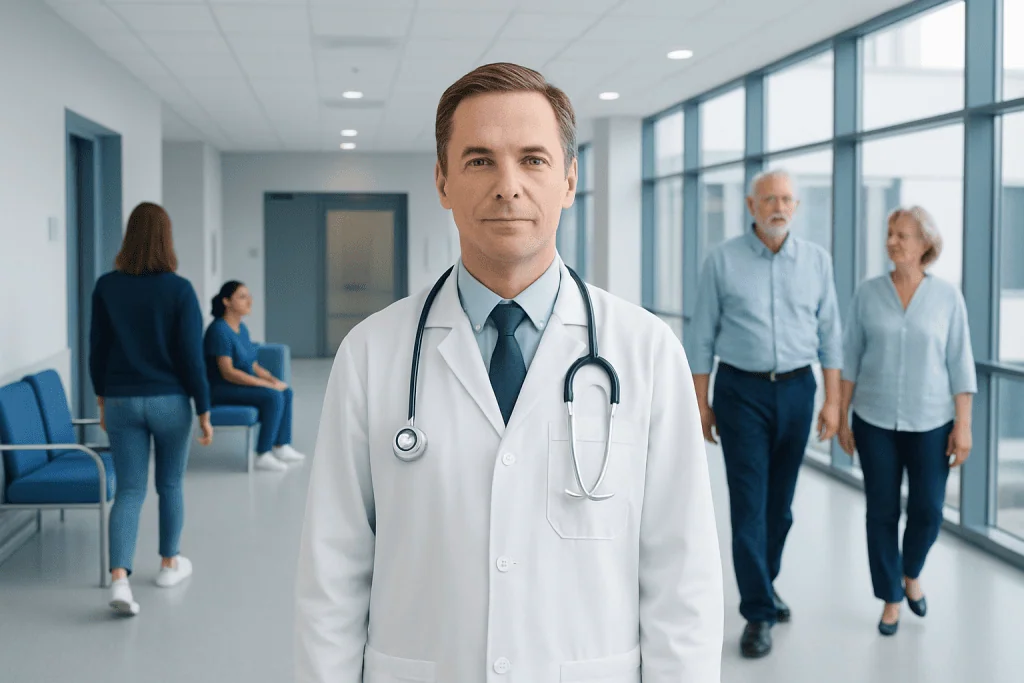
The main doctor for stroke is usually a neurologist, especially a vascular neurologist. Emergency stroke care is delivered by a team, not just one specialist.
Key Takeaways
- The main doctor for stroke is usually a neurologist, especially a vascular neurologist.
- Emergency stroke care is delivered by a team, not just one specialist.
- Fast brain imaging helps doctors tell whether a stroke is ischemic or hemorrhagic.
- Treatment may involve clot-busting medicine, catheter-based clot removal, surgery, and rehabilitation.
- Recognizing stroke symptoms early and calling emergency services can improve outcomes.
A stroke doctor is most often a neurologist with expertise in stroke, commonly called a vascular neurologist or stroke specialist. In emergency care, this doctor works closely with emergency physicians, radiologists, neurosurgeons, and rehabilitation experts to diagnose and treat stroke as quickly as possible.
Overview: What is a stroke doctor called?
A stroke doctor is usually a neurologist, meaning a physician who diagnoses and treats disorders of the brain, spinal cord, and nerves. When that neurologist has special training in stroke and blood vessel conditions affecting the brain, they may be called a vascular neurologist or stroke specialist. In many hospitals, this is the doctor who leads decisions about urgent stroke diagnosis and treatment.
Even so, stroke care is rarely handled by one doctor alone. Stroke is a medical emergency that often requires a coordinated team. Depending on the type of stroke and the hospital’s services, the team may include emergency medicine physicians, neuroradiologists, interventional specialists, neurosurgeons, intensive care doctors, nurses, and rehabilitation professionals.
The exact name a patient hears may vary from one center to another. Some hospitals use terms such as “stroke neurologist,” “vascular neurologist,” or “stroke medicine specialist.” All refer to doctors focused on the rapid assessment and treatment of people with suspected stroke.
Which specialists are involved in emergency stroke care?
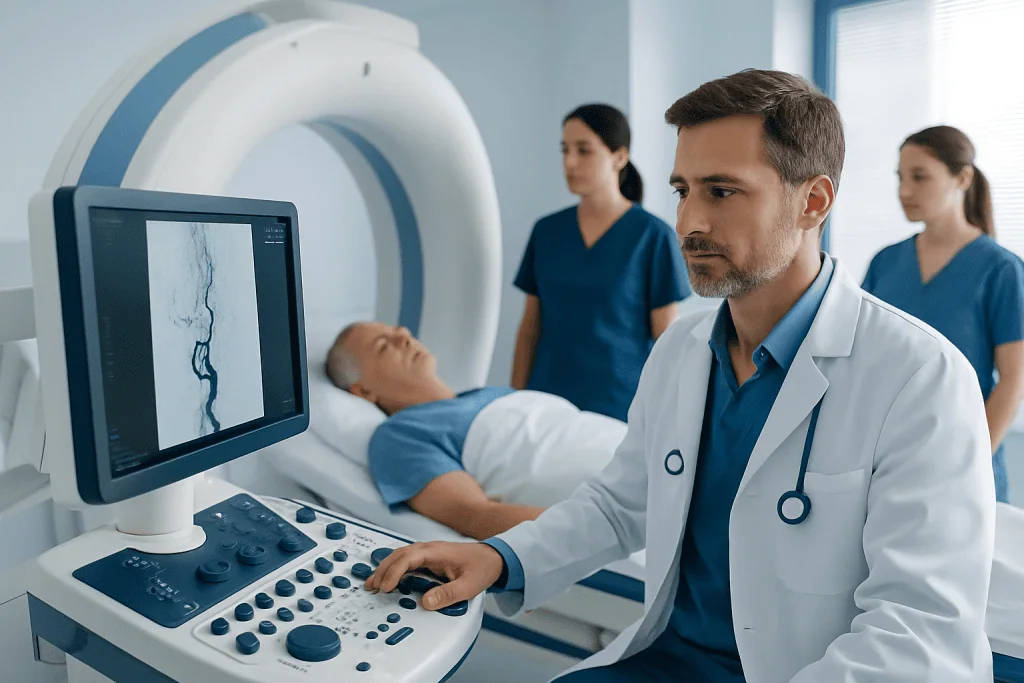
When someone arrives at the hospital with possible stroke symptoms, the first doctor they may meet is an emergency physician. This doctor helps stabilize the patient, checks vital functions such as breathing and blood pressure, and starts the urgent evaluation. Because treatment decisions often depend on time, the emergency team works quickly to involve the stroke specialist.
A vascular neurologist usually assesses the patient’s symptoms, medical history, physical findings, and scan results. This doctor determines whether the event is likely to be an ischemic stroke caused by a blocked blood vessel, or a hemorrhagic stroke caused by bleeding in or around the brain. That distinction is essential because the treatments are different.
Other specialists may also join the team depending on what the scans show and how severe the stroke is:
- Neuroradiologist: Interprets brain imaging such as CT, MRI, and vessel scans.
- Interventional neuroradiologist or endovascular specialist: Performs catheter-based procedures to remove clots in selected patients, such as mechanical thrombectomy.
- Neurosurgeon: Treats certain bleeding strokes, brain swelling, or pressure-related complications; some patients may need neurosurgical care.
- Intensive care specialist: Helps manage critically ill patients who need close monitoring.
- Rehabilitation team: Includes physiatrists, physical therapists, occupational therapists, and speech-language therapists who support recovery.
In some hospitals, this collaboration happens through a dedicated stroke unit or a “stroke code” pathway. These systems are designed to reduce delays and help patients receive the right treatment as quickly as possible.
What does a stroke specialist do?
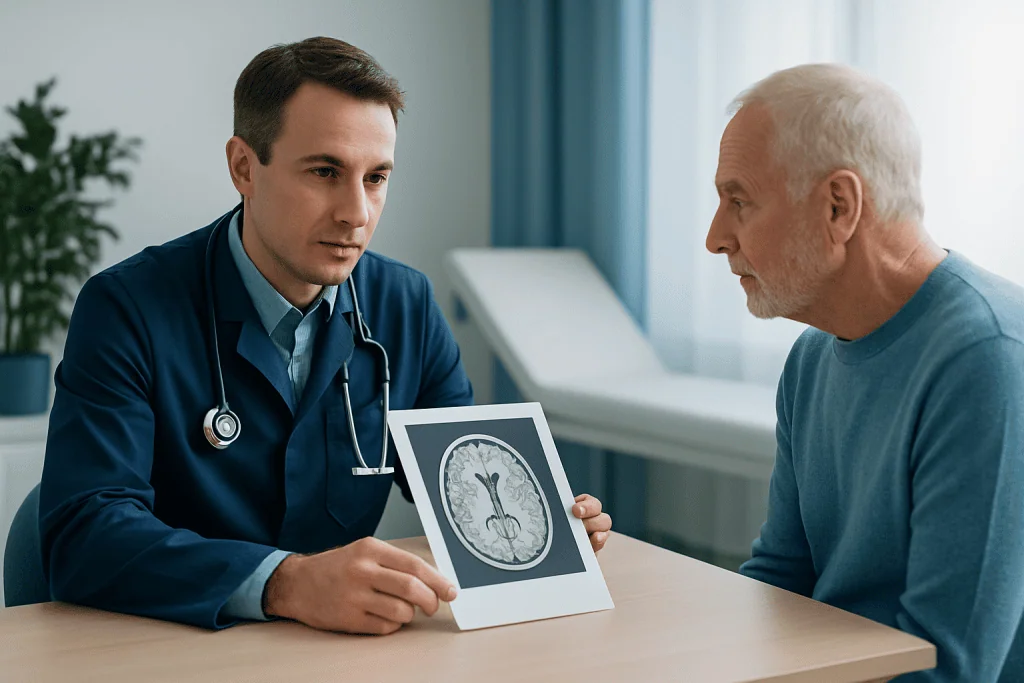
A stroke specialist’s role begins with rapid recognition. The doctor evaluates symptoms such as sudden weakness, facial drooping, trouble speaking, loss of balance, numbness, or sudden vision changes. They also consider when the symptoms started, because timing affects which treatments may still be helpful.
The specialist then interprets test results and decides on the safest treatment plan. In an ischemic stroke, the goal is to restore blood flow when possible. In a hemorrhagic stroke, the focus is on controlling bleeding, lowering the risk of more damage, and managing pressure inside the skull.
Stroke doctors also look for the cause of the event. A stroke may be linked to high blood pressure, heart rhythm problems such as atrial fibrillation, diabetes, high cholesterol, smoking, carotid artery disease, clotting problems, or other medical conditions. Understanding the cause helps guide treatment after the emergency phase and lowers the chance of another stroke or a transient ischemic attack.
After the immediate crisis, the stroke specialist often helps coordinate ongoing care. This may include medicines to prevent future strokes, advice on blood pressure and cholesterol management, referrals for rehabilitation, and follow-up imaging or heart tests when needed.
How do doctors diagnose a stroke quickly?
Stroke diagnosis starts with a focused history and neurological examination, but brain imaging is central. Doctors need to know whether a vessel is blocked or bleeding is present before choosing treatment. For that reason, urgent imaging is performed as soon as possible in people with suspected stroke.
A non-contrast CT scan is commonly the first test because it is fast and can quickly show many types of bleeding. MRI may provide more detailed information in some situations, especially for smaller or very early strokes, but CT is often the most practical initial scan in emergency care. Blood vessel imaging, such as CT angiography or MR angiography, may be used to identify a large vessel blockage.
Additional tests can help doctors understand why the stroke happened. These may include blood tests, an electrocardiogram to check heart rhythm, heart ultrasound, and ultrasound of the neck arteries. In many centers, advanced MRI imaging or CT scanning helps the team assess brain tissue and blood vessels in greater detail.
Because stroke symptoms can overlap with other conditions, the medical team may also consider stroke mimics. Seizures, migraines, low blood sugar, infections, and certain neurological disorders can sometimes resemble stroke. A careful assessment helps ensure the patient receives the most appropriate treatment.
What treatments might a stroke team provide?
Treatment depends on the type of stroke. For ischemic stroke, doctors may use clot-dissolving medicine in carefully selected patients who arrive within an appropriate treatment window and meet safety criteria. The goal is to restore blood flow before more brain tissue is injured. Not every patient is a candidate, so the stroke specialist balances possible benefit with bleeding risk.
Some people with a large blocked artery may benefit from mechanical thrombectomy, a procedure in which a specialist guides a catheter through the blood vessels to remove the clot. This is generally performed in specialized centers and is most useful for selected patients with certain blockages seen on imaging. The stroke specialist and imaging team decide whether this option is appropriate.
For hemorrhagic stroke, treatment focuses on stabilizing the patient and limiting further bleeding or swelling. Doctors may control blood pressure, reverse certain blood-thinning medicines when necessary, and monitor the patient closely in an intensive care or stroke unit. In specific cases, surgery or other procedures may be needed to relieve pressure or treat the source of bleeding, including care related to brain hemorrhage.
After the emergency phase, treatment turns toward preventing another stroke and supporting recovery. This may include medicines such as antiplatelet agents, anticoagulants for selected heart-related causes, cholesterol-lowering therapy, blood pressure management, diabetes care, and rehabilitation for movement, speech, thinking, or swallowing difficulties.
Recovery, rehabilitation, and follow-up care
Stroke recovery can begin very early, sometimes within the first day or two if the patient is medically stable. The care team assesses strength, balance, speech, swallowing, memory, mood, and daily functioning. These findings shape a personalized rehabilitation plan.
Rehabilitation may include physical therapy to improve mobility, occupational therapy to regain daily living skills, and speech-language therapy for communication or swallowing problems. Some patients need inpatient rehabilitation, while others recover through outpatient services or home-based therapy. Progress may continue for weeks, months, or longer.
Follow-up appointments are important because recovery is not only physical. Fatigue, emotional changes, depression, anxiety, and cognitive difficulties are also common after stroke. The stroke doctor or rehabilitation team can help identify these issues and recommend supportive care.
For international patients seeking coordinated care, Acibadem International’s multidisciplinary specialists and JCI-accredited hospitals provide stroke diagnosis, acute treatment, and rehabilitation planning according to individual needs.
When should someone seek urgent medical help?
Possible stroke symptoms should always be treated as an emergency. A person should seek immediate medical help for sudden weakness or numbness, especially on one side of the body; facial drooping; difficulty speaking or understanding speech; sudden vision loss or double vision; severe dizziness; loss of coordination; or a sudden severe headache unlike usual headaches.
The FAST method can help people remember common warning signs: Face drooping, Arm weakness, Speech difficulty, Time to call emergency services. Acting quickly is important because some treatments work best within a limited time window, and even patients who wake up with symptoms may still be candidates for treatment based on imaging findings.
People should not try to drive themselves if stroke is suspected. Emergency medical services can begin care on the way to the hospital and alert the stroke team in advance. This can save valuable time once the patient arrives.
Prevention also matters. Managing high blood pressure, diabetes, cholesterol, and heart disease; avoiding tobacco; limiting excess alcohol; being physically active; eating a balanced diet; and taking prescribed medicines correctly can all reduce stroke risk. Anyone with brief stroke-like symptoms, even if they resolve, should still be evaluated promptly because a transient ischemic attack can be a warning sign.
Frequently asked questions
Is a stroke doctor the same as a neurologist?
Often, yes. A stroke doctor is usually a neurologist, and more specifically may be a vascular neurologist with special expertise in stroke and blood vessel disorders of the brain. In emergency settings, this doctor often works as part of a larger stroke team.
What is a vascular neurologist?
A vascular neurologist is a doctor who specializes in diagnosing and treating strokes and other conditions involving the brain’s blood vessels. This specialist helps decide on urgent treatments, identifies the cause of stroke, and plans steps to prevent another event.
Who treats a stroke if surgery is needed?
If surgery or a procedure is needed, the stroke specialist may involve a neurosurgeon or an interventional neuroradiologist/endovascular specialist. The exact specialist depends on whether the problem is a blocked artery, bleeding, brain swelling, or another structural issue.
Can emergency room doctors treat stroke before a specialist arrives?
Yes. Emergency physicians begin the initial assessment, stabilize the patient, order urgent tests, and activate the stroke pathway. They work closely with the stroke specialist so treatment decisions can be made as quickly as possible.
How do doctors know if it is a stroke or something else?
Doctors combine the patient’s symptoms, neurological examination, timing of onset, and brain imaging results. Conditions such as seizures, migraines, low blood sugar, or infections can sometimes mimic stroke, so scans and other tests are important for an accurate diagnosis.
Do all stroke patients need rehabilitation?
Not all patients need the same level of rehabilitation, but many benefit from some type of therapy after stroke. The care team assesses movement, speech, swallowing, thinking, and daily activities to decide what support is needed.
References
- World Stroke Organization
- American Stroke Association
- National Institute of Neurological Disorders and Stroke
- Centers for Disease Control and Prevention
- European Stroke Organisation
This article is for general information only and is not a substitute for professional medical advice. Please consult a qualified doctor about your individual situation.
Joint and spine care in Turkey — expert assessment & treatment
JCI-accredited · board-certified surgeons · reply within 24h
Add us as a Preferred Source to see more of our trusted health content across Google Search, AI Overviews and Discover.
Check your numbers in seconds
BMI, calories, due date, blood pressure and 30+ more clinical calculators — free, instant, doctor-reviewed ranges.

More from the Health Library



Related Specialists
Prof. Dr. Gökşel Dikmen
Orthopedic Surgery & Traumatology
Assoc. Prof. Dr. Arzu Yurci
Gynecology & Obstetrics
Assoc. Prof. Dr. Süleyman Şahin
Medical Oncology
Assoc. Prof. Dr. Mustafa Taş
Gynecology & Obstetrics