

When Should You Arrive at the Hospital Before Your Procedure in Turkey?

When should you arrive at the hospital before your procedure in Turkey? Usually 2-3 hours early, but timing depends on tests, anesthesia, and check-in.
If you are having a procedure in Turkey, you will usually be asked to arrive earlier than the procedure itself starts. The right timing depends on your treatment plan, anesthesia, paperwork, and whether you need same-day tests, so it is best to follow your hospital’s exact instructions and build in extra time for traffic and check-in.
At a glance
- Typical arrival window: Often 2-3 hours before your procedure, unless your care team gives a different time
- Why you may need extra time: Registration, consent forms, blood tests, imaging, anesthesia review, and preparation
- If you have sedation or anesthesia: Arrive exactly as instructed and do not assume the procedure start time is your check-in time
- Best practice: Confirm your arrival time the day before and allow extra time for Istanbul traffic
- What to bring: Passport, reports, medication list, insurance/payment documents, and your coordinator’s contact
The short answer: arrive earlier than the procedure time
For most procedures in Turkey, you should expect to arrive at the hospital well before the scheduled start. In many cases, international patients are asked to check in around 2 to 3 hours early, but your exact timing may be shorter or longer depending on the type of procedure, whether you need anesthesia, and whether any final tests are planned on the same day.
This early arrival is not just administrative. Before your procedure begins, the hospital may need to verify your identity, review your medical history, confirm fasting instructions, complete consent forms, check your vital signs, and prepare you for treatment. If you are receiving sedation or general anesthesia, there is often an additional pre-anesthesia review.
If you are being treated at a large international hospital such as Acibadem International, your patient services team will usually tell you your check-in time separately from your procedure time. That distinction matters. The procedure may be scheduled for later, but your preparation starts as soon as you arrive.
Why hospitals ask you to come early
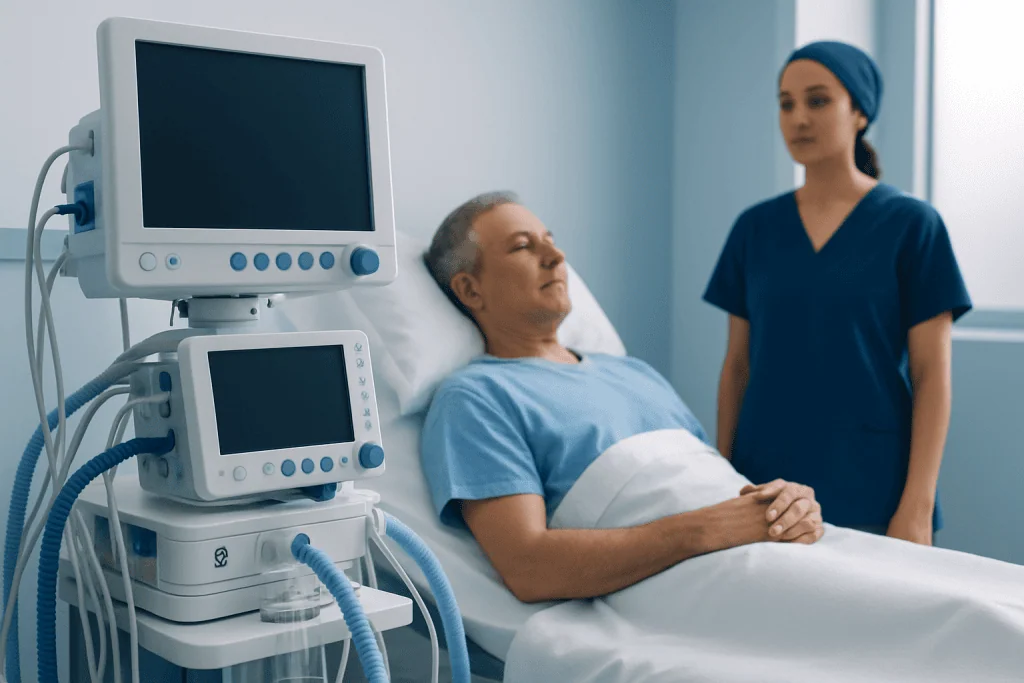
Hospitals plan early arrival to keep your day safe, organized, and less rushed. Even when everything has been arranged in advance, there are still several steps that need to happen in order. Arriving early gives the team enough time to complete those steps carefully without delaying your care.
You may need some or all of the following before your procedure:
- Registration and identity checks
- Review of your passport, reports, and treatment plan
- Consent forms and billing or insurance confirmation
- Blood tests, ECG, imaging, or other final assessments if ordered
- Meeting with the nurse and, if needed, the anesthesiologist
- Changing into hospital clothing and removal of jewelry, lenses, or dentures if advised
For international patients, language support can also be part of this process. At Acibadem International, interpreters and international patient coordinators often help you move through check-in, forms, and pre-procedure preparation more smoothly. That support is useful, but it still takes time, so it is wise not to cut your arrival too close.
What can change your arrival time

Not all procedures follow the same schedule. A simple day procedure with local anesthesia may require less preparation than a treatment involving sedation, general anesthesia, or an overnight stay. Your age, medical history, medications, and whether you have recent test results can also affect how early you need to be at the hospital.
For example, if you take blood thinners, insulin, or several regular medications, the team may need extra time to review them with you. If you have heart, lung, or kidney conditions, there may be additional safety checks. If your doctor requested same-day imaging or lab work, your arrival time may be earlier than usual.
Travel logistics matter too. In Istanbul especially, traffic can be unpredictable. Even if your hotel seems close to the hospital, the actual journey may take much longer at busy times. If your hospital is arranging transport or accommodation support, confirm pick-up details in advance and keep your coordinator’s number handy in case of delays.
How to plan your morning without stress
The easiest way to make the day go smoothly is to treat the hospital arrival time as fixed and build your whole morning around it. Do not plan breakfast, shopping, sightseeing, or a hotel change on the same morning unless your team has clearly said it is fine. If you were told to fast, follow those instructions exactly, including rules about water, chewing gum, or smoking.
Prepare your documents the night before so you are not searching for them in the lobby or car. Keep your passport, hospital confirmation, test reports, imaging discs or links, medication list, and payment or insurance paperwork together in one bag. Wear comfortable clothes that are easy to change out of, and leave valuables in your hotel safe when possible.
If you are nervous, that is normal. Large hospitals with international patient departments, such as Acibadem International, are used to helping patients who have just arrived in Turkey and may feel tired, jet-lagged, or unsure about the process. Let your coordinator know if you need an interpreter, wheelchair assistance, or support for an accompanying family member so it can be arranged ahead of time.
What happens after you arrive
Once you arrive, the hospital team will guide you through several checkpoints. First comes registration, where your identity and appointment details are confirmed. After that, you may be taken to a waiting area, day unit, or inpatient floor depending on the type of procedure.
A nurse usually reviews your medical information, allergies, medications, and last food or drink intake. Your vital signs may be checked, and you may change into a gown if needed. If anesthesia is involved, the anesthesiologist or anesthesia team may speak with you, review any questions, and confirm your plan before you go to the procedure area.
Try not to worry if there is a period of waiting even after you have checked in on time. This does not necessarily mean something is wrong. Hospitals coordinate many moving parts, and your early arrival gives the team the flexibility to keep your care safe. If you are unsure what is happening, ask your nurse or international patient representative for an update.
When to contact the hospital immediately
You should contact the hospital as soon as possible if you think you may be late, if you accidentally ate or drank despite fasting instructions, or if you developed a new illness such as fever, vomiting, cough, or breathing symptoms before your procedure. These details can affect whether it is safe to continue as planned, especially if anesthesia is involved.
It is also important to call if your medications changed suddenly, if you forgot a key document, or if transport problems are likely to delay you. Hospitals would much rather know early than have you arrive unexpectedly late or unprepared. Your coordinator can often advise you on the next step and, in some cases, help with rescheduling logistics if needed.
If you are receiving care through Acibadem International, your international patient team can usually help bridge communication between departments, transport services, and your family or companion. Keep their contact details saved in your phone and written down separately in case your battery runs low while traveling.
Step by step
- Read your hospital instructions carefully. Look for your arrival time, not just your procedure time. Check whether there are fasting rules, medication instructions, or same-day tests that affect when you need to be there.
- Confirm the exact time the day before. Message or call your coordinator to confirm when and where you should check in. This is especially helpful if your schedule changed after consultation or if you are traveling between hotel and hospital in a busy city.
- Prepare documents and essentials the night before. Pack your passport, reports, scans, medication list, and hospital contact details in one place. Choose comfortable clothing and keep valuables to a minimum so the morning feels simpler.
- Allow extra travel time. Plan to leave earlier than you think you need to, especially in Istanbul. Traffic, weather, building entry procedures, or finding the right department can all add time.
- Check in and complete pre-procedure steps. After arrival, you may go through registration, forms, nursing assessment, and anesthesia review. Even if these feel routine, they are important parts of making sure your procedure is carried out safely.
- Ask questions before you go into the procedure area. If you are unsure about the plan, recovery process, or what your companion should do, ask before you are taken in. This is also the right time to mention allergies, recent symptoms, or any concern that has come up since your last consultation.
Your checklist
- Confirm your hospital arrival time and department location
- Follow fasting instructions exactly, if given
- Bring your passport or ID and appointment confirmation
- Pack your medical reports, imaging, and medication list
- Leave early and allow extra time for traffic
- Wear comfortable, easy-to-change clothing
- Keep your coordinator’s phone number with you
- Tell the hospital immediately if you are unwell or running late
Key takeaways
- Most patients should arrive before the procedure start time, often by 2-3 hours unless told otherwise.
- Your exact timing depends on anesthesia, tests, paperwork, and your medical history.
- In Istanbul, traffic can add significant delay, so plan extra travel time.
- Follow the hospital’s fasting and medication instructions carefully and call if anything changes.
- International patient teams, including at Acibadem International, can help with interpreters, logistics, and day-of-arrival coordination.
Frequently asked questions
Is 2 hours early enough for a procedure in Turkey?
Often, yes, but not always. Two hours may be enough for some day procedures, while others require more time for tests, anesthesia review, or admission, so you should always follow the hospital’s specific instructions.
Should I arrive at the hospital at the procedure time or before it?
You should usually arrive before it. The procedure time is typically when the medical team plans to begin treatment, while your check-in, assessment, and preparation happen earlier.
What if I am late because of traffic in Istanbul?
Call the hospital or your international patient coordinator as soon as you realize you may be delayed. They can advise whether you should continue to come in, whether your schedule can be adjusted, or whether the procedure needs to be reviewed for safety reasons.
Do I need to arrive earlier if I will have anesthesia?
Usually yes. Anesthesia often requires extra preparation, including fasting confirmation, a nursing review, and sometimes a discussion with the anesthesiologist before the procedure begins.
Can my companion come with me during check-in?
In many cases, yes, at least for part of the check-in process, but hospital policies vary by department and procedure type. If you are an international patient, it helps to ask in advance whether your companion can stay with you before the procedure and where they should wait afterward.
What documents should I bring on the day of the procedure?
Bring your passport or ID, appointment details, medical reports, imaging results if you have them, and a list of your medicines and allergies. You may also need insurance or payment documents, so ask your coordinator what is required for your case.
Will the hospital tell me exactly when to arrive?
Yes, you should receive a specific arrival or admission time from the hospital or your coordinator. If that message is unclear, contact them before the day of your procedure rather than making an assumption.
Add us as a Preferred Source to see more of our trusted health content across Google Search, AI Overviews and Discover.
More Patient Guides
How to Prepare for Your First Night in Hospital in Turkey
First night in hospital in Turkey: pack light, bring key documents, confirm your companion plan, and know what to expect on arrival…
8 min read
Staying Connected During Treatment in Turkey: SIM Cards, Wi-Fi, and Useful Apps
Staying connected during treatment in Turkey is easiest with airport Wi-Fi, an eSIM or local SIM, and a few essential apps for…
8 min read
Meals in Turkish Hospitals: What International Patients Can Expect
Meals in Turkish hospitals are planned for your medical needs, with dietary options, timing guidance, and practical help for international patients in…
8 min read