

Neurosarcoidosis or Infection? When a Second Opinion May Help Clarify the Diagnosis

Neurosarcoidosis can closely resemble infections of the nervous system. Accurate diagnosis matters because treatments for inflammation and infection are very different.
Key Takeaways
- Neurosarcoidosis can closely resemble infections of the nervous system.
- Accurate diagnosis matters because treatments for inflammation and infection are very different.
- A second opinion may help review scans, laboratory results, and biopsy findings in complex cases.
- Doctors often use a combination of imaging, spinal fluid testing, blood tests, and sometimes tissue biopsy.
- Urgent medical review is important for new weakness, seizures, severe headache, confusion, or vision changes.
Neurosarcoidosis and infections affecting the brain, spinal cord, or nerves can cause similar symptoms and imaging findings. Because treatment differs greatly, a second opinion may be helpful when the diagnosis is uncertain or when symptoms do not improve as expected.
Overview
Neurosarcoidosis is a form of sarcoidosis that affects the nervous system. Sarcoidosis is an inflammatory condition in which clusters of immune cells, called granulomas, can develop in different parts of the body. When this process involves the brain, spinal cord, cranial nerves, or peripheral nerves, symptoms can overlap with those caused by infections, autoimmune disorders, and other neurological conditions.
This overlap is one reason diagnosis can be challenging. A person may develop headaches, facial weakness, numbness, balance problems, seizures, changes in vision, or spinal cord symptoms. Similar problems may also occur with infections such as tuberculosis, fungal infections, Lyme disease, viral meningitis or encephalitis, and other causes of inflammation in the central nervous system.
The distinction is important because treatment pathways differ. Neurosarcoidosis is usually treated by reducing harmful inflammation, often with corticosteroids or other immune-modulating medicines. Infections, however, may require antibiotics, antiviral drugs, or antifungal treatment, and suppressing the immune system before infection is excluded can be risky.
When the clinical picture is unclear, a second opinion may help bring together neurology, infectious diseases, radiology, pathology, and immunology expertise. Careful review of symptoms, body-wide findings, imaging, spinal fluid, and biopsy results can improve confidence in the diagnosis and support safer treatment decisions.
Why These Conditions Can Be Confused
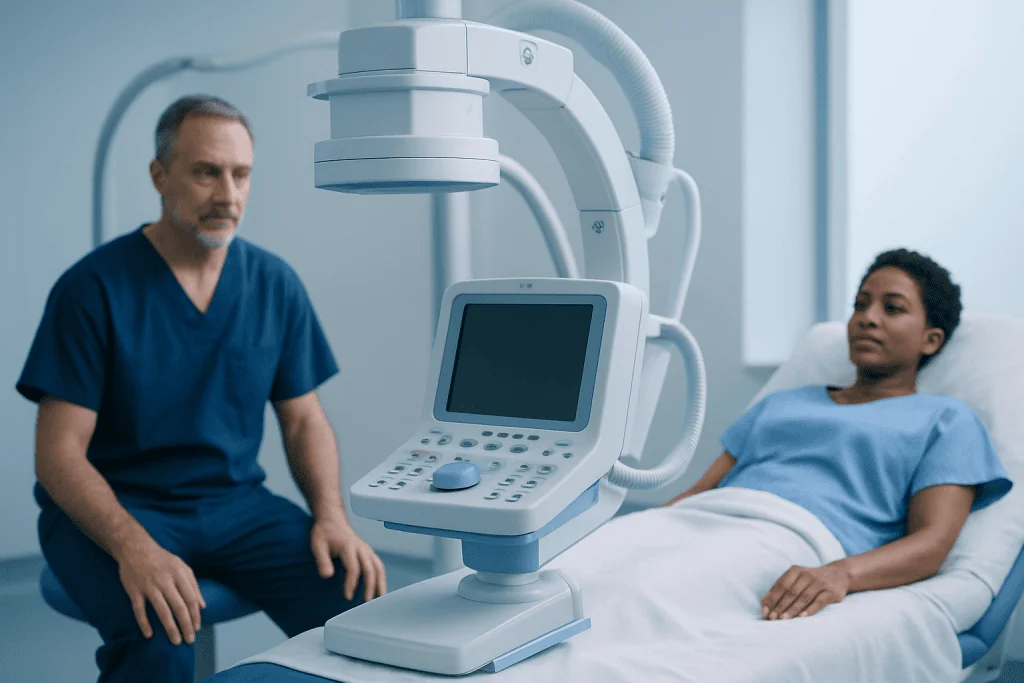
Neurosarcoidosis is sometimes called a “great imitator” because it can affect many parts of the nervous system and produce a wide range of symptoms. MRI changes may show inflammation around the brain, spinal cord, meninges, or cranial nerves. Infections can create very similar patterns, especially when they also involve the meninges or form inflammatory masses.
Doctors do not usually rely on one test alone. Blood markers may be nonspecific, and even spinal fluid testing can show general inflammation rather than one clear cause. In both infection and neurosarcoidosis, cerebrospinal fluid may show increased protein, immune cells, or other abnormalities. Imaging can strongly suggest a pattern, but it may not always provide a definitive answer.
Another challenge is that sarcoidosis often affects organs outside the nervous system, such as the lungs, lymph nodes, skin, or eyes. If those features are subtle or absent, recognizing the underlying inflammatory disorder becomes harder. Conversely, some infections can also involve several organ systems and mimic sarcoidosis clinically or on scans.
A second opinion is especially valuable when there are mixed signals, unusual MRI findings, incomplete improvement with treatment, or concern that an immune-suppressing medication might worsen an undetected infection. In these situations, reassessment can help confirm whether the working diagnosis remains the best fit.
Symptoms and Signs Doctors Evaluate
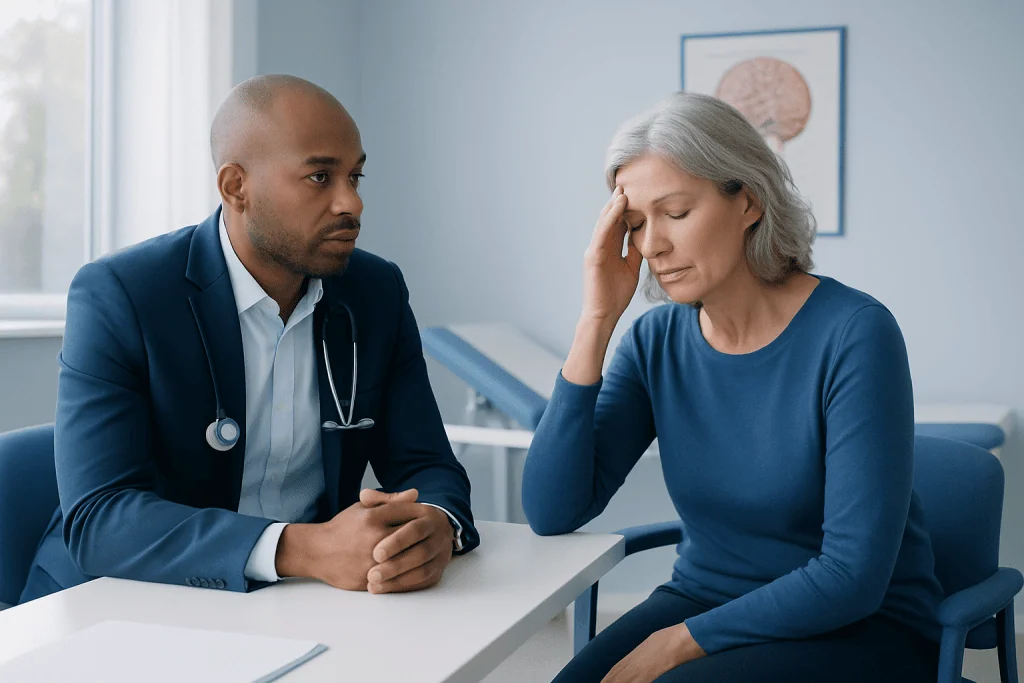
Symptoms of neurosarcoidosis depend on the part of the nervous system involved. Some people develop chronic headaches, double vision, hearing changes, facial droop, swallowing problems, numbness, or weakness. Others have memory changes, mood changes, seizures, or symptoms caused by spinal cord inflammation, such as difficulty walking or problems with bladder control.
Infections affecting the nervous system can cause many of the same features. Fever, neck stiffness, severe headache, or a recent illness may point toward infection, but these are not always present. Some infections develop slowly and can look more like an inflammatory disease than an acute illness.
Doctors often look for clues outside the nervous system. For sarcoidosis, they may ask about cough, shortness of breath, skin rashes, painful red bumps, eye inflammation, or enlarged lymph nodes. For infection, they may review travel history, tick exposure, immune status, contact with tuberculosis, recent surgeries, or medications that affect immunity.
Important symptoms and findings may include:
- Persistent headache or new severe headache
- Weakness, numbness, or balance problems
- Facial paralysis or other cranial nerve symptoms
- Vision changes, eye pain, or hearing loss
- Seizures, confusion, or changes in behavior
- Back pain, leg stiffness, or bladder and bowel symptoms
- Fever, weight loss, cough, rash, or other systemic symptoms
How the Diagnosis Is Made
Diagnosing neurosarcoidosis usually requires a step-by-step approach. Doctors begin with a detailed medical history and neurological examination, followed by imaging such as MRI of the brain and/or spine with contrast. MRI can show inflammation in the meninges, cranial nerves, pituitary region, spinal cord, or brain tissue, but these findings are not unique to sarcoidosis.
Laboratory testing may include blood studies to look for signs of inflammation, infection, or organ involvement elsewhere in the body. Chest imaging can be helpful because the lungs and lymph nodes are common sites of sarcoidosis. If there is concern for infection, doctors may order targeted tests based on the person’s history, exposures, and immune status.
A lumbar puncture, also called a spinal tap, may provide additional information. Cerebrospinal fluid can be checked for white blood cells, protein, glucose, cultures, and specialized tests for bacteria, viruses, fungi, or tuberculosis. These results can narrow the possibilities, though they may still not be fully conclusive.
Whenever possible, tissue biopsy remains an important way to support the diagnosis of sarcoidosis and rule out infection or malignancy. Doctors often prefer to biopsy a safer, more accessible site outside the nervous system, such as a lymph node, skin lesion, or lung tissue, if abnormalities are present. In selected cases, advanced evaluation with MRI imaging and lumbar puncture may be part of the diagnostic pathway, alongside assessment for conditions such as sarcoidosis.
When a Second Opinion May Be Helpful
A second opinion can be useful any time a diagnosis remains uncertain, but it may be especially important in neuroinflammatory and neuroinfectious conditions. This is because symptoms may evolve over time, tests may need reinterpretation, and treatment decisions can carry meaningful risks. Before starting long-term immune suppression, many clinicians want the strongest possible evidence that infection has been carefully excluded.
Patients and families may consider seeking another review if the diagnosis was based on limited data, if MRI findings seem atypical, or if the person has not improved as expected. A second opinion may also help when spinal fluid results are borderline, biopsy findings are unclear, or different specialists have offered different explanations.
In many cases, the value of a second opinion lies not in repeating every test, but in integrating the whole picture. Neuroradiologists may reassess imaging patterns, pathologists may revisit biopsy slides, and infectious disease specialists may suggest additional tests based on travel, immune status, or environmental exposures. This multidisciplinary approach can sharpen the diagnosis and sometimes reveal an alternative explanation.
A specialist center may also look for related disorders that can resemble neurosarcoidosis or infection, including multiple sclerosis, vasculitis, autoimmune encephalitis, lymphoma, and other granulomatous diseases. If needed, evaluation may expand to include tests connected with PET/CT imaging or consultation for difficult inflammatory conditions that overlap with multiple sclerosis.
Treatment Options After the Cause Is Clarified
Treatment depends on the underlying diagnosis. If neurosarcoidosis is confirmed or strongly suspected after careful evaluation, the main goal is to control inflammation and prevent lasting nerve damage. Corticosteroids are often used first, and some people may need other immune-modulating medicines if symptoms are severe, prolonged, or difficult to control.
If an infection is identified, treatment focuses on the specific organism. That may mean antibiotics, antiviral medicines, antifungal therapy, or treatment for tuberculosis, depending on the cause. In some situations, supportive hospital care is also needed, especially if symptoms affect consciousness, breathing, or spinal cord function.
Follow-up is important in either case. Doctors usually monitor symptoms, examination findings, repeat imaging, and sometimes laboratory markers to see whether the condition is improving. Because the nervous system can recover slowly, progress may need to be judged over weeks or months rather than days.
When cases are complex, coordinated care from neurology, infectious diseases, pulmonology, rheumatology, ophthalmology, and radiology may be helpful. Near the end of a patient’s diagnostic journey, some may choose review at centers such as Acibadem International, where multidisciplinary specialists in JCI-accredited hospitals evaluate and treat international patients with challenging neurological and inflammatory conditions.
Self-care, Monitoring, and When to Seek Medical Attention
People being evaluated for neurosarcoidosis or infection should keep a clear record of symptoms, test results, medications, and how symptoms change over time. This can help doctors recognize patterns and assess whether treatment is working. It is also wise to share any history of travel, tick bites, animal exposure, immune-suppressing medications, or past infections, as these details may influence testing.
Self-care during evaluation focuses on general health and safety. Rest, hydration, and adherence to follow-up appointments are important. Patients should not start, stop, or change steroid or antibiotic treatment without medical guidance, because these medicines can affect both symptoms and test interpretation.
Urgent medical attention is needed for warning signs such as sudden weakness, new trouble speaking, severe or rapidly worsening headache, seizures, fainting, confusion, high fever, trouble breathing, loss of vision, or new bladder and bowel problems. These symptoms do not always mean a serious emergency, but they should be assessed promptly.
Even when symptoms are stable, ongoing review is important if the diagnosis remains uncertain. A doctor may recommend repeat MRI, repeat spinal fluid testing, chest imaging, or additional biopsy depending on how the condition evolves. The goal is to reach the most accurate diagnosis possible while avoiding delays in necessary treatment.
Frequently asked questions
What is the difference between neurosarcoidosis and a nervous system infection?
Neurosarcoidosis is an inflammatory condition linked to sarcoidosis, while a nervous system infection is caused by bacteria, viruses, fungi, or other organisms. The symptoms can overlap, but the underlying cause and treatment are different. That is why careful testing is needed before treatment is finalized.
Why can neurosarcoidosis be mistaken for infection?
Both conditions can cause headaches, weakness, cranial nerve problems, seizures, and abnormal MRI or spinal fluid findings. In some cases, neither symptoms nor scans are specific enough to clearly separate one from the other. Doctors often need to combine imaging, laboratory tests, and biopsy information to improve accuracy.
When should someone seek a second opinion?
A second opinion may help if the diagnosis is uncertain, if test results seem conflicting, or if symptoms do not improve with treatment. It may also be useful before starting long-term immune-suppressing therapy, especially if infection has not been fully excluded. Many patients seek another review simply for reassurance in a complex situation.
Can MRI alone diagnose neurosarcoidosis?
No, MRI is very helpful but usually cannot confirm neurosarcoidosis by itself. MRI can show patterns of inflammation, but similar findings can occur with infection, autoimmune disease, or cancer. Doctors usually interpret MRI together with the clinical history, spinal fluid studies, and sometimes biopsy results.
Is a biopsy always necessary?
Not always, but biopsy can provide very important evidence when the diagnosis is uncertain. If possible, doctors often prefer to biopsy a safer site outside the nervous system, such as a lymph node, skin lesion, or lung tissue. The decision depends on what abnormalities are present and how much diagnostic certainty is needed.
What symptoms require urgent medical care?
Urgent care is important for seizures, confusion, sudden weakness, severe headache, vision loss, trouble speaking, or new bladder and bowel problems. High fever, neck stiffness, or rapidly worsening symptoms also need prompt assessment. These signs can occur in several neurological emergencies and should not be ignored.
References
- National Institute of Neurological Disorders and Stroke
- National Institute of Arthritis and Musculoskeletal and Skin Diseases
- Centers for Disease Control and Prevention
- World Health Organization
- American Academy of Neurology
This article is for general information only and is not a substitute for professional medical advice. Please consult a qualified doctor about your individual situation.
Neurosarcoidosis in Turkey — costs, top hospitals & a free quote
JCI-accredited · board-certified surgeons · reply within 24h
Add us as a Preferred Source to see more of our trusted health content across Google Search, AI Overviews and Discover.

More from the Health Library

Related Specialists
Prof. Dr. Ali Tekin
Urology
Dr. Ahmet Gürkan Uzun
General Surgery
Dr. Münür Selçuk Kendir
Aesthetic Plastic & Reconstructive Surgery
Dr. Ezgi Darıcı
Gynecology & Obstetrics