Microsleep Episodes: Hidden Sleep Attacks That Can Signal a Neurological Sleep Disorder
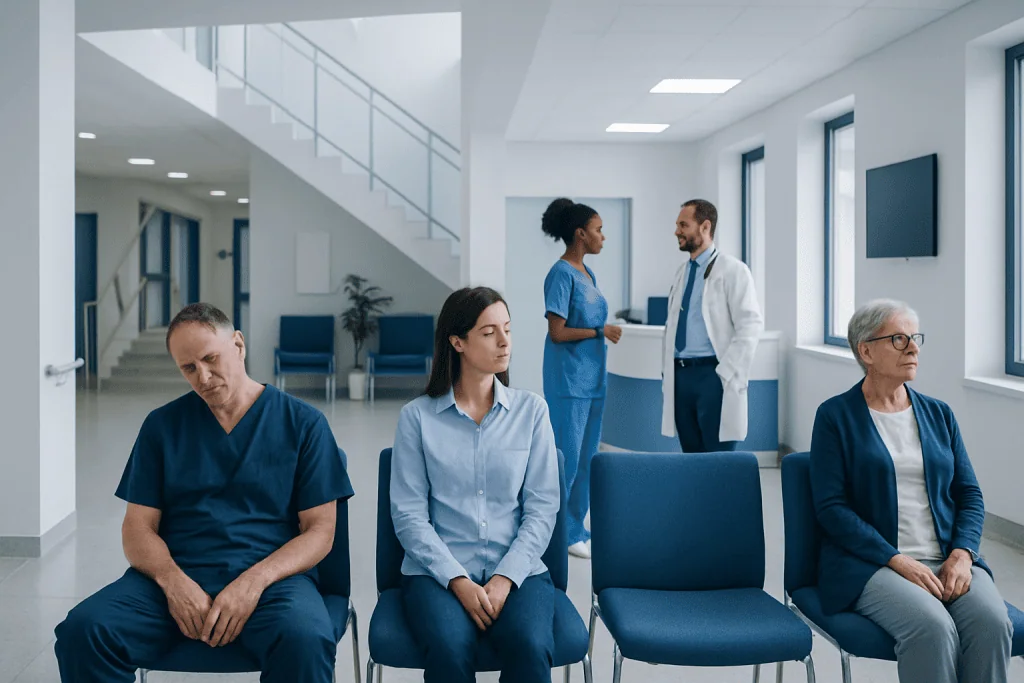
Microsleep episodes are brief lapses into sleep that can happen even when a person tries to stay awake. Common triggers include sleep deprivation, shift work, untreated sleep disorders, sedating medicines, and alcohol.
Key Takeaways
- Microsleep episodes are brief lapses into sleep that can happen even when a person tries to stay awake.
- Common triggers include sleep deprivation, shift work, untreated sleep disorders, sedating medicines, and alcohol.
- Recurrent microsleep can be a warning sign of conditions such as obstructive sleep apnea, narcolepsy, or circadian rhythm problems.
- Diagnosis usually involves a sleep history, physical examination, and sometimes overnight sleep testing and daytime sleep studies.
- Treatment focuses on the underlying cause and may include sleep habit changes, disorder-specific treatment, and safety planning.
Microsleep episodes are very short periods of sleep that happen without intending to fall asleep, often lasting only a few seconds. Although they can occur after too little sleep, repeated episodes may point to an underlying neurological sleep disorder that deserves medical attention.
Overview of Microsleep Episodes
Microsleep episodes are very brief periods of sleep or near-sleep that occur suddenly and unintentionally. They often last just a few seconds, and the person may not fully realize they happened. During a microsleep, attention drops sharply, awareness fades, and the brain temporarily shifts toward sleep even though the person may still appear awake.
These episodes are most likely when the brain is fighting strong sleep pressure. This can happen after insufficient sleep, prolonged wakefulness, night shifts, or poor-quality sleep. Microsleep is not simply feeling tired; it is a short loss of alertness that can interrupt normal thinking, reaction time, and awareness of the surroundings.
Microsleep matters because it can affect safety, learning, work performance, and everyday function. It can happen while reading, watching television, attending meetings, or sitting quietly, but it may also occur during driving or operating machinery. In some people, repeated episodes are a clue that a medical sleep condition is interfering with healthy, restorative sleep.
Symptoms and Warning Signs
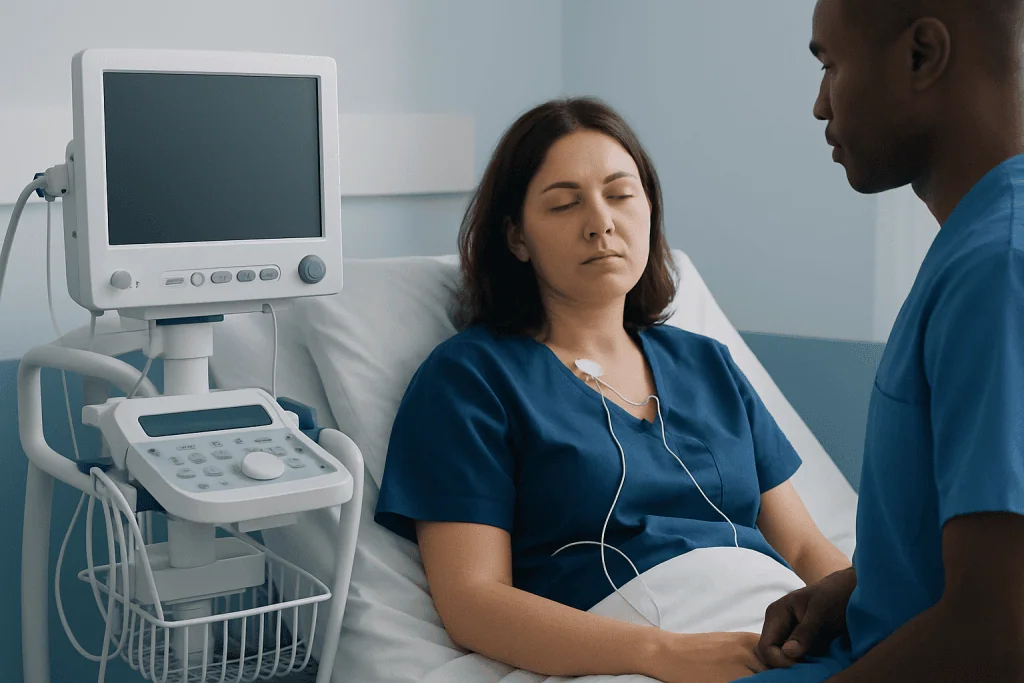
The main feature of microsleep episodes is a brief, involuntary lapse in wakefulness. A person may stare blankly, stop responding for a moment, lose track of a conversation, miss a turn while driving, or suddenly jerk awake. Because these pauses are so short, they may be mistaken for distraction or daydreaming.
People who experience microsleep often also have symptoms of excessive daytime sleepiness. They may struggle to keep their eyes open, blink slowly, yawn frequently, feel mentally foggy, or have trouble focusing on tasks. Some notice that they cannot remember a few seconds of what just happened, especially during repetitive or quiet activities.
Other clues can suggest an underlying sleep disorder rather than simple fatigue. These may include loud snoring, witnessed pauses in breathing during sleep, waking unrefreshed, morning headaches, sudden muscle weakness triggered by emotions, vivid dream-like experiences at sleep onset, or a strong urge to nap during the day. These associated symptoms can help guide medical evaluation.
- Brief lapses in attention or responsiveness
- Heavy eyelids and repeated yawning
- Momentary head nodding or jerking awake
- Difficulty remembering the last few seconds
- Poor concentration, slower reactions, and mental fog
Causes and Risk Factors
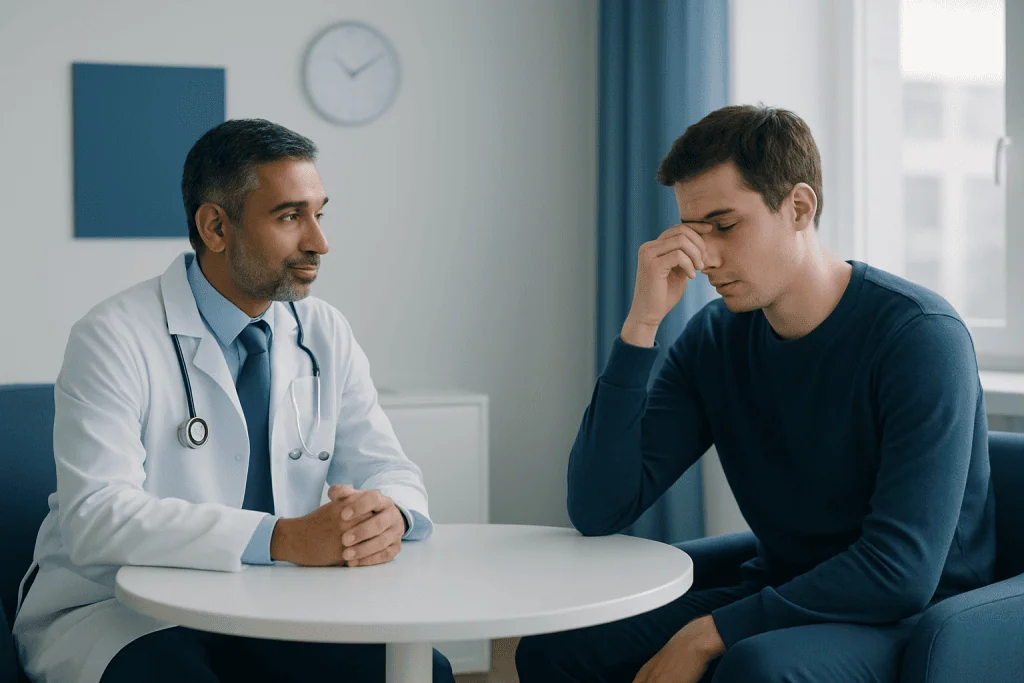
The most common cause of microsleep episodes is sleep deprivation. When a person regularly gets too little sleep, the brain builds a strong need for rest, and short sleep intrusions can occur during the day. Even one night of significantly reduced sleep can affect alertness, but ongoing sleep restriction is especially risky.
Microsleep can also be linked to sleep disorders that fragment sleep or cause excessive daytime sleepiness. Examples include narcolepsy, obstructive sleep apnea, restless legs syndrome, and circadian rhythm sleep-wake disorders. In these conditions, a person may spend enough time in bed yet still not achieve healthy, restorative sleep.
Additional risk factors include shift work, jet lag, long monotonous drives, certain medications, alcohol, and medical or mental health conditions that disrupt sleep. Sedating medicines, including some antihistamines, anti-anxiety drugs, sleep medications, and certain pain treatments, may reduce alertness. People with irregular sleep schedules, untreated depression, or chronic stress may also be more vulnerable.
Not every brief lapse in attention is microsleep, and not every episode means a neurological disease is present. Still, recurrent hidden sleep attacks should not be ignored, especially if they interfere with work, school, relationships, or safety. A proper evaluation can help distinguish ordinary sleep loss from a treatable sleep disorder.
How Microsleep Episodes Are Diagnosed
Diagnosis begins with a careful medical and sleep history. A doctor will usually ask about bedtime habits, total sleep time, snoring, breathing pauses, daytime sleepiness, work schedule, medication use, alcohol intake, and any safety incidents such as nodding off while driving. A bed partner’s observations can be very helpful because many sleep-related behaviors happen without the person’s awareness.
A physical examination may look for signs that raise suspicion for a sleep disorder, such as enlarged tonsils, nasal obstruction, obesity, or certain neurological findings. Doctors may also review conditions that can worsen sleepiness, including thyroid problems, mood disorders, chronic pain, or medication side effects. Sometimes patients are asked to keep a sleep diary or use a wearable device to track sleep-wake patterns over time.
If a sleep disorder is suspected, formal testing may be recommended. An overnight sleep study, called polysomnography, can assess breathing, oxygen levels, heart rhythm, brain activity, and limb movements during sleep. A daytime test called a multiple sleep latency test may be used after overnight monitoring to measure how quickly a person falls asleep and whether they enter dream sleep unusually fast, which can help identify disorders such as narcolepsy.
Diagnosis is not based on one symptom alone. The goal is to understand why the brain is becoming sleepy at the wrong time and to identify any underlying condition that can be treated. This step is especially important when microsleep episodes are frequent, unexplained, or associated with safety concerns.
Treatment Options
Treatment depends on the cause. If microsleep episodes are due to insufficient sleep, the first step is restoring adequate, regular sleep. Many adults need a consistent sleep schedule, enough time in bed, and changes that improve sleep quality. Reducing alcohol near bedtime and reviewing sedating medications with a doctor may also help.
When a sleep disorder is found, treatment focuses on that condition. For example, people with sleep apnea may benefit from sleep apnea treatment to keep the airway open during sleep and improve daytime alertness. Those with narcolepsy or other hypersomnia disorders may need a tailored plan that combines structured sleep habits, scheduled naps, and medications prescribed by a sleep specialist.
Behavioral strategies can also reduce the risk of microsleep. These may include avoiding long periods of monotonous activity when sleepy, taking breaks during driving, planning important tasks for the most alert parts of the day, and addressing shift-work challenges. In some cases, a doctor may recommend a broader sleep disorder treatment plan that includes sleep testing results, symptom monitoring, and long-term follow-up.
For international patients who need specialized evaluation, Acibadem International’s multidisciplinary specialists and JCI-accredited hospitals diagnose and treat neurological and sleep-related conditions in a coordinated way. The best treatment plan is individualized and should be guided by a qualified clinician rather than self-diagnosis.
Prevention and Self-care
Prevention begins with protecting sleep as a basic health need. Going to bed and waking up at consistent times helps support the body’s natural sleep-wake rhythm. Creating a calm sleep environment, limiting caffeine late in the day, reducing screen exposure before bed, and allowing enough time for sleep can all improve daytime alertness.
People who work shifts or travel across time zones may need extra planning. Strategic light exposure, gradual schedule adjustments, and timing of naps can sometimes reduce the mismatch between work demands and the body’s internal clock. A sleep specialist can help if these disruptions are persistent or severe.
Self-care also includes recognizing when tiredness has become unsafe. If a person feels drowsy while driving, the safest action is to stop driving and rest rather than trying to push through. Short-term tricks such as opening a window or turning up music do not reliably prevent microsleep when sleep pressure is strong.
- Keep a regular sleep schedule every day when possible
- Aim for enough nightly sleep for age and health needs
- Limit alcohol and discuss sedating medicines with a doctor
- Take drowsiness seriously during driving or machine use
- Seek medical advice if sleepiness is frequent or unexplained
When to See a Doctor
Medical advice is important if microsleep episodes happen repeatedly, interfere with daily life, or create safety risks. A person should not ignore daytime sleepiness that causes missed conversations, trouble working, falling asleep in passive situations, or near-accidents. Recurrent hidden sleep attacks are not considered normal, even in a busy lifestyle.
Prompt evaluation is especially important when microsleep is accompanied by loud snoring, observed breathing pauses, choking during sleep, sudden sleep attacks, vivid hallucinations around sleep, sleep paralysis, or sudden loss of muscle tone with strong emotions. These features can suggest a more specific sleep disorder that may benefit from targeted treatment.
Children, older adults, and people with complex medical conditions may show sleep problems differently, so family observations can be valuable. If there has been an accident or a close call related to drowsiness, the person should stop driving or operating hazardous equipment until evaluated. Early diagnosis can improve both safety and quality of life.
Frequently asked questions
What is the difference between feeling sleepy and having a microsleep episode?
Feeling sleepy means a person is tired and struggling to stay alert. A microsleep episode is a brief, involuntary lapse into sleep or near-sleep, often lasting only seconds. During that moment, awareness and reaction time can drop sharply.
Can microsleep episodes happen with eyes open?
Yes, they can. In some cases, a person may appear to be awake, with eyes partly or fully open, but the brain briefly slips into a sleep state. This is one reason microsleep can be hard to notice without careful attention.
Are microsleep episodes dangerous?
They can be dangerous, especially during driving, using machinery, or other activities that require constant attention. Even a few seconds of reduced awareness can increase the risk of mistakes or accidents. Recurrent episodes should be medically evaluated.
Do microsleep episodes always mean narcolepsy?
No. Narcolepsy is one possible cause, but many microsleep episodes are related to sleep deprivation, shift work, sleep apnea, medication effects, or other sleep disorders. A sleep specialist can help determine the underlying reason.
How are microsleep episodes tested?
Doctors usually start with a sleep history, symptom review, and physical examination. They may recommend an overnight sleep study and, in some cases, a daytime sleepiness test to measure how quickly a person falls asleep. Sleep diaries or actigraphy may also be used.
Can improving sleep habits stop microsleep episodes?
Sometimes, yes, especially when poor sleep or an irregular schedule is the main cause. However, if episodes continue despite good sleep habits, an underlying disorder may be present. Ongoing or unexplained daytime sleepiness should be assessed by a qualified doctor.
References
- American Academy of Sleep Medicine
- National Institute of Neurological Disorders and Stroke
- National Heart, Lung, and Blood Institute
- Centers for Disease Control and Prevention
- Mayo Clinic
This article is for general information only and is not a substitute for professional medical advice. Please consult a qualified doctor about your individual situation.
Explore treatments in Turkey — costs, top hospitals & a free quote
JCI-accredited · board-certified surgeons · reply within 24h
Add us as a Preferred Source to see more of our trusted health content across Google Search, AI Overviews and Discover.