Dumping Syndrome After Gastric Sleeve: Symptoms, Triggers, and Relief

Dumping syndrome may cause symptoms soon after eating or 1 to 3 hours later. Sugary foods, refined carbohydrates, large meals, and liquids taken with meals are common triggers.
Key Takeaways
- Dumping syndrome may cause symptoms soon after eating or 1 to 3 hours later.
- Sugary foods, refined carbohydrates, large meals, and liquids taken with meals are common triggers.
- Most people feel better with small frequent meals, balanced nutrition, and mindful eating habits.
- Persistent symptoms should be assessed to rule out dehydration, nutritional issues, or other digestive problems.
- Medical treatment is available when diet changes alone do not control symptoms.
Dumping syndrome after gastric sleeve can happen when food, especially sugar-rich or high-carbohydrate meals, moves too quickly from the stomach into the small intestine. It often improves with careful meal planning, slower eating, and medical guidance when symptoms persist.
Overview
Dumping syndrome after gastric sleeve is a group of symptoms that can occur when food leaves the stomach too quickly and enters the small intestine faster than the body can comfortably handle. Although it is more commonly discussed after gastric bypass, it can also happen after sleeve gastrectomy because the stomach is smaller and empties differently than before surgery.
There are two main patterns. Early dumping usually starts within 10 to 30 minutes after eating and is linked to rapid movement of food and fluid shifts in the intestine. Late dumping usually happens 1 to 3 hours after a meal and is related to a quick rise in blood sugar followed by a drop, sometimes called reactive hypoglycemia.
For many people, symptoms are mild and improve over time as eating habits become more tailored to the new stomach. Learning which foods trigger symptoms and how to structure meals is often the most effective first step in relief during gastric sleeve recovery.
Symptoms

Symptoms can vary from person to person. Some notice digestive discomfort soon after meals, while others mainly feel weak, shaky, or lightheaded later. The timing of symptoms often helps doctors tell whether the episode is early or late dumping syndrome.
Early dumping syndrome may include nausea, abdominal cramping, bloating, diarrhea, a feeling of fullness, flushing, sweating, a rapid heartbeat, or dizziness shortly after eating. These symptoms can feel unsettling, but they often reflect the body responding to rapid stomach emptying rather than a dangerous emergency.
Late dumping syndrome more often involves low-blood-sugar-type symptoms, such as shakiness, hunger, weakness, sweating, trouble concentrating, or faintness a few hours after eating. Some people feel tired or “foggy” rather than having obvious digestive symptoms.
- Symptoms within 10 to 30 minutes may suggest early dumping.
- Symptoms 1 to 3 hours after meals may suggest late dumping.
- Episodes are often linked to sweet foods, simple carbohydrates, or eating too quickly.
- Keeping a symptom and food diary can help identify patterns.
Causes and Common Triggers
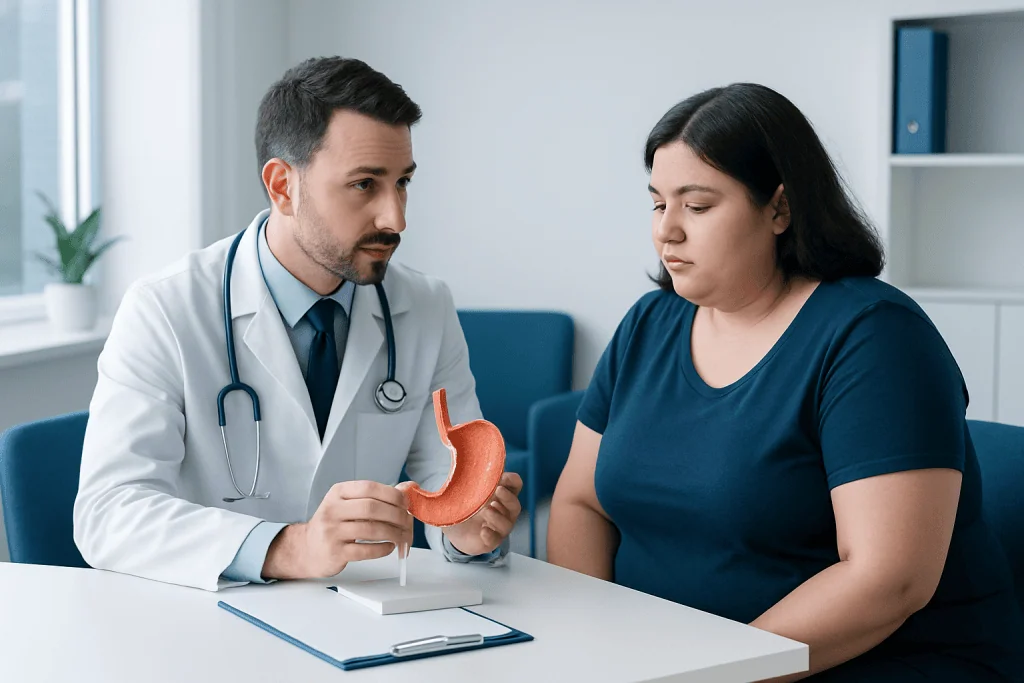
After sleeve gastrectomy, the stomach is much smaller and shaped like a narrow tube. This changes how food is stored, mixed, and released into the small intestine. Meals that are high in sugar or refined carbohydrates can move through rapidly and draw fluid into the intestine, leading to cramping, diarrhea, and dizziness. Later, the same meal may trigger a strong insulin response and cause blood sugar to drop.
Common triggers include sweet drinks, desserts, fruit juice, candy, pastries, white bread, large portions, and eating too fast. Drinking liquids with meals can also worsen symptoms in some people because it may speed the movement of food through the stomach. Very hot or very cold foods may bother some individuals, although this is not universal.
Not every symptom after bariatric surgery is dumping syndrome. Issues such as lactose intolerance, dehydration, nutritional deficiencies, ulcers, or gallbladder problems can overlap. In some cases, symptoms may need evaluation alongside other post-surgical digestive concerns such as acid reflux or other causes of abdominal discomfort.
How It Is Diagnosed
Diagnosis usually begins with a detailed history. A doctor will ask when symptoms happen, what foods seem to trigger them, and whether there are signs of dehydration, weight loss beyond expectations, or low blood sugar. A food and symptom diary can be very helpful because the pattern around meals often provides important clues.
In many cases, dumping syndrome is diagnosed clinically, meaning the diagnosis is based mainly on symptoms and timing after surgery. Blood sugar checks may help when late dumping is suspected. Some people may need additional tests if symptoms are severe, unusual, or not improving, especially to look for other digestive conditions or complications.
Testing is individualized and may include blood tests, nutritional assessment, or imaging and endoscopic evaluation if another cause is possible. If symptoms such as severe pain, persistent vomiting, black stools, or inability to keep fluids down are present, doctors may look beyond dumping syndrome to exclude more urgent problems.
Treatment and Relief Options
The main treatment for dumping syndrome after gastric sleeve is usually dietary adjustment. Most people improve by eating smaller meals more often, chewing thoroughly, and avoiding foods that are high in sugar. Balanced meals that include protein, fiber, and healthy fats often slow digestion and reduce sudden blood sugar changes.
Practical strategies may include separating liquids from solid meals by about 30 minutes, limiting refined carbohydrates, and choosing nutrient-dense foods that are better tolerated. Some people do better when they rest briefly after meals rather than returning immediately to activity. A bariatric dietitian can help create a plan that supports both symptom control and healthy nutrition after surgery.
If symptoms continue despite careful meal changes, doctors may consider medications in selected cases. These are used to slow digestion or reduce blood sugar swings and are chosen based on the person’s symptoms and overall health. Ongoing follow-up after bariatric surgery is important because symptom management should also protect long-term vitamin, protein, and fluid intake.
When symptoms are persistent or diagnosis is uncertain, a gastroenterologist or bariatric specialist may assess for other conditions and may recommend further evaluation such as endoscopy if clinically appropriate.
Diet and Self-care Tips After Gastric Sleeve
Eating habits strongly influence recovery. A smaller stomach needs a slower, more structured approach to meals. People who eat quickly or take large bites may unintentionally overwhelm the stomach pouch, which can increase discomfort and speed emptying into the intestine.
Helpful self-care habits often include eating 5 to 6 small meals a day, prioritizing protein first, and avoiding concentrated sweets. Whole grains, vegetables, beans, and other fiber-rich foods may help when introduced as tolerated. Because tolerance varies, changes are often best made gradually and with professional guidance.
- Eat small portions and stop before feeling overly full.
- Chew food well and take time with meals.
- Avoid sugary drinks, desserts, and large amounts of simple carbohydrates.
- Separate liquids from meals if advised by the care team.
- Choose protein-rich foods and balanced snacks.
- Keep follow-up visits to monitor hydration and nutrition.
These habits can also support broader recovery goals after sleeve gastrectomy, including weight management, digestive comfort, and nutritional stability.
When to See a Doctor
Medical review is important if symptoms are frequent, severe, or interfere with eating and drinking. Although mild episodes can be common during recovery, repeated nausea, diarrhea, dizziness, or weakness can affect hydration, energy, and nutrition if left unaddressed.
A person should contact a doctor promptly if symptoms include fainting, confusion, repeated vomiting, signs of dehydration, black or bloody stools, severe abdominal pain, or symptoms of low blood sugar that do not improve quickly. These features may point to a more urgent issue or require a more tailored treatment plan.
Long-term follow-up after bariatric surgery matters because several post-operative problems can look similar. In addition to dumping syndrome, doctors may consider conditions such as gallstones or nutrient deficiencies, depending on symptoms. Near the end of the care pathway, some international patients choose centers such as Acibadem International, where multidisciplinary specialists in JCI-accredited hospitals assess and treat post-bariatric concerns.
Frequently asked questions
How long does dumping syndrome last after gastric sleeve?
For many people, symptoms improve over weeks to months as eating habits adapt and trigger foods are identified. Some may continue to have occasional episodes longer term, especially after sugary or high-carbohydrate meals. Regular follow-up can help if symptoms are ongoing.
Can dumping syndrome happen even after a sleeve and not bypass surgery?
Yes. Although it is classically associated with gastric bypass, dumping syndrome can also occur after sleeve gastrectomy because the stomach is smaller and empties differently. Symptoms and triggers are often managed in similar ways.
What foods most often trigger dumping syndrome after gastric sleeve?
Common triggers include sweets, sugary drinks, fruit juice, desserts, white bread, pastries, and large portions of refined carbohydrates. Eating too quickly or drinking liquids with meals can also worsen symptoms in some people. Individual tolerance varies, so a food diary can be useful.
Is dumping syndrome dangerous?
It is often uncomfortable rather than dangerous, especially when symptoms are mild and occasional. However, frequent episodes can contribute to dehydration, poor nutrition, or low blood sugar symptoms. Medical review is important if episodes are severe, persistent, or associated with fainting or significant weakness.
How can late dumping syndrome be relieved?
Late dumping syndrome often improves with smaller, balanced meals that include protein, fiber, and healthy fats while limiting sugary and refined carbohydrate foods. Eating regularly and avoiding large carbohydrate-heavy meals can help prevent rapid blood sugar swings. A doctor or dietitian can guide a more personalized plan.
Should liquids be avoided with meals after gastric sleeve?
Many bariatric teams recommend separating liquids from meals because drinking at the same time may speed stomach emptying and worsen symptoms. This advice can differ slightly based on the person's recovery stage and tolerance. It is best followed according to the surgical team's instructions.
References
- American Society for Metabolic and Bariatric Surgery
- National Institute of Diabetes and Digestive and Kidney Diseases
- Mayo Clinic
- National Health Service
- Society of American Gastrointestinal and Endoscopic Surgeons
This article is for general information only and is not a substitute for professional medical advice. Please consult a qualified doctor about your individual situation.
Medical weight-loss options in Turkey — costs & eligibility
JCI-accredited · board-certified surgeons · reply within 24h
Add us as a Preferred Source to see more of our trusted health content across Google Search, AI Overviews and Discover.