Narcolepsy Treatment: Medicines, Scheduled Naps, and Daily Life Strategies

Narcolepsy treatment aims to control daytime sleepiness, cataplexy, and disrupted nighttime sleep. Medicines can help improve wakefulness or reduce REM-related symptoms, but treatment plans vary by person.
Key Takeaways
- Narcolepsy treatment aims to control daytime sleepiness, cataplexy, and disrupted nighttime sleep.
- Medicines can help improve wakefulness or reduce REM-related symptoms, but treatment plans vary by person.
- Scheduled naps, regular sleep habits, and safety planning are important parts of care.
- Diagnosis is usually made by a sleep specialist using a medical history, sleep studies, and specific testing.
- Ongoing follow-up helps adjust treatment as symptoms, age, work, and daily needs change.
Narcolepsy treatment usually involves a personalized mix of medicines, planned naps, and lifestyle adjustments. While narcolepsy is a long-term neurological sleep disorder, many people can manage symptoms well and maintain an active daily life with the right care.
Overview of Narcolepsy Treatment
Narcolepsy is a chronic neurological sleep disorder that affects the brain’s ability to regulate sleep-wake cycles. People with narcolepsy may feel overwhelming daytime sleepiness, fall asleep suddenly, or experience symptoms linked to rapid eye movement (REM) sleep such as cataplexy, sleep paralysis, or vivid dream-like hallucinations. Treatment does not cure narcolepsy, but it can greatly reduce symptoms and support daily functioning.
Narcolepsy treatment is usually individualized. A sleep specialist may combine medicines with practical daily life strategies such as scheduled naps, consistent bedtimes, school or workplace adjustments, and attention to driving safety. The exact plan depends on the type of narcolepsy, symptom severity, age, other medical conditions, and how symptoms affect education, work, and relationships.
Many people are reassured to learn that symptom control often improves with ongoing care. It may take time to find the best combination of therapies, but regular follow-up helps fine-tune treatment. In most cases, management focuses on improving alertness during the day, reducing cataplexy and REM-related symptoms, and helping the person maintain a stable sleep routine at night.
Symptoms Treatment Tries to Control
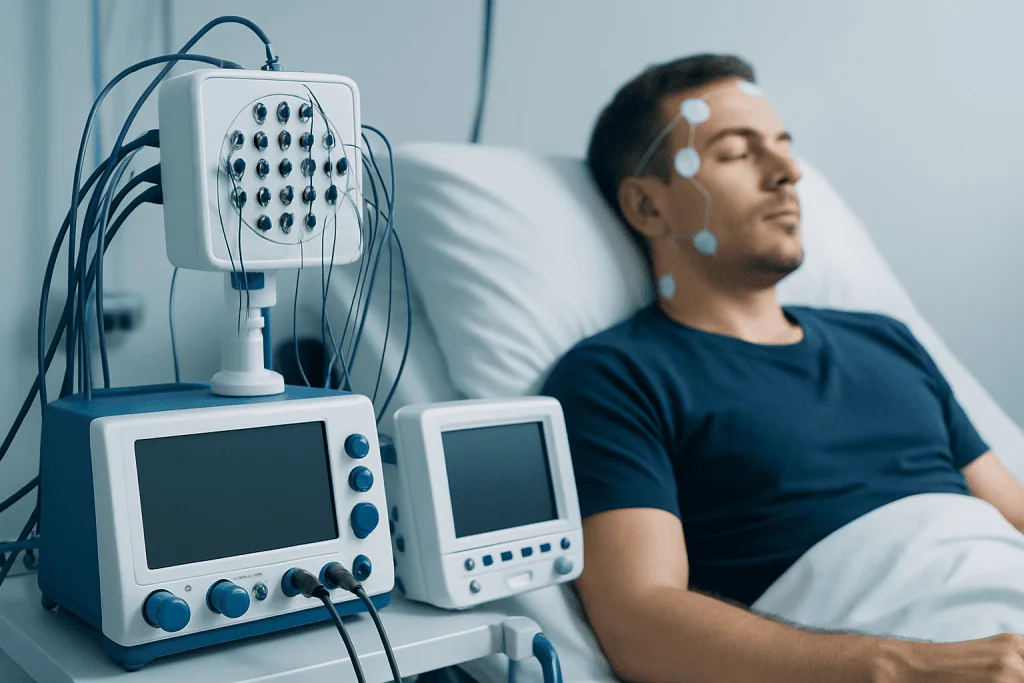
The main target of narcolepsy treatment is excessive daytime sleepiness. This is more than ordinary tiredness. A person may feel an irresistible need to sleep, have trouble staying awake during routine activities, or experience “sleep attacks” that happen quickly, even after a full night’s sleep. Treatment aims to improve wakefulness and reduce how often these episodes occur.
Another important symptom is cataplexy, which involves sudden brief muscle weakness triggered by emotions such as laughter, surprise, or excitement. Cataplexy can range from a mild drooping of the face or knees to a complete loss of muscle tone while the person remains conscious. Not everyone with narcolepsy has cataplexy, but when it is present, treatment often includes medicines that target this symptom specifically.
Other symptoms may include fragmented nighttime sleep, sleep paralysis, vivid dreams or hallucinations when falling asleep or waking, poor concentration, and memory problems related to sleep disruption. Some people also gain weight more easily or experience mood changes. Because symptoms vary from person to person, treatment goals are typically discussed together with the patient and adjusted over time.
- Improve daytime alertness
- Reduce cataplexy episodes
- Support safer driving, work, and school performance
- Improve nighttime sleep quality
- Address emotional and social impact
Medicines Used in Narcolepsy Treatment

Medicines are a central part of narcolepsy treatment for many adults and some children. Doctors may prescribe wake-promoting medicines to reduce daytime sleepiness. In some cases, stimulant-type medicines are used when additional alertness support is needed. The choice depends on the person’s symptoms, age, overall health, potential side effects, and response to earlier treatments.
If cataplexy is present, treatment may also include medicines that reduce REM-sleep related symptoms. Some medicines can help control cataplexy, sleep paralysis, and hallucinations while also improving nighttime sleep. Others may be chosen if a person has both daytime sleepiness and disrupted sleep at night. Because narcolepsy symptoms can overlap with other sleep conditions, doctors may also assess whether care such as sleep apnea treatment is needed when breathing-related sleep problems are suspected.
Medication plans often need monitoring and adjustment. A doctor may review side effects such as headache, nausea, changes in blood pressure, appetite changes, mood symptoms, or difficulty sleeping at night. People should not stop or change prescribed medicines on their own. It is also important to tell the healthcare team about pregnancy plans, other medications, caffeine or alcohol use, and any history of heart, mental health, or substance use concerns.
In selected cases, broader sleep evaluation may guide care, especially if symptoms are complex or another disorder is also possible. A specialist may consider a full sleep disorder treatment approach when the diagnosis or symptom pattern suggests more than one sleep problem.
Scheduled Naps and Daily Life Strategies
Scheduled naps are one of the most practical non-drug tools in narcolepsy treatment. Short planned naps during the day can temporarily improve alertness and reduce sudden sleep episodes. Many people find that one or two brief naps, timed around their usual periods of strongest sleepiness, help them function better at school, work, or home.
Good sleep habits also matter. Keeping a regular sleep-wake schedule, going to bed and waking at the same times each day, and creating a quiet sleep environment may improve nighttime rest. Avoiding heavy meals, alcohol, and too much caffeine close to bedtime can also help. Although lifestyle steps alone usually do not control narcolepsy fully, they can make medical treatment work better.
Safety planning is especially important. People with uncontrolled sleepiness should speak with their doctor about driving, operating machinery, swimming alone, or working at heights. Family members, teachers, and employers may also need simple education about narcolepsy so they understand that symptoms are neurological rather than a sign of laziness or poor motivation.
Supportive strategies often include:
- Planned short naps during the day
- A consistent nighttime sleep schedule
- Regular physical activity when appropriate
- Avoiding sleep deprivation
- School or workplace accommodations
- Careful planning for driving and other safety-sensitive tasks
How Narcolepsy Is Diagnosed
Before treatment begins, narcolepsy needs an accurate diagnosis. Excessive daytime sleepiness can have many causes, including insufficient sleep, shift work, medication effects, depression, sleep apnea, or other neurological and sleep disorders. Diagnosis usually starts with a detailed discussion of symptoms, their timing, and any family history. The doctor may also ask the person to complete sleep questionnaires or keep a sleep diary.
Sleep specialists often use overnight testing followed by a daytime nap study. An overnight sleep study, known as polysomnography, records brain activity, breathing, heart rhythm, oxygen levels, and movement during sleep. It helps rule out other causes of sleepiness and identifies patterns that may support the diagnosis. The next day, a multiple sleep latency test measures how quickly the person falls asleep during several nap opportunities and whether REM sleep begins unusually early.
In some cases, additional tests may be considered. These may include actigraphy, which tracks sleep-wake patterns over time, or specialized testing related to hypocretin deficiency in selected patients. A careful diagnosis matters because treatment is most effective when matched to the exact sleep disorder. For some patients, a center with expertise in sleep study evaluation can help clarify symptoms and guide a tailored treatment plan.
Long-Term Management and Follow-Up
Narcolepsy is generally a lifelong condition, so treatment is usually ongoing rather than short-term. Symptoms may change with age, work demands, school schedules, pregnancy, or other health conditions. Regular follow-up visits help the doctor evaluate whether daytime sleepiness is controlled, whether cataplexy is improving, and whether side effects or treatment barriers are affecting progress.
Long-term management also includes emotional and social support. Narcolepsy can affect confidence, productivity, and relationships, especially if symptoms are misunderstood. Some people benefit from counseling, support groups, or formal accommodations at school or work. Children and teenagers may need additional coordination between families, teachers, and pediatric sleep specialists.
Doctors may also review associated concerns such as weight gain, mood symptoms, and coexisting sleep disorders. If new symptoms appear, the diagnosis may need to be revisited. A person with narcolepsy may at times also require evaluation for related conditions within the wider field of sleep disorders, particularly if sleep quality remains poor despite treatment.
When to See a Doctor
A doctor should be consulted if daytime sleepiness is persistent, unexplained, or severe enough to interfere with work, school, driving, or daily safety. Evaluation is also important if a person has sudden muscle weakness with emotions, frequent sleep paralysis, or vivid dream-like experiences when falling asleep or waking. These symptoms do not always mean narcolepsy, but they deserve assessment by a qualified professional.
People already diagnosed with narcolepsy should seek follow-up if symptoms worsen, medicines seem less effective, side effects develop, or major life changes affect their routine. New snoring, pauses in breathing during sleep, mood changes, or memory difficulties should also be discussed. Timely review can help prevent complications and improve quality of life.
Near the end of the care journey, many patients value a multidisciplinary setting where sleep medicine, neurology, and supportive services are coordinated. Acibadem International’s multidisciplinary specialists in JCI-accredited hospitals diagnose and treat narcolepsy and related sleep conditions for international patients, with treatment plans based on individual needs and specialist evaluation.
Frequently asked questions
Can narcolepsy be cured?
Narcolepsy is usually a long-term condition, and there is currently no definitive cure. However, treatment can often control symptoms well enough to improve daily functioning, safety, and quality of life.
What is the best treatment for narcolepsy?
There is no single best treatment for everyone. Most people do best with a combination of medicines, scheduled naps, regular sleep habits, and follow-up with a sleep specialist.
Do scheduled naps really help narcolepsy?
Yes, planned short naps can help many people feel more alert for a period of time. They usually work best when scheduled consistently and combined with medical treatment and good sleep habits.
Is narcolepsy treatment different if cataplexy is present?
Yes, treatment often changes when cataplexy is part of the condition. In addition to medicines that improve wakefulness, doctors may prescribe therapies that specifically reduce cataplexy and other REM-related symptoms.
Can children and teenagers receive narcolepsy treatment?
Yes, but treatment in children and teenagers needs careful specialist supervision. The plan may include medicines, school support, scheduled naps, and guidance for families and teachers.
Should a person with narcolepsy drive?
Driving safety depends on how well symptoms are controlled. A doctor should advise on individual risk, and some people may need to limit driving until daytime sleepiness is better managed.
References
- American Academy of Sleep Medicine
- National Institute of Neurological Disorders and Stroke
- National Heart, Lung, and Blood Institute
- Mayo Clinic
- National Health Service
This article is for general information only and is not a substitute for professional medical advice. Please consult a qualified doctor about your individual situation.
Narcolepsy in Turkey — costs, top hospitals & a free quote
JCI-accredited · board-certified surgeons · reply within 24h
Add us as a Preferred Source to see more of our trusted health content across Google Search, AI Overviews and Discover.
Check your numbers in seconds
BMI, calories, due date, blood pressure and 30+ more clinical calculators — free, instant, doctor-reviewed ranges.