

Microvascular Angina: Chest Pain With Normal Coronary Arteries

Microvascular angina causes angina-like chest pain even when large coronary arteries appear normal. It is often related to dysfunction in the heart’s small blood vessels and reduced blood flow during stress or activity.
Key Takeaways
- Microvascular angina causes angina-like chest pain even when large coronary arteries appear normal.
- It is often related to dysfunction in the heart’s small blood vessels and reduced blood flow during stress or activity.
- Diagnosis may require more than a standard angiogram and can include stress testing and specialized heart assessments.
- Treatment usually combines lifestyle measures, risk-factor control, and medications tailored to symptoms.
- Ongoing or unexplained chest pain should always be assessed by a qualified doctor.
Microvascular angina is a type of chest pain linked to problems in the heart’s tiny blood vessels rather than major blocked coronary arteries. Although angiograms may look normal, the condition is real, diagnosable, and often manageable with the right treatment plan.
Overview
Microvascular angina is chest pain or chest discomfort caused by problems in the heart’s smallest blood vessels, known as the coronary microcirculation. These tiny vessels help deliver oxygen-rich blood to the heart muscle. When they do not widen properly or do not respond normally to the body’s needs, the heart may not receive enough blood during exertion, stress, or sometimes even at rest.
Unlike classic angina, microvascular angina may occur even when the large coronary arteries appear normal or do not show major blockages on coronary angiography. For this reason, some people are told their arteries are “clear” even though they continue to have real, ongoing symptoms. This can be confusing and frustrating, but the condition is recognized in modern cardiology.
Microvascular angina is often grouped under the broader term coronary microvascular dysfunction. It may affect quality of life, exercise tolerance, sleep, and emotional well-being. Symptoms can persist over time, but many people improve when the condition is identified and managed carefully.
Symptoms
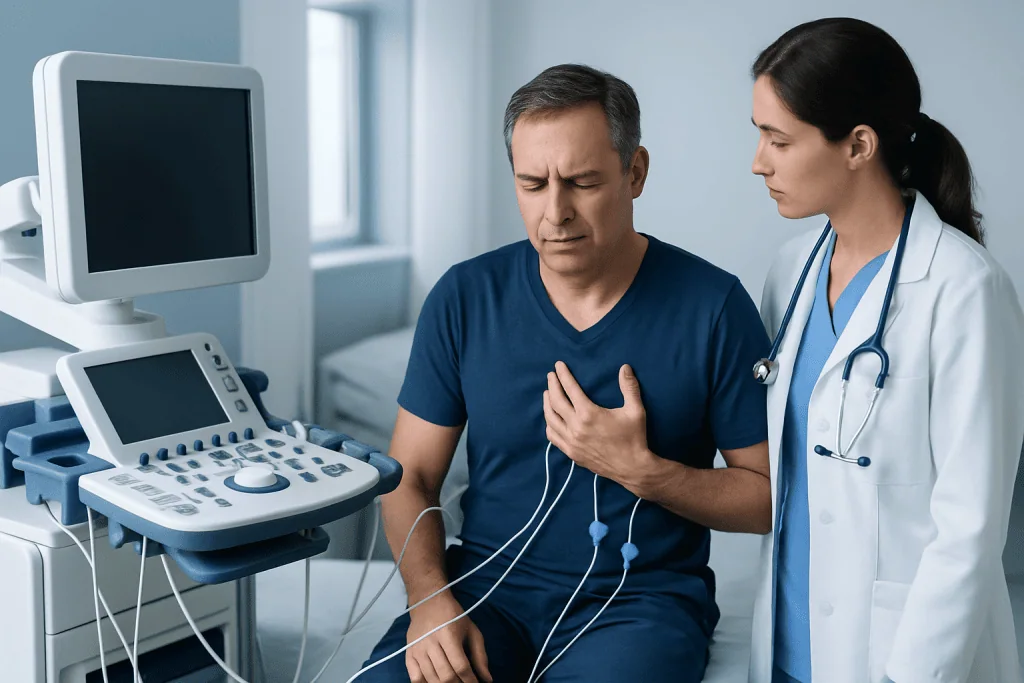
The main symptom is chest pain or pressure that may feel tight, heavy, burning, or squeezing. Some people notice it during physical activity, emotional stress, exposure to cold, or after meals. Others may develop symptoms at rest. The discomfort may last longer than typical angina and can sometimes be less predictable.
Symptoms are not limited to the chest. A person may also feel shortness of breath, fatigue, reduced exercise capacity, nausea, dizziness, or discomfort in the arm, shoulder, neck, jaw, or back. Some people describe a vague sense of heaviness rather than sharp pain.
Microvascular angina can be mistaken for indigestion, anxiety, muscle pain, or unexplained fatigue. It is also possible for symptoms to overlap with other heart conditions, including coronary artery disease. Because chest discomfort has many possible causes, proper medical evaluation is important rather than assuming symptoms are harmless.
- Chest pressure, tightness, or burning
- Shortness of breath with activity or stress
- Fatigue or reduced stamina
- Pain spreading to the jaw, neck, shoulder, or arm
- Symptoms that continue despite normal large coronary arteries
Causes and Risk Factors
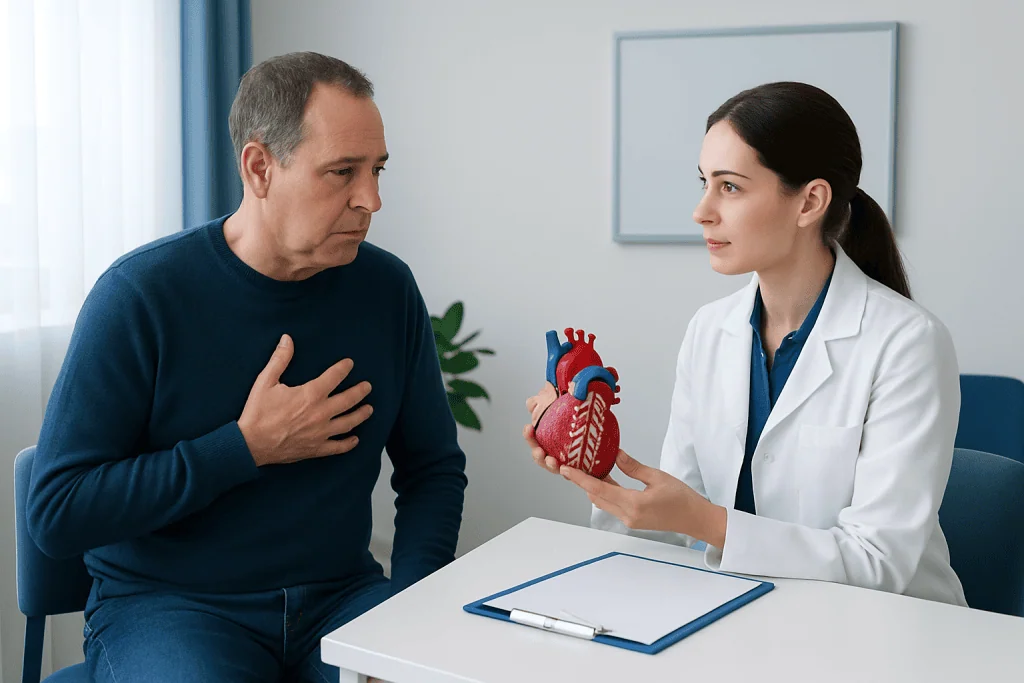
The exact cause is not always the same in every person. In many cases, the small coronary vessels do not relax and widen as they should. This may reduce blood flow to the heart muscle, especially when demand rises. In other cases, the lining of the blood vessels, called the endothelium, may not function normally. Spasm of small vessels may also play a role.
Several health conditions can increase the likelihood of coronary microvascular dysfunction. These include high blood pressure, high cholesterol, diabetes, insulin resistance, obesity, smoking, and low physical activity. Chronic inflammation and hormonal changes may also contribute. The condition is commonly recognized in women, especially after menopause, though it can affect men as well.
Microvascular angina may occur on its own or alongside other heart-related problems. Some people have symptoms together with heart valve disease or other structural heart conditions, while others have no obvious associated disease. A family history of cardiovascular disease, stress, poor sleep, and certain autoimmune or inflammatory disorders may further raise risk.
How It Is Diagnosed
Diagnosis begins with a detailed medical history and physical examination. A doctor will ask about the type of chest pain, when it occurs, what brings it on, and whether it improves with rest or medicine. Blood pressure, heart rhythm, cholesterol, blood sugar, and other cardiovascular risk factors are also reviewed.
Initial tests may include an electrocardiogram, blood tests, and an echocardiogram. Many patients also have an exercise stress test or an imaging stress test to see whether the heart muscle is receiving enough blood under strain. In some cases, echocardiography and other noninvasive imaging studies help rule out structural causes of symptoms.
Because standard angiography mainly shows the larger coronary arteries, a person with microvascular angina may have “normal” angiogram findings. When symptoms persist and suspicion remains high, doctors may consider more specialized testing to assess blood flow reserve or microvascular function. Depending on the case, this may include advanced stress imaging, coronary function testing, or coronary angiography as part of a broader evaluation.
The goal is not only to confirm the diagnosis but also to exclude other important causes of chest pain, such as obstructive coronary disease, rhythm disorders, valve disease, lung conditions, or gastrointestinal problems. A careful diagnosis helps guide treatment and reassures patients that their symptoms are being taken seriously.
Treatment Options
Treatment usually focuses on two goals: reducing symptoms and improving the health of the blood vessels. Care is individualized because the pattern of symptoms, triggers, and associated health conditions can differ from person to person. A doctor may recommend medications that improve blood flow, lower the heart’s workload, or help control vessel spasm. Medicines to manage blood pressure, cholesterol, or diabetes may also be part of the plan.
Lifestyle treatment is equally important. Regular physical activity, gradual conditioning, smoking cessation, heart-healthy eating, stress reduction, and good sleep habits can all support vascular health. If symptoms limit exercise, a doctor may suggest a structured cardiac rehabilitation-style approach with careful monitoring.
When another heart condition is suspected, additional tests may be needed to tailor therapy. For example, doctors may use cardiac MRI or other advanced imaging to evaluate the heart muscle and blood flow in more detail. Treatment is often most successful when it addresses both symptom relief and long-term cardiovascular risk reduction.
People should not stop or change heart medications without medical advice, even if test results have been described as normal. Follow-up matters because symptom patterns can change over time, and medication adjustments may be needed to find the best balance of relief and tolerability.
Prevention and Self-Care
Not every case can be prevented, but many risk factors for microvascular angina are modifiable. Taking steps to protect overall cardiovascular health may reduce symptoms and support small-vessel function. These same measures are also important for preventing major heart and vascular disease over the long term.
Helpful self-care measures include controlling blood pressure, cholesterol, and blood sugar; maintaining a healthy weight; and avoiding tobacco. A balanced eating pattern rich in vegetables, fruits, whole grains, legumes, and healthy fats can be beneficial. Regular movement, even if started slowly, can improve endurance and circulation over time.
Stress can worsen chest discomfort in some people, so relaxation techniques, counseling, mindfulness, and consistent sleep routines may help. It is also wise to keep a symptom diary noting when pain occurs, how long it lasts, and possible triggers. This information can help the doctor identify patterns and refine treatment.
- Take prescribed medicines as directed
- Stay physically active within medical guidance
- Stop smoking and avoid secondhand smoke
- Manage diabetes, cholesterol, and blood pressure
- Seek support for stress, anxiety, or poor sleep
When to See a Doctor
Any new, persistent, or unexplained chest pain should be evaluated by a doctor. This is especially important if symptoms occur with shortness of breath, sweating, nausea, faintness, or pain spreading to the arm, jaw, neck, or back. Even when a person has been told they may have microvascular angina, symptoms can still change and deserve medical review.
Emergency care is needed for severe chest pain, chest pressure lasting more than a few minutes, symptoms that are rapidly worsening, or signs that could suggest a heart attack. It is safer not to assume that all chest pain is due to a known diagnosis. Prompt assessment can help rule out urgent conditions and begin treatment quickly when needed.
If symptoms keep returning despite normal test results, asking for follow-up with a cardiologist can be helpful. In experienced centers, a more detailed work-up may identify coronary microvascular dysfunction that was not visible on earlier tests. Acibadem International’s multidisciplinary specialists in JCI-accredited hospitals diagnose and treat heart conditions for international patients, including complex causes of chest pain.
Frequently asked questions
Is microvascular angina a real heart condition if the angiogram is normal?
Yes. Microvascular angina is a recognized condition in which the heart’s small blood vessels do not function normally, even though the major coronary arteries may look normal. A normal angiogram does not always rule out reduced blood flow in the microcirculation.
Can microvascular angina cause symptoms at rest?
Yes, it can. Although symptoms often occur during exercise or emotional stress, some people also notice chest discomfort at rest. The pattern can be more variable than classic angina caused by major artery blockages.
Who is more likely to develop microvascular angina?
It can affect both women and men, but it is often identified in women, particularly in midlife and after menopause. Risk factors include high blood pressure, high cholesterol, diabetes, smoking, obesity, and low physical activity.
How is microvascular angina treated?
Treatment usually combines lifestyle changes with medicines chosen to reduce symptoms and improve blood vessel function. Doctors also focus on controlling blood pressure, cholesterol, diabetes, and other cardiovascular risks. The best plan depends on the individual and may need adjustment over time.
Is microvascular angina the same as a heart attack?
No. Microvascular angina refers to chest pain related to the heart’s small vessels, while a heart attack usually involves sudden damage to heart muscle from a blocked blood supply. However, chest pain should never be self-diagnosed, because urgent conditions can look similar at first.
Can stress make microvascular angina worse?
Yes, stress can trigger or intensify symptoms in some people. Emotional stress may affect heart rate, blood pressure, and vessel function. Stress management can be a useful part of an overall treatment plan, but it should not replace medical evaluation.
References
- American Heart Association
- European Society of Cardiology
- National Heart, Lung, and Blood Institute
- Mayo Clinic
- British Heart Foundation
This article is for general information only and is not a substitute for professional medical advice. Please consult a qualified doctor about your individual situation.
Angina in Turkey — costs, top hospitals & a free quote
JCI-accredited · board-certified surgeons · reply within 24h
Add us as a Preferred Source to see more of our trusted health content across Google Search, AI Overviews and Discover.
Check your numbers in seconds
BMI, calories, due date, blood pressure and 30+ more clinical calculators — free, instant, doctor-reviewed ranges.

More from the Health Library



Related Specialists

Dr. Zeynep Sağırkaya
Occupational Medicine
Prof. Dr. H. Armağan Arıcan
Radiation Oncology
Assoc. Prof. Dr. Hatice Gamze Demirdağ
Dermatology
Dt. Berna Atıcı
Oral & Dental Health