Persistent Aura Without Infarction: When Migraine Symptoms Last Longer

Persistent aura without infarction is a rare type of migraine-related aura that lasts longer than 7 days. Brain imaging does not show a stroke or brain infarction in this condition.
Key Takeaways
- Persistent aura without infarction is a rare type of migraine-related aura that lasts longer than 7 days.
- Brain imaging does not show a stroke or brain infarction in this condition.
- Symptoms often include visual changes, but sensory or language-related aura symptoms can also occur.
- Diagnosis usually requires ruling out stroke, seizure, retinal problems, and other neurological causes.
- Treatment focuses on migraine management and individualized follow-up with a qualified doctor.
Persistent aura without infarction is a rare migraine complication in which visual or other aura symptoms continue for longer than a week without evidence of stroke on brain imaging. Because it can resemble other neurological conditions, careful medical assessment is important to confirm the diagnosis and guide treatment.
Overview
Persistent aura without infarction is a rare complication of migraine. In this condition, aura symptoms continue for more than 7 days, but brain scans do not show a stroke or other brain infarction. Aura refers to temporary neurological symptoms that can happen before or during a migraine attack, most often involving vision, sensation, or speech.
For many people with migraine, aura lasts from a few minutes up to an hour. In persistent aura without infarction, the symptoms last much longer than expected. This can be unsettling, especially when visual disturbances or numbness continue day after day. Even so, the defining feature is that imaging does not show tissue damage caused by interrupted blood flow.
This condition is considered uncommon, and it should be diagnosed carefully. Doctors usually make the diagnosis only after excluding more urgent causes of long-lasting neurological symptoms, such as stroke, transient ischemic attack, seizure-related events, or eye disease. A person with symptoms that are new, severe, or unusual should seek medical evaluation rather than assuming the cause is migraine.
Symptoms
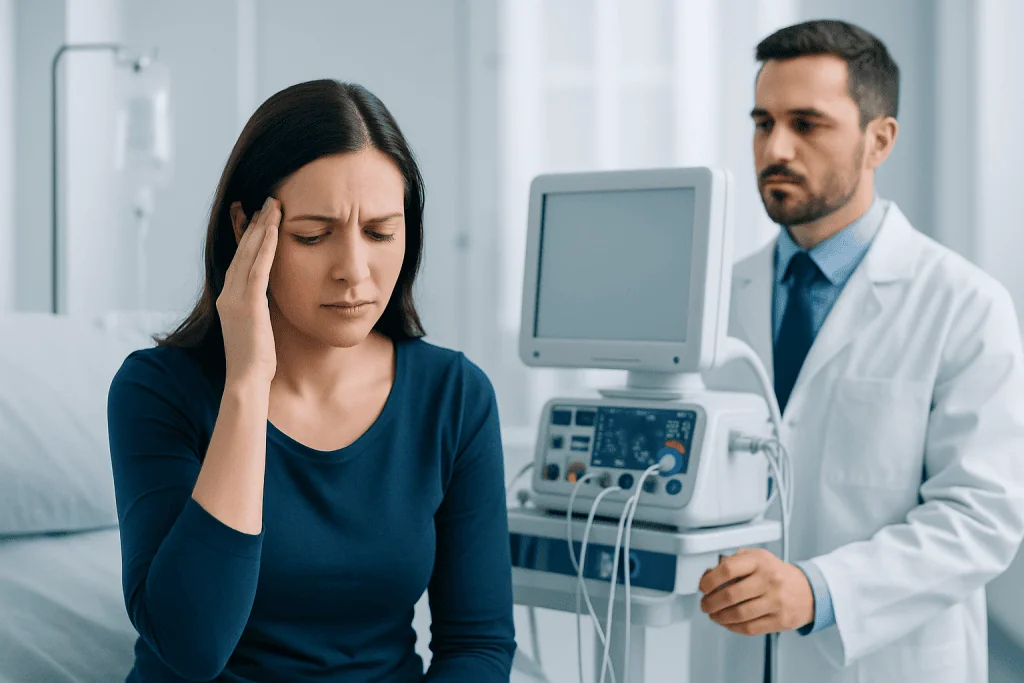
The symptoms of persistent aura without infarction are similar to typical migraine aura, but they continue far longer. Visual symptoms are the most common. A person may notice flashing lights, zigzag lines, shimmering spots, blind spots, blurred areas, or distorted shapes. These symptoms may affect one or both visual fields and can come and go in intensity even if they do not fully disappear.
Some people have non-visual aura symptoms. These may include tingling or numbness in the face, arm, or hand, difficulty finding words, slowed speech, or a feeling that language is briefly harder to process. Less often, other neurological sensations may occur. Headache may happen together with the aura, begin later, or in some cases be mild or absent.
Symptoms that suggest the need for prompt medical attention include sudden weakness, facial drooping, loss of coordination, confusion, new severe headache, fainting, or vision loss in one eye. These features are not typical of a straightforward migraine aura and may indicate another condition. Because there can be overlap, it is safest to have persistent or unusual symptoms assessed by a clinician.
- Flashing lights or shimmering patterns
- Blind spots or visual distortion
- Tingling or numbness
- Speech or language difficulty
- Headache that may occur with or without aura
Causes and Risk Factors

The exact cause of persistent aura without infarction is not fully understood. Migraine aura is thought to be linked to a wave of altered brain activity called cortical spreading depression, which temporarily changes nerve signaling and blood flow patterns in the brain. Why aura symptoms persist in some people much longer than usual is still being studied.
The condition usually occurs in people who already have migraine with aura, although the pattern may change over time. In some individuals, a persistent aura follows a typical migraine attack. In others, it appears after a period of frequent migraine episodes or during times of stress, hormonal change, poor sleep, or other migraine-triggering circumstances. However, a clear trigger is not always found.
Doctors also consider risk factors and possible contributing conditions that can mimic or worsen prolonged aura-like symptoms. These may include certain medications, underlying vascular risk factors, seizure disorders, and eye problems. Because migraine and stroke can occasionally resemble one another, the medical team may also review personal and family history, smoking status, blood pressure, and use of hormonal therapies as part of the evaluation.
How It Is Diagnosed
Diagnosis begins with a detailed history. A doctor will ask what the symptoms look like, how they started, whether they spread gradually or came on suddenly, how long they have lasted, and whether there is an established history of migraine with aura. This timeline matters because migraine aura often develops gradually over minutes, while stroke symptoms often start suddenly.
A neurological examination is usually performed, and brain imaging is often needed to rule out infarction and other structural causes. Depending on the situation, this may include MRI and sometimes vascular imaging. When visual symptoms are prominent, an eye examination may also be recommended to exclude retinal or other eye conditions. In selected cases, additional tests such as EEG or blood work may be needed.
Doctors generally diagnose persistent aura without infarction when aura symptoms typical of migraine last longer than 7 days and there is no evidence of stroke on neuroimaging. Because this is a diagnosis of exclusion, other conditions need to be considered first, including migraine variants, seizure-related phenomena, stroke, transient ischemic attack, and eye disorders. Specialist assessment in neurology care can be especially helpful when symptoms are prolonged or difficult to classify.
Treatment Options
There is no single standard treatment that works for every person with persistent aura without infarction. Management is individualized and usually guided by a neurologist or headache specialist. The main goals are to confirm the diagnosis, exclude dangerous causes, reduce symptom burden, and improve overall migraine control.
Treatment may include medicines used for migraine prevention, especially when a person has frequent migraine attacks or recurrent aura. The specific choice depends on symptoms, medical history, and tolerance of side effects. Sometimes treatment decisions are influenced by whether visual symptoms are the main problem, whether headaches are frequent, and whether there are coexisting conditions such as anxiety, sleep disruption, or blood pressure concerns. In some cases, care may overlap with a broader migraine treatment plan.
Non-drug strategies are also important. These may include regular sleep, hydration, consistent meals, stress reduction, limiting known triggers, and avoiding medication overuse. If vision symptoms remain prominent, referral for neuro-ophthalmology evaluation may help clarify whether symptoms are neurological, ocular, or both. Near the end of a person’s evaluation or treatment journey, centers such as Acibadem International may support international patients through multidisciplinary assessment in JCI-accredited hospitals when complex migraine-related symptoms need coordinated care.
Prevention and Self-Care
Although persistent aura without infarction cannot always be prevented, many people benefit from identifying and reducing migraine triggers. Keeping a symptom diary can help track visual changes, headaches, sleep patterns, stress, menstrual cycles, meals, and possible environmental triggers such as bright light. This record can make appointments more productive and help guide treatment decisions.
General migraine-friendly habits often support recovery and prevention. These include sleeping on a regular schedule, staying hydrated, eating balanced meals without long gaps, managing stress, and limiting alcohol if it seems to trigger symptoms. Screen breaks, comfortable lighting, and paced daily activity may also reduce visual strain for some people.
Self-care should not replace medical review when symptoms are new, prolonged, or changing. It is especially important not to self-diagnose a first episode of long-lasting aura. New neurological symptoms should be assessed promptly, because conditions such as brain tumor or vascular problems need different treatment. A doctor can help decide whether preventive therapy, follow-up imaging, or further specialist testing is appropriate.
When to See a Doctor
Anyone with aura symptoms lasting longer than usual should contact a doctor, particularly if this is the first prolonged episode. Medical evaluation is important because migraine aura can resemble stroke and other neurological emergencies. A prompt check helps confirm whether symptoms are migraine-related or caused by another condition that needs urgent treatment.
Emergency care is needed if symptoms start suddenly and include one-sided weakness, facial droop, severe confusion, difficulty speaking that is abrupt and profound, loss of consciousness, seizures, or a sudden severe headache unlike previous migraines. Sudden vision loss in one eye also needs urgent assessment. These warning signs should not be attributed to migraine without professional evaluation.
Follow-up is also important when symptoms persist despite treatment, change pattern, happen more often, or interfere with daily life. A neurologist may review diagnosis, triggers, and treatment options over time. If appropriate, the care plan may include advanced imaging, preventive therapy, or supportive input from eye specialists and headache experts.
Frequently asked questions
What is persistent aura without infarction?
It is a rare migraine-related condition in which aura symptoms last longer than 7 days without evidence of stroke on brain imaging. Aura symptoms may be visual, sensory, or language-related. The diagnosis is made only after other causes have been carefully excluded.
Is persistent aura without infarction a stroke?
No. By definition, brain imaging does not show an infarction, which means there is no stroke-related tissue damage. However, because symptoms can look similar to stroke, urgent medical assessment may still be necessary, especially when symptoms are sudden or new.
How long does a migraine aura usually last?
A typical migraine aura often lasts between 5 and 60 minutes. When aura symptoms continue much longer, especially for days, doctors consider other possibilities and may evaluate for persistent aura without infarction or another condition.
What tests are used to diagnose this condition?
Doctors usually begin with a detailed history and neurological examination. Brain imaging, often MRI, is commonly used to rule out stroke and other structural causes. Depending on symptoms, an eye examination, blood tests, or EEG may also be recommended.
Can persistent aura without infarction be treated?
Yes, treatment is possible, but it is individualized. Doctors may use migraine preventive therapies and recommend lifestyle steps that reduce migraine triggers. The best approach depends on the symptom pattern, medical history, and whether headaches occur alongside the aura.
When should someone seek urgent help for aura symptoms?
Urgent care is important if symptoms are sudden, severe, or different from previous migraine episodes. Emergency assessment is especially important for weakness, facial drooping, fainting, seizure, one-eye vision loss, or a sudden severe headache. These features may point to a condition other than migraine.
References
- International Classification of Headache Disorders
- American Migraine Foundation
- National Institute of Neurological Disorders and Stroke
- American Academy of Neurology
- Mayo Clinic
This article is for general information only and is not a substitute for professional medical advice. Please consult a qualified doctor about your individual situation.
Migraine in Turkey — costs, top hospitals & a free quote
JCI-accredited · board-certified surgeons · reply within 24h
Add us as a Preferred Source to see more of our trusted health content across Google Search, AI Overviews and Discover.
Check your numbers in seconds
BMI, calories, due date, blood pressure and 30+ more clinical calculators — free, instant, doctor-reviewed ranges.