

Hospital vs Outpatient Treatment in Turkey: What Changes for International Patients

Hospital vs outpatient treatment in Turkey changes your stay, paperwork, support and recovery plan. Here is what international patients should expect.
If you are comparing hospital admission with outpatient care in Turkey, the biggest differences are how long you stay, how much support you need, and how your travel plans are organized. This guide helps you understand what changes in practical terms so you can prepare calmly and confidently.
At a glance
- Best for: Patients deciding between a same-day visit and a hospital stay in Turkey
- Main difference: Outpatient care usually means no overnight stay; hospital treatment includes admission and closer monitoring
- Travel impact: Hospital care often needs more days in Turkey and more help for companions
- Paperwork: Both need medical records, but inpatient cases often require more pre-arrival planning
- Support services: International patient teams can help with transfers, interpreters, scheduling and accommodation
What is the difference for you as an international patient?
When you travel for treatment, the difference between hospital and outpatient care is not only medical. It affects your flight timing, hotel plans, whether you need a companion, how tired you may feel afterward, and how much support you need once you leave the clinic or hospital.
Outpatient treatment usually means you come in for consultations, tests, imaging, minor procedures, or therapies and leave the same day. Hospital treatment, sometimes called inpatient treatment, means you are formally admitted and stay at least one night so your care team can monitor you, manage pain or medication, and continue treatment safely.
For international patients, this distinction matters because your trip has to match your care pathway. A same-day plan can look simple at first, but it still needs careful scheduling if you are arriving from abroad. An inpatient plan generally requires a fuller itinerary, including pre-admission checks, discharge planning, and a safe recovery window before you fly home.
At Acibadem International, international patient services commonly help bridge these practical gaps by coordinating appointments, interpreter support, and travel-related logistics. That kind of coordination is especially useful when your treatment plan changes from an outpatient visit to an overnight stay after medical review.
How your travel and accommodation plans change
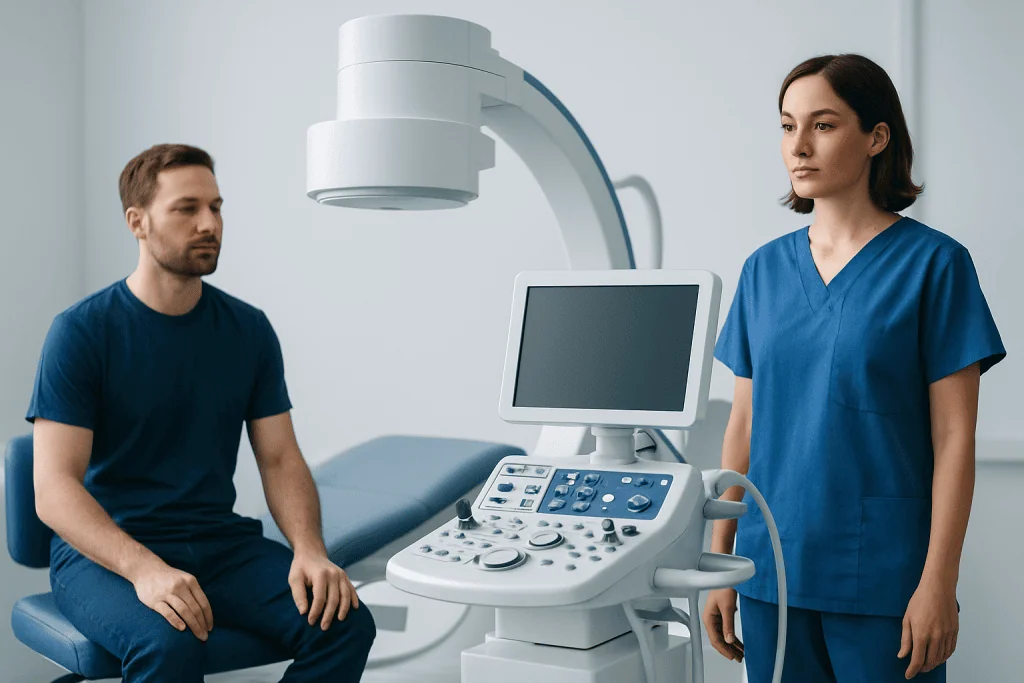
If your treatment is outpatient, you may be able to stay in a hotel and organize your visit around one or several appointments over a few days. Many patients prefer this because it can feel more flexible and familiar. Even so, you should not assume you can sightsee or travel around immediately after every appointment, especially if sedation, contrast imaging, or a painful procedure is involved.
If you are admitted to hospital, your accommodation plan becomes more structured. You may spend part of your trip in hospital and part in a nearby hotel before or after discharge. Your companion may also need separate accommodation, daily transport, and clear visiting information, so it helps to ask about these details in advance.
Your return flight can also differ significantly. After outpatient care, some patients can travel soon, while others should wait until the clinical team confirms it is safe. After hospital treatment, you are more likely to need a longer stay in Turkey for observation, follow-up checks, wound review, medication adjustment, or simply enough recovery time to travel comfortably.
Hospitals used by international patients in Istanbul and other major Turkish cities often have support teams familiar with these needs. In JCI-accredited Acibadem hospitals, for example, international coordinators can help you understand likely timelines so your travel plans are realistic rather than rushed.
What changes in scheduling, tests, and pre-arrival preparation

Outpatient care can sometimes be arranged more quickly, especially if your main need is consultation, diagnostics, a second opinion, or a treatment that does not require overnight monitoring. You may still need blood tests, imaging, medication review, and a medical clearance process, but the schedule is usually tighter and more concentrated.
Hospital treatment generally involves more steps before arrival. You may be asked to send imaging, pathology results, medication lists, past operation notes, and details of any chronic conditions. This allows the team to decide whether more tests are needed before admission and whether any special precautions should be taken.
Another practical difference is the importance of timing. With outpatient care, a missed document or delayed test can be inconvenient. With inpatient treatment, it can affect admission dates, operating room planning, or length of stay. That is why it is wise to keep digital and printed copies of your records, passport, prescriptions, and insurance or payment documents.
If you work with a hospital that has a multidisciplinary approach, your case may be reviewed by several specialists before your arrival. At Acibadem International, this type of coordination can help reduce uncertainty and give you a clearer picture of whether your journey is likely to stay outpatient or require admission after assessment.
Support needs: companion, mobility, language, and discharge
Outpatient visits may seem independent, but many international patients still benefit from bringing someone with them. If you receive sedation, feel anxious, have reduced mobility, or do not speak Turkish, having a companion can make the day much easier. You may need someone to help you return to your hotel, collect medication, or listen to instructions you might forget later.
With hospital treatment, support needs are usually greater and last longer. You may need help packing for admission, managing personal items, keeping family updated, arranging comfort items in your room, and planning what happens after discharge. If you have children, elder-care responsibilities, or work obligations at home, inpatient treatment often requires more advance planning.
Language support matters in both settings. International patient departments can often arrange interpreters so you can understand consent discussions, medication instructions, and follow-up advice. This is particularly important if your care plan changes during your stay and you need to make decisions quickly.
Discharge is another key difference. After outpatient care, you are usually given same-day instructions and can return to your accommodation if medically fit. After an inpatient stay, discharge tends to involve a broader plan covering medication, dressings if needed, warning signs, mobility limits, diet, follow-up timing, and when you can safely travel. Asking for these instructions in clear written English is always a good idea.
Costs, practical arrangements, and what to confirm early
Hospital and outpatient treatment can differ in cost structure even when the medical issue is similar. Outpatient care may involve consultation fees, tests, imaging, and a day procedure, while inpatient treatment may add room charges, nursing care, longer monitoring, pharmacy items, and additional follow-up before discharge. Exact pricing depends on your case, so it is best to ask for an individualized estimate rather than compare general examples online.
For international patients, practical costs also matter. Hotel nights, airport transfers, daily transport, meals for companions, and changed flight dates can affect your overall budget. A treatment plan that looks shorter on paper may still require extra recovery days in Turkey, so it helps to think beyond the hospital bill alone.
Before you travel, confirm what is included, what may be added if the plan changes, and how payment works if doctors decide you need admission after an outpatient assessment. This is not unusual in healthcare, and asking early can prevent stress later. If you are using private insurance or embassy-related coverage, ask what documents are needed before treatment starts.
International patient teams at large groups such as Acibadem International can often explain the operational side clearly, including quotes, expected logistics, and who to contact if your schedule changes. The goal is not to predict every scenario perfectly, but to avoid surprises where possible.
How to decide which setting is more realistic for your trip
The safest approach is to let the treating team classify your care based on your diagnosis, test results, and overall health. If you have major medical conditions, take blood thinners, have a complex surgical history, or are traveling alone, a plan that sounds simple may still require hospital monitoring. On the other hand, many consultations, scans, infusions, endoscopic checks, and minor procedures can be managed without admission.
When speaking with the hospital, ask practical questions as well as medical ones. Will you need fasting? Sedation? A companion on the day? A wheelchair at the airport? A hotel near the hospital? A follow-up visit before flying? These details often tell you more about the real intensity of the trip than the labels outpatient or inpatient alone.
It is also wise to plan for flexibility. Keep some extra time in Turkey if possible, choose changeable flights when you can, and avoid important commitments immediately after your planned return date. This reduces pressure if your recovery is slower than expected or if your care team recommends another check before departure.
Choosing a provider experienced with international patients can make this process smoother. In Acibadem International hospitals, JCI-accredited systems, specialist teams, and coordinated patient services can help you understand the likely pathway and prepare for both the medical and practical parts of your journey.
Step by step
- Send your records before you book travel. Share recent reports, scans, medication lists, and a brief medical summary with the hospital before you finalize flights. This helps the team judge whether your care is likely to be outpatient or require admission and gives you a more realistic schedule.
- Ask exactly how long you should stay in Turkey. Do not ask only how long the procedure takes. Ask how many days are needed for pre-tests, recovery, follow-up, and fitness to fly, because that is what determines your travel plan.
- Plan for a companion if there is any chance of sedation or admission. Even for outpatient care, you may feel tired, sore, or unable to manage alone afterward. For hospital treatment, a companion can also help with communication, daily comfort, and discharge arrangements.
- Confirm what is included and what may change. Request a clear explanation of expected services, possible extra tests, and what happens if doctors recommend overnight monitoring after assessment. This protects you from practical surprises and helps you budget more accurately.
- Choose accommodation and transport around your recovery needs. A nearby hotel, reliable transfer, and minimal stairs can matter more than sightseeing options. If mobility may be limited, ask the hospital or international patient team about suitable arrangements in advance.
- Get written discharge and follow-up instructions. Before leaving the hospital or clinic, make sure you understand medications, warning signs, activity limits, and follow-up timing. Written instructions in English are especially useful once you return to your hotel or home country.
- Leave room for flexibility before your flight home. Try not to schedule your return on the earliest possible day if your treatment might cause fatigue, pain, or the need for another review. An extra buffer day can make your trip feel much safer and less stressful.
Your checklist
- Passport and travel documents
- Recent medical reports, scans, and test results
- List of current medications and allergies
- Comfortable clothing and easy-to-remove shoes
- Contact details for your hospital coordinator
- A companion plan if sedation or reduced mobility is possible
- Hotel and transfer arrangements close to the hospital if needed
- Flexible return travel if recovery timing is uncertain
Key takeaways
- Outpatient treatment usually means same-day care, while hospital treatment includes admission and overnight monitoring.
- For international patients, the biggest differences are travel timing, accommodation, companion needs, and discharge planning.
- Do not rely on the treatment label alone; ask how many total days in Turkey you need and when you can safely fly home.
- Bring complete medical records and confirm early whether extra tests or a change to inpatient care is possible.
- International patient services, interpreters, and coordinated follow-up can make both pathways much easier to manage.
Frequently asked questions
Can an outpatient appointment in Turkey turn into a hospital stay?
Yes, this can happen if your assessment, test results, or overall condition shows that closer monitoring is safer. It does not always mean something is wrong; sometimes it is simply the most appropriate way to manage your care responsibly.
Do I need to stay longer in Turkey for hospital treatment than for outpatient care?
Usually yes. Hospital treatment often requires pre-admission checks, overnight monitoring, discharge review, and some recovery time before flying home. Outpatient care may be shorter, but you can still need follow-up visits depending on the treatment.
Should I bring a companion even if my treatment is outpatient?
In many cases, yes, especially if sedation, anxiety, language barriers, or mobility issues are involved. A companion can help you return to your hotel safely, remember instructions, and provide reassurance during a busy medical day.
What should I ask the hospital before booking my flights?
Ask how many days you should remain in Turkey, whether fasting or sedation is planned, whether you need a companion, and when it is safe to fly after treatment. Also ask what might change if doctors decide you need extra tests or admission.
Are interpreters available for international patients in Turkey?
Many hospitals that serve international patients provide interpreter support through their international patient departments. At Acibadem International, coordinators and interpreters can help you understand appointments, instructions, and practical arrangements more clearly.
Is outpatient care always easier and less disruptive?
Not always. Some outpatient visits involve multiple tests, waiting periods, temporary side effects, or next-day reviews, which can still make travel tiring. It is better to think in terms of support needs and recovery demands rather than assuming outpatient automatically means simple.
What documents are most important for inpatient treatment planning?
Your passport, recent medical records, imaging, pathology if relevant, a medication list, allergy information, and notes about previous surgeries are especially helpful. The more complete your information is before arrival, the easier it is for the hospital to plan your admission safely.
Add us as a Preferred Source to see more of our trusted health content across Google Search, AI Overviews and Discover.

More Patient Guides
When Intensive Care May Be Needed After Surgery in Turkey
Intensive care after surgery in Turkey may be planned or precautionary. Learn what to expect in Istanbul, how families are updated, and…
9 min read
What to Bring for a Day Procedure in Turkey
What to bring for a day procedure in Turkey: pack your ID, medical documents, medications, comfortable clothes and a simple discharge plan.
8 min read
One-Day Evaluation in Turkey: What Can Be Done in a Single Hospital Visit
One-Day Evaluation in Turkey can often include consultations, imaging, and lab tests in one hospital visit in Istanbul, depending on your needs.
9 min read