Multiple Sclerosis: Early Symptoms, MRI Findings, and Living With Relapsing Disease

Multiple sclerosis can cause vision changes, numbness, weakness, balance problems, and fatigue. MRI is a key tool for identifying lesions in the brain and spinal cord and supporting diagnosis.
Key Takeaways
- Multiple sclerosis can cause vision changes, numbness, weakness, balance problems, and fatigue.
- MRI is a key tool for identifying lesions in the brain and spinal cord and supporting diagnosis.
- Relapsing forms of multiple sclerosis often involve periods of new symptoms followed by partial recovery.
- Treatment may include disease-modifying therapy, relapse treatment, rehabilitation, and symptom management.
- Healthy routines, regular follow-up, and emotional support can improve quality of life.
Multiple sclerosis is a chronic condition in which the immune system affects the brain, spinal cord, and optic nerves. Early recognition, MRI evaluation, and long-term treatment can help reduce relapses, manage symptoms, and support daily life.
Overview of Multiple Sclerosis
Multiple sclerosis, often called MS, is a long-term disease of the central nervous system. It affects the brain, spinal cord, and sometimes the optic nerves. In MS, the immune system mistakenly targets myelin, the protective covering around nerve fibers. This can disrupt the flow of signals between the brain and the rest of the body.
MS does not look the same in every person. Some people have mild symptoms that come and go, while others develop more persistent difficulties over time. The disease often begins in early or middle adulthood, but it can appear at other ages as well. Because its symptoms can overlap with other neurological conditions, careful assessment is important.
One of the most common patterns is relapsing-remitting MS. In this form, a person experiences attacks or relapses of new or worsening symptoms, followed by periods of recovery. Recovery may be complete or partial. Over time, some people may notice more ongoing symptoms between relapses.
Although there is currently no cure, many treatments can help reduce disease activity, shorten relapses, and support function and independence. Modern care usually combines medication, rehabilitation, symptom relief, and practical strategies for daily living.
Early Symptoms and How Relapses May Feel
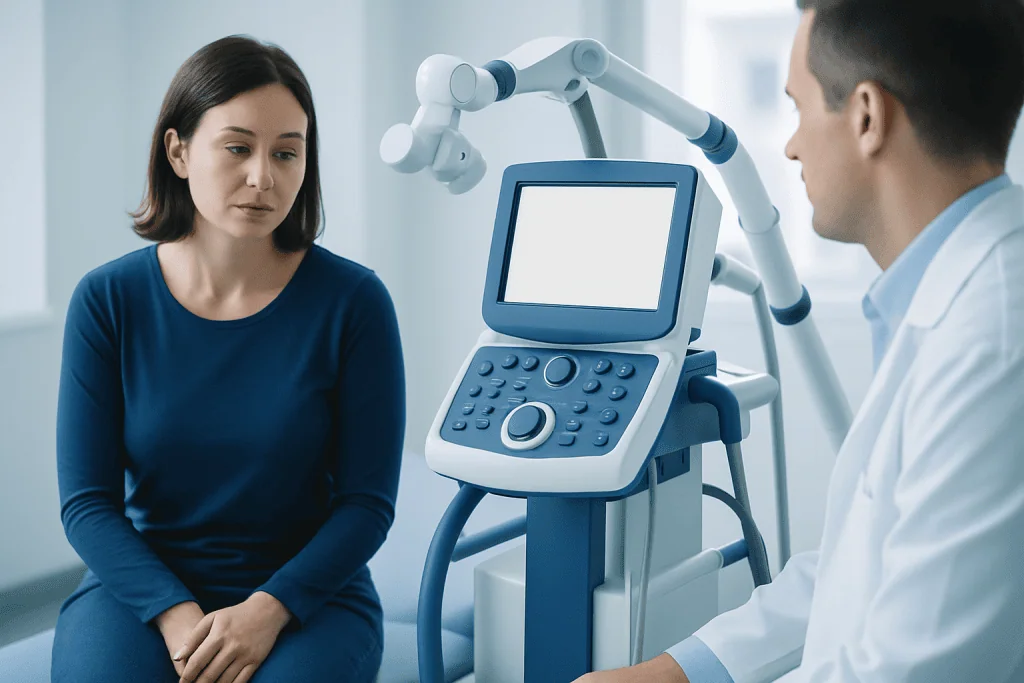
Early symptoms of multiple sclerosis can be subtle and may develop over hours or days. Some people first notice blurred vision, eye pain with movement, numbness, tingling, weakness, dizziness, or unusual fatigue. Others develop problems with balance, walking, concentration, or bladder control. Symptoms depend on which part of the central nervous system is affected.
A relapse is usually defined as a new neurological symptom, or a clear worsening of an old one, lasting more than 24 hours and not explained by fever, infection, or overheating. Relapses can vary in intensity. For example, one person may have temporary numbness in an arm, while another may develop significant weakness, double vision, or trouble walking.
Common symptoms may include:
- Vision loss or blurred vision in one eye
- Numbness or pins-and-needles sensations
- Weakness in an arm or leg
- Balance and coordination problems
- Muscle stiffness or spasms
- Fatigue that feels out of proportion to activity
- Bladder urgency or frequency
- Problems with memory, focus, or word finding
Not every symptom means MS, and not every flare-like experience is a true relapse. Heat, stress, poor sleep, and infections can temporarily worsen existing symptoms without causing new inflammation. This is one reason why medical evaluation is important when new symptoms appear.
Causes, Risk Factors, and Types of MS
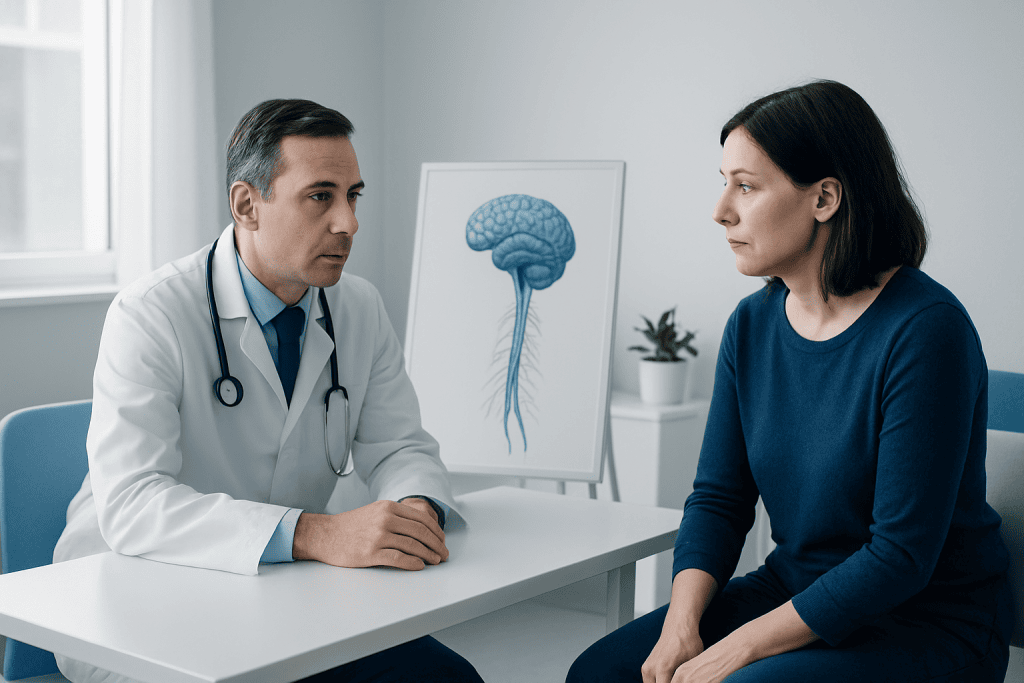
The exact cause of multiple sclerosis is not fully understood. It is considered an immune-mediated disease influenced by a combination of genetic susceptibility and environmental factors. Researchers believe that certain infections, low vitamin D levels, smoking, and other exposures may contribute in some people, but no single factor explains every case.
MS is not usually considered a directly inherited disease, though family history can slightly increase risk. It is more common in women than men and often begins between the ages of 20 and 40. However, diagnosis outside this age range is possible. Risk is also shaped by geography, ethnicity, and immune system factors.
Doctors describe MS in clinical patterns. Relapsing-remitting MS is the most common at diagnosis. Secondary progressive MS may develop later in some people who initially had relapsing disease. Primary progressive MS is less common and tends to involve gradual worsening from the start without clear relapses.
Because symptoms can overlap with conditions such as Parkinson's disease or other inflammatory and neurological disorders, diagnosis depends on a full clinical picture rather than symptoms alone. A neurologist looks at the pattern of symptoms over time, examination findings, and test results together.
MRI Findings and How MS Is Diagnosed
MRI is one of the most important tests for multiple sclerosis. It can show areas of inflammation or damage, often called lesions or plaques, in the brain and spinal cord. These lesions may appear in characteristic locations, such as around the ventricles, in the spinal cord, brainstem, cerebellum, or near the optic pathways. MRI can also help show whether lesions are old or active.
Doctors use MRI findings along with a person’s medical history and neurological examination to determine whether there is evidence of disease activity occurring in different parts of the central nervous system and at different points in time. This principle is often described as dissemination in space and dissemination in time. Sometimes a contrast agent is used during MRI to help identify active inflammation.
Diagnosis may also involve additional tests. These can include blood tests to rule out other conditions, lumbar puncture to look for immune markers in cerebrospinal fluid, and evoked potential tests that measure how quickly nerve signals travel. Eye examination may be important if optic neuritis is suspected. In some cases, advanced MRI imaging of the brain and spinal cord is central to confirming the diagnosis.
An accurate diagnosis matters because several other disorders can mimic MS, including vitamin deficiencies, infections, autoimmune diseases, vascular conditions, and disorders such as brain tumors that can also cause focal neurological symptoms. A specialist review helps ensure that treatment decisions are based on the correct diagnosis.
Treatment Options for Relapsing Multiple Sclerosis
Treatment for relapsing multiple sclerosis has several goals: reducing relapses, limiting new MRI activity, slowing disability progression, and improving day-to-day function. Disease-modifying therapies are the main long-term treatments. These medicines work by influencing the immune system and are chosen based on disease pattern, MRI findings, overall health, pregnancy planning, and patient preferences.
When a significant relapse occurs, doctors may recommend short-term treatment to reduce inflammation and speed recovery. This often involves corticosteroids, though not every relapse needs medication. Supportive care such as rest, hydration, and treating triggers like infection may also be important. If symptoms are severe or recovery is incomplete, a neurologist may consider other therapies in selected cases.
Many people also benefit from treatment focused on specific symptoms. This may include medication or therapy for spasticity, pain, bladder symptoms, fatigue, or mood changes. Physical medicine and rehabilitation can be very helpful. Depending on needs, a care plan may include physical therapy and rehabilitation, occupational therapy, speech therapy, and mobility support.
Ongoing specialist follow-up is important because treatment may need adjustment if relapses continue, MRI shows new lesions, or side effects arise. In comprehensive centers, care may also involve neurology, rehabilitation, neuro-ophthalmology, and neurosurgery in rare situations when another structural neurological problem needs to be assessed. Near the end of the care journey, some international patients choose centers such as Acibadem International, where multidisciplinary specialists in JCI-accredited hospitals evaluate and treat neurological conditions.
Living With MS: Self-care, Rehabilitation, and Daily Life
Living with multiple sclerosis often involves learning how to pace activities and respond to changing energy levels. Fatigue is one of the most common and frustrating symptoms, so planning rest breaks, prioritizing tasks, and keeping routines consistent can help. Many people also find it useful to identify personal triggers that temporarily worsen symptoms, such as heat, poor sleep, stress, or illness.
Exercise is generally encouraged, with adjustments based on ability and safety. Gentle aerobic activity, stretching, strengthening, and balance exercises may help mobility, mood, and overall health. A rehabilitation team can tailor a program to current symptoms and goals. Some people also benefit from cooling strategies, mobility aids, or home modifications that make daily tasks easier.
Healthy habits support general well-being and may make it easier to manage the condition. These include not smoking, eating a balanced diet, staying hydrated, getting adequate sleep, keeping vaccinations up to date when advised by a doctor, and managing other health conditions. Emotional health matters too. Counseling, support groups, and open communication with family can reduce feelings of isolation.
Cognitive changes, depression, and anxiety can occur in MS and deserve the same attention as physical symptoms. Early support may improve work, relationships, and independence. Some people may also need periodic reassessment with imaging such as brain MRI to monitor how the disease is responding to treatment over time.
When to See a Doctor
A person should seek medical assessment if they develop unexplained neurological symptoms such as sudden vision changes, persistent numbness, weakness, double vision, balance problems, or bladder symptoms that do not have an obvious cause. These symptoms do not always mean multiple sclerosis, but they should not be ignored. Early evaluation can help identify the reason and guide timely treatment.
Someone already diagnosed with MS should contact their care team if they notice a possible relapse, worsening mobility, repeated falls, increasing pain, or new problems with bladder control, swallowing, mood, or thinking. It is also important to report side effects from medication, signs of infection, or any difficulty following the treatment plan.
Urgent medical attention is needed for severe weakness, sudden inability to walk, major vision loss, chest symptoms, high fever, or symptoms that raise concern for stroke or another emergency. Because not every new symptom is caused by MS, doctors may need to rule out infection, medication effects, or other neurological conditions such as stroke.
Regular follow-up with a neurologist remains important even when symptoms seem stable. Monitoring allows the care team to track relapses, review MRI results, adjust treatment when needed, and support long-term quality of life.
Frequently asked questions
What are the earliest signs of multiple sclerosis?
Early signs can include blurred vision, pain with eye movement, numbness, tingling, weakness, dizziness, poor balance, and unusual fatigue. Symptoms vary depending on which nerves are affected, so no single symptom confirms MS. A doctor can help determine whether the pattern suggests MS or another condition.
Can MRI confirm multiple sclerosis on its own?
MRI is very important, but it usually does not confirm MS by itself. Doctors combine MRI findings with symptoms, neurological examination, and sometimes spinal fluid or other tests. This helps distinguish MS from other conditions that can look similar on imaging.
What does a relapse in relapsing MS look like?
A relapse usually means new neurological symptoms, or a clear worsening of old symptoms, lasting more than 24 hours. Examples include new numbness, vision loss, weakness, or difficulty walking. Temporary worsening caused by heat, fever, or infection may feel similar but is not always a true relapse.
Is multiple sclerosis curable?
There is currently no cure for multiple sclerosis. However, many treatments can reduce relapses, limit new disease activity on MRI, and help manage symptoms. With ongoing care, many people continue work, family life, and daily activities for many years.
Can people with multiple sclerosis exercise safely?
In many cases, yes. Exercise is often encouraged because it can support strength, flexibility, balance, mood, and overall health. A doctor or rehabilitation professional can recommend a safe program based on symptoms, fitness level, and mobility.
Does every person with relapsing MS become progressively disabled?
No. The course of MS is different from person to person, and modern treatment has improved disease control for many patients. Early diagnosis, appropriate medication, rehabilitation, and healthy habits may all help preserve function over time.
This article is for general information only and is not a substitute for professional medical advice. Please consult a qualified doctor about your individual situation.
Multiple Sclerosis in Turkey — costs, top hospitals & a free quote
JCI-accredited · board-certified surgeons · reply within 24h
Add us as a Preferred Source to see more of our trusted health content across Google Search, AI Overviews and Discover.

Physical Medicine & Rehabilitation
Restoring movement and function after injury, surgery or neurological conditions.
152 specialists in this unitMore from the Health Library

Sjogren’s Syndrome: Dry Eyes, Dry Mouth, and Autoimmune Testing

What Is Hashimoto’s Thyroiditis? Symptoms, Antibodies, and Treatment

Kidney Stones: Warning Signs, Causes, and Treatment

Urinary Tract Infection: Burning Urination, Testing, and Antibiotic Treatment

What Is FMLA Leave for a Medical Condition? Eligibility and Doctor Documentation

Addison’s Disease: Low Cortisol Symptoms, Causes, and Emergency Warning Signs
Physical Medicine & Rehabilitation Specialists at Acibadem

Fzt. Cüneyt Karoğlu
Physical Medicine & Rehabilitation
Damla Tuncay
Physical Medicine & Rehabilitation
Fzt. Defne Sürek
Physical Medicine & Rehabilitation
Fzt. Demet Orhan
Physical Medicine & Rehabilitation