What Is Marfan Syndrome? Heart, Eye, and Skeletal Signs to Know

Marfan syndrome is usually caused by a change in the FBN1 gene and can run in families. Common features may involve tall stature, long limbs, chest or spine differences, eye problems, and heart or aortic disease.
Key Takeaways
- Marfan syndrome is usually caused by a change in the FBN1 gene and can run in families.
- Common features may involve tall stature, long limbs, chest or spine differences, eye problems, and heart or aortic disease.
- The most important health concern is weakening or enlargement of the aorta, which requires regular monitoring.
- Diagnosis often includes a physical exam, family history, heart imaging, eye examination, and sometimes genetic testing.
- Treatment focuses on monitoring, medicines, lifestyle adjustments, and surgery when needed.
Marfan syndrome is a genetic connective tissue disorder that can affect many parts of the body, especially the heart, blood vessels, eyes, bones, and joints. Early diagnosis and regular follow-up can help reduce complications and support a healthy, active life.
Overview
Marfan syndrome is an inherited disorder that affects connective tissue. Connective tissue helps support and strengthen structures throughout the body, including the heart, blood vessels, eyes, bones, ligaments, and skin. Because this tissue is found in many organs, Marfan syndrome can cause a wide range of signs and symptoms.
The condition is most often linked to a change in the FBN1 gene, which helps the body make fibrillin-1, an important protein in connective tissue. Some people inherit the condition from a parent, while others develop it because of a new genetic change. Marfan syndrome can affect children and adults, and the severity varies from person to person, even within the same family.
One of the main reasons early diagnosis matters is the effect Marfan syndrome can have on the aorta, the large blood vessel that carries blood from the heart to the rest of the body. Weakening or enlargement of the aorta can increase the risk of serious complications if it is not identified and monitored. With regular care, many people with Marfan syndrome can manage the condition well and maintain good quality of life.
Symptoms and Signs
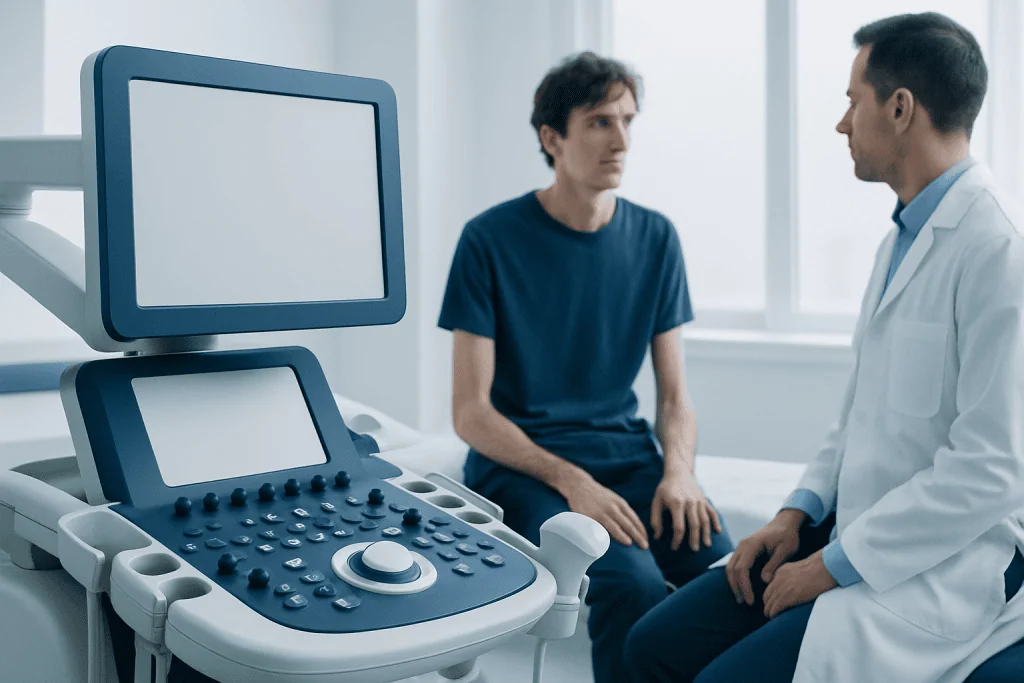
Marfan syndrome often affects body shape and the musculoskeletal system. A person may be taller than expected for their family, with long arms, long legs, long fingers, and flexible joints. Some people have a breastbone that sinks inward or protrudes outward, a curved spine, flat feet, or a high-arched palate. These features may be subtle in some individuals and more noticeable in others.
Eye problems are also common. The lens inside the eye may move out of its normal position, a condition called lens dislocation. Nearsightedness may occur, and some people are at higher risk for retinal problems, early cataracts, or glaucoma. Regular eye examinations are important because some changes can affect vision gradually.
Heart and blood vessel findings are especially important. The wall of the aorta may stretch and widen over time, a problem known as aortic dilation. Some people also have valve problems, especially involving the mitral or aortic valve, which may cause a heart murmur, palpitations, shortness of breath, or fatigue. In some cases, symptoms are mild at first, so routine medical follow-up can detect changes before they become urgent.
- Long limbs and fingers
- Curved spine or chest wall differences
- Joint looseness or flat feet
- Nearsightedness or lens dislocation
- Heart murmur, palpitations, or breathlessness
- Aortic enlargement found on imaging
Causes and Risk Factors

Marfan syndrome is usually caused by a mutation in the FBN1 gene. This gene provides instructions for making fibrillin-1, a protein that helps connective tissue stay strong and elastic. When fibrillin-1 is altered, tissues may become less stable, especially in places that are under repeated strain, such as the aorta, ligaments, and the structures of the eye.
The condition follows an autosomal dominant inheritance pattern. This means a child can develop Marfan syndrome if they inherit the changed gene from one affected parent. However, not every person with Marfan syndrome has a family history. In some cases, the gene change happens for the first time in that person.
Risk is not influenced by lifestyle, diet, or common daily habits, because Marfan syndrome is genetic. Still, certain physical demands may increase stress on the aorta in someone who already has the condition. It is also important to note that Marfan syndrome can resemble other connective tissue disorders, so specialist assessment may be needed to distinguish it from conditions with similar features.
How Marfan Syndrome Is Diagnosed
Diagnosis is based on a combination of medical history, family history, physical findings, and testing. Doctors look for characteristic features involving the skeleton, eyes, heart, and blood vessels. They may also ask whether close relatives have had Marfan syndrome, an enlarged aorta, sudden cardiac events, or similar body features.
Heart evaluation commonly includes echocardiography to measure the aorta and check the heart valves. In some cases, CT or MRI may be used for a more detailed view of the aorta. An ophthalmologist can examine the eyes for lens dislocation and other changes. Genetic testing may help confirm the diagnosis, especially when findings are not clear or when screening family members.
Doctors often use established clinical criteria to help determine whether a person has Marfan syndrome. Because the condition can overlap with other disorders, evaluation may involve more than one specialty. If there is concern about the aorta or valve function, careful aortic aneurysm evaluation may be part of the diagnostic process.
Treatment and Long-Term Care
There is no single cure for Marfan syndrome, so treatment focuses on monitoring, preventing complications, and addressing the body systems involved. Regular follow-up is central to care. Many people need periodic heart imaging to track the size of the aorta and assess heart valve function. Eye examinations and orthopedic review may also be recommended depending on symptoms.
Medicines may be used to reduce strain on the aorta and help slow enlargement. Treatment plans are individualized based on age, body size, symptoms, imaging results, and family history. If severe valve disease is present, doctors may discuss options used in heart valve surgery. If the aorta becomes significantly enlarged or unstable, surgical treatment may be needed, sometimes including aortic surgery.
Supportive care can also make a meaningful difference. This may include glasses or contact lenses, treatment for spinal or chest wall issues, pain management, physiotherapy, and guidance about safe activity levels. In selected cases, genetic counseling can help individuals and families understand inheritance, testing, and family planning. Near the end of the care pathway, some international patients may seek assessment at centers such as Acibadem International, where multidisciplinary specialists in JCI-accredited hospitals diagnose and treat Marfan syndrome.
Prevention and Self-Care
Marfan syndrome itself cannot be prevented because it is genetic, but complications can often be reduced with good ongoing care. Regular appointments are one of the most important self-care steps. Imaging of the heart and aorta, routine eye exams, and follow-up for bone or joint problems can help detect changes early.
Activity choices matter. Many people are advised to avoid heavy weightlifting, intense contact sports, and activities that cause sudden spikes in blood pressure or put excess strain on the chest. Doctors can offer individualized advice about exercise, work demands, and pregnancy planning. Healthy sleep, balanced nutrition, and not smoking support overall cardiovascular health, even though they do not change the genetic cause.
Family members may also benefit from evaluation when Marfan syndrome is diagnosed in one person. Screening can help identify relatives who need monitoring, including those who feel well. Keeping a record of test results, symptoms, and family history can make long-term care more organized and effective.
When to See a Doctor
Anyone with features that suggest Marfan syndrome should speak with a doctor, especially if they have a family history of the condition, an enlarged aorta, or unexplained sudden cardiac events in relatives. Medical review is also important for children and teenagers with rapid growth, long limbs, chest wall changes, spinal curvature, or significant vision problems.
People already diagnosed with Marfan syndrome should seek prompt medical attention if they develop sudden chest, back, or abdominal pain, fainting, severe shortness of breath, or sudden vision changes. These symptoms do not always mean a serious complication, but they should be assessed without delay because the heart, aorta, and eyes can be involved.
Ongoing follow-up with appropriate specialists is essential even when symptoms seem mild. A coordinated team may include cardiology, ophthalmology, orthopedics, genetics, and primary care. Early evaluation and regular monitoring are the best ways to protect long-term health.
Frequently asked questions
What is Marfan syndrome?
Marfan syndrome is a genetic disorder that affects connective tissue, which supports many structures in the body. It commonly involves the heart, aorta, eyes, bones, and joints. The condition can vary widely from one person to another.
Is Marfan syndrome inherited?
Yes, Marfan syndrome is often inherited from a parent in an autosomal dominant pattern. This means a child can develop the condition if one parent carries the changed gene. In some people, it happens because of a new genetic change with no previous family history.
Why is the heart a major concern in Marfan syndrome?
The aorta can become enlarged or weakened in people with Marfan syndrome. This raises the risk of serious complications if it is not monitored and treated when necessary. Regular heart imaging helps doctors watch for changes early.
Can Marfan syndrome affect eyesight?
Yes, the condition can affect the eyes in several ways, including lens dislocation, nearsightedness, and a higher risk of other eye problems. Regular eye examinations are important even if vision seems stable. Early treatment can help protect eyesight.
How is Marfan syndrome diagnosed?
Doctors diagnose Marfan syndrome using a combination of physical examination, family history, heart imaging, eye examination, and sometimes genetic testing. There is not always a single test that gives the full answer. Diagnosis often involves more than one specialist.
Can people with Marfan syndrome exercise?
Many people can stay active, but exercise plans usually need to be tailored to reduce strain on the aorta and heart. High-intensity contact sports and heavy lifting may not be advised. A doctor can recommend safer types and levels of activity.
This article is for general information only and is not a substitute for professional medical advice. Please consult a qualified doctor about your individual situation.
Joint and spine care in Turkey — expert assessment & treatment
JCI-accredited · board-certified surgeons · reply within 24h
Add us as a Preferred Source to see more of our trusted health content across Google Search, AI Overviews and Discover.

More from the Health Library

Brain AVM: Seizures, Headaches, and When Imaging Finds an Abnormal Tangle of Vessels

Conditions: When a Health Problem Becomes Chronic or Serious

What Is Chronic Inflammatory Disease? Causes, Stages, and Long-Term Care

Meniere’s Disease: Vertigo Attacks, Hearing Changes, and Treatment Options

When Conditions Qualify for Disability Benefits: Medical Criteria Explained