Fasting Blood Tests: Which Ones Require It and What Happens If You Forget?

Many blood tests do not require fasting, but some do, especially tests for blood sugar, cholesterol, and certain metabolic measurements. Fasting usually means no food or caloric drinks for 8–12 hours, though plain water is generally allowed unless a doctor says otherwise.
Key Takeaways
- Many blood tests do not require fasting, but some do, especially tests for blood sugar, cholesterol, and certain metabolic measurements.
- Fasting usually means no food or caloric drinks for 8–12 hours, though plain water is generally allowed unless a doctor says otherwise.
- If a person accidentally eats or drinks something other than water, they should tell the lab or doctor rather than trying to hide it.
- Taking medicines, drinking coffee, chewing gum, smoking, and vigorous exercise may affect some fasting test results.
- Scheduling a morning appointment often makes fasting easier and more comfortable.
Fasting blood tests help measure certain substances in the blood more accurately by reducing the short-term effects of food and drink. Not all blood tests require fasting, so it is important to follow the instructions given for the specific test.
Overview
Fasting blood tests are blood tests done after a period without eating, and sometimes without anything except plain water. The purpose is to reduce the immediate effects of recent meals on the substances being measured. This can make some results easier to interpret and, in certain cases, more accurate.
Not every blood test requires fasting. Many routine blood tests can be done at any time of day, regardless of when a person last ate. Because recommendations vary by test and by the reason the test is being ordered, the safest approach is to follow the instructions from the doctor, laboratory, or clinic.
When fasting is required, it often means no food for 8 to 12 hours before the blood draw. Water is usually encouraged because it helps prevent dehydration and may make blood collection easier. If the instructions are unclear, it is best to ask before the appointment rather than guessing.
Which Blood Tests Usually Require Fasting
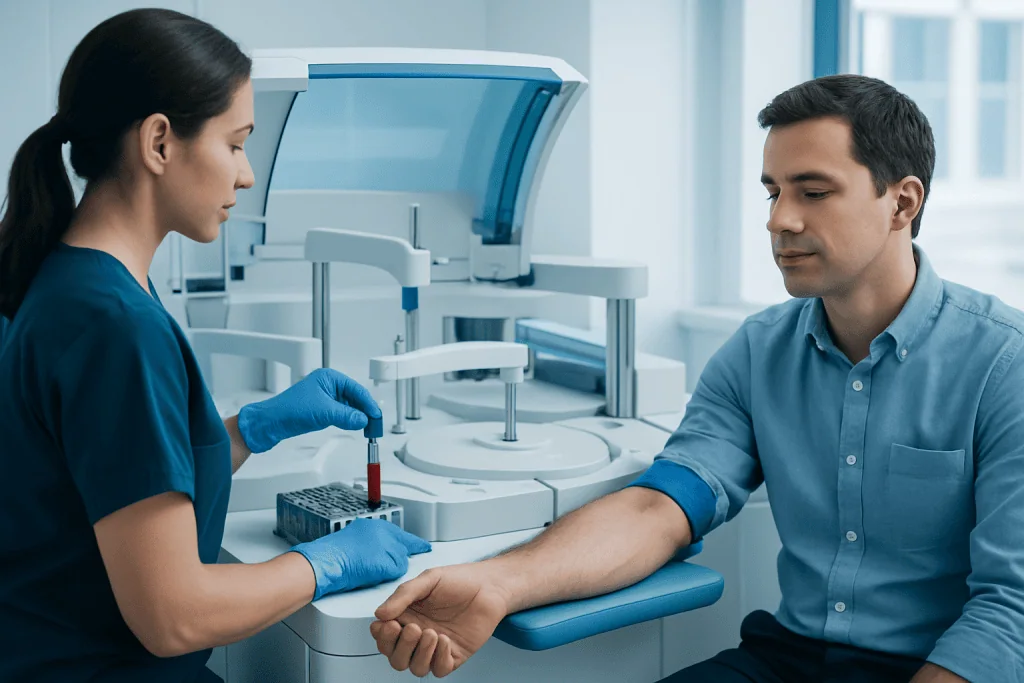
Some blood tests are more affected by recent food intake than others. Fasting is commonly requested for tests that measure blood sugar, fats in the blood, or certain metabolic markers. In these cases, eating may temporarily raise or lower the value and make the result harder to compare with standard reference ranges.
Tests that may require fasting include:
- Fasting blood glucose
- Lipid panel or cholesterol testing, depending on the specific situation and laboratory protocol
- Oral glucose tolerance testing
- Some comprehensive metabolic assessments when ordered for a specific reason
- Certain vitamin, iron, or endocrine tests if the clinician requests fasting
Many other tests usually do not require fasting, such as complete blood count, many thyroid tests, and a large number of infection, inflammation, or organ function tests. However, there are exceptions. A doctor may request fasting to standardize conditions, especially when repeating earlier tests or monitoring an ongoing condition such as diabetes.
What Fasting Usually Means

For most fasting blood tests, fasting means no food and no drinks that contain calories for a set period, often 8 to 12 hours. This includes snacks, juice, milk, sweetened tea or coffee, and nutritional drinks. Plain water is usually permitted and may even be recommended.
Some people are surprised that small habits can also matter. Depending on the test, black coffee, chewing gum, smoking, alcohol, and strenuous exercise may influence the result. These do not always invalidate a test, but they can affect measurements such as glucose, lipids, hormones, or dehydration status.
Medicines should not be stopped unless a doctor specifically advises it. Some medicines need to be taken on schedule, even on the morning of a test. If a person is unsure whether to take a medication before a fasting test, contacting the doctor or laboratory ahead of time is the safest option.
What Happens If a Person Forgets to Fast
If a person accidentally eats or drinks something other than water before a fasting blood test, the most important step is to tell the healthcare team. This information helps the laboratory and doctor interpret the result properly. In some cases, the test may still be done but labeled as non-fasting. In other cases, it may need to be rescheduled.
Eating before a fasting test can change results in different ways. Blood sugar may rise after a meal, and triglycerides can increase for several hours. This does not necessarily mean something is wrong; it may simply reflect recent food intake rather than the body’s baseline state.
Trying to continue with the test without mentioning the mistake can lead to confusion, repeat testing, or an unnecessary worry about an abnormal result. Being honest saves time and supports better decision-making. If the missed fast affects a planned screening or follow-up, the doctor may recommend repeating the test under the correct conditions.
How to Prepare for a Fasting Blood Test
Preparation is usually simple, but a few practical steps can make the experience smoother. Many people find it easiest to book the test early in the morning so most of the fasting period happens overnight. Drinking enough water the day before and the morning of the test, if allowed, can help keep veins easier to access.
Helpful preparation tips include:
- Confirm how many hours of fasting are required
- Ask whether water, black coffee, or usual medicines are allowed
- Avoid alcohol the night before unless told otherwise
- Skip intense exercise before the test if fasting instructions mention it
- Bring a snack to eat after the blood draw if needed
People with diabetes, pregnancy, a history of fainting, or other medical conditions may need more individualized advice. For example, someone who takes insulin or glucose-lowering medication should not assume standard fasting instructions apply without checking first. In these situations, the timing of meals, medicines, and blood testing may need to be coordinated carefully.
How Results Are Interpreted
Blood test results are interpreted in context, not in isolation. Doctors consider whether the sample was fasting or non-fasting, the time of day, medications, symptoms, and the reason the test was ordered. A value that looks unexpected may not indicate disease if the pre-test instructions were not followed exactly.
For example, glucose testing may be used to screen for or monitor conditions such as prediabetes and diabetes. Lipid testing may help assess heart and blood vessel risk. Depending on the question being asked, a doctor may prefer a fasting measurement or may decide that a non-fasting result is still useful.
If a result is abnormal, the next step is not always treatment. Sometimes the best step is simply to repeat the test under standardized conditions. In other situations, the doctor may order additional evaluation, such as a general health check-up or more specific laboratory testing, to clarify what the result means for that individual person.
When to Ask a Doctor or the Lab
It is sensible to ask questions before the appointment if any instructions are unclear. Common concerns include whether plain water is allowed, whether morning medications should be taken, and what to do if fasting feels difficult. Getting clear advice in advance can prevent unnecessary delays or repeat visits.
A person should also speak up if they feel unwell during fasting, especially if they have dizziness, weakness, sweating, or symptoms of low blood sugar. This is particularly important for children, older adults, pregnant people, and anyone with diabetes or another condition that affects eating schedules.
If further assessment is needed, doctors may combine blood work with other evaluations such as preventive check-up screening or targeted tests depending on the person’s age, symptoms, and health history. Acibadem International’s multidisciplinary specialists and JCI-accredited hospitals diagnose and manage conditions identified through laboratory testing for international patients.
Frequently asked questions
How long should a person fast before a blood test?
The fasting period depends on the test, but many fasting blood tests require 8 to 12 hours without food. Plain water is often allowed during that time. The exact instructions should come from the doctor or laboratory.
Can a person drink water before a fasting blood test?
In most cases, yes. Plain water is usually allowed and can help prevent dehydration, which may make blood collection easier. If the test has special instructions, the lab or doctor will explain them.
Does coffee break a fast for blood work?
It can. Even black coffee may affect some test results, and coffee with milk or sugar clearly breaks a fast for most fasting blood tests. If the instructions do not specifically allow coffee, it is safest to avoid it.
What if a person accidentally ate before a fasting test?
They should tell the lab or doctor as soon as possible. The test may still be done and interpreted as non-fasting, or it may be rescheduled depending on what is being measured. Being honest helps avoid misleading results.
Do all cholesterol tests require fasting?
Not always. Many clinicians now use non-fasting lipid tests in appropriate situations, but fasting may still be preferred for certain measurements or follow-up testing. The decision depends on the person's medical history and the purpose of the test.
Should medicines be taken before a fasting blood test?
Many medicines should still be taken as prescribed, but some tests require special timing. A person should never stop a medicine on their own just because they are fasting. If there is any uncertainty, they should ask the prescribing doctor or the laboratory before the test.
This article is for general information only and is not a substitute for professional medical advice. Please consult a qualified doctor about your individual situation.
Explore treatments in Turkey — costs, top hospitals & a free quote
JCI-accredited · board-certified surgeons · reply within 24h
Add us as a Preferred Source to see more of our trusted health content across Google Search, AI Overviews and Discover.
Check your numbers in seconds
BMI, calories, due date, blood pressure and 30+ more clinical calculators — free, instant, doctor-reviewed ranges.

More from the Health Library

Quest Diagnostics Login and MyQuest: What the Patient Portal Lets You Do

Abdominal Ultrasound: What It Shows and When Doctors Use It

Does Quest Accept Walk-Ins? How Lab Check-In Works and When You May Need an Appointment

How to Prepare for a Diagnostic Test: Fasting, Medications, and Timing

Labcorp Patient Portal: How to View Results and Track Your Tests