How to Prepare for a Diagnostic Test: Fasting, Medications, and Timing
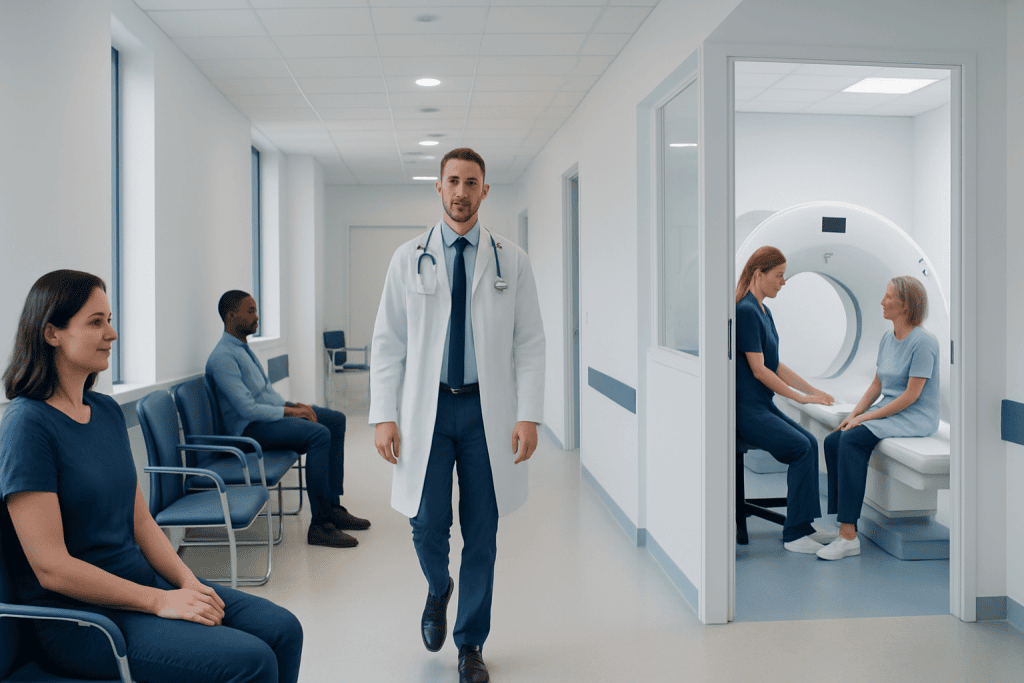
Preparation instructions vary by test, so patients should follow the advice given for their specific appointment. Fasting may mean avoiding all food for several hours, but water is sometimes allowed unless the care team says otherwise.
Key Takeaways
- Preparation instructions vary by test, so patients should follow the advice given for their specific appointment.
- Fasting may mean avoiding all food for several hours, but water is sometimes allowed unless the care team says otherwise.
- Medications should not be stopped or changed unless a doctor or testing center specifically advises it.
- Timing matters because some tests are most accurate at certain times of day or after a set preparation period.
- Patients should tell the care team about pregnancy, allergies, diabetes, implanted devices, and any medicines or supplements they use.
Diagnostic test preparation often includes questions about fasting, regular medications, fluids, and arrival time. Following the exact instructions for each test helps improve accuracy, reduce delays, and make the experience smoother.
Overview
Diagnostic test preparation is the set of instructions a person follows before blood tests, imaging scans, heart studies, endoscopy, or other medical examinations. These instructions are designed to help the test measure the right thing at the right time. Even simple steps, such as arriving early or avoiding breakfast, can affect whether a result is clear and reliable.
Preparation is not the same for every test. Some tests require fasting, while others require drinking water, avoiding caffeine, taking usual medicines, or stopping certain products for a short period. The most important rule is to follow the instructions from the ordering doctor or testing center rather than relying on general advice from friends, websites, or past appointments.
When people understand why instructions matter, preparation usually feels less stressful. It can help to review the appointment details one or two days ahead, make a written list of questions, and call the clinic if anything is unclear. Good preparation may reduce the chance that a test needs to be delayed or repeated.
Why Preparation Matters
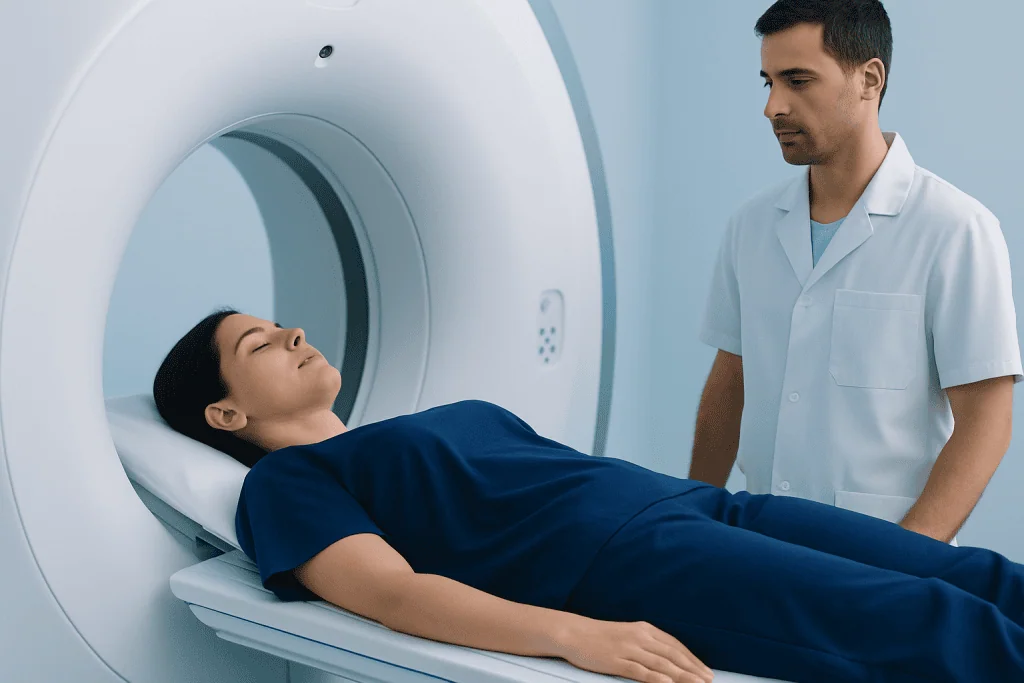
Many diagnostic tests depend on the body’s normal chemistry and activity at the time of testing. Food, exercise, caffeine, nicotine, dehydration, and medications can all change measurements. For example, eating before certain blood tests can affect glucose or lipid results, and movement before some heart or imaging tests may influence findings.
Preparation also helps with safety and comfort. Some scans use contrast dye, and the team may need to know about kidney problems, allergies, asthma, or pregnancy in advance. Some procedures require sedation, which may mean arranging transportation home and avoiding food or drink for a defined period beforehand.
In practical terms, careful preparation saves time. If the requirements are not met, the appointment may need to be rescheduled. This can delay diagnosis and treatment planning, so it is worth checking details such as arrival time, paperwork, and whether someone should come along.
Fasting: What It Usually Means

Fasting before a test usually means not eating for a specific number of hours. Depending on the test, this may also include avoiding milk, juice, coffee, chewing gum, or sweets. In some cases, plain water is allowed and even encouraged, but in others a person may be asked not to drink anything at all for a period of time. The exact meaning of fasting should always come from the clinic’s instructions.
Common tests that may involve fasting include some blood tests, abdominal ultrasound, sedation-related procedures, and certain metabolic or endocrine studies. The fasting window may differ from one test to another, so a person should not assume that the instructions are the same as for a previous appointment. If there is any doubt, it is safest to ask before the day of testing.
Helpful points to remember include:
- Follow the number of fasting hours exactly.
- Ask whether plain water is allowed.
- Avoid alcohol unless the care team says it is acceptable.
- Check whether morning medicines can be taken during the fasting period.
- Tell the clinic if fasting may be difficult because of diabetes, pregnancy, or another health condition.
People with diabetes need special guidance because fasting can affect blood sugar. They should not guess about insulin or diabetes tablets. The testing center or prescribing doctor can explain how to balance fasting requirements with safe glucose management.
Medications, Supplements, and Other Substances
Many people wonder whether they should stop regular medicines before a diagnostic test. In most cases, medicines should be continued unless a doctor specifically advises otherwise. Stopping a prescribed medicine without guidance may be harmful, especially for heart disease, blood pressure, epilepsy, thyroid disease, asthma, or mental health conditions.
That said, some tests do require temporary changes. Examples may include blood thinners before an invasive procedure, diabetes medicines during fasting, iron supplements before some stool tests, or medicines that can affect hormone or heart rhythm measurements. Vitamins, herbal products, bodybuilding supplements, and over-the-counter pain relievers can also matter, so the care team should know about all of them.
Patients should also ask about substances that are easy to overlook. Caffeine, nicotine, alcohol, and recreational drugs may interfere with some cardiac, imaging, or laboratory studies. A brief and honest medication list helps the team decide what is safest and most accurate. If a person is not sure whether something counts, it is best to mention it.
For imaging or specialized studies such as MRI scans or CT scans, the team may ask additional questions about contrast dyes, kidney function, allergies, and implanted devices. This is a routine part of preparation and helps tailor the test to the patient’s needs.
Timing, Scheduling, and Practical Planning
Timing can influence both test accuracy and convenience. Some blood tests are best done in the morning because hormone levels, fasting status, or medication timing can affect the result. Other tests need to be performed after a specific waiting period, such as several hours after eating or after a medicine has been taken. The laboratory or doctor usually sets these details for a reason.
Arriving on time is also part of preparation. Some appointments include check-in, changing clothes, placing an IV line, drinking oral contrast, or resting before the test starts. Arriving too late may shorten this preparation time and lead to delays. If the center advises arriving 15 to 30 minutes early, it is wise to plan for traffic, parking, and registration.
Patients can make the day easier by preparing in advance. Comfortable clothing, a list of medicines, previous test reports, and identity documents may all be useful. For procedures involving sedation or if a person expects to feel unwell afterward, arranging support and transportation ahead of time is important.
Depending on the reason for testing, preparation may also differ between studies such as ultrasound and PET-CT imaging. Patients should always read the instructions linked to their exact appointment rather than assuming the same rules apply to every scan.
What to Tell the Care Team Before the Test
Sharing accurate medical information before a test helps the team choose the safest approach. Important details include pregnancy or the possibility of pregnancy, breastfeeding, allergies, kidney disease, asthma, diabetes, bleeding disorders, and any implanted devices such as pacemakers, joint replacements, or metal fragments. These details can influence the type of test, the use of contrast, or whether extra precautions are needed.
Patients should also mention claustrophobia, difficulty lying flat, hearing problems, language needs, and previous reactions to sedation or contrast dye. These concerns are common and can often be managed well when the team knows in advance. For some procedures, a translator, extra explanation, or a different testing plan may be arranged.
It is equally helpful to report recent illness. Fever, vomiting, diarrhea, dehydration, or an active infection may affect some test results or make fasting harder. If a person is unsure whether to keep the appointment, calling the clinic ahead of time is better than waiting until arrival.
After the Test and Common Questions
After many diagnostic tests, a person can return to normal food, fluids, and usual activities right away. However, some procedures involve sedation, contrast material, or temporary restrictions. The testing center may advise drinking extra water, watching for mild side effects, or avoiding driving for the rest of the day. These instructions are routine and help support recovery and safety.
Results are not always available immediately. Some tests require a radiologist, pathologist, or specialist to review the findings before the referring doctor explains what they mean. A person should ask when and how results will be shared, especially if follow-up planning depends on them.
It can be useful to write down any symptoms experienced during the test, such as dizziness, rash, shortness of breath, or pain, and report them before leaving. Most people complete diagnostic testing without significant problems, but the team should know about anything unusual. If a patient is receiving care abroad, Acibadem International’s multidisciplinary specialists and JCI-accredited hospitals can support diagnosis and treatment planning for international patients.
When to Call the Clinic or See a Doctor
Patients should contact the clinic before the appointment if they accidentally eat during a fasting period, miss a key medication, become unwell, or are unsure about the instructions. The team can often advise whether the test can still go ahead or needs to be rescheduled. Calling early may prevent an unnecessary trip and reduce stress.
Medical advice should also be sought promptly if a person develops warning symptoms after a test, especially after contrast or sedation. These may include trouble breathing, facial swelling, severe rash, chest pain, fainting, persistent vomiting, significant bleeding, or worsening pain. Such symptoms do not happen to most people, but they should not be ignored.
For non-urgent concerns, patients can ask practical questions such as when to restart medications, when they can eat, and when to expect results. Clear communication before and after testing helps people feel more prepared and informed throughout the diagnostic process.
Frequently asked questions
Can a person drink water while fasting for a diagnostic test?
Sometimes yes, but it depends on the test. Many fasting blood tests allow plain water, while some procedures require no food or drink at all for a set period. The safest approach is to follow the exact instructions from the testing center.
Should regular medications be stopped before a test?
Usually not unless a doctor or the testing team specifically says so. Some medicines need to be adjusted for fasting or invasive procedures, but stopping them without guidance can be unsafe. Patients should bring a full list of prescription medicines, over-the-counter products, vitamins, and supplements.
What happens if someone accidentally eats before a fasting test?
The person should call the clinic as soon as possible and explain what was eaten and when. Depending on the type of test, the team may still proceed or may recommend rescheduling. It is better to ask rather than assume.
Why are some tests scheduled in the morning?
Some tests are more accurate when done after overnight fasting or when body hormone levels follow a daily pattern. Morning appointments can also make fasting easier and reduce disruption to regular meals and medicines. The timing is usually chosen to improve reliability.
Do caffeine and smoking matter before diagnostic tests?
They can. Caffeine and nicotine may affect heart rate, blood pressure, certain imaging studies, and some laboratory results. If the instructions mention avoiding coffee, tea, energy drinks, or smoking, that advice should be followed carefully.
What should a person tell the care team before imaging with contrast or sedation?
They should mention allergies, kidney problems, asthma, pregnancy, diabetes, previous reactions to contrast, and all medicines they take. Implanted devices, claustrophobia, and any need for language support are also important to share. This information helps the team choose the safest and most appropriate plan.
References
- World Health Organization
- Centers for Disease Control and Prevention
- National Institutes of Health
- American College of Radiology
- MedlinePlus
This article is for general information only and is not a substitute for professional medical advice. Please consult a qualified doctor about your individual situation.
Explore treatments in Turkey — costs, top hospitals & a free quote
JCI-accredited · board-certified surgeons · reply within 24h
Add us as a Preferred Source to see more of our trusted health content across Google Search, AI Overviews and Discover.
Check your numbers in seconds
BMI, calories, due date, blood pressure and 30+ more clinical calculators — free, instant, doctor-reviewed ranges.

More from the Health Library

Related Specialists

Prof. Dr. Ercan Karaarslan
Radiology
Prof. Dr. Bora Peynircioğlu
Interventional Radiology
Prof. Dr. Koray Güven
Interventional Radiology
Assoc. Prof. Dr. Deniz Can Aliş
Radiology