Gallstones: Upper Right Abdominal Pain, Ultrasound, and Treatment Choices

Gallstones are hardened deposits that form in the gallbladder, often from cholesterol or pigment in bile. Many people have gallstones without symptoms, but some develop episodes of upper right abdominal pain after meals.
Key Takeaways
- Gallstones are hardened deposits that form in the gallbladder, often from cholesterol or pigment in bile.
- Many people have gallstones without symptoms, but some develop episodes of upper right abdominal pain after meals.
- Ultrasound is the main imaging test for diagnosing gallstones and checking for gallbladder inflammation.
- Treatment depends on symptoms and complications; symptomatic gallstones are often treated with gallbladder removal surgery.
- Urgent medical care is important if pain is severe, persistent, or accompanied by fever, vomiting, or jaundice.
Gallstones are common and often harmless, but they can sometimes block the flow of bile and cause upper right abdominal pain, nausea, or inflammation. Ultrasound is usually the first test used to confirm gallstones and help decide whether monitoring, medicines, or surgery is the best treatment.
Overview of Gallstones
Gallstones are small, hardened deposits that form in the gallbladder, a small organ under the liver that stores bile. Bile helps the body digest fats. When the substances in bile become imbalanced, crystals can form and gradually turn into stones. Some gallstones are as small as grains of sand, while others can grow much larger.
Many people with gallstones never notice them. These are sometimes found by chance during an ultrasound or another imaging test done for a different reason. In people without symptoms, treatment may not be needed right away. However, when gallstones block the normal flow of bile, they can cause pain and other digestive symptoms.
The classic discomfort from gallstones is pain in the upper right part of the abdomen, especially after a fatty or heavy meal. This pain may come in episodes and can radiate to the back or right shoulder. In some cases, gallstones can lead to complications such as inflammation of the gallbladder, blockage of the bile duct, or irritation of the pancreas.
Because several digestive problems can cause similar symptoms, proper medical evaluation is important. Gallstones are treatable, and many people feel much better once the cause of their symptoms is identified and managed.
Symptoms and Warning Signs
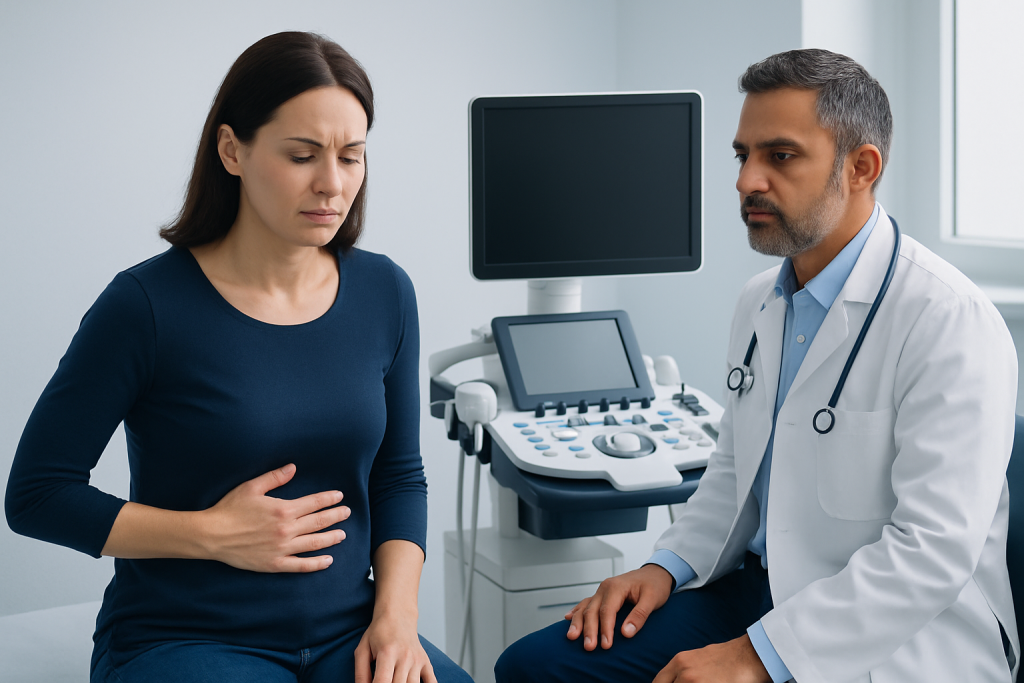
Gallstones do not always cause symptoms. When they do, the most common complaint is biliary colic, a sudden and steady pain in the upper right abdomen or center of the upper abdomen. This pain often begins after eating, particularly after a rich or fatty meal, and may last from minutes to several hours.
Some people also feel bloating, nausea, indigestion, or vomiting during an attack. The pain may spread to the back or the area beneath the right shoulder blade. Although the term “colic” suggests cramping, the pain is often described as constant, intense, and difficult to ignore while it lasts.
If a gallstone causes inflammation or infection, symptoms can become more serious. Warning signs include fever, chills, ongoing abdominal tenderness, yellowing of the skin or eyes, very dark urine, or pale stools. These features may point to complications such as cholecystitis or a blocked bile duct.
Symptoms can overlap with other digestive conditions, including acid reflux, stomach ulcers, liver problems, or pancreatitis. For that reason, upper right abdominal pain should not be self-diagnosed, especially if it is severe or recurrent.
Causes and Risk Factors
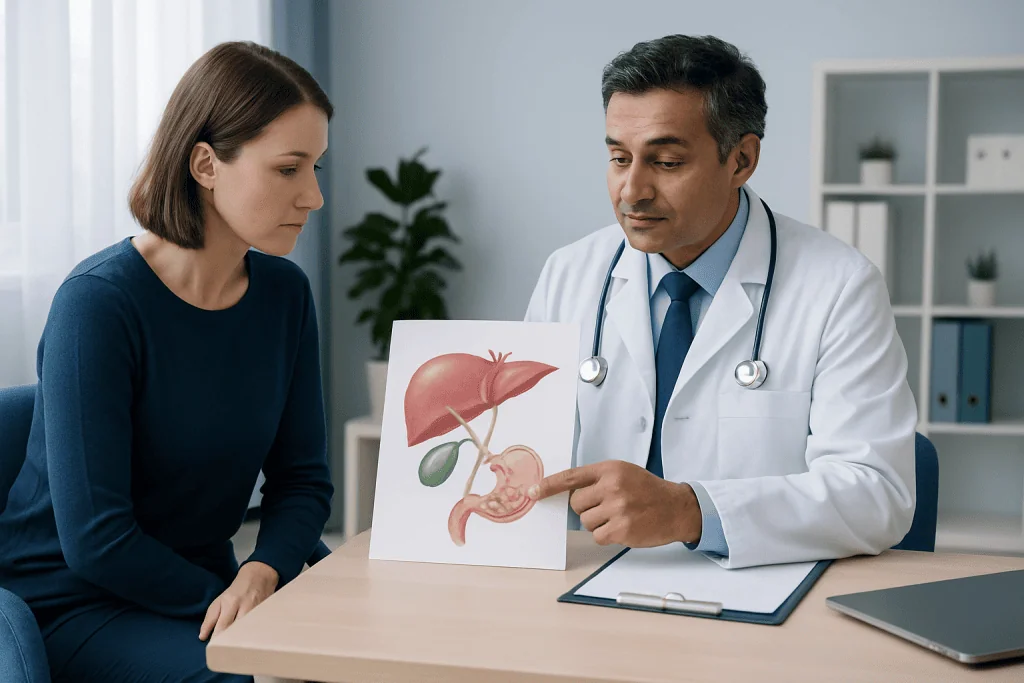
Gallstones usually form when bile contains too much cholesterol, too much bilirubin, or not enough bile salts to keep these substances dissolved. Cholesterol stones are the most common type in many populations. Pigment stones, which are darker, are linked more often to certain blood disorders, liver disease, or infection of the biliary tract.
A number of factors can increase the likelihood of developing gallstones. These include being female, increasing age, pregnancy, obesity, rapid weight loss, a family history of gallstones, and certain metabolic conditions such as diabetes. Diet and body weight may play a role, but gallstones can also occur in people without obvious risk factors.
Long periods of fasting or very low-calorie diets can make the gallbladder empty less often, which may encourage stone formation. Some medicines and hormonal changes can also affect bile composition. In addition, gallstones are seen more frequently in people with cirrhosis or certain conditions that increase the breakdown of red blood cells.
Knowing the risk factors can help explain why gallstones develop, but it does not always predict who will have symptoms. Some people have large stones and no pain, while others have smaller stones that cause repeated blockages and significant discomfort.
How Gallstones Are Diagnosed
Diagnosis usually begins with a medical history and physical examination. A doctor will ask about the location of the pain, whether it occurs after meals, how long it lasts, and whether symptoms such as fever, jaundice, vomiting, or pale stools are present. Blood tests may be ordered to look for signs of infection, inflammation, liver problems, or pancreatic involvement.
Ultrasound is the first and most common imaging test used to diagnose gallstones. It is noninvasive, does not use radiation, and can often show stones inside the gallbladder as well as signs of inflammation. Ultrasound may also help identify thickening of the gallbladder wall or a build-up of fluid around the gallbladder, which can suggest an acute problem.
If the diagnosis remains unclear or a complication is suspected, additional imaging may be needed. Depending on the clinical situation, doctors may use MRI techniques to evaluate the bile ducts, MRCP to look more closely for stones blocking the biliary system, or a CT scan to assess other possible causes of abdominal pain. The choice of test depends on symptoms and what needs to be ruled out.
In some cases, gallstones found incidentally do not explain the patient’s symptoms, so doctors consider other diagnoses as well. A careful evaluation helps ensure that treatment is directed at the true cause of the pain.
Treatment Choices for Gallstones
Treatment depends mainly on whether gallstones are causing symptoms or complications. Gallstones that are discovered by chance and do not cause pain often do not need immediate treatment. In these cases, doctors may recommend observation and advice about when to seek care if symptoms begin later.
When gallstones cause repeated pain or trigger inflammation, the most effective treatment is usually removal of the gallbladder, called cholecystectomy. This is commonly done with minimally invasive techniques, using small incisions and a camera. A person can live without a gallbladder because bile will still flow from the liver into the intestine, although some people notice temporary changes in digestion during recovery.
If a stone moves into the common bile duct, a different procedure may be needed to remove the blockage before or around the time of surgery. In selected cases, doctors may recommend ERCP to locate and remove stones from the bile duct. This can relieve obstruction and reduce the risk of infection or pancreatitis.
Medicines to dissolve gallstones are used only in limited situations and usually work slowly, mainly for certain cholesterol stones. They are less commonly chosen because stones may return after treatment stops. For most people with troublesome symptoms, surgery offers the most reliable long-term relief.
Prevention and Self-Care
Not all gallstones can be prevented, but certain habits may lower risk and support digestive health. Maintaining a steady, healthy body weight is important. Rapid weight loss can increase the chance of stone formation, so weight reduction plans should generally be gradual and medically guided rather than extreme.
Eating regular, balanced meals may help the gallbladder empty more normally. A diet rich in vegetables, fruits, whole grains, legumes, and healthy fats is often recommended for overall digestive and metabolic health. Some people find that very fatty meals trigger pain, especially if they already have gallstones, so avoiding known trigger foods may reduce episodes until treatment is completed.
Staying physically active can support weight management and general well-being. People with diabetes or other metabolic conditions benefit from good long-term control, which may also reduce some gallstone risk factors. Self-care is helpful, but it does not remove existing stones once they have formed.
After diagnosis, it is important to follow the medical plan and keep track of symptoms. Recurrent pain, fever, or jaundice should not be managed at home. If specialist care is needed, Acibadem International’s multidisciplinary teams in JCI-accredited hospitals diagnose and treat gallbladder conditions for international patients.
When to See a Doctor
A doctor should evaluate recurring upper right abdominal pain, especially if it happens after meals or interferes with daily life. Even if symptoms improve between episodes, repeated attacks may mean that gallstones are causing intermittent blockage. A medical assessment can help prevent complications and clarify whether surgery or another treatment is needed.
Urgent medical attention is important if pain is severe, lasts more than a few hours, or comes with fever, chills, persistent vomiting, yellowing of the skin or eyes, confusion, or faintness. These symptoms may signal gallbladder inflammation, infection, obstruction of the bile duct, or pancreatic irritation, all of which need prompt care.
Pregnant patients, older adults, and people with significant medical conditions should be especially cautious about new abdominal pain. In these groups, symptoms may be less typical or complications may develop more quickly. It is safer to have symptoms assessed than to assume they will pass on their own.
With timely diagnosis and appropriate treatment, most people with gallstones do very well. Early evaluation can reduce uncertainty, relieve symptoms, and lower the chance of emergency complications.
Frequently asked questions
Can gallstones go away on their own?
Most gallstones do not disappear on their own. If they are not causing symptoms, they may simply remain in the gallbladder without needing treatment. When they cause pain or complications, medical treatment is usually needed.
What does gallstone pain feel like?
Gallstone pain is often felt in the upper right abdomen or the center of the upper belly. It is typically steady rather than cramp-like and may start after eating, especially after fatty meals. The pain can spread to the back or right shoulder.
Is ultrasound the best test for gallstones?
Ultrasound is usually the first and best initial test for gallstones because it is safe, quick, and effective at showing stones in the gallbladder. It can also help detect signs of inflammation. Other imaging tests may be used if doctors suspect stones in the bile duct or another problem.
Do all gallstones require surgery?
No. Gallstones that do not cause symptoms often do not need surgery. Surgery is more commonly recommended when gallstones cause repeated pain, inflammation, or blockage.
Can a person live normally without a gallbladder?
Yes. Most people live normally without a gallbladder because bile still flows from the liver into the intestine. Some people notice temporary digestive changes, such as looser stools after certain meals, but these often improve over time.
When is gallstone pain an emergency?
Gallstone pain needs urgent medical attention if it is severe, lasts for several hours, or comes with fever, vomiting, jaundice, or marked weakness. These symptoms can suggest infection or a blocked bile duct. Prompt treatment is important to avoid serious complications.
References
- National Institute of Diabetes and Digestive and Kidney Diseases
- American College of Gastroenterology
- National Health Service
- Mayo Clinic
- Merck Manual Consumer Version
This article is for general information only and is not a substitute for professional medical advice. Please consult a qualified doctor about your individual situation.
Gallstones in Turkey — costs, top hospitals & a free quote
JCI-accredited · board-certified surgeons · reply within 24h
Add us as a Preferred Source to see more of our trusted health content across Google Search, AI Overviews and Discover.
Check your numbers in seconds
BMI, calories, due date, blood pressure and 30+ more clinical calculators — free, instant, doctor-reviewed ranges.

General Surgery
Open, laparoscopic and robotic surgery for a broad range of abdominal and soft-tissue conditions.
120 specialists in this unit