Digestive Symptoms in Older Adults: Warning Signs That Deserve Prompt Attention

Digestive symptoms can change with age, but persistent or sudden symptoms should be assessed by a doctor. Blood in the stool, black stools, vomiting blood, or unexplained weight loss need prompt medical review.
Key Takeaways
- Digestive symptoms can change with age, but persistent or sudden symptoms should be assessed by a doctor.
- Blood in the stool, black stools, vomiting blood, or unexplained weight loss need prompt medical review.
- Constipation, reflux, bloating, and appetite changes may have many causes, including medicines and underlying illness.
- Early diagnosis can help identify treatable problems such as ulcers, infections, gallstones, or cancer.
- Healthy eating, hydration, physical activity, and medication review support digestive health in later life.
Digestive symptoms in older adults are often caused by treatable issues, but some changes deserve prompt medical attention. New or persistent symptoms such as bleeding, weight loss, vomiting, swallowing problems, or ongoing abdominal pain should not be ignored.
Overview
Digestive symptoms in older adults are common, and many have simple explanations such as constipation, acid reflux, food intolerance, medication side effects, or reduced physical activity. At the same time, aging can make it harder to notice subtle changes, and some symptoms may develop gradually. Because of this, digestive complaints in later life deserve careful attention rather than being dismissed as a normal part of aging.
The digestive system changes over time. Appetite may decrease, stomach emptying may slow, bowel habits may shift, and chronic health conditions can affect how the gut works. Older adults are also more likely to take several medicines, some of which can irritate the stomach, cause constipation, or change the balance of bacteria in the intestines.
Most digestive problems are not emergencies, but certain warning signs deserve prompt medical review. These include bleeding, dehydration, persistent vomiting, trouble swallowing, severe pain, and unexplained weight loss. Recognizing these symptoms early can help doctors identify the cause and begin treatment before complications develop.
Symptoms That Should Not Be Ignored
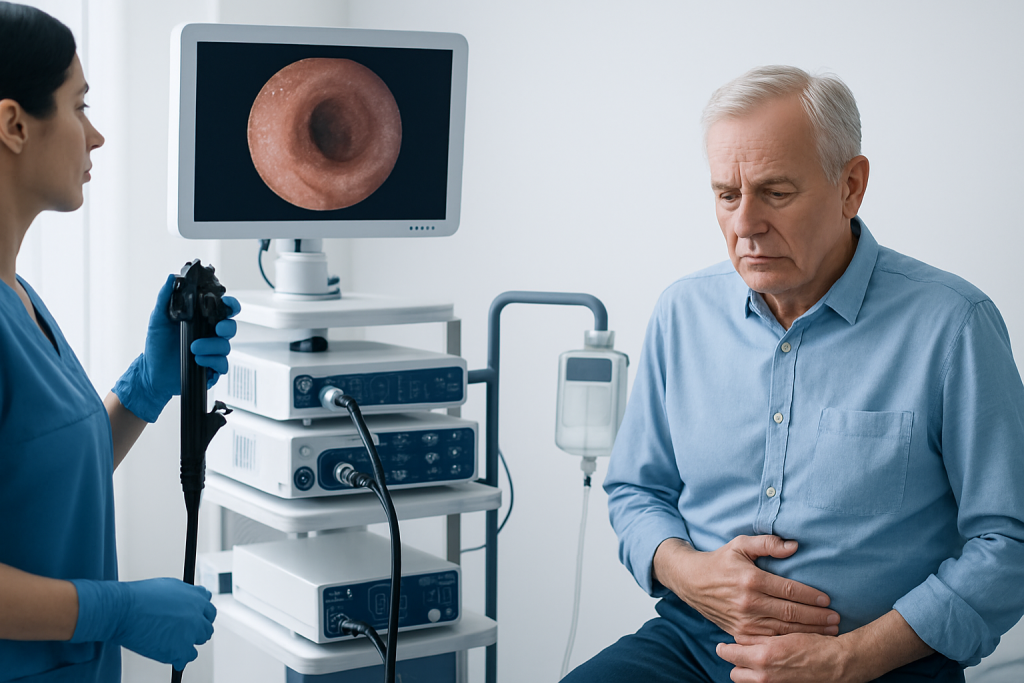
Some digestive symptoms are especially important because they may point to bleeding, blockage, infection, inflammation, or cancer. Any new symptom that lasts more than a short time, becomes more frequent, or interferes with eating and drinking should be discussed with a healthcare professional.
Warning signs include:
- Blood in the stool or on toilet paper
- Black, tarry stools
- Vomiting blood or material that looks like coffee grounds
- Unexplained weight loss or loss of appetite
- Difficulty swallowing or pain when swallowing
- Persistent nausea or vomiting
- Ongoing abdominal pain, especially if severe or localized
- A sudden change in bowel habits, including new constipation or diarrhea
- Bloating with vomiting or inability to pass stool or gas
- Yellowing of the skin or eyes, dark urine, or pale stools
Less urgent but still important symptoms include frequent heartburn, early fullness after small meals, worsening indigestion, ongoing bloating, and fatigue linked with possible anemia. In older adults, even mild symptoms can sometimes reflect a more significant underlying problem, so it is reasonable to seek advice sooner rather than later.
Common Causes and Risk Factors

Many digestive complaints in older adults are linked to everyday conditions. Constipation may result from low fluid intake, reduced mobility, low-fiber diets, or medicines such as iron supplements, calcium, opioid pain relievers, and some blood pressure drugs. Acid reflux can become more common with age and may cause burning, regurgitation, cough, or hoarseness. Stomach irritation or ulcers can also occur, especially in people who regularly use anti-inflammatory pain medicines.
Infections and inflammation are other possible causes. Diarrhea may follow antibiotic use or be related to viral or bacterial infections. Gallstones, liver disease, pancreatitis, diverticular disease, and inflammatory bowel conditions may also cause pain, nausea, bloating, or changes in bowel habits. Some symptoms can overlap with colon cancer or other disorders affecting the digestive tract.
Risk increases with age, but age alone does not explain everything. Family history, smoking, alcohol use, diabetes, reduced physical activity, dehydration, poor nutrition, prior abdominal surgery, and chronic illnesses all affect digestive health. A personal history of polyps, ulcers, or gastroesophageal reflux disease may also raise the likelihood of recurring symptoms that need follow-up.
How Doctors Evaluate Digestive Symptoms
Diagnosis starts with a detailed medical history. A doctor will ask when the symptoms began, whether they are constant or intermittent, what makes them worse, and whether there are red flags such as bleeding, fever, weight loss, or difficulty swallowing. A review of medicines is especially important, including prescription drugs, over-the-counter pain relievers, supplements, and laxatives.
The physical examination may include checking the abdomen for tenderness, swelling, or masses, and assessing hydration and nutrition status. Depending on the symptoms, blood tests may be used to look for anemia, infection, inflammation, liver problems, pancreatic issues, or electrolyte imbalance. Stool tests may check for blood or infection.
Further tests may include imaging or endoscopic evaluation. Doctors may recommend endoscopy to examine the esophagus, stomach, and upper small intestine, or colonoscopy to assess the colon and rectum. In some situations, ultrasound or CT imaging helps evaluate the gallbladder, liver, pancreas, bowel obstruction, or other abdominal conditions.
The goal is not simply to label a symptom, but to identify its cause and seriousness. This step matters because symptoms such as constipation, weight loss, and abdominal discomfort can arise from a wide range of conditions, from diet-related issues to problems that require urgent treatment.
Treatment Options
Treatment depends on the underlying cause. Mild constipation may improve with more fluids, gradual increases in fiber, regular movement, and changes in medicines when appropriate. Reflux may be managed with meal-timing changes, avoiding trigger foods, weight management if needed, and acid-reducing medicines recommended by a doctor. Nausea, diarrhea, or stomach irritation may improve once the triggering medication or infection is addressed.
Some conditions require more targeted treatment. Ulcers may need medicines to reduce acid and, if present, treatment for Helicobacter pylori infection. Gallbladder disease, bowel obstruction, severe bleeding, or appendicitis can require hospital care or surgery. If a structural problem affects swallowing, the care team may recommend swallowing studies, endoscopic therapy, or other interventions.
When a suspicious growth or unexplained bleeding is found, doctors may take biopsies during testing to guide the next steps. This can help diagnose conditions including polyps, ulcers, inflammation, or digestive cancers. If cancer is confirmed, treatment may involve a combination of gastroenterology care and referral for oncology treatment depending on the location and stage.
Care is often safest and most effective when it considers the whole person, including nutrition, mobility, memory, and other chronic illnesses. Near the end of the care journey, some international patients may choose centers such as Acibadem International, where multidisciplinary specialists in JCI-accredited hospitals evaluate and treat digestive conditions in a coordinated way.
Prevention and Self-care
Not all digestive problems can be prevented, but daily habits can reduce the risk of common issues. Regular meals, adequate hydration, physical activity, and a balanced diet with fruits, vegetables, legumes, and whole grains often support bowel function and overall digestive comfort. Changes should be made gradually, especially when increasing fiber, to avoid worsening bloating.
Medication review is another key step. Older adults should avoid taking laxatives, antacids, or pain relievers for long periods without medical advice. Some medicines can hide symptoms while others may be the cause. Keeping a symptom diary that tracks foods, bowel habits, pain, and medicines can help a doctor identify patterns.
Helpful self-care measures may include:
- Drinking fluids regularly unless a doctor has advised restriction
- Staying active with walking or other safe movement
- Eating smaller, more frequent meals if large meals worsen symptoms
- Limiting alcohol and avoiding smoking
- Seeking advice before using new supplements or herbal products
- Keeping up with age-appropriate screening, including colorectal screening when recommended
Prevention also includes paying attention to small changes. A new aversion to food, slower eating because swallowing feels difficult, or repeated nighttime heartburn may seem minor at first but can provide important clues that should be discussed during routine care.
When to See a Doctor Promptly
Urgent medical attention is important if an older adult has severe abdominal pain, persistent vomiting, signs of dehydration, fainting, confusion, fever with abdominal symptoms, vomiting blood, black stools, or blood in the stool. These symptoms can reflect bleeding, infection, obstruction, or another condition that should be assessed without delay.
A prompt office or specialist appointment is also advisable for ongoing constipation or diarrhea, unexplained anemia, new swallowing difficulty, repeated heartburn, early fullness, loss of appetite, or weight loss. The same is true if symptoms wake the person at night, become more frequent, or keep returning despite self-care.
Family members and caregivers can play an important role. Older adults may underreport symptoms, especially if they are embarrassed, live alone, or have memory problems. Watching for practical signs such as looser clothing, reduced food intake, weakness, or changes in bathroom habits may help identify a problem early.
In general, it is wise to seek help if a digestive symptom is new, persistent, worsening, or simply feels out of character. Early evaluation can bring reassurance when the cause is minor and speed treatment when more serious illness is present.
Frequently asked questions
Are digestive problems a normal part of aging?
Some digestive changes become more common with age, including constipation, slower digestion, and increased sensitivity to certain medicines. However, persistent, painful, or new symptoms should not be assumed to be normal aging and should be evaluated.
Which digestive symptoms in older adults are most concerning?
The most concerning symptoms include blood in the stool, black stools, vomiting blood, severe abdominal pain, ongoing vomiting, trouble swallowing, and unexplained weight loss. These symptoms do not always mean a serious disease, but they do deserve prompt medical attention.
Can medications cause digestive symptoms in seniors?
Yes. Many medicines can contribute to constipation, diarrhea, nausea, stomach irritation, reflux, or appetite loss. This is why doctors usually review all prescription medicines, over-the-counter products, and supplements when evaluating digestive symptoms.
When is constipation in an older adult a reason to see a doctor?
Medical advice is recommended if constipation is new, persistent, painful, associated with bloating or vomiting, or comes with blood in the stool or weight loss. A doctor should also assess constipation that does not improve with fluids, movement, and reasonable dietary changes.
Does unexplained weight loss always mean cancer?
No. Weight loss can happen for many reasons, including poor appetite, dental problems, depression, medication side effects, thyroid disease, infections, or digestive disorders. Even so, unexplained weight loss should always be assessed because it can sometimes be an early warning sign of a serious condition.
What tests might be needed for digestive symptoms in older adults?
The choice of tests depends on the symptoms. A doctor may recommend blood tests, stool tests, imaging, endoscopy, or colonoscopy to look for bleeding, inflammation, infection, ulcers, blockages, polyps, or other causes.
References
- World Health Organization
- National Institute on Aging
- National Institute of Diabetes and Digestive and Kidney Diseases
- American College of Gastroenterology
- Mayo Clinic
This article is for general information only and is not a substitute for professional medical advice. Please consult a qualified doctor about your individual situation.
Medical weight-loss options in Turkey — costs & eligibility
JCI-accredited · board-certified surgeons · reply within 24h
Add us as a Preferred Source to see more of our trusted health content across Google Search, AI Overviews and Discover.
Check your numbers in seconds
BMI, calories, due date, blood pressure and 30+ more clinical calculators — free, instant, doctor-reviewed ranges.