How Digestion Works: From Eating to Nutrient Absorption
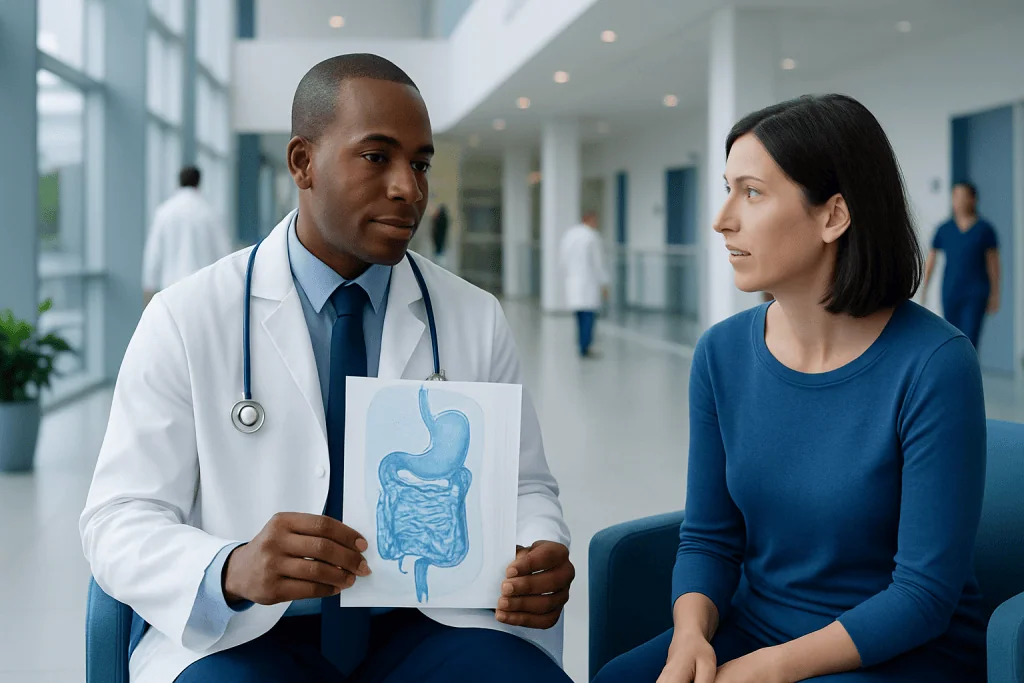
Digestion begins in the mouth and continues through the esophagus, stomach, small intestine, and large intestine. The liver, gallbladder, and pancreas support digestion by helping break down fats, proteins, and carbohydrates.
Key Takeaways
- Digestion begins in the mouth and continues through the esophagus, stomach, small intestine, and large intestine.
- The liver, gallbladder, and pancreas support digestion by helping break down fats, proteins, and carbohydrates.
- Most nutrient absorption happens in the small intestine, while the large intestine mainly absorbs water and forms stool.
- Healthy eating, hydration, movement, and regular routines can support normal digestion.
- Ongoing pain, unexplained weight loss, bleeding, or difficulty swallowing should be assessed by a doctor.
Digestion is the step-by-step process the body uses to break food into smaller parts, absorb nutrients, and eliminate waste. Understanding how digestion works can help people recognize normal body functions, support gut health, and know when symptoms may need medical attention.
Overview: What Digestion Does
Digestion is the body’s natural way of turning food and drink into energy, building blocks, and waste. When a person eats, the digestive system begins breaking food into smaller and smaller components so the body can absorb nutrients such as carbohydrates, proteins, fats, vitamins, minerals, and water. These nutrients are then used to support growth, repair tissues, maintain organs, and provide daily energy.
The digestive system is made up of a long tube called the gastrointestinal tract, along with helper organs. The main tract includes the mouth, esophagus, stomach, small intestine, large intestine, rectum, and anus. Supporting organs include the salivary glands, liver, gallbladder, and pancreas. Each part has a specific role, and digestion depends on all of them working together in a coordinated way.
Digestion involves both mechanical and chemical processes. Mechanical digestion means physically breaking food into smaller pieces, such as chewing in the mouth and mixing in the stomach. Chemical digestion involves enzymes, acids, and bile that split food into tiny molecules that can pass through the intestinal lining and enter the bloodstream.
For most people, digestion happens automatically without much thought. However, knowing the basic steps can make it easier to understand common symptoms like bloating, heartburn, constipation, or diarrhea, and to recognize when they may signal a digestive problem rather than a temporary upset.
Step by Step: From Eating to Swallowing
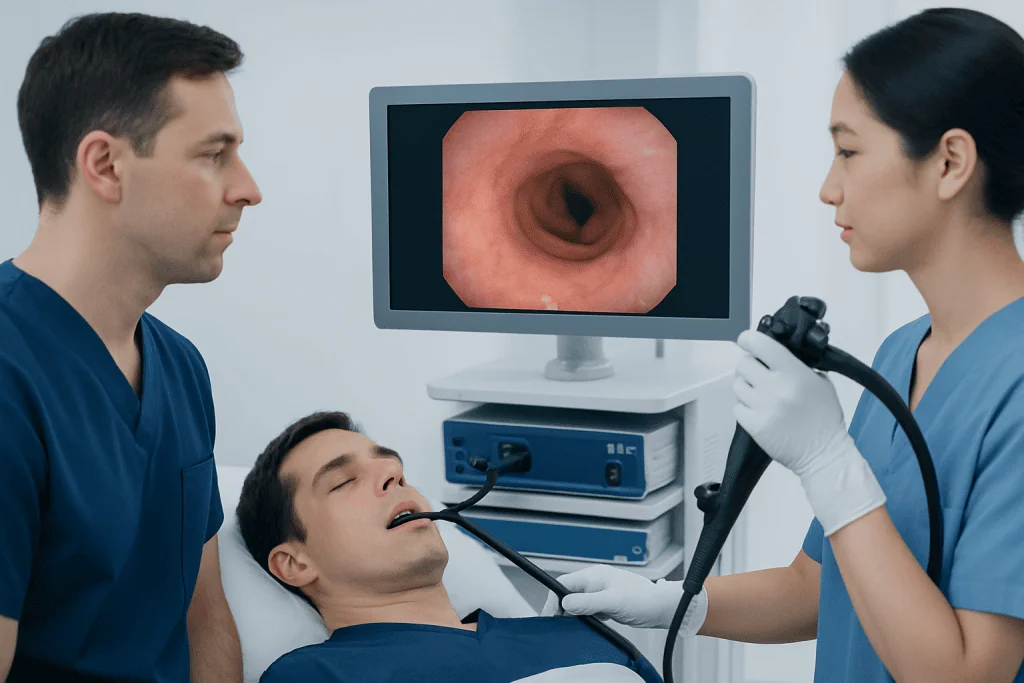
Digestion starts before food even reaches the stomach. Seeing, smelling, or thinking about food can trigger saliva production. In the mouth, teeth break food into smaller pieces while the tongue helps move it around for chewing. Saliva moistens food and contains enzymes that begin digesting carbohydrates. This early step helps make swallowing easier and prepares food for the next stage.
Once food is chewed and swallowed, it passes through the esophagus, a muscular tube connecting the mouth to the stomach. A wave-like motion called peristalsis pushes food downward. This movement is a normal part of digestion and continues throughout the digestive tract. At the lower end of the esophagus, a ring-like muscle relaxes to let food enter the stomach and then closes again to help keep stomach contents from moving back upward.
If this valve does not work as well as it should, stomach acid can flow back into the esophagus and cause burning discomfort in the chest or throat. This is commonly known as acid reflux and may be part of gastroesophageal reflux. Swallowing should normally feel smooth and painless, so repeated difficulty swallowing should be discussed with a doctor.
Although this part of digestion is brief, it is important. Eating too quickly, not chewing well, or lying down soon after a meal can make digestion feel less comfortable for some people. Slowing down and chewing thoroughly often helps the digestive system work more efficiently.
What Happens in the Stomach
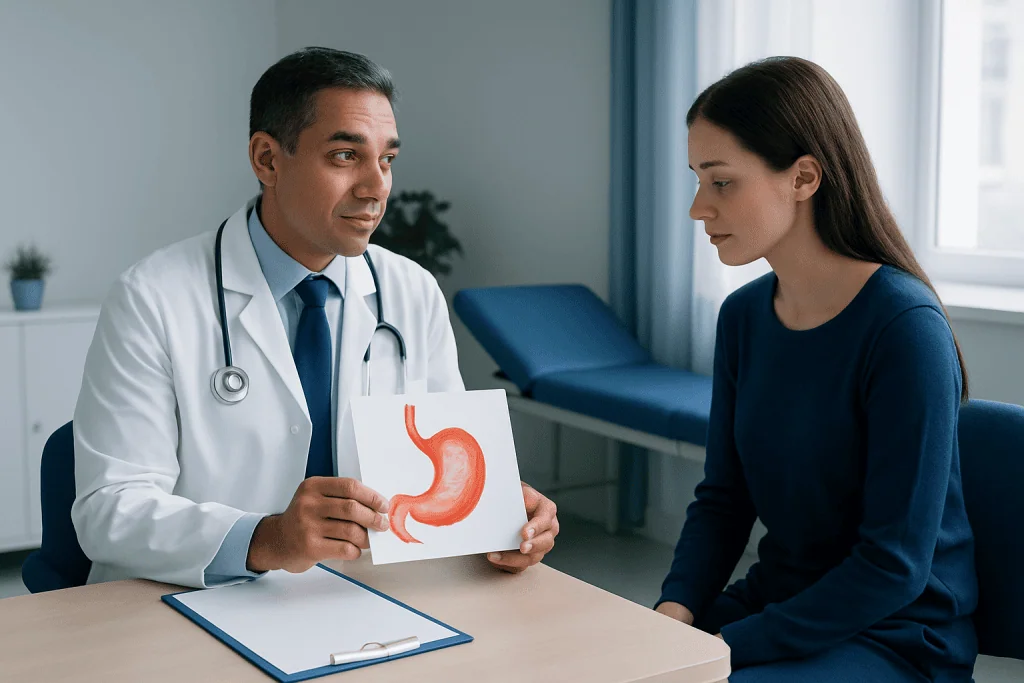
The stomach acts as a temporary storage and mixing chamber. After food arrives, stomach muscles churn and blend it with digestive juices. These juices contain acid and enzymes that help break down proteins and kill many germs that may have entered with food. The result is a semi-liquid mixture that can gradually move into the small intestine.
The stomach lining is specially designed to protect itself from its own acid. Even so, some people may develop irritation, inflammation, or ulcers. Certain medicines, infections, smoking, or alcohol can increase this risk. Symptoms may include burning pain, nausea, bloating, or a feeling of fullness soon after eating.
The stomach does not empty all at once. Instead, it releases small amounts of food into the small intestine over time. This controlled emptying supports smoother digestion and better absorption. Meals that are higher in fat generally stay in the stomach longer than lighter meals.
Persistent upper abdominal pain, frequent nausea, vomiting, or ongoing heartburn may point to conditions that need evaluation. Depending on symptoms, doctors may assess for inflammation, ulcers, or other stomach-related concerns, including gastritis.
The Small Intestine: Where Most Nutrients Are Absorbed
The small intestine is the main site of digestion and nutrient absorption. Although it is called “small,” it is actually very long and has a large surface area designed to absorb nutrients efficiently. As food enters from the stomach, it mixes with enzymes from the pancreas and bile from the liver and gallbladder. These substances help digest carbohydrates, proteins, and fats into forms the body can absorb.
The inner lining of the small intestine contains tiny finger-like projections that increase its absorptive surface. Through this lining, nutrients pass into the bloodstream or lymphatic system. Carbohydrates are broken down into simple sugars, proteins into amino acids, and fats into fatty acids and other small molecules. These are then transported to the liver and the rest of the body for immediate use or storage.
Each helper organ plays a distinct role. The pancreas makes enzymes that digest food and also releases bicarbonate to help neutralize stomach acid. The liver produces bile, which helps break fats into smaller droplets, and the gallbladder stores bile until it is needed. If one of these organs is not functioning well, digestion may become less effective and symptoms such as pain, bloating, greasy stools, or nutrient deficiencies may develop.
Tests such as blood work, stool studies, ultrasound, endoscopy, or colonoscopy may sometimes be used when digestive symptoms suggest a problem involving the intestines or related organs. The right test depends on the person’s age, symptoms, and medical history.
The Large Intestine and Waste Elimination
After most nutrients have been absorbed, the remaining material moves into the large intestine, also called the colon. Here, the body mainly absorbs water and some salts. This process helps turn liquid digestive contents into more formed stool. The colon also stores stool until it is ready to be passed through the rectum and anus.
The large intestine contains many bacteria and other microorganisms that make up part of the gut microbiome. These microbes help digest certain fibers that the body cannot break down on its own. In return, they produce substances that may support colon health and normal immune function. A diverse, balanced diet can help support a healthy microbiome.
Changes in bowel habits can happen from time to time, especially with travel, stress, medication changes, dehydration, or dietary shifts. However, ongoing constipation, diarrhea, abdominal cramping, or blood in the stool deserves medical attention. In some cases, doctors may assess for infections, inflammatory conditions, food intolerances, or disorders such as irritable bowel syndrome.
Digestive symptoms can have many causes, and the goal of evaluation is to find the reason rather than assume all symptoms are harmless. Early assessment often helps guide more effective treatment and reassurance.
Common Digestive Symptoms and Why They Happen
Many people experience digestive symptoms from time to time. Bloating can happen when gas builds up in the intestines or when digestion slows temporarily. Heartburn often occurs when stomach acid moves into the esophagus. Nausea may be related to infections, medications, stomach irritation, or slower stomach emptying. Constipation can result from low fiber intake, dehydration, low activity, or certain medicines, while diarrhea may happen with infections, food intolerance, or inflammation.
Not every symptom means there is a serious disease. Eating too quickly, large meals, spicy or fatty foods, stress, and poor sleep can all affect digestion. Hormonal changes and aging can also influence bowel habits and digestive comfort. Still, symptoms that are frequent, severe, or progressive should not be ignored.
Doctors diagnose digestive concerns by combining symptoms, physical examination, and testing when needed. Depending on the concern, evaluation may include blood tests, stool tests, breath tests, abdominal imaging, upper endoscopy, or endoscopy to look directly at the upper digestive tract. These tools help identify causes such as reflux, ulcers, inflammation, infection, or structural changes.
Understanding the pattern of symptoms can be very helpful. For example, pain linked to meals, changes in stool appearance, nighttime symptoms, or unexplained weight loss can give important clues. Keeping a simple symptom and food diary may support clearer conversations with a healthcare professional.
How to Support Healthy Digestion
Healthy digestion is supported by everyday habits rather than a single food or supplement. A balanced eating pattern that includes fruits, vegetables, whole grains, legumes, and other fiber-rich foods can help support bowel regularity and nourish the gut microbiome. Drinking enough water also helps stool stay softer and easier to pass.
Eating at a comfortable pace, chewing thoroughly, and choosing regular meal times can reduce strain on the digestive system. Gentle physical activity, such as walking, can encourage normal bowel movement and may ease bloating in some people. Limiting excess alcohol and avoiding smoking are also helpful for overall digestive health.
Some people notice that specific foods trigger symptoms. Common examples include very fatty meals, highly processed foods, spicy dishes, large amounts of caffeine, or carbonated drinks. It is usually best not to cut out major food groups without medical advice, because symptoms may have different causes and unnecessary restrictions can affect nutrition.
Treatment depends on the underlying issue. It may include dietary changes, medication, treatment for infection, or procedures when indicated. If a more detailed evaluation is needed, services such as gastroenterology care can help identify the cause and create a tailored management plan.
When to See a Doctor
Occasional indigestion or temporary bowel changes are common, but some symptoms should be assessed promptly. Medical advice is important if a person has trouble swallowing, persistent vomiting, blood in vomit or stool, black stools, unexplained weight loss, ongoing abdominal pain, jaundice, or symptoms that wake them from sleep regularly. These signs do not always mean something serious, but they should be evaluated.
It is also wise to seek care for frequent heartburn, new constipation or diarrhea that lasts more than a short time, or symptoms that keep returning despite lifestyle changes. Children, older adults, pregnant people, and those with chronic illnesses may need earlier assessment because dehydration and nutritional problems can develop more easily.
Diagnosis often starts with a clear medical history, symptom review, and physical examination. Doctors may then recommend tests based on what is most likely. Early evaluation can bring reassurance, identify treatable conditions, and help prevent complications related to poor nutrient absorption or ongoing inflammation.
For people seeking specialist assessment, Acibadem International’s multidisciplinary teams in JCI-accredited hospitals diagnose and treat digestive conditions for international patients. The most appropriate care plan depends on the individual’s symptoms, overall health, and test results.
Frequently asked questions
Where does digestion begin?
Digestion begins in the mouth. Chewing breaks food into smaller pieces, and saliva starts chemical digestion, especially of carbohydrates. This early stage helps prepare food for smoother swallowing and digestion further down the tract.
What is the main job of the stomach?
The stomach stores food for a short time and mixes it with acid and enzymes. This helps begin protein digestion and turns food into a semi-liquid mixture that can move gradually into the small intestine.
Where are most nutrients absorbed?
Most nutrients are absorbed in the small intestine. Its lining has a very large surface area that allows vitamins, minerals, fats, proteins, and carbohydrates to pass into the blood or lymph for use by the body.
What do the liver, gallbladder, and pancreas do in digestion?
These organs support digestion rather than carry food directly. The liver makes bile, the gallbladder stores and releases bile, and the pancreas produces enzymes and bicarbonate to help break down food and reduce stomach acid entering the small intestine.
Why do people get bloating or indigestion?
Bloating or indigestion can happen for many reasons, including eating too quickly, large meals, gas buildup, stress, or certain foods. Sometimes they are temporary and mild, but frequent or worsening symptoms should be discussed with a doctor.
How can someone support healthy digestion naturally?
Helpful habits include eating a balanced, fiber-rich diet, drinking enough water, staying physically active, and chewing food well. Regular meal times and avoiding smoking or excess alcohol may also support more comfortable digestion.
When should digestive symptoms be checked by a doctor?
A doctor should assess symptoms such as difficulty swallowing, persistent vomiting, blood in the stool, black stools, ongoing pain, unexplained weight loss, or repeated heartburn. Medical advice is also important if constipation or diarrhea lasts longer than expected or keeps coming back.
References
- National Institute of Diabetes and Digestive and Kidney Diseases
- National Health Service
- Mayo Clinic
- Merck Manual Consumer Version
- World Gastroenterology Organisation
This article is for general information only and is not a substitute for professional medical advice. Please consult a qualified doctor about your individual situation.
Persistent digestive symptoms? Get evaluated in Turkey
JCI-accredited · board-certified surgeons · reply within 24h
Add us as a Preferred Source to see more of our trusted health content across Google Search, AI Overviews and Discover.

More from the Health Library



Related Specialists

Dr. Seyhan Ördekçi
Clinical Laboratory
Dr. Beyhan Levent Erdoğan
Pediatrics
Hamdi Kandemir
Physical Medicine & Rehabilitation
Assoc. Prof. Dr. Emine Acar Akkaya
Nuclear Medicine